Why Is Rally Racing Different From Circuit Racing?
Millions worldwide enjoy auto racing’s speed, skill, and thrill. Rally and circuit racing are popular but separate sports. Both include drivers pushing their cars to the maximum to win, but their settings, equipment, and strategies vary. The diverse difficulties each variety poses attract different types of fans.
To understand their differences, learn about each, examine the vehicles, and compare their major components. This study shows that rally racing values surprise whereas circuit racing values accuracy and consistency.
Understanding Rally Racing
One of the most daring motorsports is rallying. This competition involves driving modified production automobiles across various terrains in timed phases. These stages sometimes take place on temporarily blocked public highways or specifically built trails, adding real-world complexity. Rally drivers compete one segment at a time to set the quickest total time. In that sense, rallying feels closer to long-term strategy, the same mindset people use when calmly comparing options like https://casinosanalyzer.co.nz/free-spins-no-deposit/200-dollars rather than chasing instant results.
Variety makes rally racing exciting. Gravel roads dust and hamper visibility, muddy dirt tracks challenge grip, smooth asphalt for high-speed bursts, and icy or ice courses need professional handling. Fog or heavy winds make dry roads rougher than rain. Drivers spend days covering hundreds of kilometers. The top WRC series is the Monte Carlo Rally, where drivers tackle winding mountain roads in various circumstances.
Driving lengthy hours, rally drivers adapt to shifting circumstances and make rapid judgments. The co-driver checks pace notes regarding corners, jumps, and hazards since one mistake might terminate the race.
Exploring Circuit Racing
Circuit racing is more regulated and designed for high-speed competition. Racing on smooth asphalt closed-loop courses is possible here. Straightaways for acceleration and bends for braking and handling are common on these tracks. Due to the predictable configuration, repeated laps are used to complete a predetermined number of circuits quickly or to finish first.
F1, where sleek vehicles race around Monaco’s street circuit or Silverstone in the UK, is famous. NASCAR emphasizes close-pack racing and smart drafting on oval courses in the US. MotoGP, for motorcycles, is mentioned, although events on circuits like Mugello in Italy demonstrate comparable ideas in a regulated atmosphere. Circuit racing requires consistency in lap times, fuel, tires, and overtaking.
One-day or weekend events’ grid places are determined via qualifying. Racing might take an hour or many hours, as the 24 Hours of Le Mans. Pit stop fueling and tire swaps are improved by practice data. Lewis Hamilton and Kyle Busch built careers on mastering predictability, which produces intense contests. Early 20th-century grand prix races gave way to high-tech circuit racing that evaluates engineering and driving.
The Vehicles: Race Cars in Circuit Racing
These two racing styles employ automobiles designed for their needs, another fundamental distinction. Circuit racing cars are designed for speed on paved tracks. Wings and diffusers provide downforce to keep race cars on the road at high speeds. Turbocharged or hybrid engines allow Formula 1 cars to approach 200 mph and reach 60 mph in under two seconds.
Optimized suspension and slick tires provide smooth handling and excellent grip. Carbon-fiber chassis and driver haloes enhance safety. These automobiles emphasis lightweight design and low centers of gravity for cornering. Teams spend a lot on wind tunnel testing and computer simulations to make circuit racing vehicles amazing.
The Vehicles: Rally Cars in Rally Racing
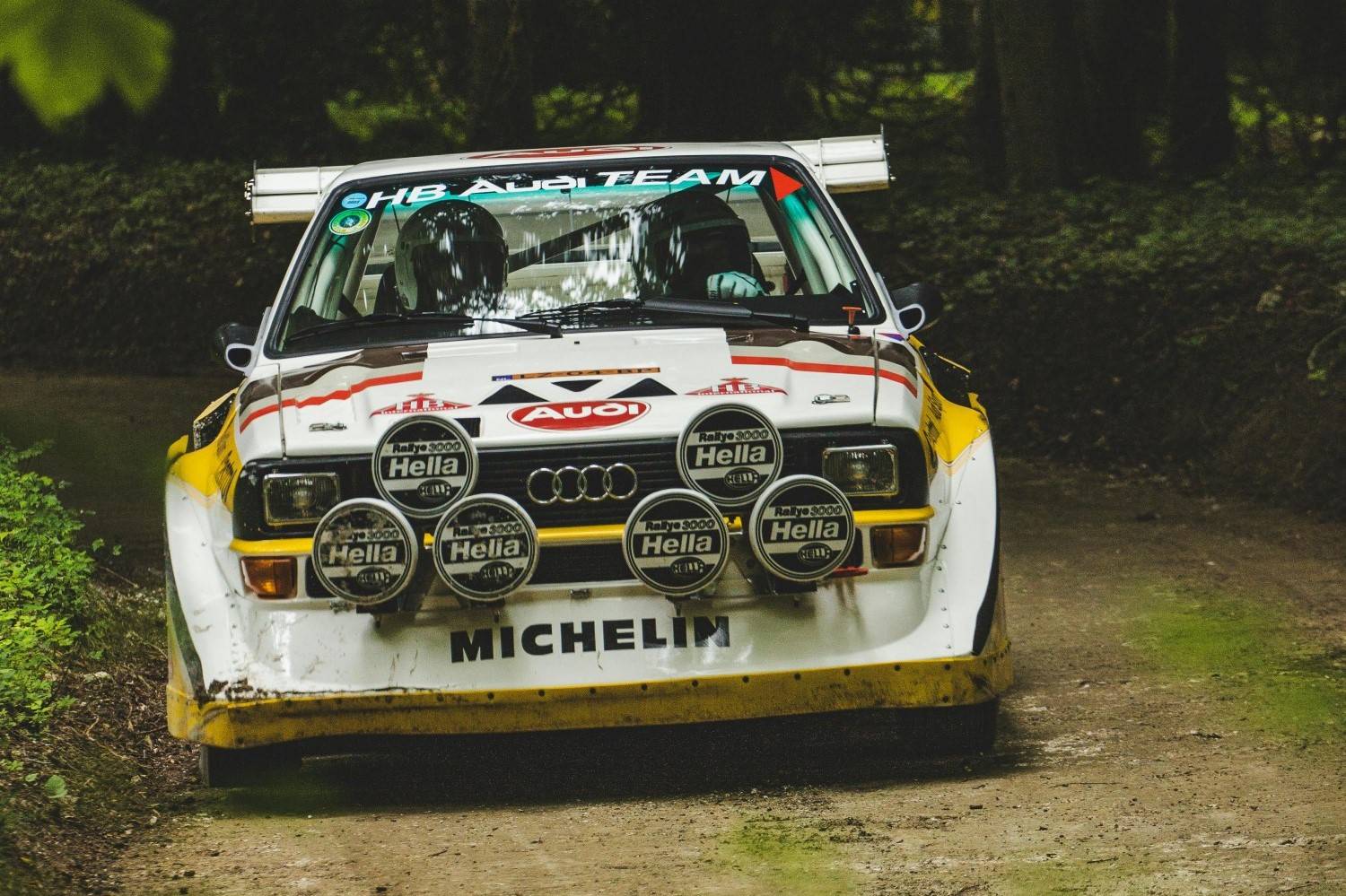
Unlike other automobiles, rally cars are tough and versatile. All-wheel-drive systems distribute power evenly across tires for better traction on uneven surfaces, and they are heavily modified production cars. Higher ground clearance clears pebbles and ruts, while better suspension absorbs jumps and uneven terrain.
Roll cages limit crashes, fire suppression devices stop engine fires, and snow-studded tires adapt. WRC cars like the Hyundai i20 and Toyota GR Yaris have 300-400 horsepower and durability. They may switch phases on public roads since they must follow road-legal requirements, unlike circuit vehicles. Rally vehicles are tough workhorses due of their versatility.
Strategies and Skills Important
Navigation, adaptability, and other skills are needed for rally racing. Important elements:
- Precision pace note interpretation for curves, leaps, and obstacles.
- Adapting driving styles to varied terrains.
- Careful vehicle management reduces tire punctures and failures.
- Time management to prevent late check-ins or infractions, which might add seconds.
- Developing stamina to concentrate and perform well over several days.
However, circuit racing emphasizes lap optimization and resource management. Crucial methods include:
- Perform well in qualifying to start well and minimize initial passing movements.
- Timing tire changes and refueling pit stops to affect race outcomes.
- Slipstreaming to overtake and reduce drag.
- For success, maintain consistent speeds and error-free driving on famous courses.
Key Rally-Circuit Racing Comparisons
For clarity, compare essential features:
| Feature | Rally Racing | Circuit Racing |
| Track Type | Public roads or varied stages with gravel, dirt, asphalt, snow | Closed, paved loops like ovals or road courses |
| Vehicle Design | Durable, all-wheel-drive cars with high clearance for versatility | Aerodynamic, high-speed cars optimized for smooth surfaces |
| Main Strategy | Adapting to conditions, navigating stages, avoiding penalties | Achieving fast laps, managing pits, overtaking rivals |
| Risk Level | Higher due to unpredictable terrain and weather | Lower in controlled, predictable environments |
Each discipline assesses various driving skills, as seen in this table.
The Future and Appeal of These Sports
Fans of raw, daring motorsport flock to rally racing’s beautiful locations and intimate spectator access. Grandstands show circuit racing’s tactical battles and technological displays. From amateur to professional leagues, both develop worldwide communities.
Sustainability is affecting both futures. Formula E is introducing electric and hybrid cars, while rally is studying biofuels and eco-friendly modifications. Better helmets and tracks are being developed.
Conclusion
Rally and circuit racing both highlight speed and competitiveness, yet they have distinct motorsport niches. Rally emphasizes adaptation and endurance, whereas circuit emphasizes accuracy and strategy, giving drivers and spectators different experiences. They remain popular because they demonstrate human inventiveness and daring, whether on a misty woodland road or a sunny track.