NASCAR News: Possible Reasons for Ford’s Downfall in NASCAR
In the high-octane world of NASCAR, where manufacturer loyalty runs deep and competition is fierce, Ford once stood as a titan. With iconic teams like Team Penske, RFK Racing, and historically dominant outfits like Stewart-Haas Racing, the Blue Oval racked up championships and wins that cemented its legacy.
–by Mark Cipolloni–
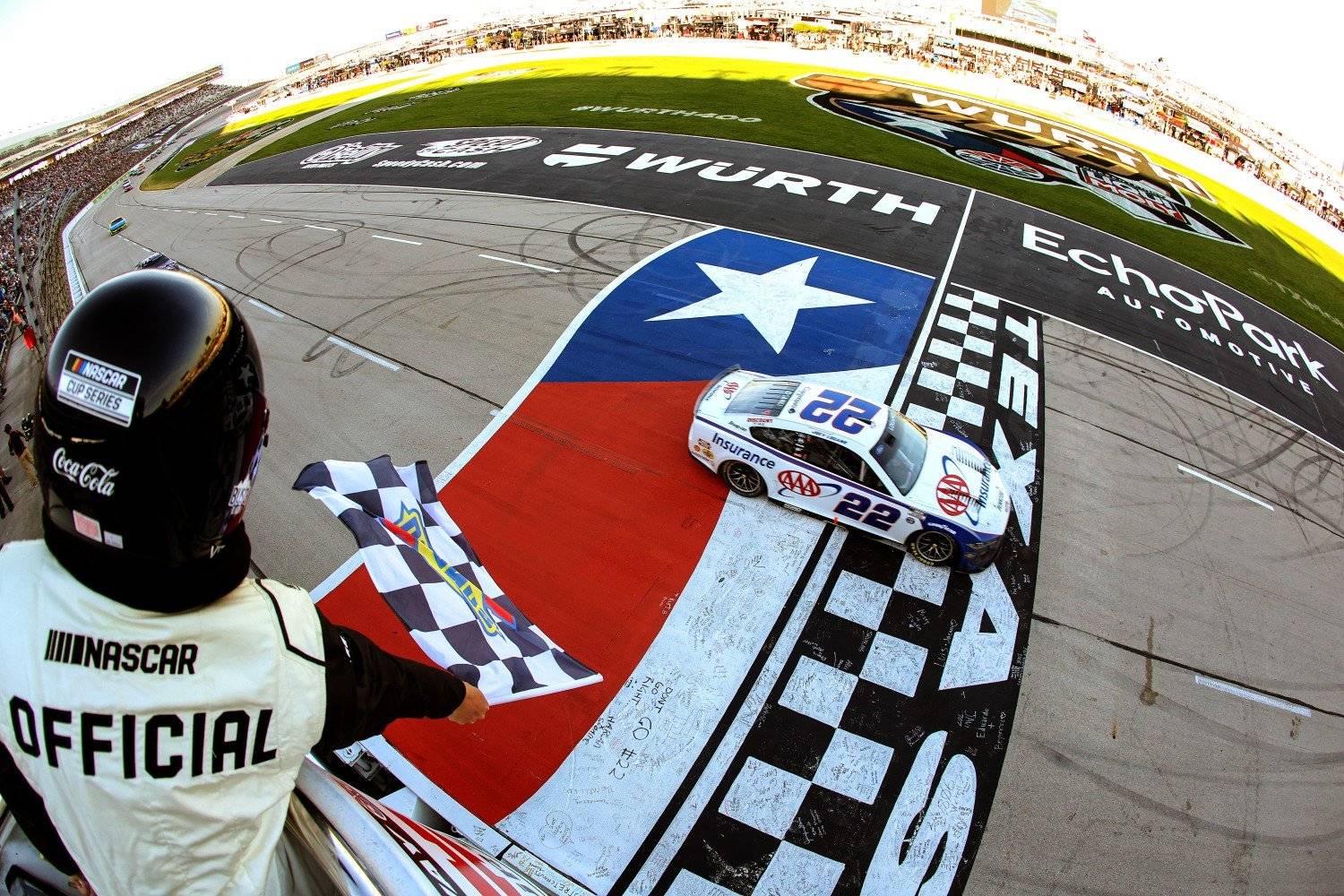
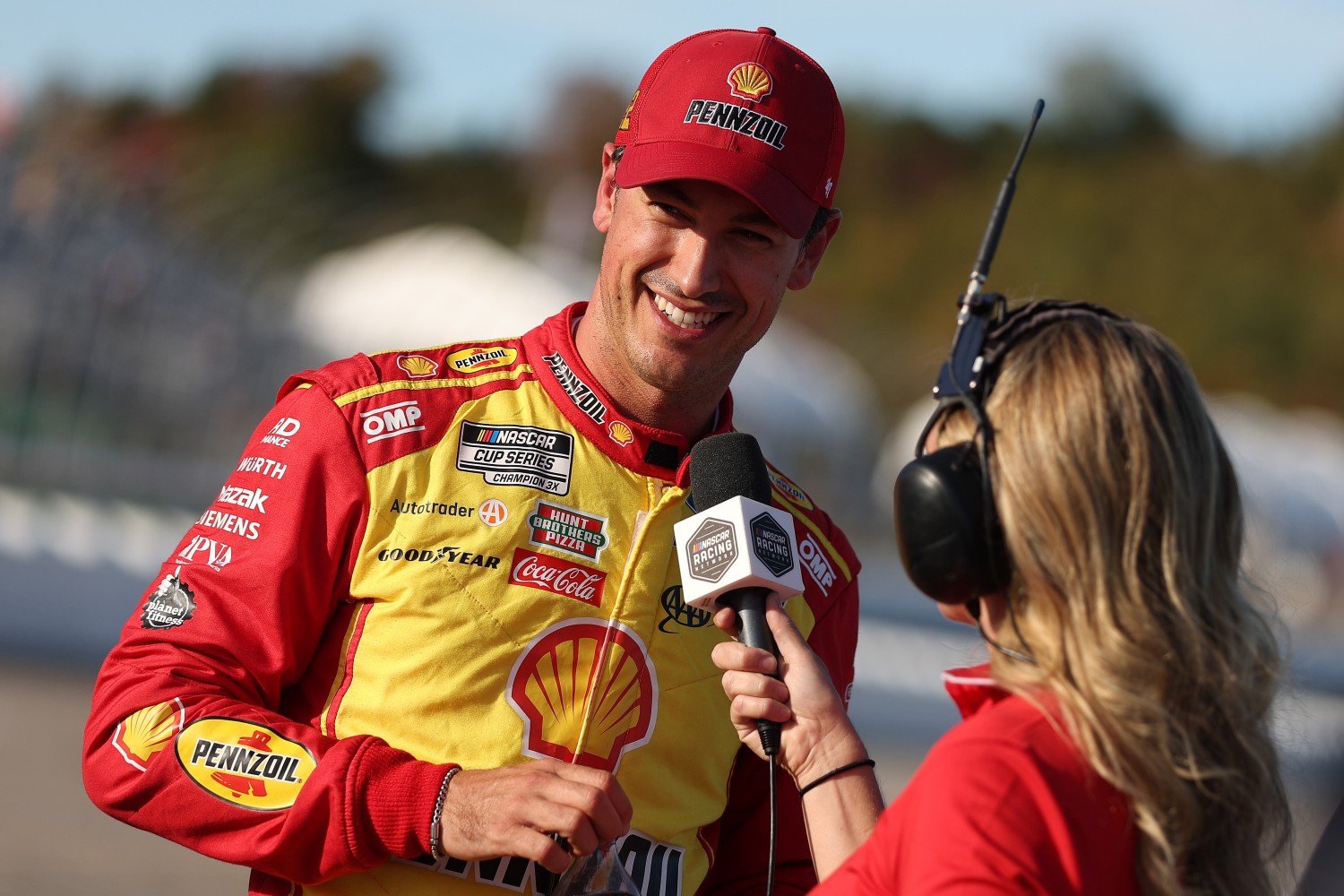
Joey Logano’s title defenses and Ryan Blaney’s triumphs kept Ford relevant through the playoff era. But as the 2025 season wrapped up and the silly season unfolded, cracks turned into chasms. Teams defected en masse, lower-series presence evaporated, and Ford’s garage share dwindled. What caused this precipitous decline? While on-track performance played a role, deeper corporate and structural issues appear to be the culprits.
One prominent factor is Ford’s aggressive diversification into global motorsports, particularly Formula 1 and the FIA World Endurance Championship (WEC). Ford returned to F1 in 2026 as a power unit partner with Red Bull, a high-profile move aimed at tech transfer and brand elevation in international markets. Meanwhile, plans for a factory Hypercar entry in WEC’s top class by 2027 signal further investment in endurance racing.
These ventures, while prestigious, demand substantial resources—F1 partnerships alone can run into hundreds of millions annually across development and operations. Although Ford executives have repeatedly stated that these programs are “overlays” and do not displace existing efforts like NASCAR, the reality of finite budgets raises questions. Rivals Chevrolet and Toyota have balanced global ambitions while maintaining robust NASCAR ecosystems, but Ford’s spread-thin approach may have diluted focus and funding for stock car racing.Compounding this is Ford’s staggering financial hemorrhage in its electric vehicle division. The Model e unit has posted massive losses: over $5 billion in 2024, with projections of up to $5.5 billion in 2025 alone, culminating in a $19.5 billion write-down by late year as Ford scrapped models like the pure-electric F-150 Lightning and pivoted to hybrids.
Cumulative EV losses since 2023 exceed $13 billion, forcing company-wide cost scrutiny. In an industry where motorsports budgets are discretionary, these red ink figures likely prompted reallocations or cuts. Teams switching manufacturers often cite better technical support, data sharing, and financial incentives—areas where perceived underinvestment from Ford could tip the scales.
The symptoms of decline are stark. In the Cup Series, Ford’s full-time lineup remains anchored by powerhouses like Penske (Blaney, Logano, Cindric) and RFK, but mid-tier teams like Haas Factory Team and parts of Rick Ware Racing bolted to Chevrolet. The real hemorrhage hit the Xfinity Series (now O’Reilly Auto Parts Series), where Ford nearly vanished: Haas, RSS Racing, and others switched, leaving just scraps like Sigma Performance Services and late additions like Hettinger Racing to scrape together a minimal presence for 2026.
This erodes Ford’s driver development pipeline—historically vital for feeding talent to Cup—and reduces shared R&D data, making it harder for remaining teams to compete against Chevrolet’s collaborative alliances (e.g., Hendrick with multiple satellites) or Toyota’s structured ladder.
On-track struggles amplified the exodus. Ford cars often qualified well but faded in traffic due to aero and horsepower deficits, with drivers complaining of being outpowered on straights. Fewer teams mean less data for improvements, creating a vicious cycle. Unlike Chevrolet’s heavy investment in tech centers and Toyota’s controlled programs, Ford’s fragmented support left smaller teams feeling orphaned.
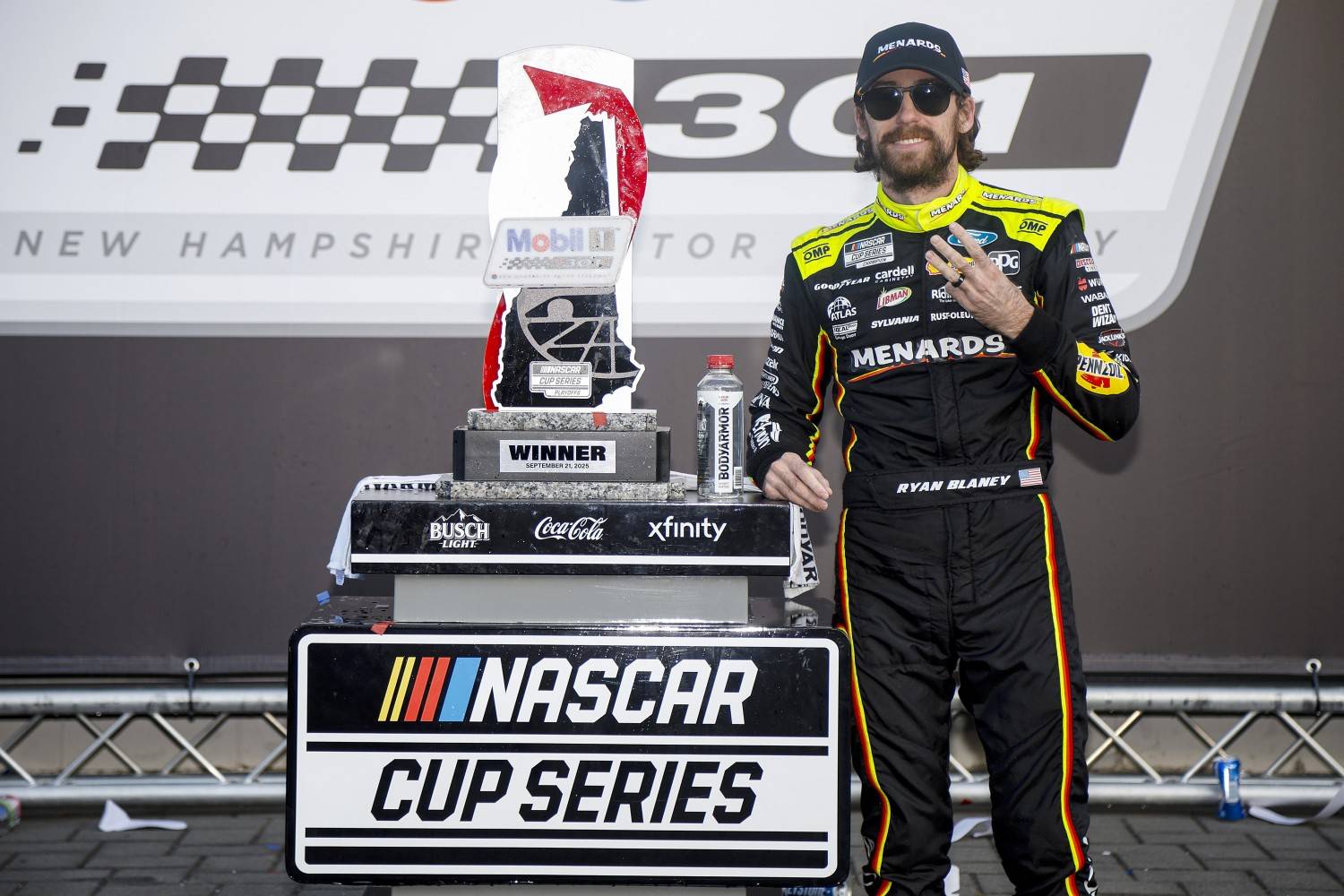
Ford insists its NASCAR commitment remains strong, pointing to wins like Blaney’s in 2025 and ongoing alliances. Yet the garage exodus tells a different story: teams vote with their switches when support wanes.
Without a revamped manufacturer system—perhaps centralized alliances or renewed investment—Ford risks slipping to third-tier status behind Chevy and Toyota. The Blue Oval’s downfall isn’t one cataclysmic event but a confluence of corporate priorities shifting away from NASCAR’s oval battles toward global circuits and an EV future that’s proven costlier than anticipated. For a brand built on “Win on Sunday, Sell on Monday,” the checkered flag in stock cars may be waving goodbye.