How Lift Kits Change the Way Your Vehicle Handles on the Trail
Lift kits are often one of the first major upgrades drivers consider when building an off-road vehicle, but their impact goes far beyond appearance or tire clearance. A well-designed lift kit changes how a vehicle moves, responds, and feels when navigating uneven terrain. From approach angles to suspension articulation, lift kits influence nearly every aspect of trail performance. Choosing the right lift kits allows drivers to improve capability while maintaining control, comfort, and reliability.
Many drivers assume lifting a vehicle automatically improves off-road performance, but that isn’t always the case. The way a lift kit is designed, installed, and paired with supporting components determines whether handling improves or suffers. Understanding how lift kits affect trail behavior helps drivers make smarter decisions and avoid common mistakes that compromise stability.
Increased Ride Height Improves Obstacle Clearance
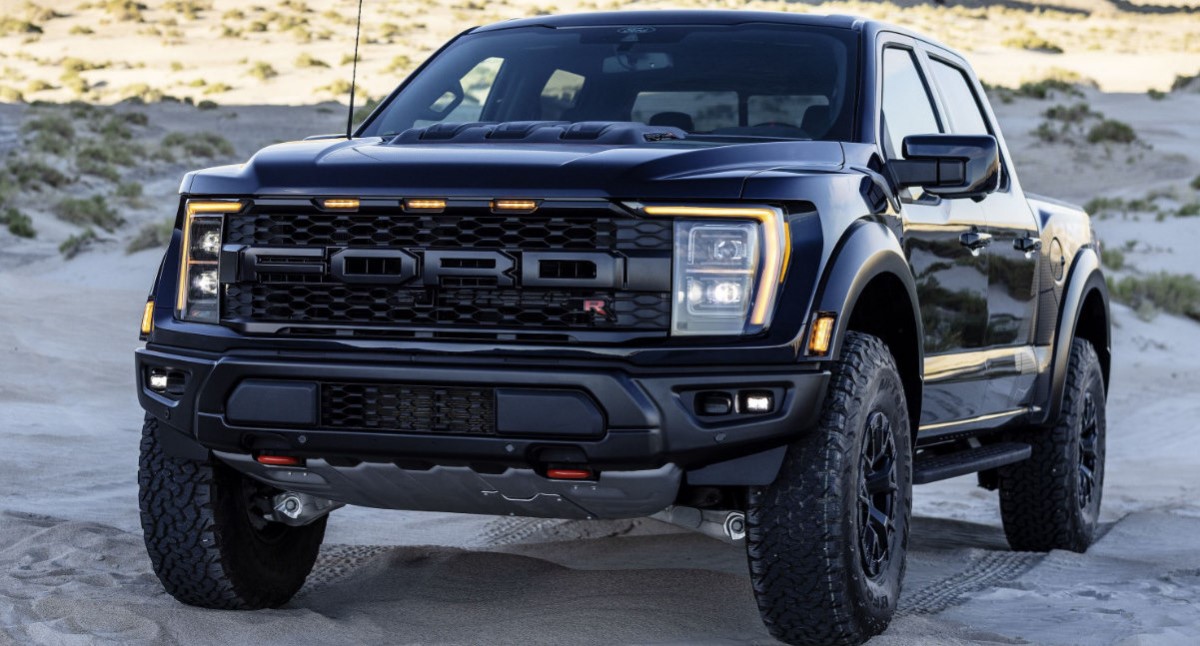
One of the most noticeable effects of a lift kit is increased ride height. Raising the vehicle improves ground clearance, which helps prevent undercarriage contact with rocks, ruts, and trail debris. This added clearance allows drivers to approach obstacles with more confidence and less risk of damage.
Improved ride height also enhances approach, breakover, and departure angles. These angles determine how easily a vehicle can climb over obstacles without scraping bumpers or dragging the frame. Even modest lift kits can make a significant difference when navigating ledges or uneven terrain.
However, ride height alone isn’t the full story. A lift that’s too tall without proper suspension tuning can raise the vehicle’s center of gravity, making it feel top-heavy on off-camber trails. This can reduce driver confidence and increase body roll if not addressed with quality components.
Lift kits also create space for larger tires, which further improves obstacle clearance and traction. Tires with increased diameter roll over obstacles more easily and provide additional ground clearance at the differential. Pairing a lift with properly sized 35 inch tires amplifies these benefits, especially on rocky or uneven terrain.
Suspension travel is another key factor. Quality lift kits are designed to increase usable suspension travel rather than simply adding height. This allows tires to stay in contact with the ground longer, improving traction and control when navigating uneven surfaces.
It’s also important to consider how lift height affects drivability. Well-engineered lift kits maintain proper alignment and steering geometry, ensuring that the vehicle remains predictable both on the trail and on the road.
Suspension Geometry Plays a Role in Stability and Control
Suspension geometry is one of the most critical—and often overlooked—factors in how a lifted vehicle handles off road. Geometry determines how suspension components move throughout their range of motion and how forces are transferred through the chassis.
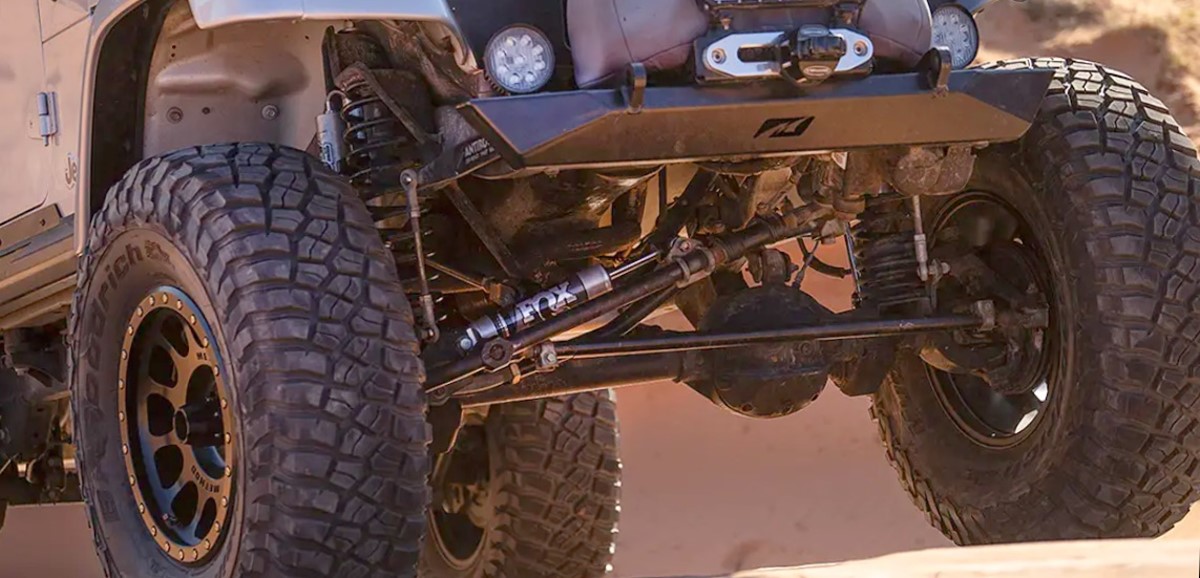
When a vehicle is lifted, control arm angles, steering linkages, and driveline components all change. If these changes aren’t accounted for, the vehicle may experience bump steer, poor handling, or reduced stability. Quality lift kits are designed to correct these angles and preserve proper suspension movement.
Stability on the trail depends heavily on balanced geometry. Properly corrected suspension allows the vehicle to articulate smoothly while keeping tires planted. This improves traction and reduces the tendency for the vehicle to feel unsettled when crossing uneven ground.
Steering response is also affected by suspension geometry. A properly set up lift maintains consistent steering feel, allowing drivers to make precise inputs even on technical trails. Poor geometry, on the other hand, can make steering feel vague or unpredictable.
Wheel and tire fitment plays a supporting role here as well. Lift kits work best when paired with wheels that provide correct offset and width. Properly chosen off road wheels help maintain track width, reduce stress on suspension components, and improve overall handling.
Shock selection further influences stability. Shocks control suspension movement and help manage body roll. Lift kits designed with matched shock tuning provide better damping, keeping the vehicle composed during climbs, descents, and side hills.
Ultimately, suspension geometry determines how confidence-inspiring a lifted vehicle feels. When geometry is addressed correctly, lift kits enhance control rather than compromise it, making the vehicle easier and safer to drive off road.
Conclusion
Lift kits significantly change how a vehicle handles on the trail, affecting everything from obstacle clearance to stability and steering control. Increased ride height improves clearance and approach angles, while proper suspension geometry ensures predictable handling and traction. When lift kits are chosen thoughtfully and paired with the right tires and wheels, they enhance off-road capability without sacrificing control. Understanding these dynamics helps drivers build vehicles that perform confidently and reliably in challenging terrain.