NASCAR News: RFK Racing and the Castrol Conundrum
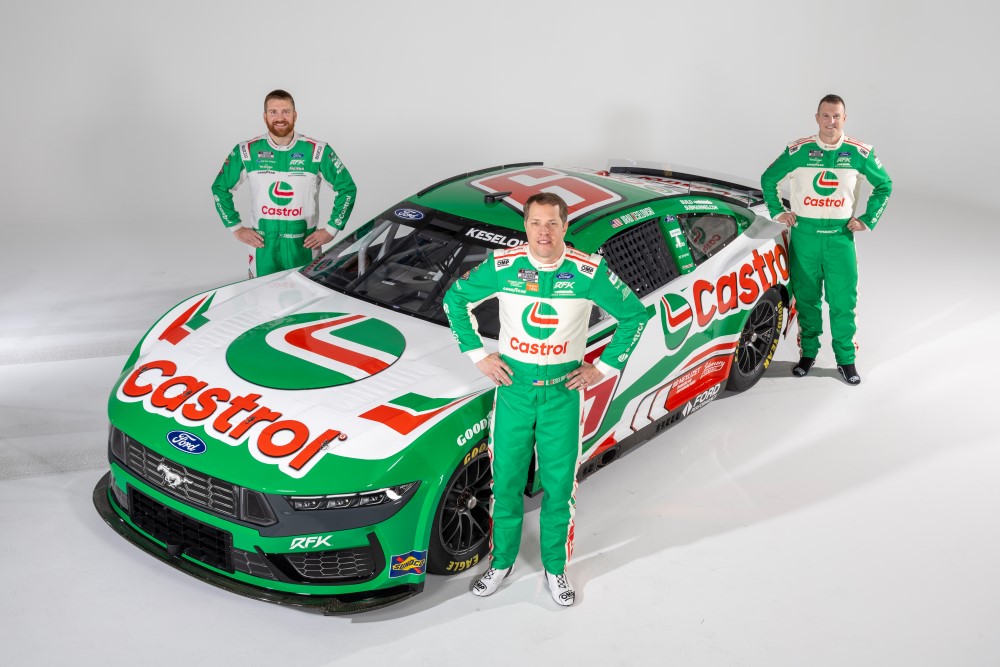
In the high-octane world of NASCAR, where sponsorships can make or break a team’s fortunes, Roush Fenway Keselowski Racing (RFK) finds itself navigating uncertain terrain at the dawn of 2026. The team, co-owned by six-time Cup Series winner Brad Keselowski, had long relied on the steady backing of Castrol, the iconic motor oil brand that powered their engines and adorned their cars since 2019. But as the new year unfolded, whispers of doubt swirled around their partnership, triggered by a massive ownership shakeup at Castrol’s parent company, BP.
–by Mark Cipolloni–
It all started on Christmas Eve 2025, when BP announced it was offloading a 65% majority stake in Castrol to Stonepeak, a New York-based investment firm, in a deal valued at around $6 billion—pushing Castrol’s total enterprise value to a staggering $10.1 billion. BP, grappling with a hefty $26.1 billion in net debt, saw the move as a lifeline, part of a broader $20 billion divestment strategy to slim down and strengthen its balance sheet.
Carol Howle, BP’s interim CEO, hailed the transaction: “We concluded a thorough strategic review of Castrol, which generated extensive interest and resulted in the sale of a majority interest to Stonepeak.” While BP retained a 35% minority share, control would shift to Stonepeak once the deal closed in about a year, transforming Castrol into a joint venture.
For RFK Racing, the news hit like a sudden caution flag. Castrol had been more than just a sponsor; it was a cornerstone of the team’s three-car operation—the No. 6 Ford driven by Keselowski, the No. 17 helmed by Chris Buescher, and the No. 60 piloted by newcomer Ryan Preece.
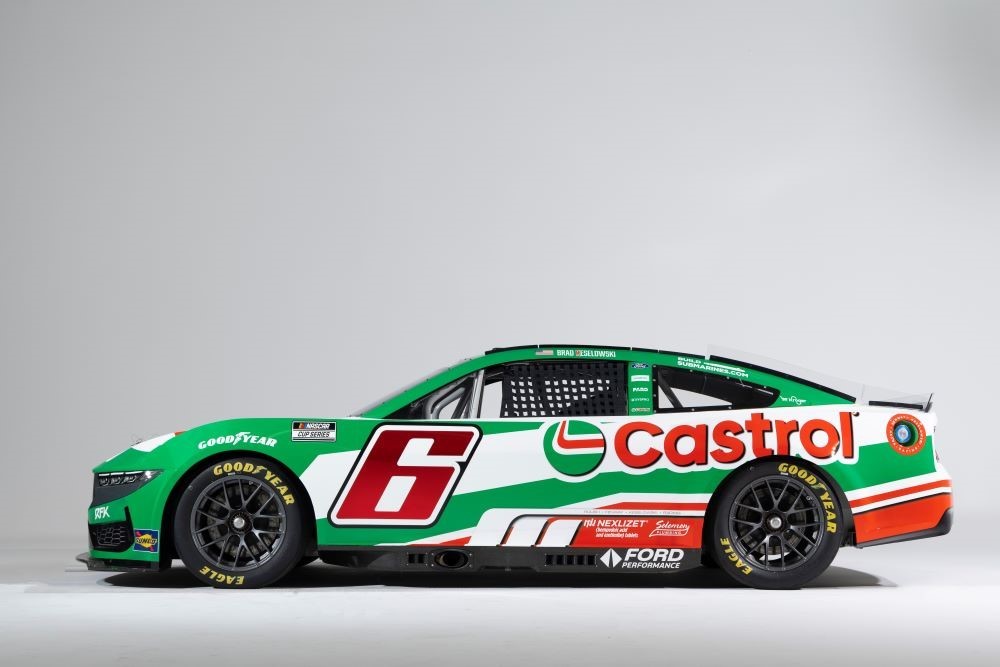
Over six seasons, the partnership had fueled six Cup Series victories, including Keselowski’s triumphant throwback scheme win at Darlington in 2024, and supported consistent playoff runs. Andreas Osbar, CEO of Castrol Americas, reflected on the collaboration’s success: “RFK has been at the forefront of innovation, testing and winning races with our Castrol MoreCircular engine oils since 2022. Putting our products to the test in extreme racing conditions has been critical.”
Yet, the ownership pivot cast a shadow over the future. The current agreement locked in Castrol’s support through the 2026 season, providing RFK with a buffer to revamp and chase victories after a winless 2025 campaign that left them hungry for redemption. But come 2027, when Stonepeak fully assumes the reins, the commitments would expire, forcing RFK to negotiate anew with the investment firm’s leadership.
Insiders noted that without strong on-track results—like a long-elusive Daytona 500 win for the recovering Keselowski, who vowed not to miss the iconic race despite a recent injury—the new owners might balk at renewing, potentially seeking fresher alliances elsewhere.
RFK president Steve Newmark had previously underscored Castrol’s value: “For years now, Castrol has been an integral part of our success both on and off the track. From product superiority to collaborations around sustainability… Castrol has ensured we operate at peak performance.”
As the team geared up for the 2026 opener, bolstered by other sponsors like Kroger and Fastenal, the uncertainty loomed like storm clouds over Daytona. Would Stonepeak see the same synergy that BP had nurtured, or would RFK need to scout new partners to keep their engines roaring? In NASCAR’s relentless pursuit of speed and stability, only time—and perhaps a few checkered flags—would tell.