Formula 1 News: A Preview of the 2026 F1 Season and Its Thrilling Support Acts
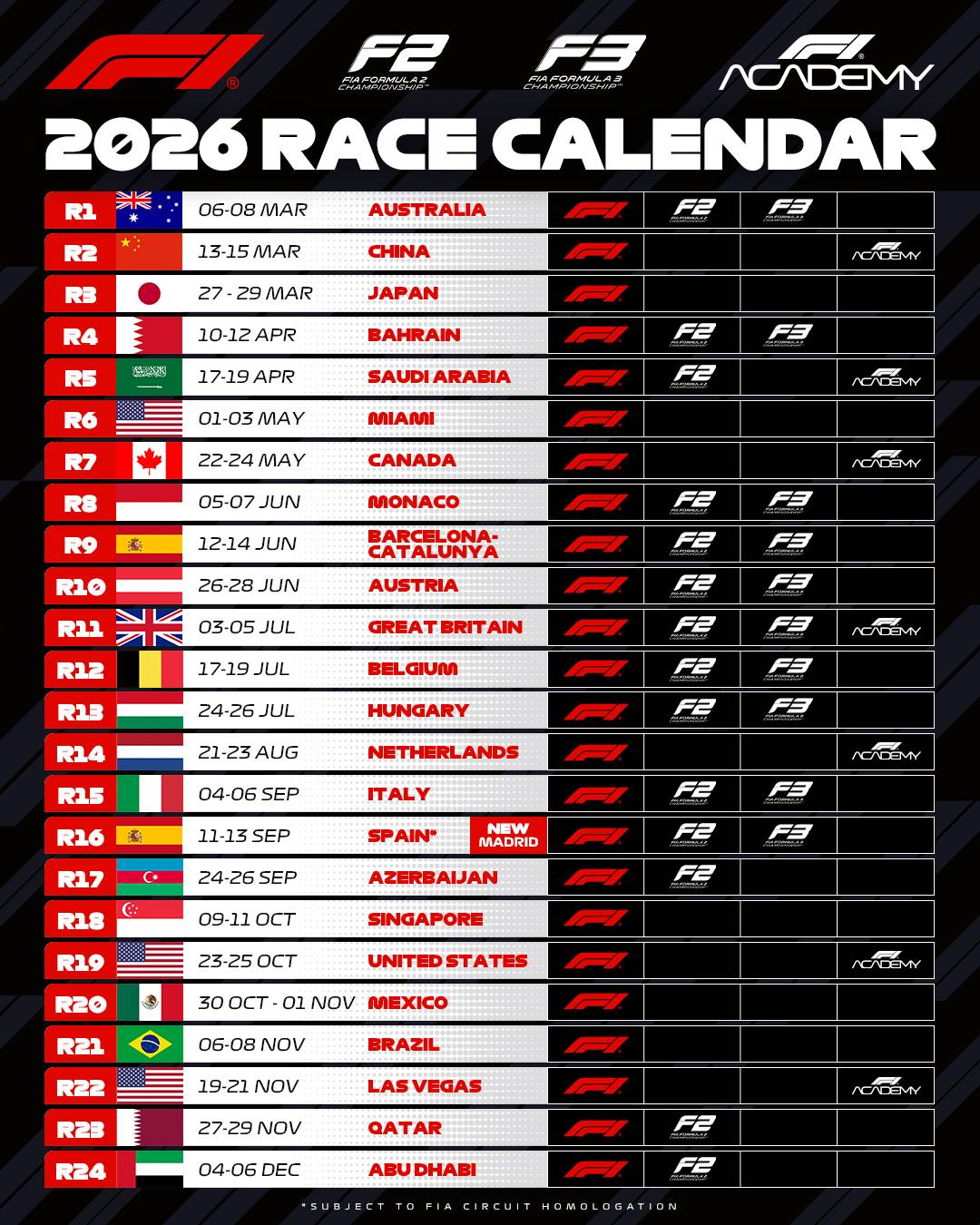
In the high-octane world of motorsport, where engines scream and tires scorch the tarmac, the 2026 Formula 1 calendar stands as a global odyssey of speed, strategy, and spectacle. Announced without fanfare by the official F1 account on X, the schedule promises 24 heart-pounding weekends, crisscrossing continents from the sun-drenched tracks of Australia to the glittering lights of Abu Dhabi.
–by Mark Cipolloni–
But this isn’t just about the pinnacle of racing—F1’s feeder series, Formula 2 (F2), Formula 3 (F3), and the empowering F1 Academy, join the fray on select stops, turning ordinary race weekends into full-blown festivals of talent and ambition.
Imagine the paddock buzzing with young guns battling for glory, all while the F1 stars loom large. Let’s embark on a narrative journey through the season, spotlighting those electrifying moments when the support series rev up alongside the main event.
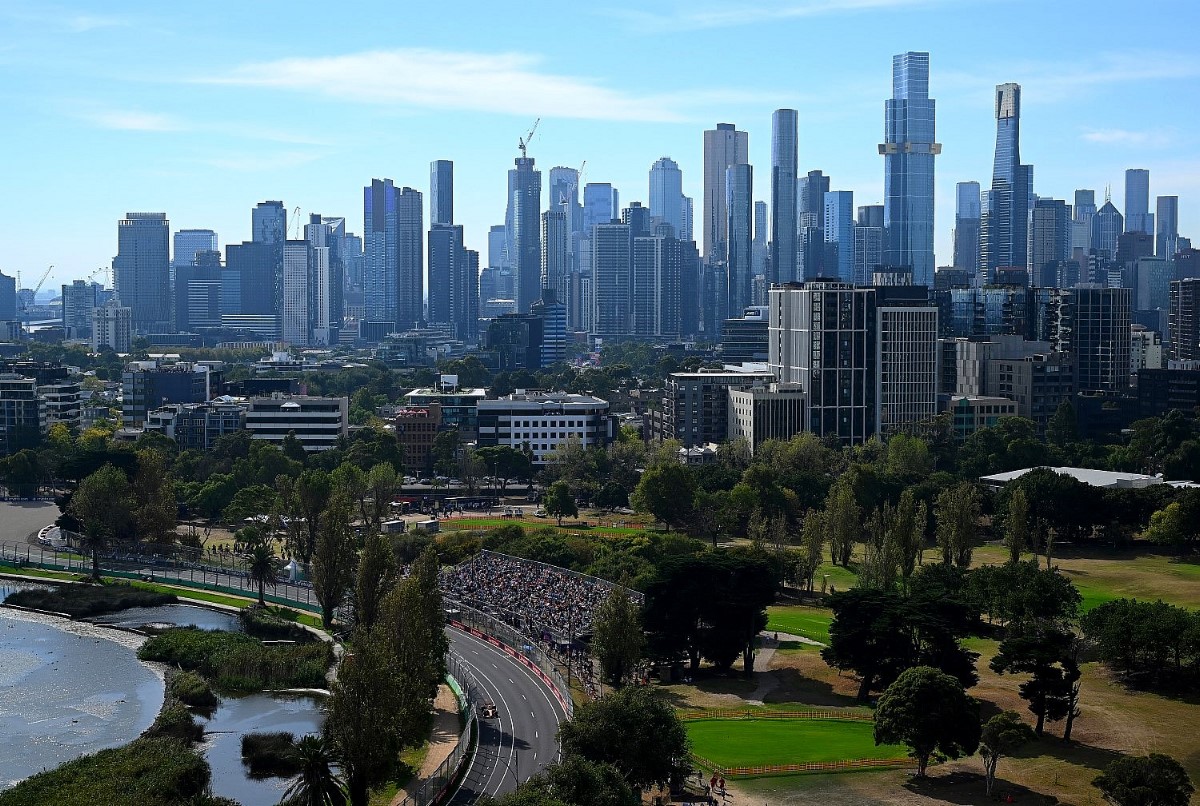
The season ignites Down Under in Melbourne, Australia, from March 6-8, where F2 and F3 kick things off with a bang. Picture this: as the F1 cars glide through Albert Park’s twists, the F2 hopefuls—drivers dreaming of that coveted promotion—duel in sprint and feature races, their aggressive overtakes echoing the raw hunger of the sport’s future. F3 adds to the chaos, with its grid of rising stars navigating the same circuit, setting the tone for a year of relentless competition.
Barely catching our breath, the circus heads to Shanghai, China (March 13-15), where the F1 Academy takes center stage. This all-female series, championing diversity and skill, transforms the weekend into a beacon of progress. Amid the skyscrapers and sweeping turns, Academy drivers push their limits, their races a prelude to F1’s high-stakes drama, inspiring a new generation under the Eastern sun.
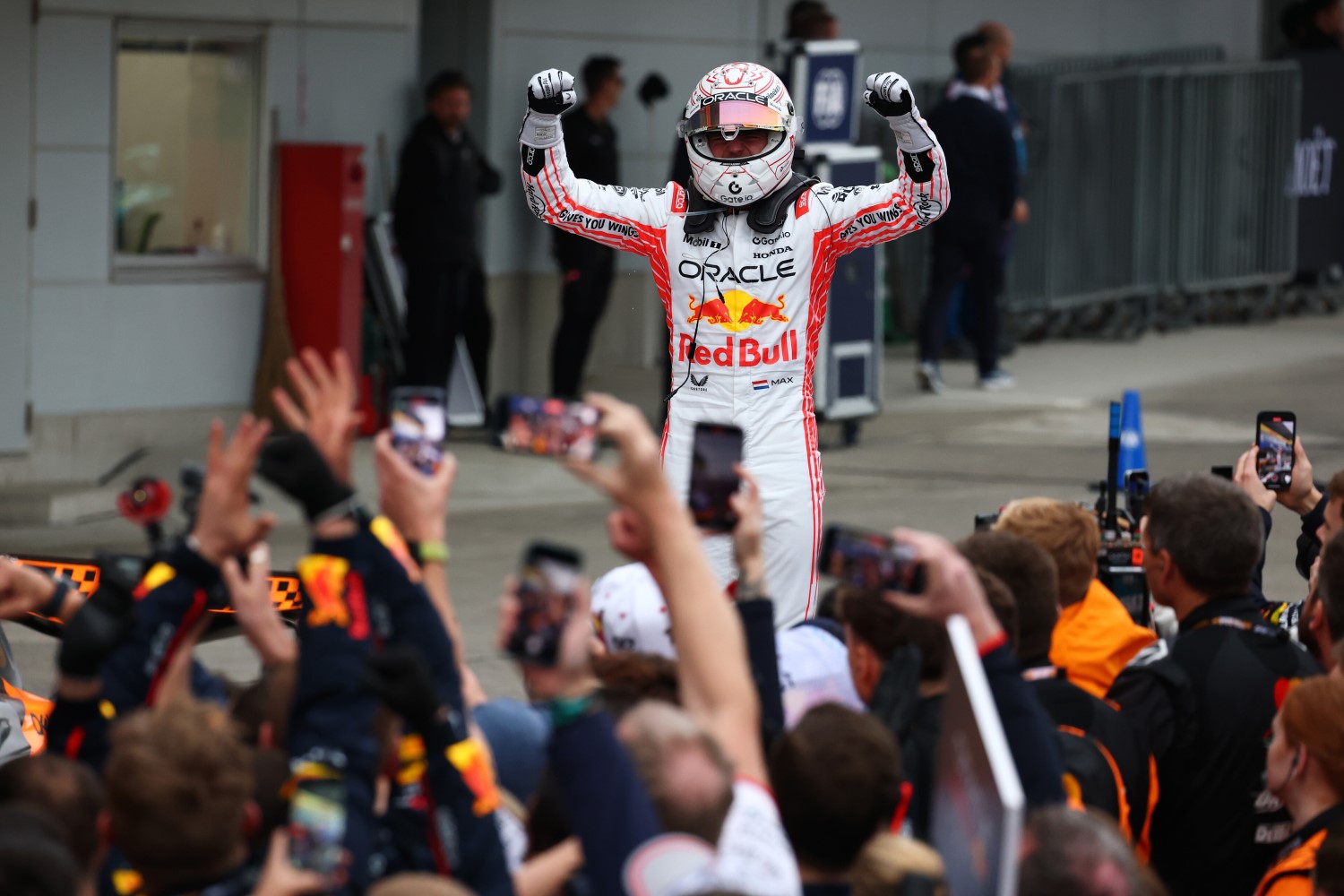
Japan’s Suzuka (March 27-29) stands alone for F1, a purist’s delight with its figure-eight layout demanding precision—no support series here, just the elite battling the elements and each other.
April brings the Middle Eastern double-header. First, Bahrain’s Sakhir (April 10-12) hosts F2 and F3, where night falls and floodlights ignite, amplifying the intensity. F2’s championship contenders emerge early, while F3’s rookies learn the art of survival in the desert heat. Then, Jeddah’s Saudi Arabian street circuit (April 17-19) swaps F3 for the Academy, blending F2’s ferocity with the Academy’s fresh narratives—think daring passes on those high-speed straights, all under the stars.
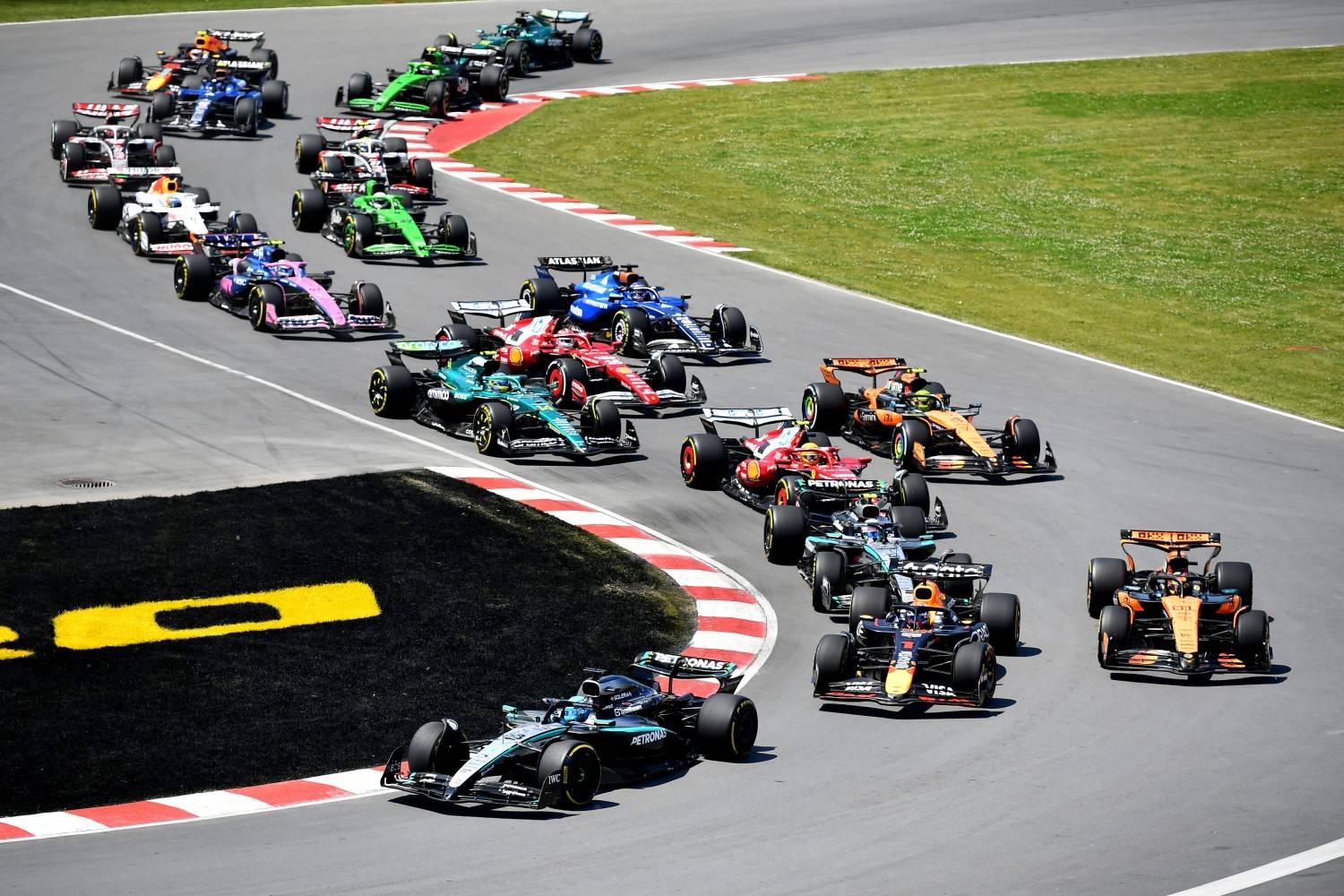
May’s Miami Grand Prix (May 1-3) and Montreal’s Canadian event (May 22-24) are F1 solo affairs, focusing on the glamour of the Americas: celebrity sightings in Miami’s marina and the raw power plays on Circuit Gilles Villeneuve.
June revs up the European leg with Monaco (June 5-7), the jewel in the crown, where F2 and F3 join the opulent chaos. Yachts bob in the harbor as F2 drivers thread the needle through barriers, inches from disaster, and F3 adds layers of unpredictability to the narrow streets. Barcelona-Catalunya (June 12-14) follows suit with F2 and F3, the Spanish sun baking the track as overtakes fly on the long straights.
Austria’s Red Bull Ring (June 26-28) is F1-only, a brief alpine respite before the storm.
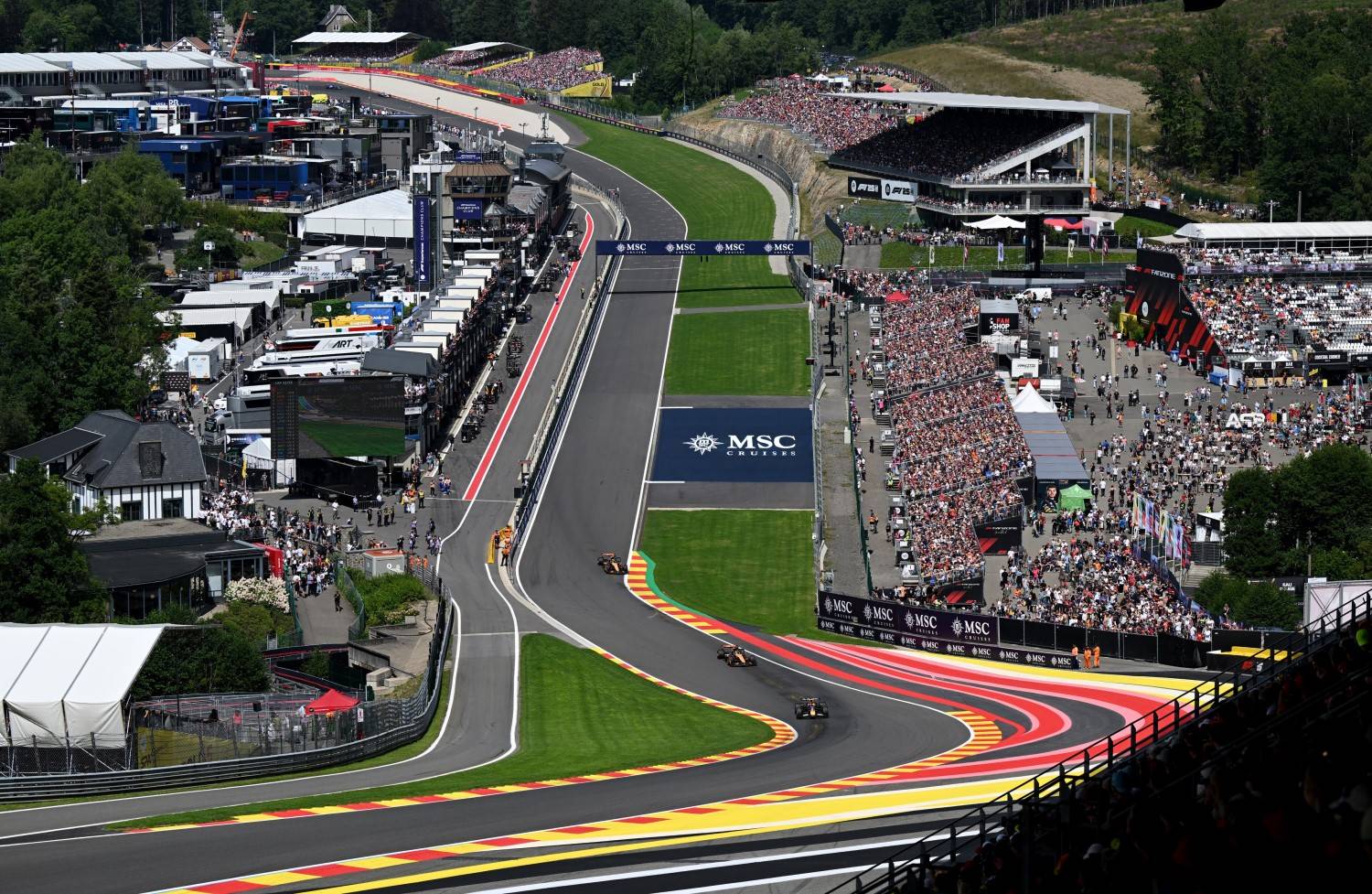
July explodes with action. Silverstone, Great Britain (July 3-5), becomes a triple threat: F2, F3, and the Academy converge, turning the historic circuit into a breeding ground for legends. The British crowd roars as Academy drivers tackle Maggotts and Becketts alongside F2’s wheel-to-wheel wars. Belgium’s Spa-Francorchamps (July 17-19) features F3 and the Academy, where Eau Rouge’s infamous climb tests mettle amid potential rain—pure adrenaline. Hungary’s Hungaroring (July 24-26) brings back F2 and F3, the twisty layout favoring strategy over speed, closing out the pre-summer break with fireworks.
After a brief hiatus, August’s Zandvoort in the Netherlands (August 21-23) spotlights the Academy alone, the Dutch dunes echoing with solo F1 roars and the series’ empowering races.
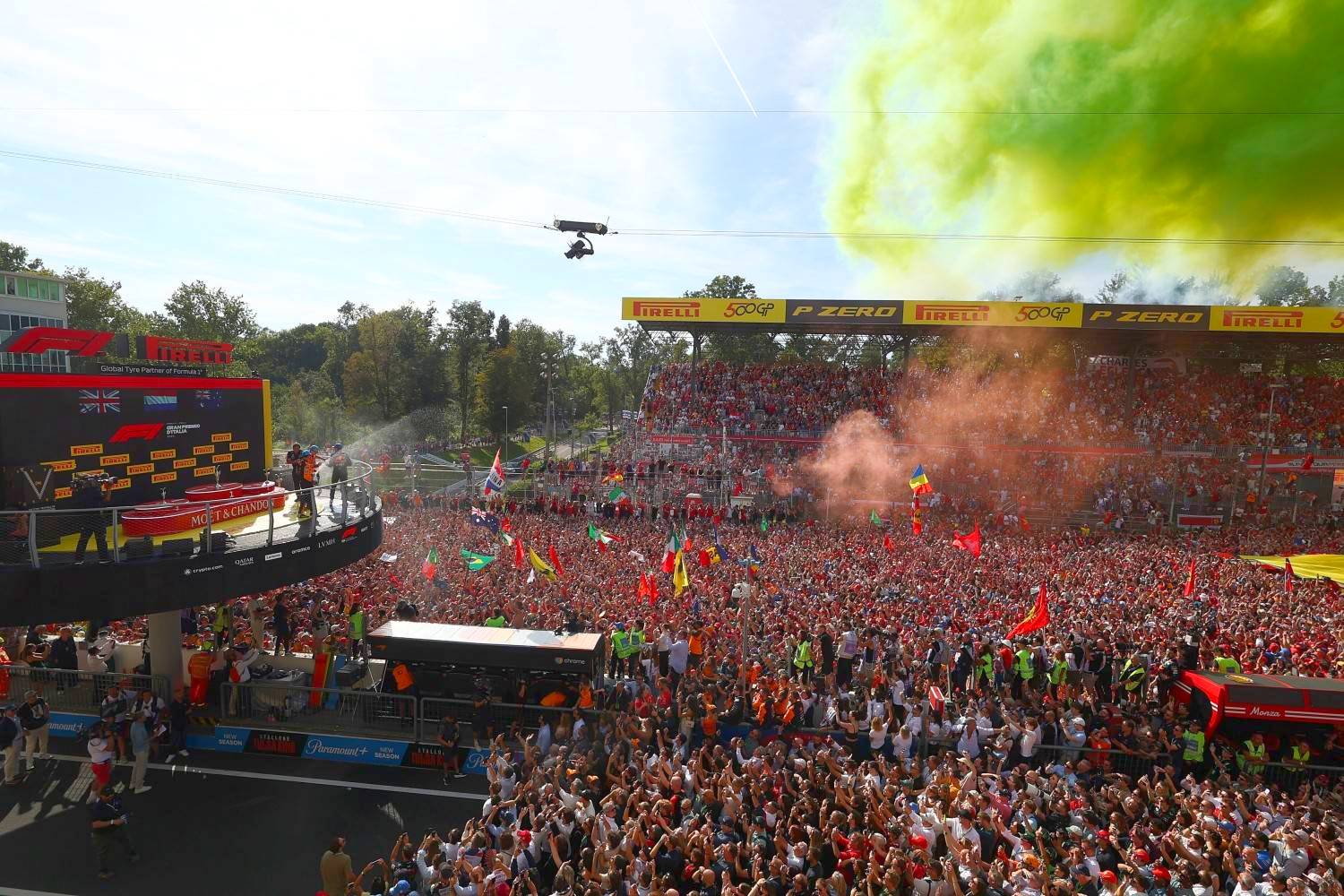
September’s Italian Monza (September 4-6) welcomes F2 and F3 to the Temple of Speed, where slipstreams and daring brakes create chaos. Madrid’s new Spanish venue (September 11-13)—subject to homologation—doubles down with F2 and F3, promising urban thrills in the heart of the city.
Azerbaijan’s Baku (September 24-26) strips it to F2 alongside F1, the street circuit’s walls unforgiving as drivers chase points in the shadow of the Caspian Sea.
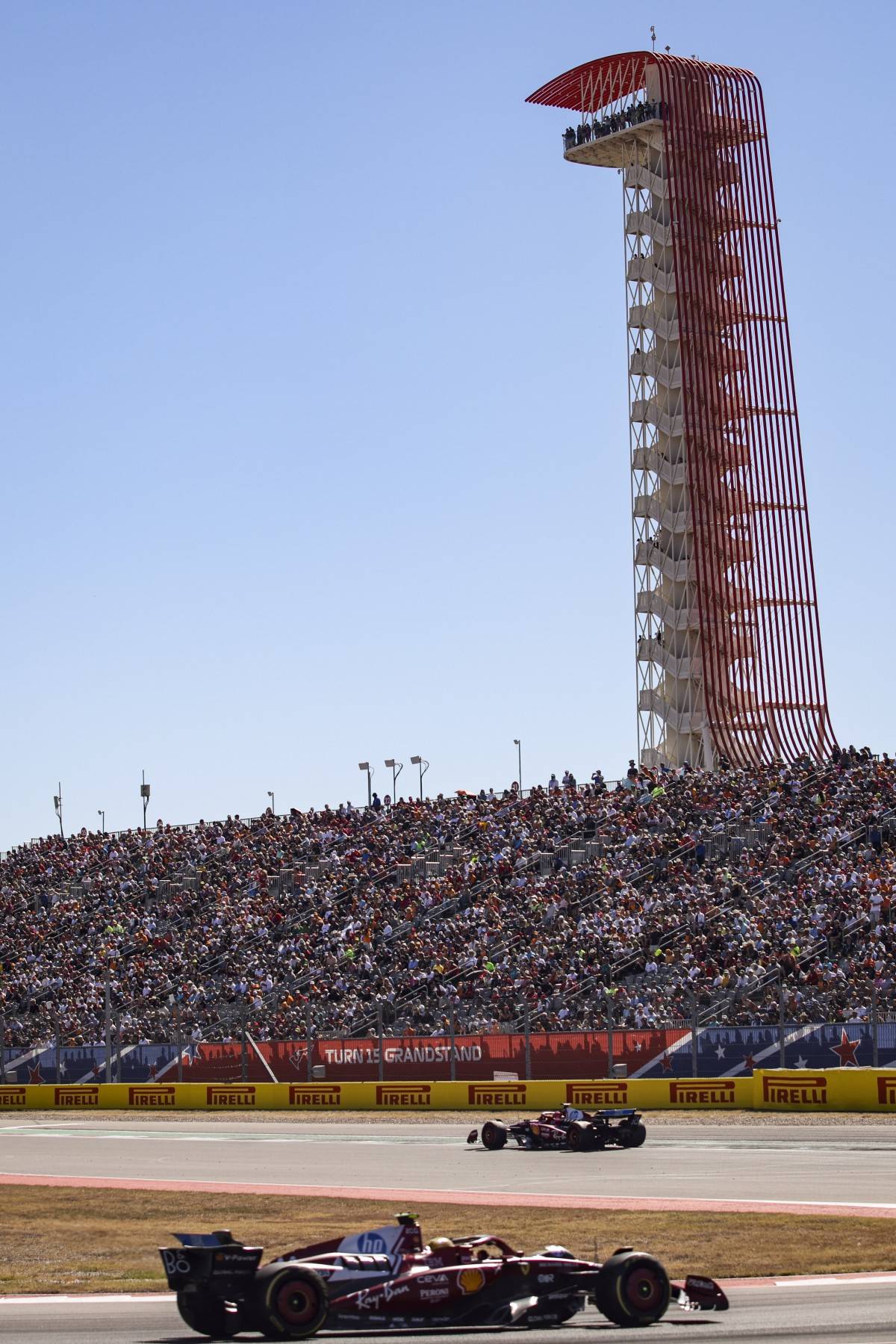
October shifts to Asia and the Americas. Singapore’s Marina Bay (October 9-11) features the Academy under the night lights, humidity testing endurance. Austin’s United States Grand Prix (October 23-25) also hosts the Academy, the Texan twists amplifying the series’ growing footprint.
Mexico City (October 30-November 1) and São Paulo’s Brazil (November 6-8) are F1 exclusives, passionate crowds fueling standalone spectacles.
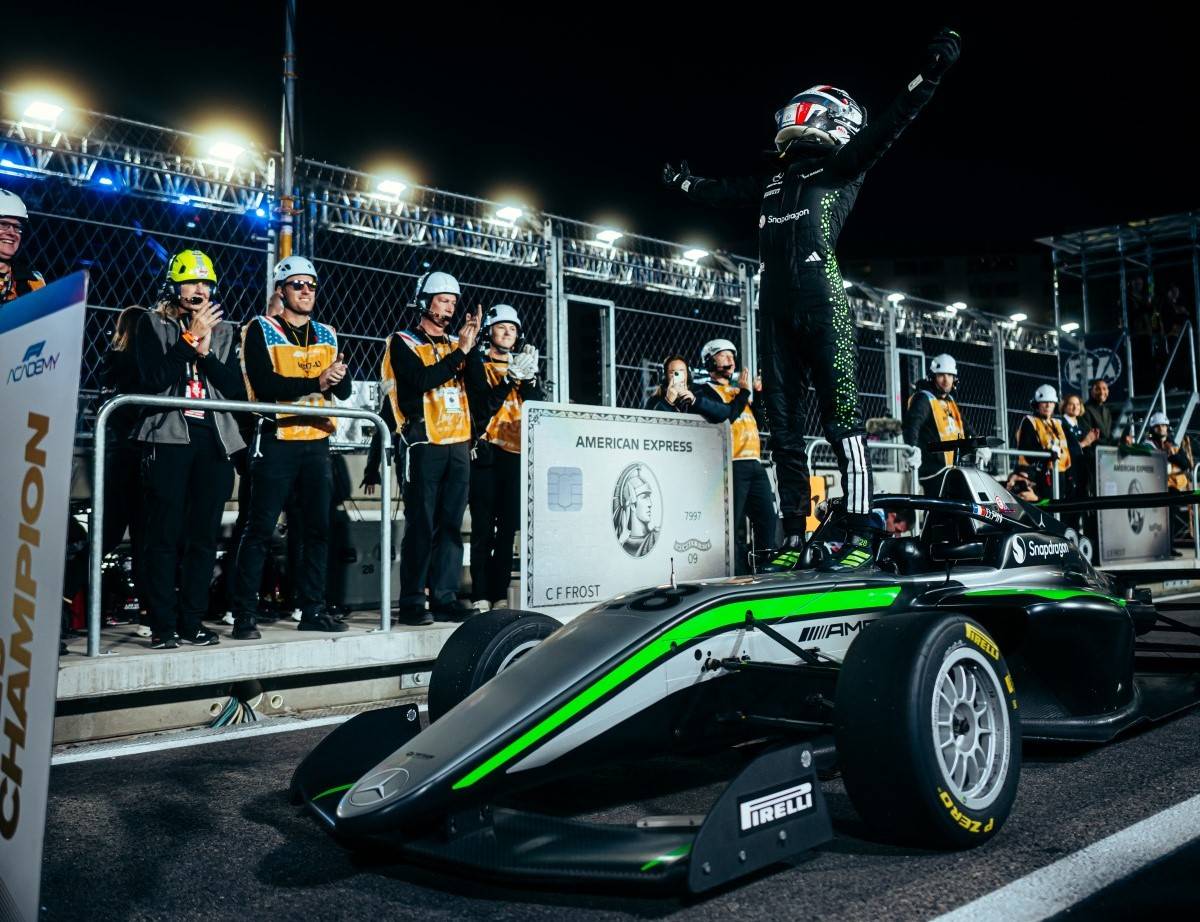
November’s Las Vegas (November 19-21) dazzles with the Academy, the Strip’s neon blending with high-speed drama. Qatar’s Lusail (November 27-29) ramps up with F2 and F3, the penultimate push under floodlights.
Finally, Abu Dhabi’s Yas Marina (December 4-6) crowns the champions, with F2 and F3 joining F1 for a grand finale. As the sun sets on the season, reflections on promotions, heartbreaks, and breakthroughs abound—F2’s top talents eyeing F1 seats, F3 graduates stepping up, and the Academy paving roads for inclusivity.
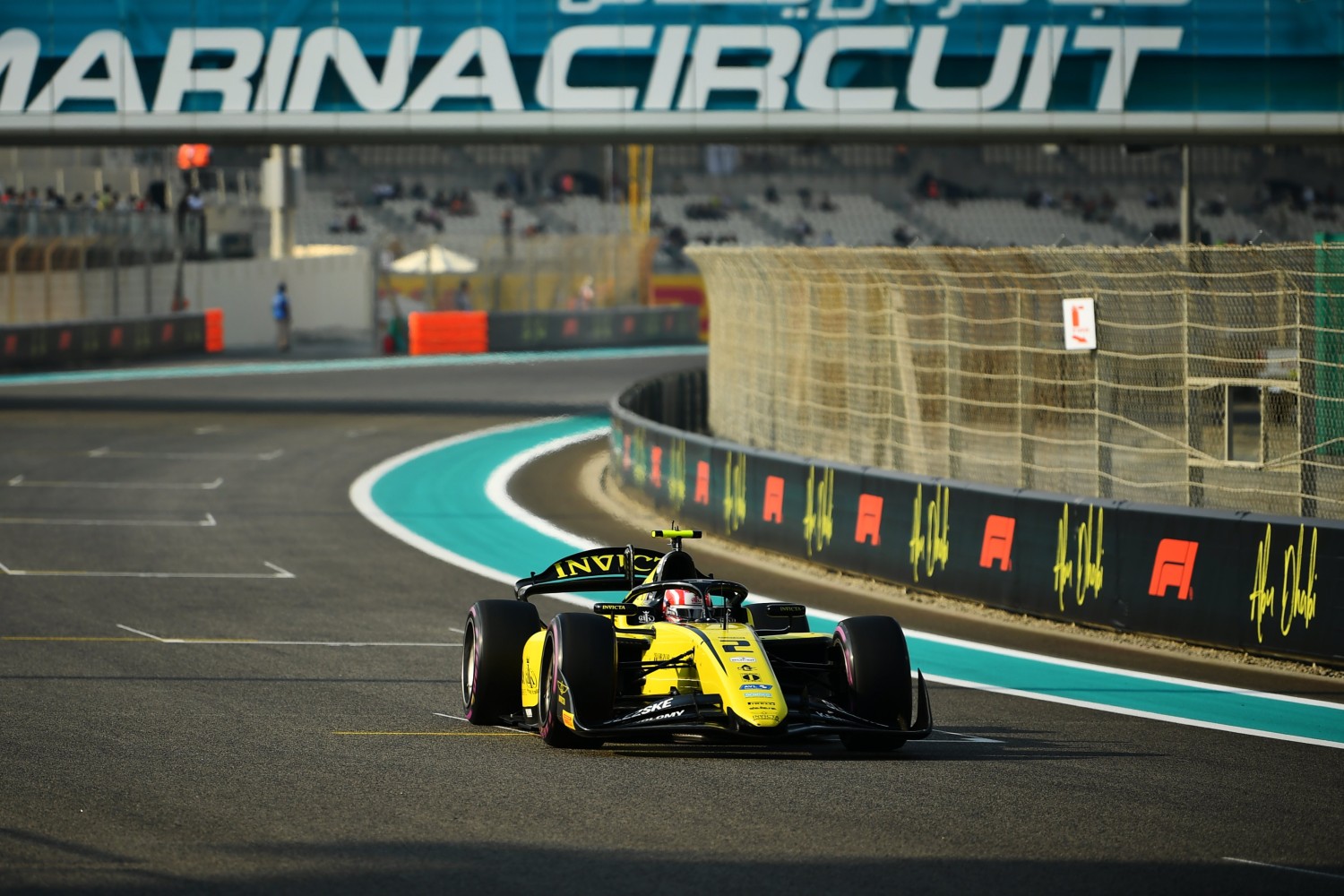
This 2026 calendar isn’t just dates on a page; it’s a story of aspiration, where every support race weekend weaves deeper threads into F1’s tapestry. From Melbourne’s opener to Abu Dhabi’s closer, the action never stops—mark your calendars, because the future of racing is here, and it’s roaring louder than ever.