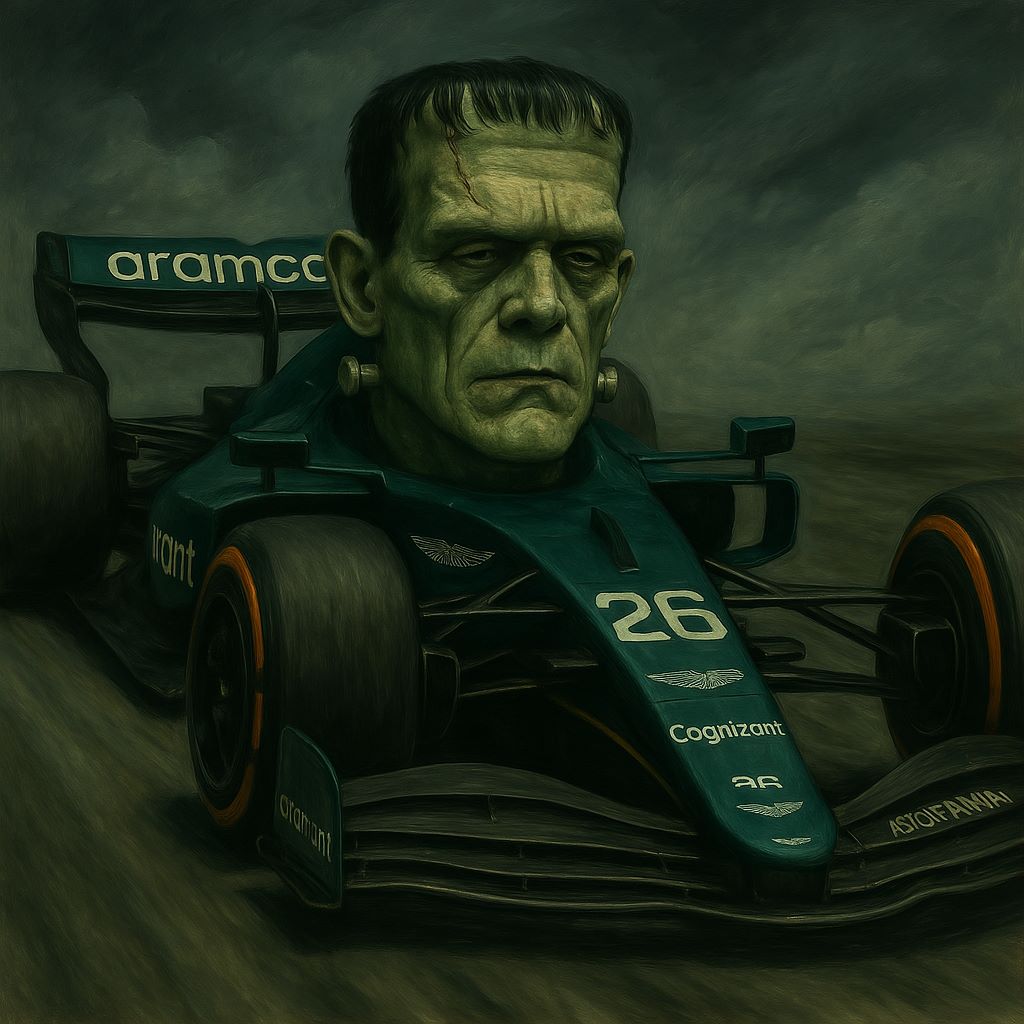
Horner called the 2026 F1 cars ‘Frankenstein Cars’, Symonds calls them a ‘Camel’
As Formula 1 prepares for its sweeping 2026 regulations—introducing power units with a near-50/50 split between internal combustion and electrical power, elimination of the MGU-H, greater electrification, active aerodynamics, and lighter, more agile chassis—criticism from prominent figures has intensified.
–by Mark Cipolloni–
Red Bull team principal Christian Horner first raised alarms in 2023, describing the potential mismatch between power unit and chassis rules as risking “Frankenstein cars.” He highlighted issues like added weight from battery cooling (around 30 kg), drivers potentially lifting or downshifting on straights to recharge batteries, and extreme aerodynamic compromises needed to compensate for energy deficits.
Now, in early 2026, Pat Symonds—former Formula 1 Chief Technical Officer instrumental in the 2022 ground-effect rules and early 2026 planning, before departing to join Cadillac’s F1 program—has delivered a pointed critique of the power unit regulations in an interview with Autocar.

Symonds attributed his frustration with the process to shifting dynamics: “It was a little bit of the frustration that Formula One Management were getting less and less involved in the regulations, very much the FIA and things like the ’26 power unit was not what I wanted it to be.”
Contrasting approaches, he praised the 2022 chassis rules: “When we did the 2022 car we listened to what the teams were saying, but we ruled them with a firm hand… We said, ‘okay, we’re listening to you, but we’re actually going to do this’. We took some of their input… We knew that each one of them had an agenda… This is the advantage of [me] spending so many years as a competitor. So we were quite rigid in what we wanted.”
He noted the outcome: “As a result the 2026 power unit ‘is probably not what I would have liked it to be’.”
On the 2026 process, Symonds said: “With the ’26 power unit, the FIA said it wanted to involve the manufacturers more. Unfortunately, I think it’s like when you get a committee to design a racehorse, you end up with a camel.”
He explained the MGU-H removal: “It was decided to remove that really to try and encourage new manufacturers into the sport, which in some way was successful. Ford came in, Audi came in we’ve got Cadillac come in. Porsche almost came in, they sort of faltered at the last minute.”
His proposed fix: “But once you remove that energy source, if you keep everything else similar, we’ve increased the power of the motors and things, the idea was to replace it with recovering energy from the front axle. If you did that, everything balanced out quite nicely, you weren’t short of energy, you could have a lot more electrification on the car.”
Rejection came due to opposition: “But unfortunately, because of this committee approach to things, one team was very much against front axle recovery. I think the president of the FIA at the time, Jean Todt, thought we were talking about four-wheel-drive, which we weren’t, we were talking about energy recovery. Maybe drive once you’re on the straight but certainly not in the corners, so not a four-wheel-drive, classic, car.”
Symonds concluded: “So, because of this sort of very democratic approach, one of the times when democracy is not good, we ended up with this camel. We’ve ended up with a power unit that’s sparse on energy. Okay, there are ways around it, but they’re not good ways around it… So I wouldn’t say that the ’26 power units ended up the way I wanted. [But] the chassis, the aerodynamics, I think they’re pretty good, the active aero is a good step forward, I think.”
With regulations locked in and development underway, these vivid analogies—Horner’s patchwork monster and Symonds’ committee-compromised camel—highlight persistent concerns over whether the 2026 formula will produce exciting racing or demand last-minute fixes.
How the FIA will react if 2026 F1 racing isn’t good enough
The FIA says it will step in and take action to ensure that overtaking in Formula 1 is neither too difficult nor too hard with the new 2026 rules.
The FIA’s single seater director Nikolas Tombazis, the architect of the 2026 F1 Frankenstein cars said the governing body would keep a close eye on things during winter testing and the early races to ensure that things work in the way intended.
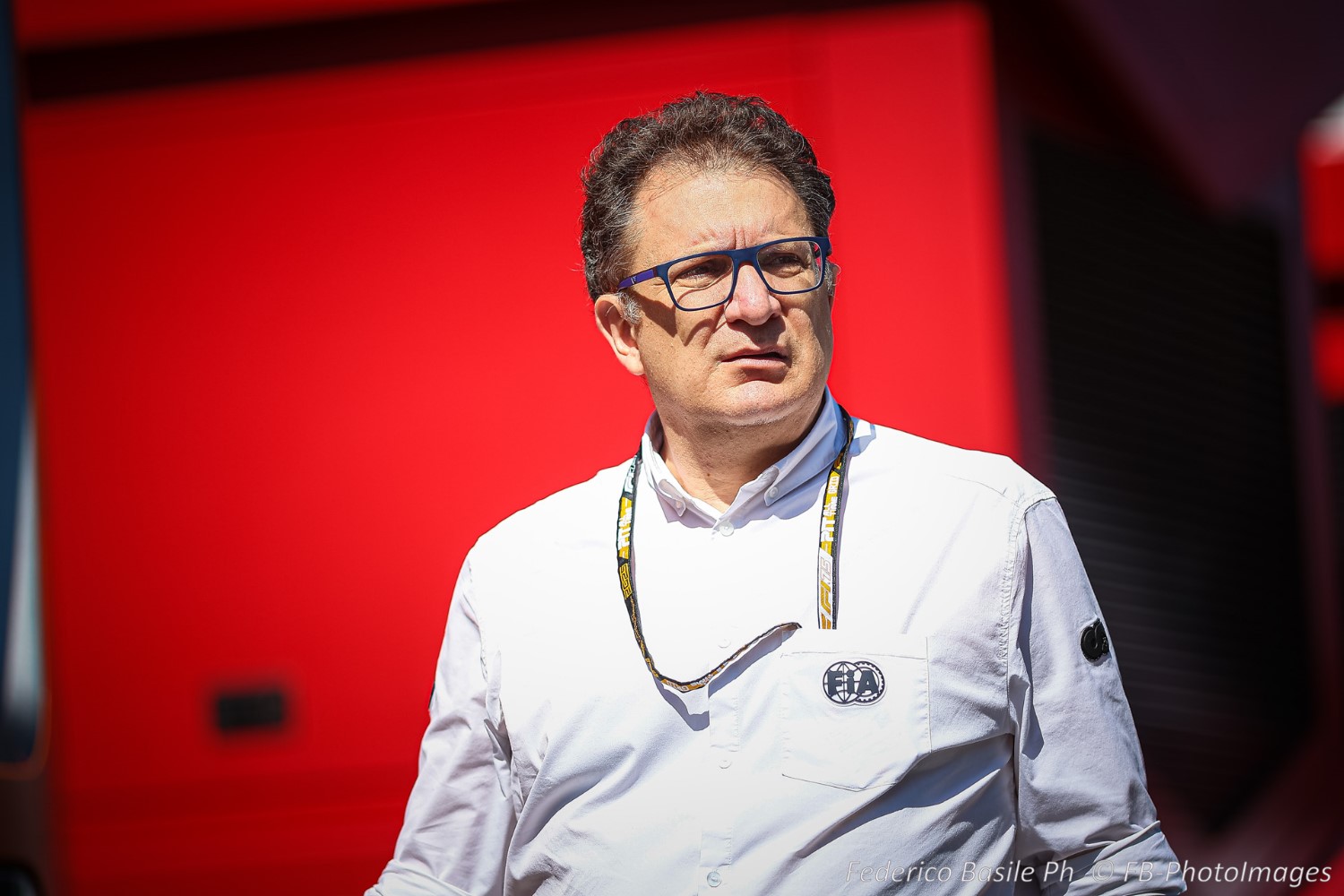
Speaking about the overtake mode in particular, Tombazis said: “We are still fine-tuning that.
“As we’re getting more and more final simulations, we have levers that we can adjust from a regulatory point of view.
“So if we see that overtaking is a bit too difficult, for example, we have levers to make it get a bit easier. Or if we find it is too easy, we have levers to make it a bit more challenging.”
Tombazis said it was important that F1 produced the right balance in terms of passing – as too much overtaking can be just as bad for the spectacle as none at all.
“Overtaking has to be in a narrow window,” he said. “It cannot be too easy. We don’t want cars just driving past each other without having a fight. We always want to have this fight.
“But we also don’t want it to be impossible, so that when they leave the grid after lap one, you know how it is going to finish. We clearly don’t want that either.
“We have ways to go in both directions. And when we get the initial running and final simulations with cars and so on, we may need to take some of those to do some small adjustments.”
“There will be differences in energy that can create a situation where one car is maybe not able to defend the position as well.
“But we believe that, as the teams and the drivers get used to operating in a certain way, they will make sure that they’re not completely vulnerable to a particular situation.
“If suddenly we took these 22 cars and threw them on the grid now and told them to start racing today, I’m sure we would find situations where people are not yet fully prepared or fully optimized in that way.
“But I think once people know how to use that, then they will be able to make sure they’re not like a sitting duck on the straight.”