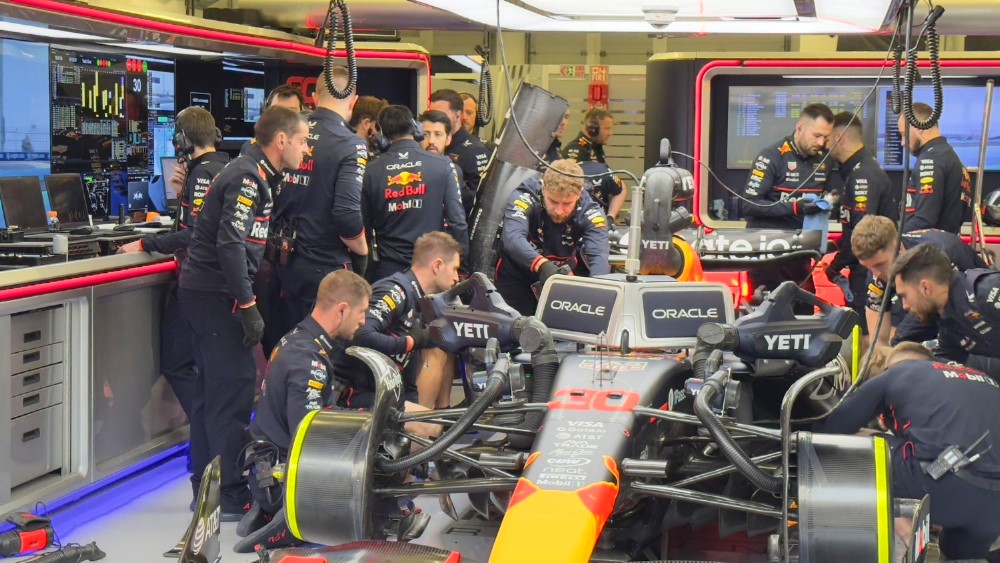
How Formula 1 teams maintain their cars for peak performance
In Formula 1 cars, even a small mechanical failure can destroy months of hard work in no time. The difference between first place and an unfinished race depends a lot on how teams maintain their cars after a difficult race weekend.
Each team spends hundreds of millions every year, but even their best car can become useless due to poor maintenance.
Car preparation and inspection before a race
Before cars are permitted to take the track, they have to undergo a battery of tests. Major components are removed by mechanics and checked for microscopic cracks. Some of the inspections that F1 teams carry out would often dwarf airline maintenance in comparison.
Nothing is left undocumented. Just as carmakers have detailed manuals for road cars, F1 teams also have a digital manual for every iteration of their race car. These list the precise amounts of torque, the sequence in which to tighten fasteners, and how much is too big or small for a measurement.
Between-session maintenance and data-driven adjustments
After each session, computers are connected to the cars to download data for mechanics to study. They sift through thousands of data points on engine temperatures, brake wear and suspension loads, among others to make real-time calls.
The sessions are like rapid-fire. Mechanics frantically swap out parts between practices and qualifying sessions. A maintenance session may consist of: replacing a worn brake component that is near its wear limit, aligning suspension geometry based on driver feedback and data and tweaking the angle of a front wing.
Managing component wear and replacements
Because of F1 regulations, the power unit elements are restricted, which is why strategic maintenance is necessary. Advanced sensors monitor combustion pressures, temperatures of bearings, and the amount of electric load being used by all systems.
Tyres are equally important to keep in good condition. The teams monitor pressures and temperatures across regions of the tire, and damage patterns to find the optimum performance window. They are also in regular conversation with the drivers, discussing how to turn corners and best braking practices to generate as much low heat as possible on the tire surface.
Technical documentation at the highest level
With the kind of machines F1 has today, you’ve got to document a work package, as in aerospace. Teams keep detailed records of each part: when it was made, how many miles it has been driven, stress cycles, and the nature of maintenance work on the part.
They have a perfect routine that they all share to make sure the same work is happening, even when it’s somebody else jumping in to do something.
Websites like eManualOnline provide the same type of service manuals for cars, along with easy-to-follow steps. This helps people work on the car more quickly and accurately, as correct technical information minimizes mistakes.
The teams that do win end up competing for championships. They are the ones racing at the front because they don’t lose any sleep over reliability in their cars, at any speed.