Formula 1 News: How Social Media Changed Formula 1 Fandom
Formula 1 was once a sport built on distance and control. Fans followed races on television, read interviews days later, and accepted limited access as normal. Drivers felt remote, teams appeared polished, and the paddock seemed closed to outsiders. Fandom existed, but it stayed passive and quiet.
That reality changed completely with the rise of social platforms. This shift explains how social media changed Formula 1 fandom in a permanent way. Social media and Formula 1 now exist as one connected ecosystem. Fans no longer wait for access; they expect it daily. Formula 1 fandom evolution turned observers into participants who shape conversation, emotion, and identity around the sport.
Formula 1 Fandom Before the Social Media Era
Before social platforms became dominant, Formula 1 fan culture felt structured and distant. Information flowed one way, from teams and broadcasters to fans. Drivers spoke through carefully prepared interviews. Media narratives moved slowly and felt controlled.
Fan interaction existed, but mostly through magazines, forums, and post-race analysis. Discussion happened days later, not seconds after the incidents. Younger audiences struggled to connect with such a formal environment. Formula 1 felt elite and prestigious, but emotionally distant.
This model created loyal followers but limited expansion. The sport depended heavily on tradition and legacy rather than accessibility. Emotional connection remained shallow for many casual viewers.
Familiar Digital Habits Shape Fan Expectations
Modern fans move easily between entertainment spaces that feel interactive and rewarding. Formula 1 fandom reflects this shift, where constant feedback and engagement feel natural. People respond to systems that offer quick entry points, similar to noticing a Slotozen Casino no deposit bonus codes because it lowers barriers and invites exploration. In the same way, social media makes Formula 1 feel open and accessible. Familiar digital habits shape how fans expect connection, access, and value from the sport.
The Shift Toward Constant Digital Access
The first change came through online forums and early digital platforms. Fans began discussing races together in real time. Small communities formed, but access to teams and drivers stayed indirect.
The real transformation arrived when social platforms enabled instant sharing, short videos, and direct communication. Photos, behind-the-scenes clips, and quick reactions changed expectations. Fans no longer accepted delayed access. Social media and Formula 1 started merging into one continuous experience.
Speed replaced waiting. Personality replaced formality. The sport entered everyday life instead of appearing only on race weekends.
Daily Connection Changed the Nature of Fandom
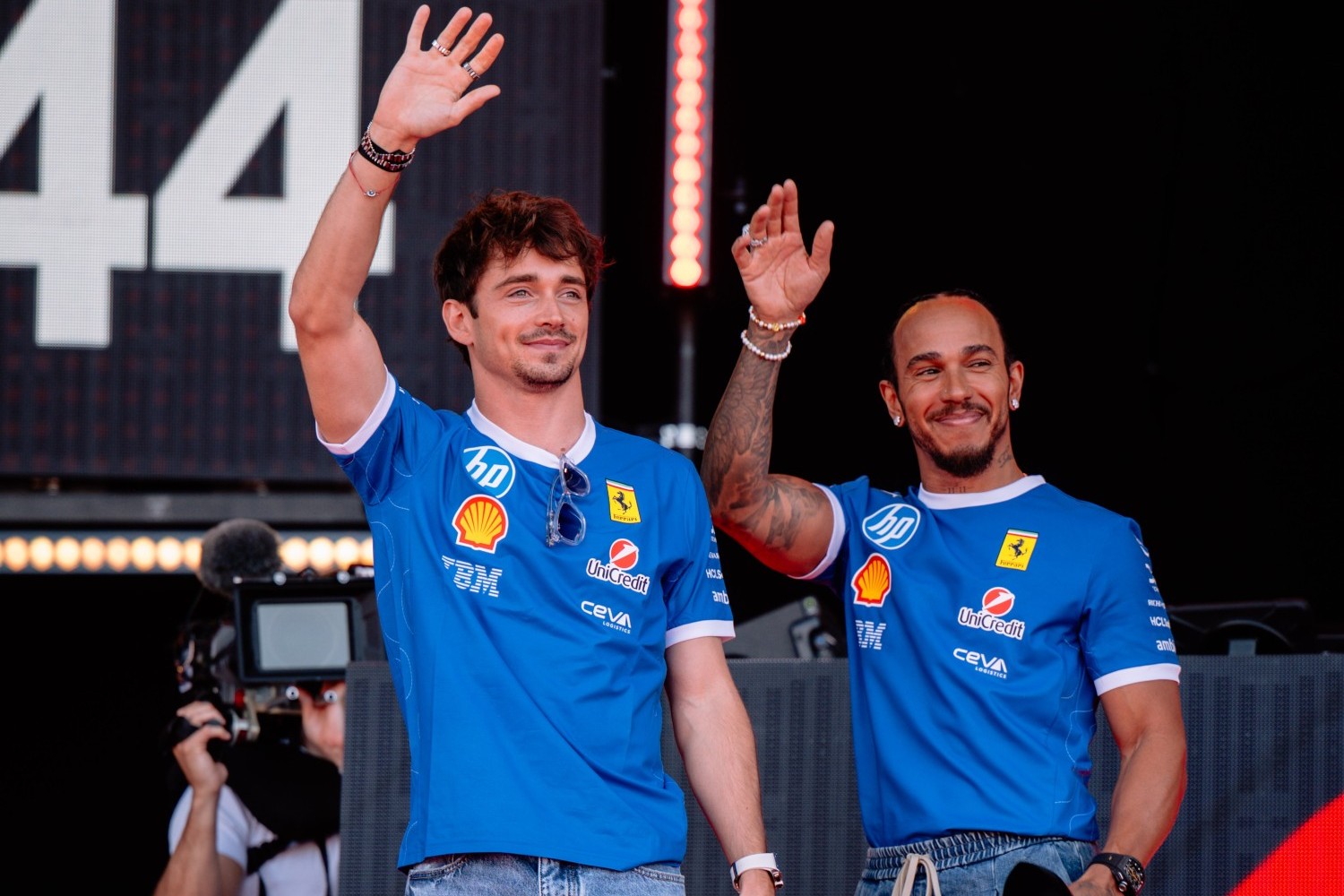
Today, Formula 1 lives online every day. Fans see drivers training, traveling, joking, and reacting to wins or losses. Content flows constantly and keeps attention alive between races.
F1 fans on social media follow routines, emotions, and personalities, not just lap times. Formula 1 social media impact extends beyond competition itself. Daily exposure creates familiarity, and familiarity builds loyalty. The sport no longer disappears between Sundays.
This steady rhythm reshaped expectations. Fans now feel entitled to access, context, and personality. Silence feels unusual rather than normal.
Drivers Became Relatable Figures Instead of Distant Icons
While Netfix’s Drive to Survive was a big boost to F1 driver popularity, one of the biggest changes also came through driver visibility. Drivers now share hobbies, humor, frustrations, and opinions. Fans see imperfections alongside success.
This exposure reshaped loyalty. Many supporters follow drivers first and teams second. Modern Formula 1 fandom prioritizes connection over tradition. Personality matters as much as performance.
Repeated exposure builds emotional attachment. Drivers feel familiar rather than symbolic. That familiarity keeps fans engaged even during poor results.
Teams Learned to Speak the Language of Fans
Teams adapted quickly to digital culture. Corporate messaging softened. Humor, memes, and fast reactions replaced polished statements.
This change reshaped Formula 1 fan culture. Fans respond better to honesty and personality than formality. Teams gained distinct identities beyond performance. Online presence became part of competitive relevance.
A strong social voice now matters almost as much as race strategy.
Memes and Short Content Redefined Conversation
Memes became a shared language inside Formula 1 fandom. Moments transform into jokes within seconds. Fans actively create culture instead of consuming it.
This lowered entry barriers. Understanding technical details became optional at first. Humor sparked curiosity. Formula 1 fandom evolution accelerated through shareable content.
Memes also democratized participation. Anyone could contribute meaningfully, regardless of expertise.
Younger Audiences Found Formula 1
Social platforms opened Formula 1 to younger fans. Short videos fit modern attention habits. Clips traveled far beyond traditional motorsport audiences.
Many new fans discover drivers before racing itself. Personality leads, sport follows. Modern Formula 1 fandom grows through curiosity rather than heritage.
This shift forced Formula 1 to rethink presentation, pacing, and storytelling.
Real Time Interaction Changed How Races Are Experienced
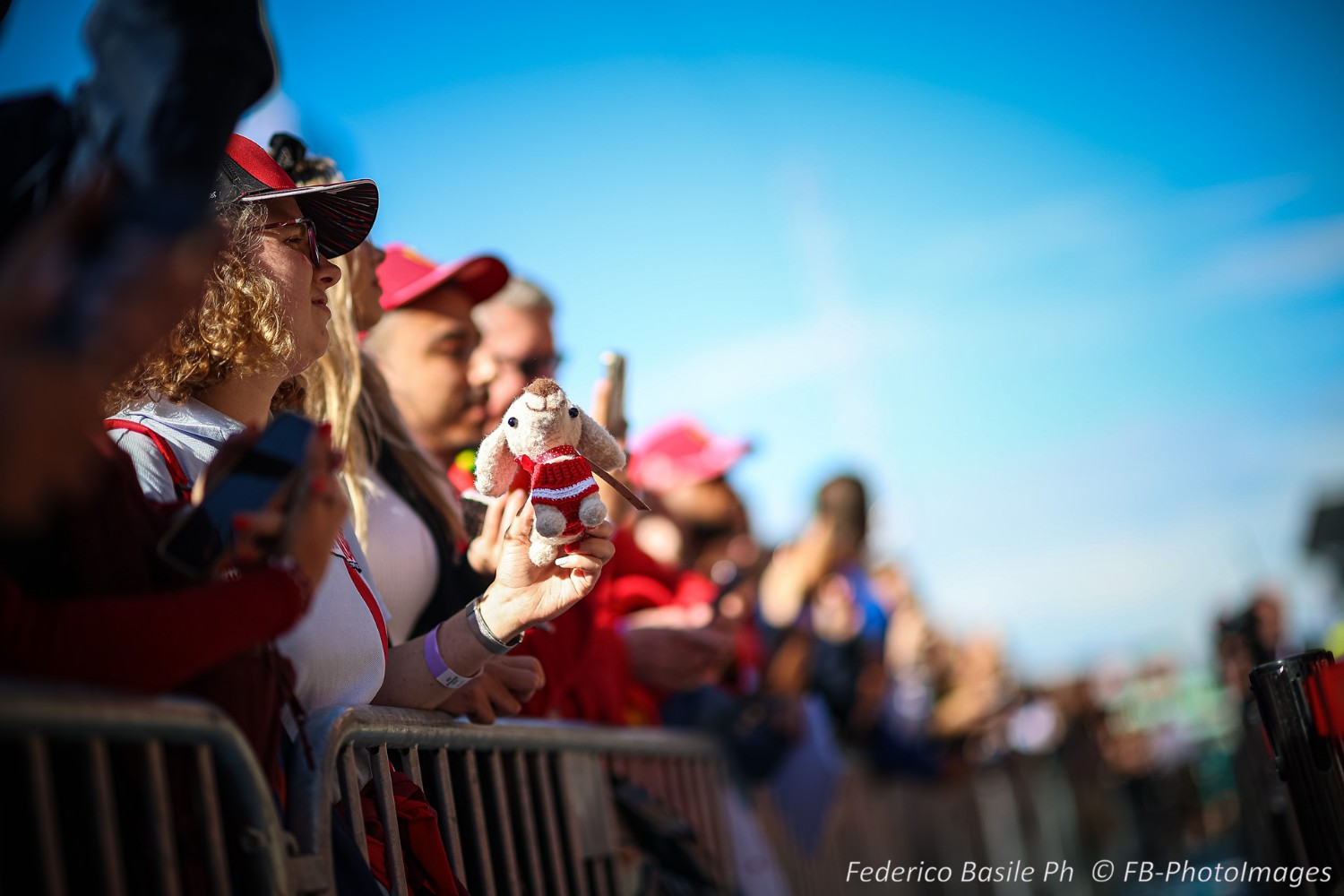
Fans now react instantly during races. Social feeds explode after crashes, penalties, or overtakes. Emotions spread globally in seconds.
This real-time engagement intensifies connection. Fans feel part of the event rather than observers. Formula 1 social media impact transformed race viewing into a shared experience.
Watching became communal again, just in digital form.
Behind the Scenes Access Built Emotional Trust
Behind-the-scenes content reshaped perception of the sport. Fans see stress, preparation, disappointment, and recovery. Vulnerability replaced mystery.
This transparency humanized Formula 1. Formula 1 fan culture now values openness. Trust grew through repeated honesty.
Fans understand pressure better, even when criticism still exists.
Narrative Control Shifted Away From Traditional Media
Social platforms changed who controls the stories around Formula 1. Drivers and teams now speak directly to fans without filters. Messages travel instantly and feel more personal. This shift redistributed authority across the sport. Fans judge authenticity themselves instead of relying on intermediaries. Social media and Formula 1 created direct relationships that feel immediate and human. Traditional media now reacts and interprets rather than dictates the narrative.
Global Fan Communities Formed Naturally
Geographic barriers disappeared. Fans connect worldwide instantly. Shared passion creates fast community bonds.
Time zones matter less. Visual language bridges gaps. Formula 1 fandom evolution created global conversation spaces.
Fandom became constant rather than seasonal.
Emotion Now Drives Engagement
Emotion defines modern Formula 1 fandom more than statistics alone. Fans celebrate victories, argue decisions, and grieve losses together online. Shared reactions deepen attachment and create strong community bonds. Wins feel collective because thousands experience them simultaneously. Losses feel personal because disappointment spreads instantly. Social platforms amplify emotion in real time, making feeling matter as much as performance.
Commercial Value Quietly Changed
Sponsors now track engagement as closely as race results. Drivers with strong social presence attract partnerships more easily. Popularity carries real financial weight in modern motorsport. Social media and Formula 1 reshaped economics in subtle but lasting ways. Influence matters alongside lap times when building market value. Career value expanded beyond the track, creating new paths for long-term success.
Education Became Casual and Accessible
Fans now learn rules, strategy, and history through short, engaging content. Education feels effortless rather than academic or intimidating. Curiosity grows naturally as clips spark simple questions. Formula 1 fandom evolution includes knowledge spreading without pressure to study deeply. Repetition builds familiarity over time. Understanding deepens through everyday exposure instead of formal learning.
Inclusion Expanded Fan Identity
Social platforms created space for voices that once felt excluded from motorsport culture. Fans from different backgrounds now share perspectives openly. Representation increased visibly across communities and media spaces. Formula 1 fan culture broadened beyond old stereotypes tied to age or geography. New perspectives enriched conversation and challenged outdated assumptions. Belonging expanded as fans saw themselves reflected in the sport.
Constant Exposure Brought New Challenges
Visibility brings pressure that did not exist in earlier eras. Mistakes spread quickly and live forever online. Criticism intensifies because reaction happens instantly and publicly. Drivers face nonstop attention, even outside race weekends. Mental strain increased as private moments became content. Formula 1 social media impact includes emotional cost that teams now manage carefully. Finding balance between access and protection remains difficult for everyone involved.
Algorithms Shape What Fans See
Platforms reward engagement, not balance. Content that sparks strong reactions travels faster than thoughtful analysis. Controversy spreads quicker than nuance because emotion drives clicks and shares. As a result, narratives often tilt toward drama rather than depth. Social media and Formula 1 now adapt to attention economics, where visibility depends on reaction speed. Over time, repeated exposure shapes perception, influencing which drivers, moments, and stories feel most important to fans.
What Never Changed
Racing still defines legacy, no matter how digital the environment becomes. Titles, victories, and consistency on track remain the ultimate measure of greatness. Competition still matters most because results shape history in a way no online presence can replace. Social platforms amplify moments, but they do not create them. Formula 1 fandom evolution layered connection over passion rather than replacing it. At its core, Formula 1 remains a sport driven by speed, risk, and performance, and that foundation continues to hold everything together.
Conclusion
Social platforms permanently reshaped how fans experience motorsport. That is how social media changed Formula 1 fandom so deeply. Access expanded, voices multiplied, and emotion intensified. Social media and Formula 1 now exist together daily. Formula 1 fandom evolution transformed spectators into participants. Modern Formula 1 fandom feels personal, global, and constantly alive.
FAQs
Why did social media help Formula 1 grow?
It made drivers relatable and access constant.
Did fan loyalty change?
Yes, personality now matters alongside teams.
Is fandom more emotional now?
Yes, shared reactions amplify feeling.
Do drivers benefit financially from social media?
Strong presence attracts sponsors.
Can Formula 1 exist without social media today?
No, digital connection became essential.