Lewis Hamilton: The Ghost of Abu Dhabi and the Lonely Man in Red
As the paddock shakes off the holiday hangover and braces for the launch of the radical 2026 regulations, a heavy question hangs over the Ferrari factory in Maranello. It isn’t about the new active aero systems, and it isn’t about the contentious 50/50 power unit split. It’s about the man in the cockpit of car number 44.
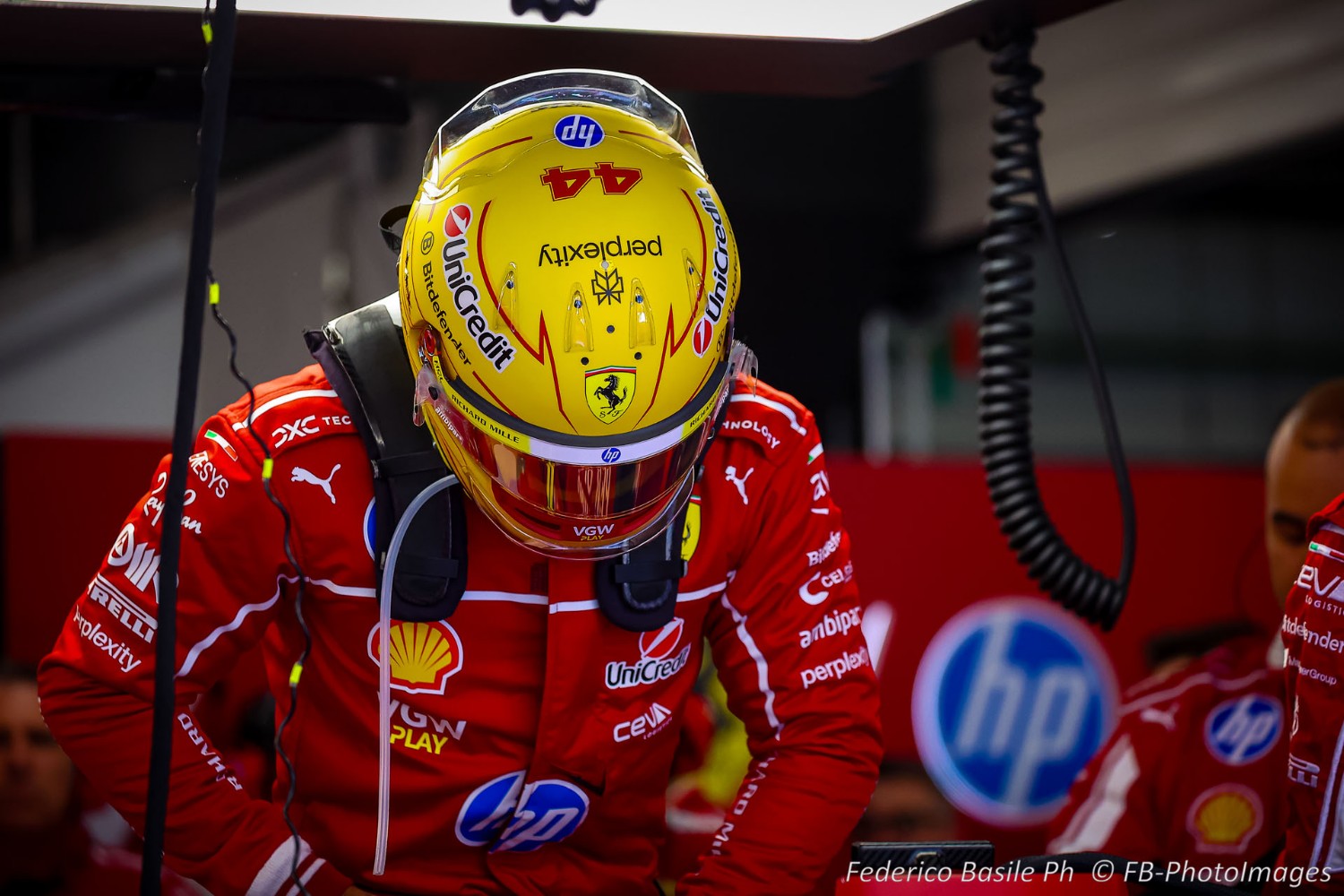
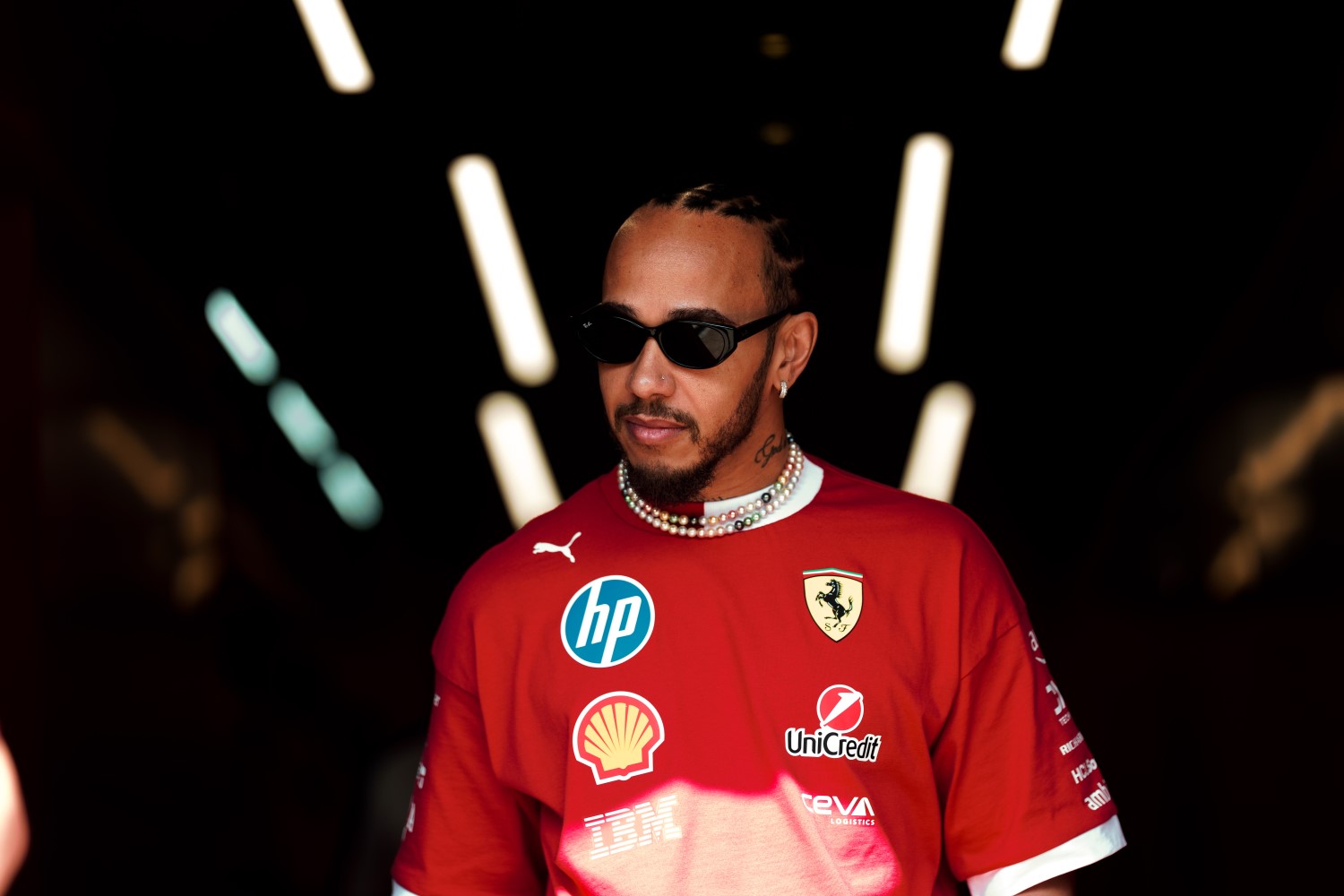
Lewis Hamilton turned 41 last week. By all accounts, his first season in scarlet – the fabled “romantic final chapter” that was supposed to rival Fangio and Schumacher – was less of a fairytale and more of a gritty, uncomfortable reality check. Outqualified by Charles Leclerc 19-5, plagued by setup gremlins that saw him chasing his tail on Friday nights, and finishing a distant fourth in the standings without a single win to his name, the 2025 campaign didn’t just fail to deliver the instant gratification the Tifosi were promised; it actively dismantled the aura of invincibility that once surrounded the Briton.
Which forces us to ask the uncomfortable question that has been whispered around the paddock since that race in December 2021: Should he have just walked away?
The Perfect Exit Ramp
History offers very few perfect exit ramps for sporting giants. Usually, they stay too long, their skills eroding in public view until the applause turns to polite pity. We saw it with Michael Jordan in a Wizards jersey; we saw it with Muhammad Ali shivering against Trevor Berbick. But Lewis Hamilton had the rarest of commodities in his hand on the evening of December 12, 2021: a martyr’s exit.
He had driven the perfect season. He had been robbed (rightly or wrongly, depending on your allegiance) by a bureaucratic roll of the dice in the final lap at Yas Marina. The narrative was written for him. If he had dropped the mic right then – walked away into the fashion world or Hollywood with his seven titles intact and his moral high ground absolute – he would have been immortalized as the undisputed GOAT who was too good for the system. He would have been the James Dean of motorsport: forever frozen in a moment of tragic perfection, untainted by decline.
Instead, he came back. He chose to fight. And while that competitive fire is what made him a legend, it may also be what is currently unraveling his legacy.
The Gambler’s Fallacy
Watching Hamilton gear up for his 20th season, despite the crushing frustrations of last year, brings to mind the psychology of a high-roller who doesn’t know when to cash out. We’ve all seen it on the casino floor. The player who hits a massive jackpot early in the night, loses a tough hand, and then spends the next four hours obsessively feeding the machine, convinced that the next spin will restore the glory. Every single sister site website will tell you that this is a bad idea and will provide you with plenty of reasons as to why, but gamblers just don’t take the hint. Lewis might be one of them.
Hamilton is currently standing at the roulette wheel of Formula 1, staring at a stack of chips that is slowly dwindling. The 2022 regulations were a bad spin – the Mercedes W13 was a bouncing, bruising disaster. The 2024 W15 was a break-even hand that offered false hope. The move to Ferrari in 2025 was the “all-in” shove – a massive, calculated risk that relied on the Prancing Horse finally getting its act together.
But the casino of Formula 1 is unforgiving, and the “House” always has an edge. In this case, the “House” is Father Time, and the dealer is a teammate like Charles Leclerc, who is in his prime, blisteringly fast over one lap, and deeply embedded in the Ferrari infrastructure.
There is a specific melancholy in watching a great champion continuing to pull the lever, hoping that the three sevens will line up one last time for that elusive eighth title. It stops looking like determination and starts looking like the gambler’s fallacy – the mistaken belief that because luck has deserted you for so long, it is “due” to return. But the machine doesn’t care about what you are due. It only cares about the physics of the car and the reaction times of the driver. right now, neither are paying out.
The 2025 Reality Check
The numbers from 2025 are stark. An 86-point deficit to his teammate is not a margin that can be explained away by “bad luck” or “strategy errors.” It’s a fundamental pace deficit.
Throughout the season, we saw a recurring pattern. Leclerc would extract the maximum from the SF-25 in qualifying, putting it on the front row. Hamilton would struggle with tire temperature, qualify P5 or P6, and then spend his Sunday stuck in dirty air, complaining about balance. The “tire whisperer” reputation that served him so well in the Pirelli era seemed to evaporate as he struggled to adapt to the Ferrari’s inherent understeer characteristics.
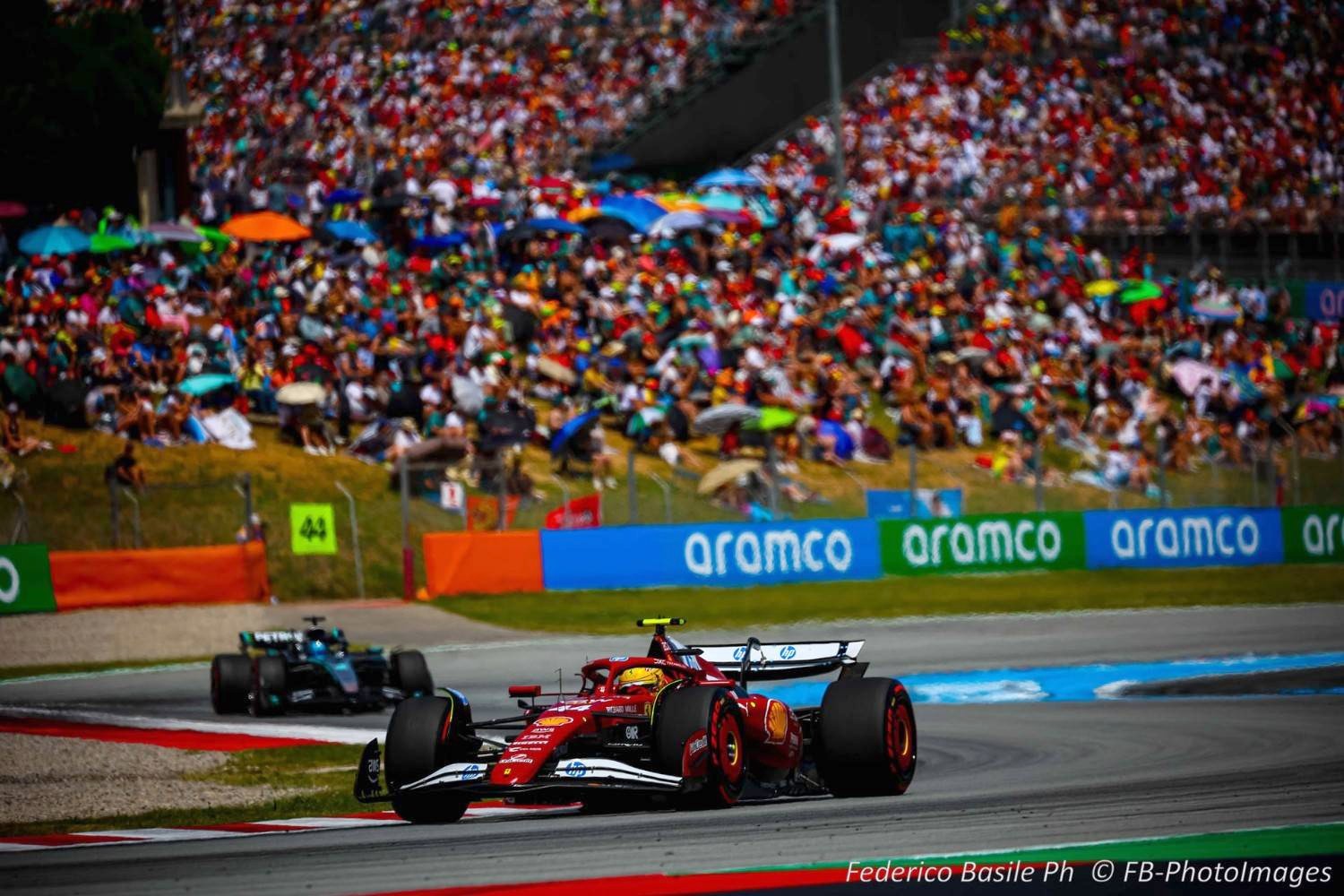
The “romantic” move to Ferrari was supposed to rejuvenate him. Instead, it seems to have aged him. The cameras caught him in the pen after the Qatar GP last month, looking not angry, but resigned. That’s a far more dangerous look for a racing driver than rage.
The 2026 Reset: A New Deck of Cards?
To be fair to Lewis, the 2026 regulation reset offers a fresh deck of cards. This month, the teams are finalizing their challengers for the new era, and the changes are seismic. The cars are smaller (3400mm wheelbase), lighter (down 30kg), and the engine formula has been torn up with a 50/50 split between internal combustion and electric power.
Crucially, the introduction of active aerodynamics – the “X-Mode” for straights and “Z-Mode” for corners – changes the fundamental driving characteristics of the car. The new regulations eliminate the DRS “highway passing” and replace it with a manual override energy boost system.
Some analysts argue this could play into Hamilton’s hands. Lewis has always been a “feel” driver, one who excels when the car is dancing on the edge of adhesion. The 2022-2025 ground effect cars required a stiff, robotic driving style to keep the floor sealed. The 2026 “nimble” concept, with less downforce and more reliance on mechanical grip, might allow for the return of his trademark late-braking style.
If Ferrari has nailed the new concept better than Red Bull or Mercedes, Hamilton could yet look like a genius. He could be holding a Royal Flush while everyone else is holding a pair of twos. But that is a massive “if.” Ferrari’s history with regulation changes is patchy at best. If they have missed the mark on the active aero integration, Hamilton faces another year of midfield mediocrity – a tragedy for a driver of his stature.
Conclusion
As the cars roll out for pre-season testing in Barcelona later next month, we will, of course, be rooting for Lewis. The sport is undeniably more technical, more competitive, and more ferocious when he is fighting at the front. The sight of the red number 44 taking a checkered flag would be a moment of global sporting significance.
But one can’t shake the feeling that the perfect ending is already four years in the rearview mirror. He’s still at the table, he’s still spinning the reels, and he’s still betting the farm. We just hope he knows when to walk away before the House takes everything that’s left.