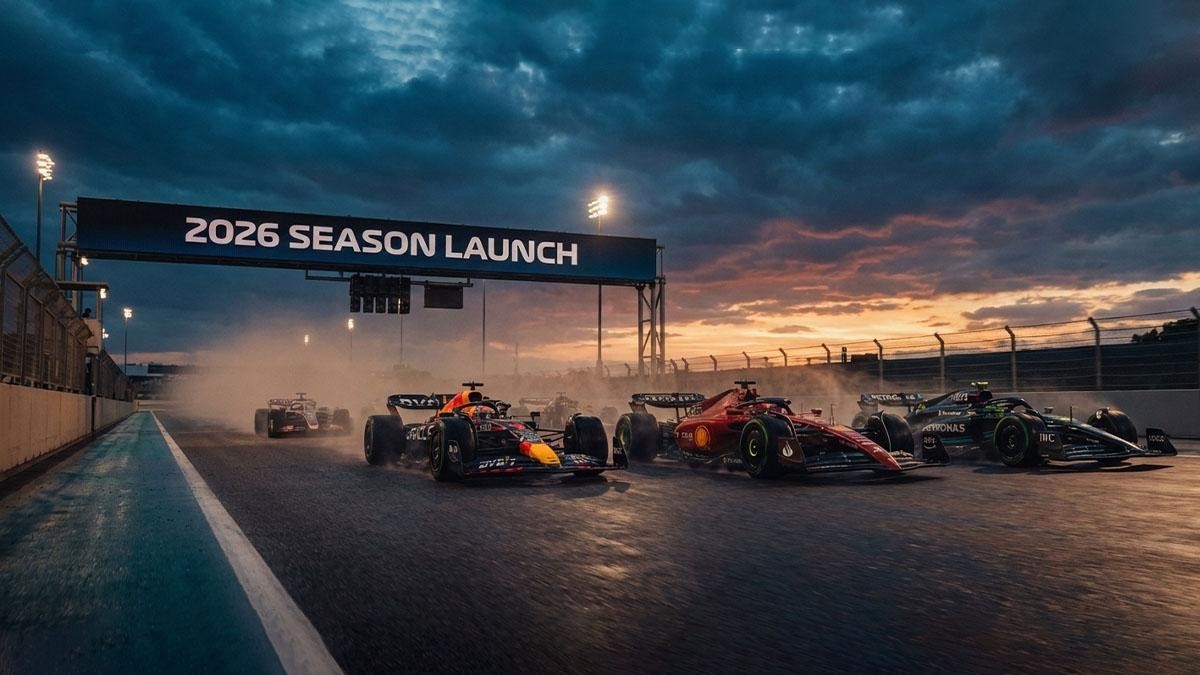
Formula 1 2026: A Review of Teams, Drivers, and Key Intrigues
Formula 1 in 2026 is the ‘reset button’ that the championship has been dreaming about for the last five years. By adapting to 100% sustainable fuels, a radical 50/50 power split between internal combustion and electrical energy, and the introduction of active aerodynamics, the competition order which has characterized the last few seasons could be thrown out even before the first F1 qualifying session of the year.
From the opener in Australia through events like the Bahrain Grand Prix and Canada Grand Prix, nothing seems to be decided. This is a season based on clever engineering, political moves, and the unrecognizable value of experience behind the wheel.
This piece delves into how the teams have adapted to these new rules, what impact Audi F1 has already had on the paddock atmosphere, and which drivers will probably be able to handle the most challenging F1 car generation in modern history.
The Technical Revolution: Power Units and Active Aero
The New Power Formula: Balancing ICE and Electrical Output
Right at the center of F1 2026 is the most radical engine change since the introduction of the hybrid era in 2014. Getting rid of the MGU-H streamlines the engine layout but at the same time makes electrical power and battery efficiency soar to extreme heights of importance.
Key technology backbones consist of:
- A 50/50 power split between internal combustion engines and electric energy
- More extensive use of Kinetic Energy Recovery (KERS)
- Standardized components to drive down costs and finish “party modes” in qualifying
- Sophistication of the different types of harvesting and energy delivery during the race
Such a major change has compelled car makers to reconsider their cooling systems, packaging, and energy management strategies. If the pundits in the paddock are to be believed:
- Mercedes is still the standard for electrical efficiency
- Ferrari has put their focus on thermal management and driveability.
- Honda, now the engine supplier for Aston Martin F1, is known for the excellence in compact design
- Red Bull-Ford is placing a very big bet on software and battery optimization
- Audi F1 is a clean sheet entry, without any legacy compromises
The dilemma is not just total horsepower anymore but rather how teams can most regularly fire the electric energy over a lap—particularly during qualification F1 runs, where the difference between competitors is minimal.
This kind of doubt is precisely what makes the 2026 Formula 1 season so interesting to the general public, not just those working in the paddock. While Formula 1 enthusiasts argue about which team will dominate and the technological risks involved, the wider motorsport fans are equally attracted by the culture of high-speed decision-making: i.e. they are fascinated by the choice of a correct race strategy on Sunday or even the selection of the fastest payout online casino to get instant results in other forms of competition. In fact, the three key factors in both situations are efficiency, trust and timing.
Next-Gen Aerodynamics: Defining the “Active Car”
The Impact of Movable Elements on Overtaking and Tactics
The 2026 regulations elevate active aerodynamics from a mere flashy feature to a fundamental aspect of the car. The drivers are basically toggling between two main setups:
- X-mode for tracks, reducing drag to the minimum
- Z-mode for corners, getting as much downforce as possible
The numbers are striking:
- 55% less drag than 2025 cars
- About 30kg weight reduction
- Wheelbases are shorter for better agility
These changes aim at making overtaking easier and lessening the dependence on DRS. Nevertheless, the opponents maintain that the cars will come to feel almost “artificial” whereby the driver would be more of a system manager rather than just a corner attacker.
From a racing perspective, active aero could:
- Lead to the creation of new overtaking locations even at the Australian GP
- Shift the focus of tactical battles from the tire wear to the energy deployment
- Be a great result for drivers who have excellent multitasking skills under pressure
The Audi Debut and New Manufacturer Partnerships
The German Giant’s Entry and the Red Bull-Ford Status
The coming of Audi F1 has been the biggest political and sporting news of the decade. Audi by taking over Sauber entirely is very much a factory team with long-term goals rather than short-term marketing goals.
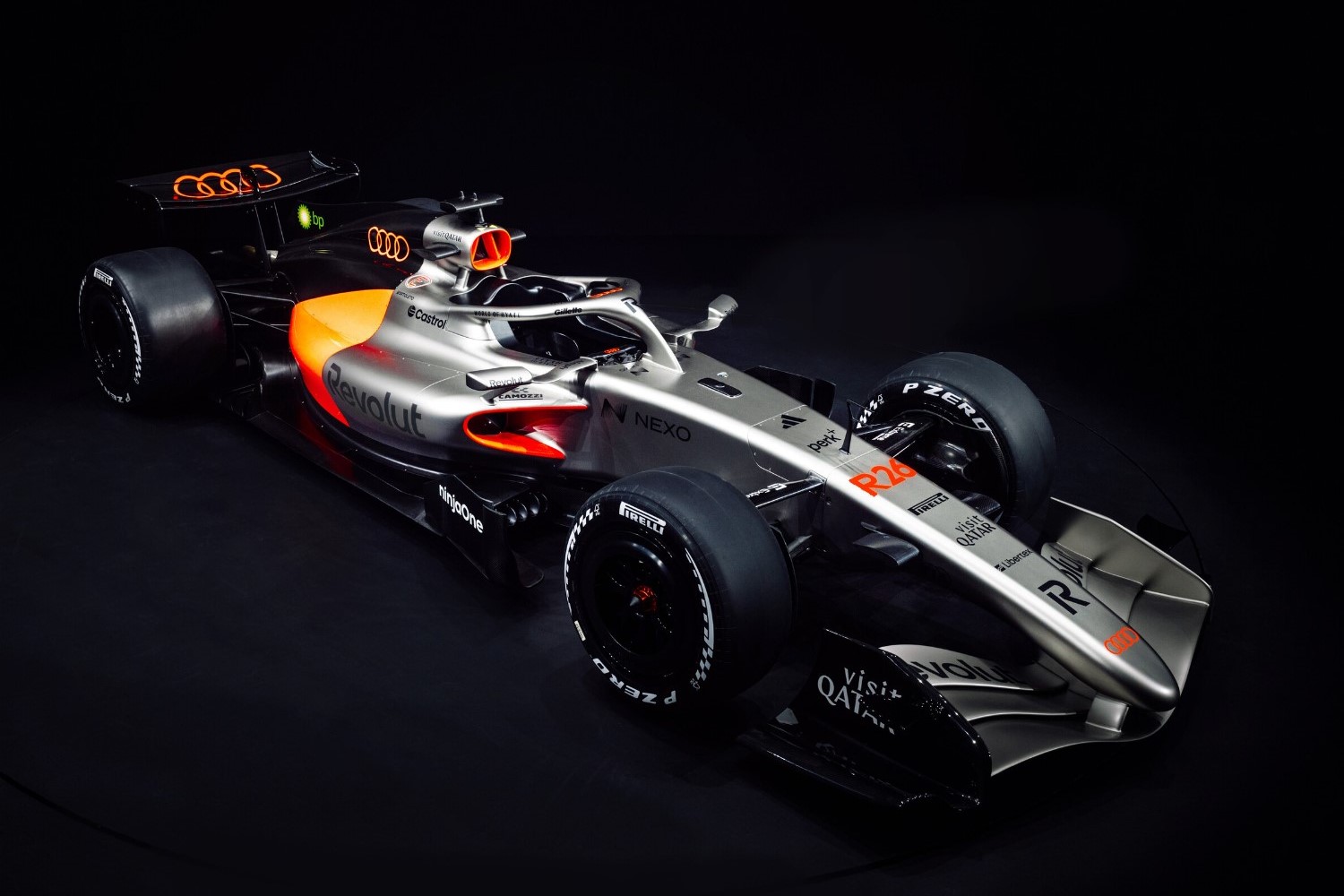
Audi’s strengths include:
- Heavy investment in the Neuburg power unit facility
- Early commitment to the 2026 regulations
- A culture built around endurance racing efficiency
Nevertheless, the track record of the history shows that new players very seldom win right away. The issue is whether Audi can speed up the development process to outpace their rivals who have decades of F1 data at their disposal.
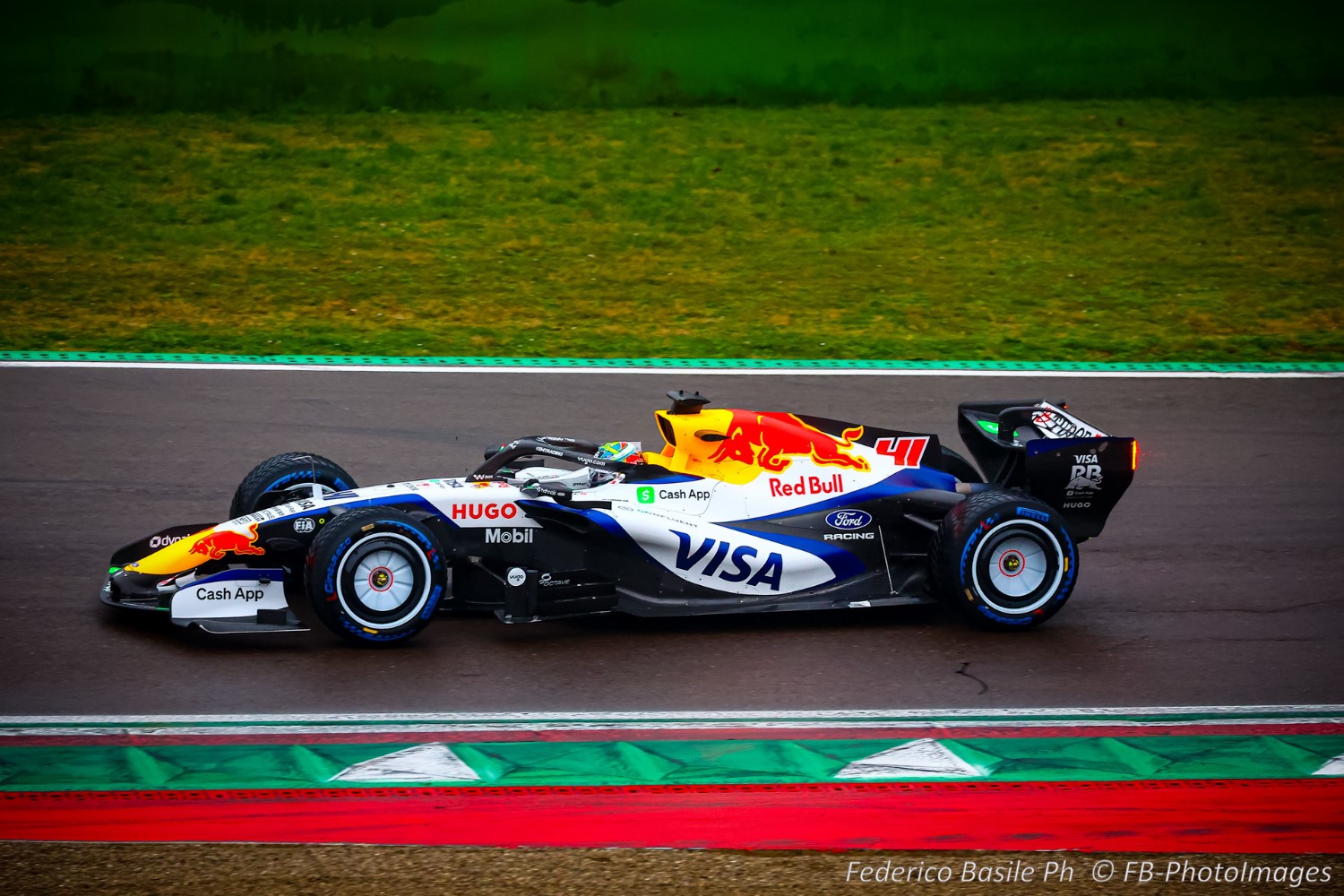
On the other hand, Red Bull-Ford epitomizes the distinct philosophy of independence. Supported by Ford Powertrains expertise in software and battery technology, this is a courageous move by Red Bull Powertrains to have full control internally of all the performance keys. It could be a genius move—or if early reliability issues occur, it might become their Achilles’ heel.
Reasonable progression: whatever the level of engineering ambition, it is always the drivers who must convert the theoretical potential into an actual lap time.
The Driver Market: Stability Amid Regulation Uncertainty
Team Leaders and the Value of Technical Feedback
A noticeable trend in 2026 is stability. While a major regulatory rewrite would have been expected to prompt youth revolutions, teams have mostly remained resistant to such changes. Instead, experience has turned out to be the most valuable currency.
Key examples include:
- Lewis Hamilton in the second season at Ferrari not just as a mere driver but also a reference for car development
- Keeping the main trio Max Verstappen, Charles Leclerc, and Lando Norris for a couple of more seasons
- Aston Martin F1 team choosing the path of continuity to leverage Honda’s new power unit to the fullest
Why the emphasis on experience?
- The driver is the crucial link between the simulator and the actual track
- Driver’s inputs on braking, energy deployment, and active aero are very helpful
- Mistakes with the new systems are very expensive especially at the initial races
The upward drift in the average age of the grid signifies that even in a very complicated era, pure speed is simply not enough.
Logical transition: Well-informed veterans’ insight might be the factor that separates early-season turmoil from smooth performance.
The Projected Hierarchy: Who Leads the Pack in Bahrain?
Comparing Top-Tier Readiness for the Season Opener
There is a long-standing belief that predicting the competitive order before the opening race is extremely risky, but it seems that trends are now emerging.
Early indicators suggest:
- Mercedes could reclaim engine leadership thanks to electrical efficiency
- Ferrari and McLaren are favorites due to strong simulator-to-track correlation
- Red Bull faces its first true test without direct Honda involvement
- Aston Martin F1 is viewed as a dark horse with Honda power and aerodynamic stability
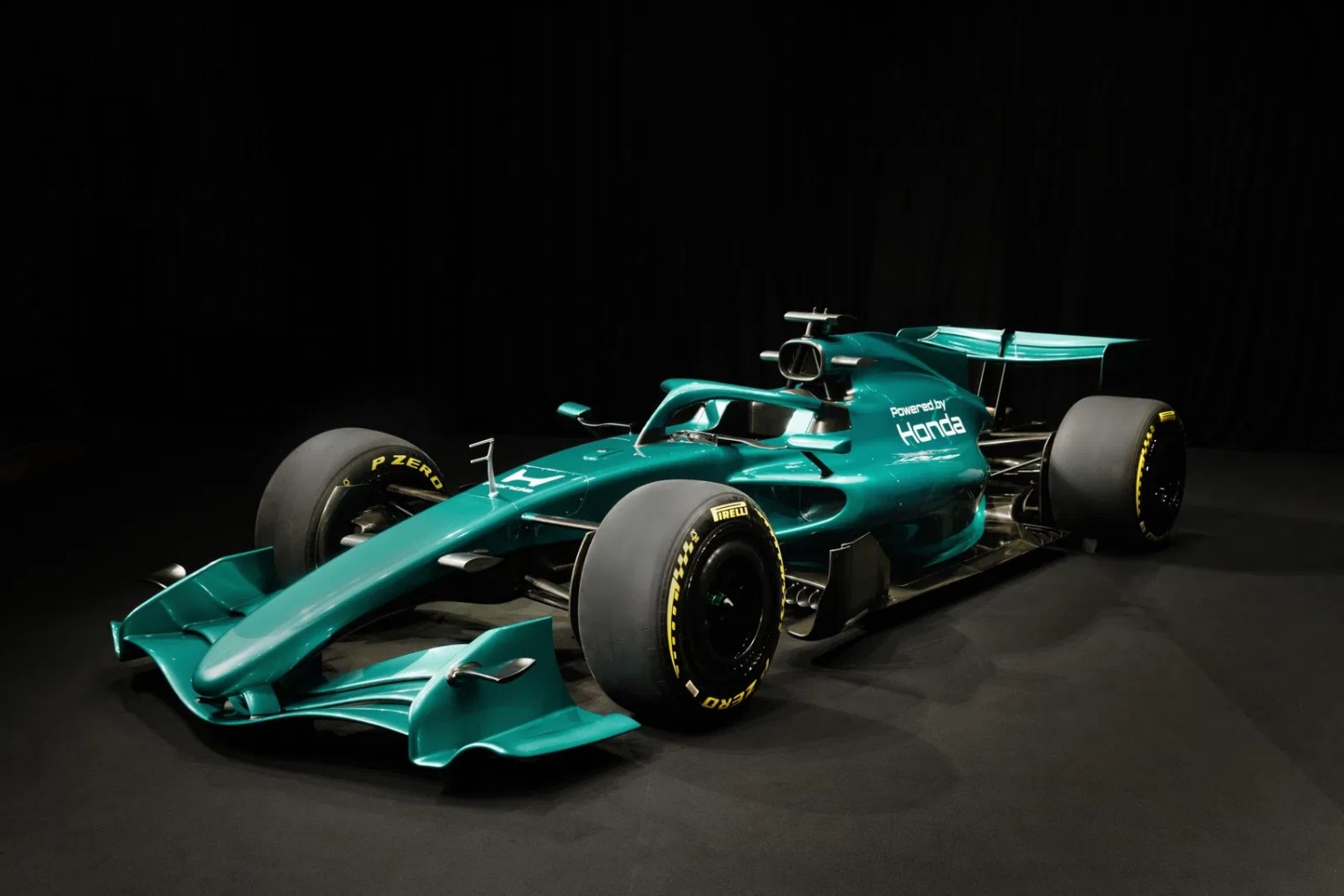
Midfield teams will find it harder to progress, since wind tunnel restrictions and later upgrade timelines may result in them playing catch-up until the F1 2026 schedule.
Legendary races such as the Australian Grand Prix and Canada GP will be early tests as the high-speed sections will unfortunately highlight the weaknesses of teams in terms of energy deployment and cooling.
A logical step; however, even the best prepped teams have to deal with the basic car dimensions-related challenges.
Counter-argument Block: Will the Racing Become Slower and Less Engaging?
Thesis: Some critics suggest that less downforce and complicated energy management may result in lap times being slowed down by 2–3 seconds.
Analysis: The highest speed might go down at first but the quality of the racing might be better:
- Smaller cars allow side-by-side action in tighter sections
- Active aero reduces the “dirty air” problem
- Energy battles add a strategic layer visible to fans
In 2026, the emphasis is on the intensity rather than just the outright speed—every lap is a tightrope walk between aggressiveness and fuel efficiency.
Conclusion
The season 2026 looks like the finale of the era of predictable dominance. Even if a single team may still take the championship, the allowance for mistakes has never been smaller. Forecasts for the season opener are currently leaning towards Ferrari or Mercedes, but the element of surprise cannot be ruled out.
However, it is really the F1 2026 that represents a change in the mindset: from merely dominating by engineering to carefully managing performance in a smart way. It will be a matter of the fans’ acceptance of active aerodynamics and supercharged electric motors whether the period will be the golden age or the first stage of some trouble.
Discussion question: Which of the 2026 technologies do you think is more controversial—active aerodynamics or electric power dependence?
FAQ: Essential Guide to the 2026 Season
Why are the cars smaller and lighter?
To improve agility and counteract the weight of hybrid systems.
Why was the MGU-H removed?
To reduce costs and attract new manufacturers like Audi.
What are X-mode and Z-mode?
Active aero configurations for straights and corners.
Can Audi win immediately?
Unlikely in year one, but podiums are a realistic target.