Key Insights from Day One of F1 2026 Pre-Season Testing in Barcelona
The dawn of Formula 1’s 2026 era began with a secretive shakedown test at the Circuit de Barcelona-Catalunya, where teams got their first real-world taste of the new regulations featuring revamped power units, active aerodynamics, and sustainability-focused designs.
–by Mark Cipolloni–
This private session, held behind closed doors with no official timings, live coverage, or media access, focused on “debugging” initial issues rather than outright performance. Only seven of the 11 teams participated on the opening day, providing early glimpses into preparation levels, reliability, and the challenges ahead. Here’s what we learned from the action.
Early Pace Setters and Unofficial Benchmarks
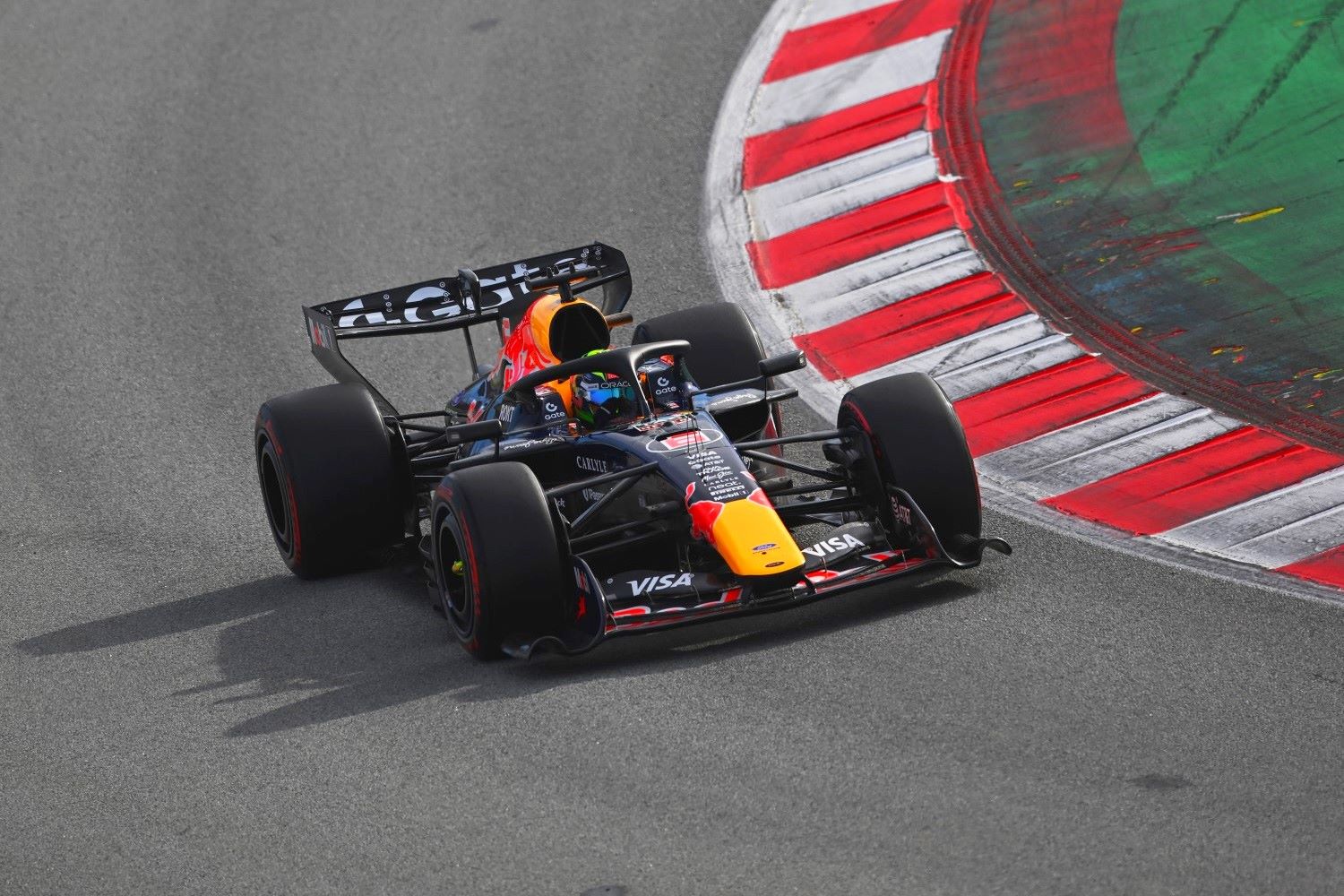
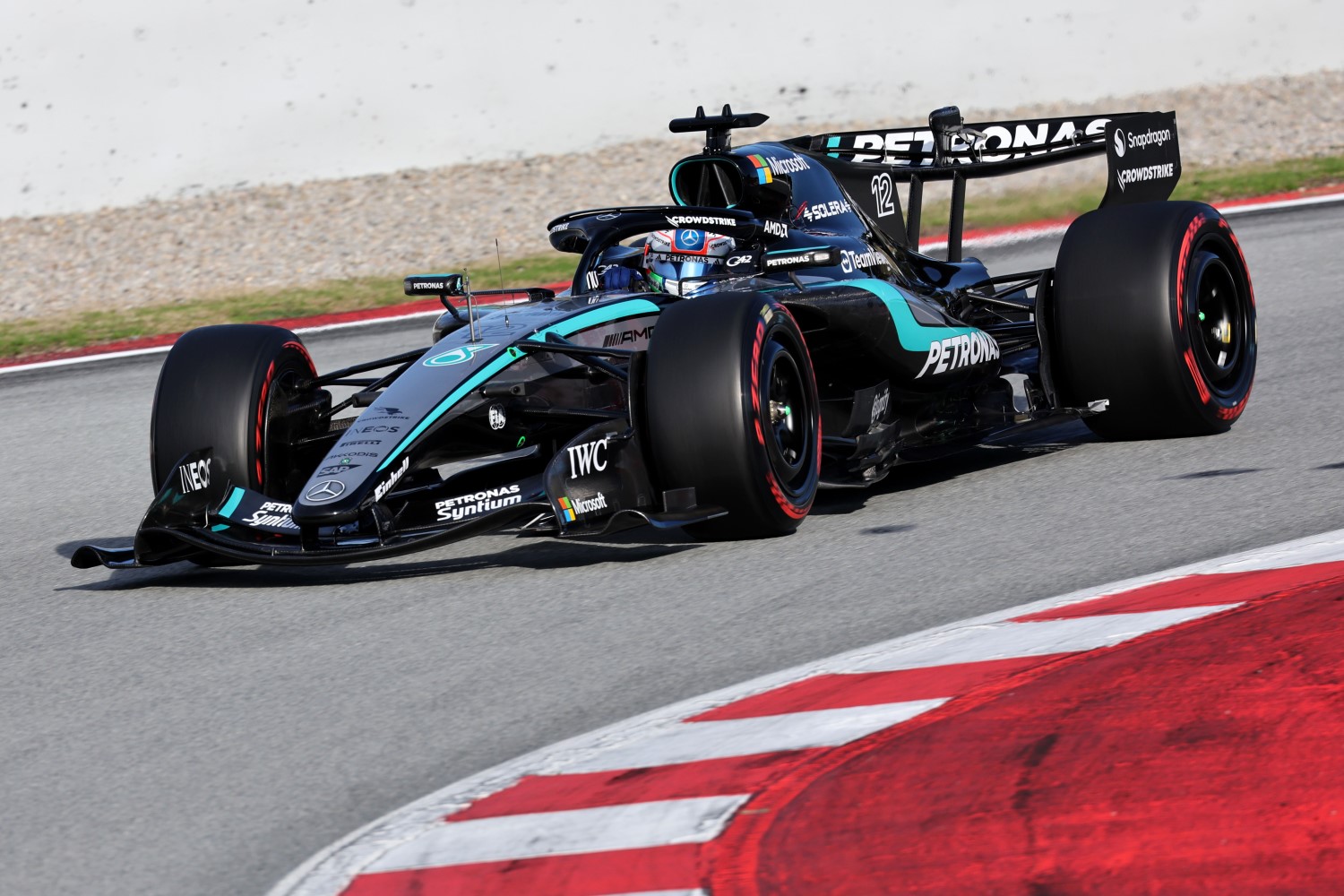
Based on unofficial times, Red Bull and Mercedes emerged as the frontrunners in terms of consistency and initial speed, trading fastest laps throughout the day and demonstrating strong preparation with their new power units.
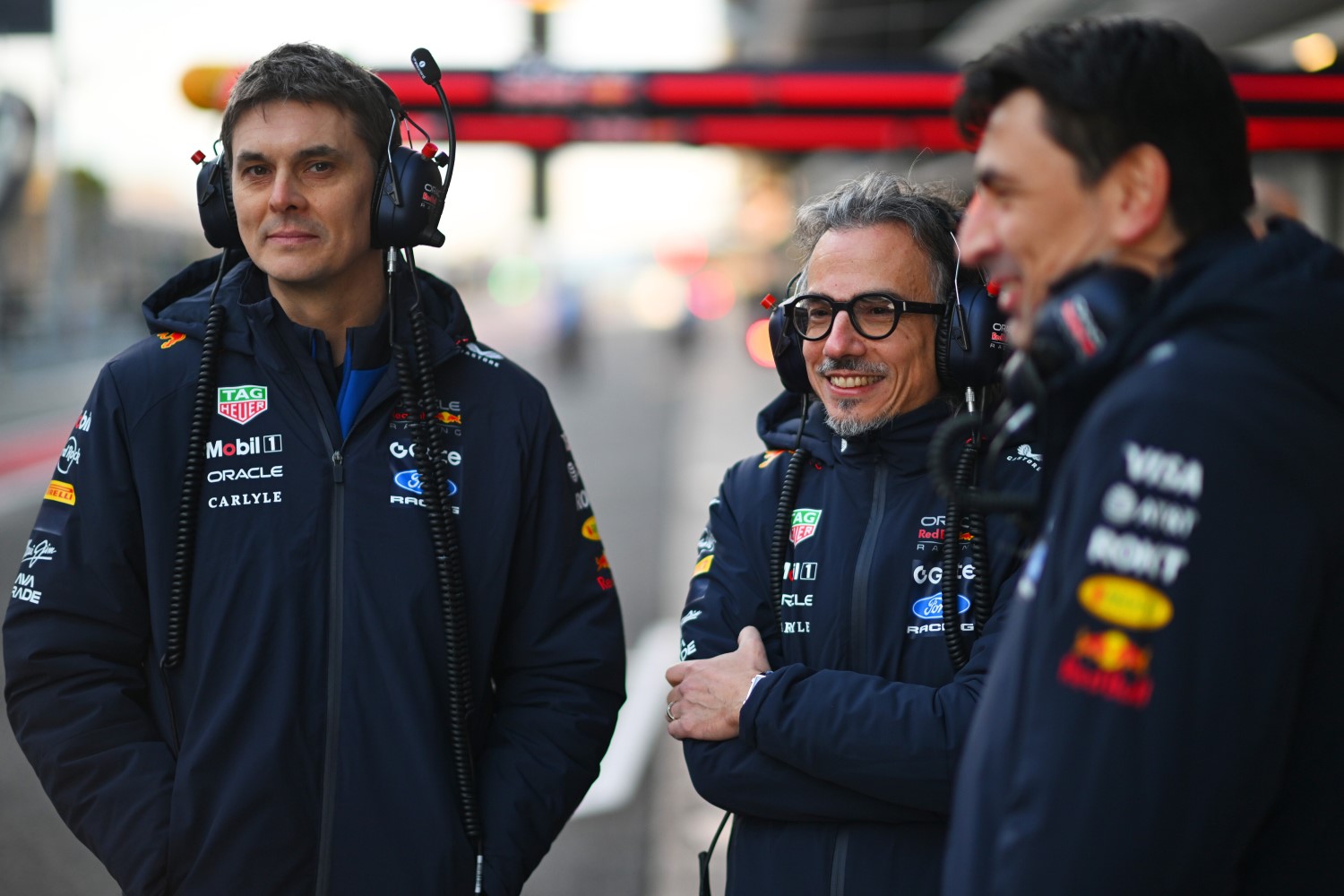
Red Bull’s young driver Isack Hadjar set the benchmark time in the RB22, powered by their in-house Red Bull Powertains-Ford engine, while Mercedes’ W17 showed promising reliability with shared duties between Kimi Antonelli and George Russell. Unofficial times, collated from various sources, revealed a spread of over seven seconds from top to bottom, though these are unrepresentative due to differing programs and a focus on systems checks over outright pace.
The cars appeared encouragingly quick overall, with Hadjar’s best lap just a second off the 2022 benchmark on a similar layout—suggesting potential for 2-3 seconds of improvement by week’s end, plus further gains through the season, to close the anticipated gap to pre-2026 machinery. Here’s a summary of the unofficial results:
| Pos | Driver | Team | Time | Behind | Laps |
| 1 | Isack Hadjar | Red Bull | 1m18.159s | +0.000s | 107 |
| 2 | George Russell | Mercedes | 1m18.696s | +0.537s | 93 |
| 3 | Franco Colapinto | Alpine | 1m20.189s | +2.030s | 60 |
| 4 | Kimi Antonelli | Mercedes | 1m20.700s | +2.541s | 56 |
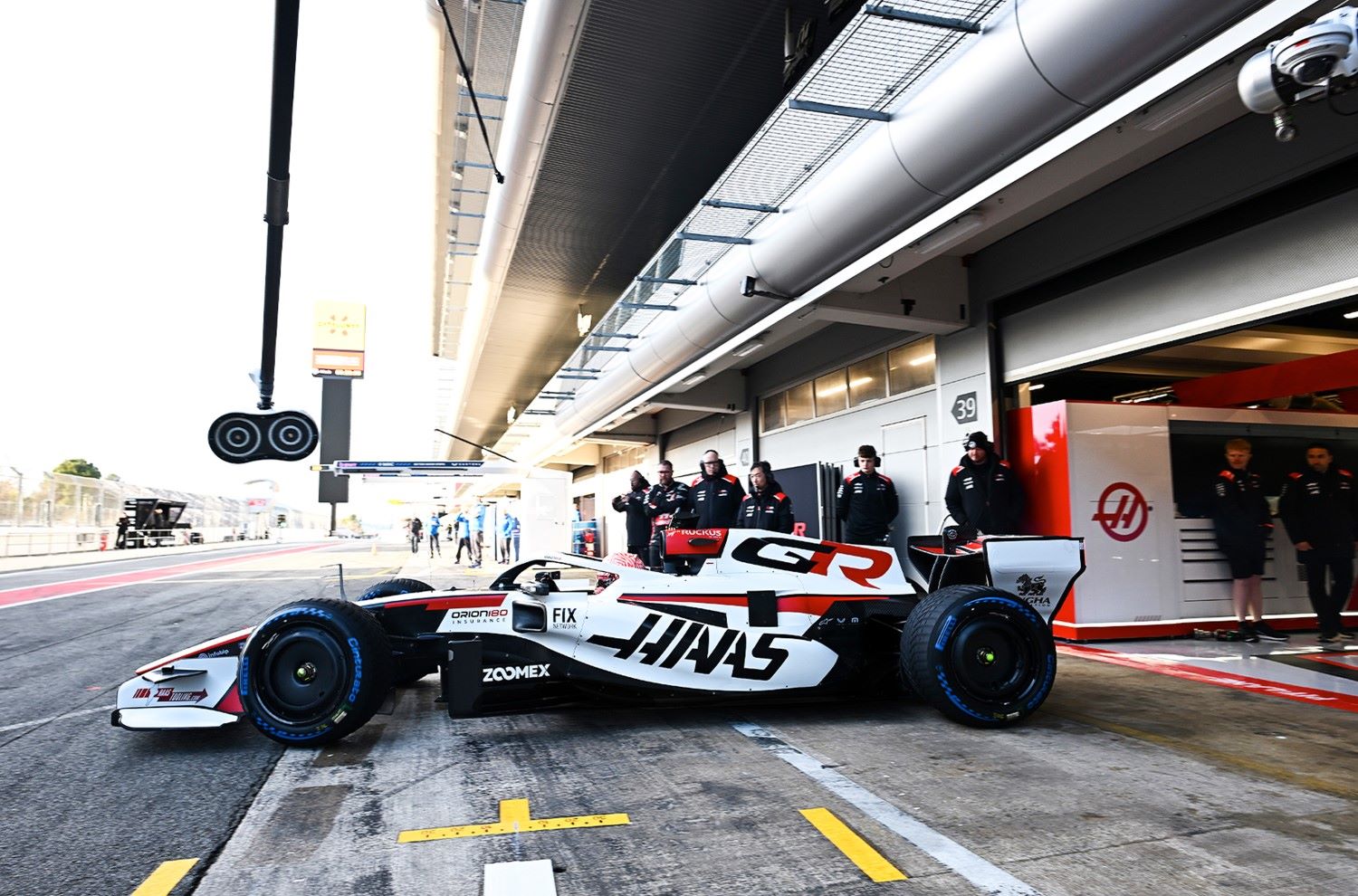
| 5 | Esteban Ocon | Haas | 1m21.301s | +3.142s | 154 |
| 6 | Liam Lawson | Racing Bulls | 1m21.513s | +3.354s | 88 |
| 7 | Valtteri Bottas | Cadillac | 1m24.651s | +6.492s | 33 |
| 8 | Gabriel Bortoleto | Audi | 1m25.296s | +7.137s | 27 |
| 9 | Sergio Perez | Cadillac | 1m25.974s | +7.815s | 11 |
New entrants Cadillac and Audi trailed significantly, prioritizing mileage and basics over speed, underscoring the steep learning curve for teams integrating fresh power units and chassis.
Reliability and Teething Problems
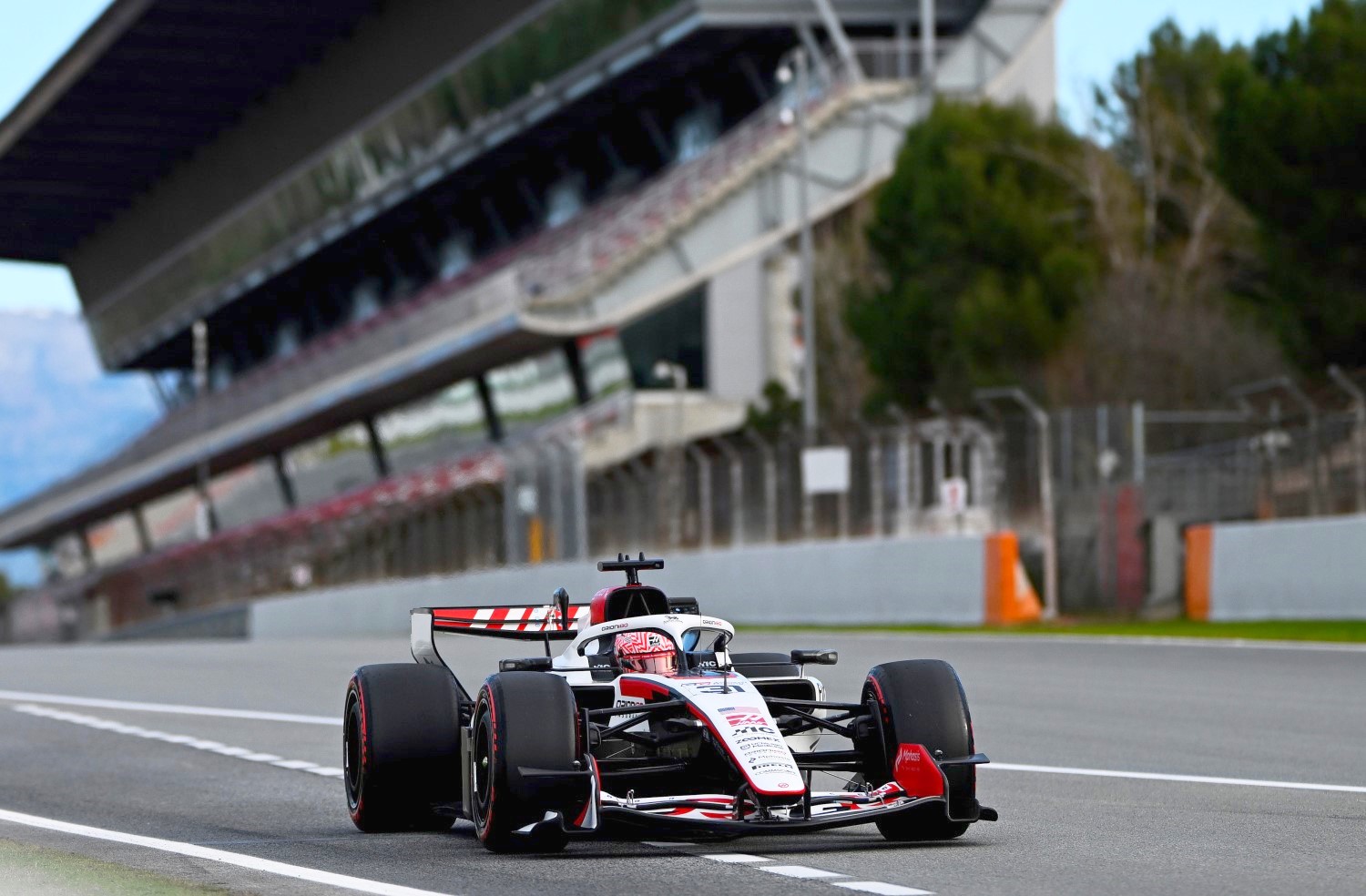
The day was marked by at least three red flags in the morning, triggered by stoppages involving Alpine’s Franco Colapinto, Audi’s Gabriel Bortoleto, and Racing Bulls’ Liam Lawson. Despite these interruptions, overall reliability exceeded expectations, with teams logging more laps than the 93 total from the 2014 hybrid engine introduction test. Haas led with 154 laps, emphasizing data collection, while Mercedes amassed around 150. Cadillac managed just 44 laps combined, hampered by afternoon issues, and Audi was limited to 27 after an early technical glitch that sidelined them for the day.
This “debugging” focus revealed widespread minor gremlins across the grid, but no catastrophic failures akin to past regulation changes. The session highlighted the energy-starved nature of the new cars, with rear derating warning lights flashing frequently due to increased energy harvesting and reduced power output—mimicking wet-race conditions even on dry laps. Engine sounds remained similar to 2025, without dramatic shifts, though more aggressive tones emerged on faster runs.
Driver and Team Feedback
Feedback was optimistic yet grounded. Red Bull’s Hadjar described the day as “pretty smooth” and “quite impressive,” noting more laps than anticipated with only minor issues on their new power unit. Mercedes’ Russell echoed this positivity, praising the high preparation levels across teams and the absence of 2014-style breakdowns, calling it a sign of F1’s evolution.
Cadillac’s Valtteri Bottas candidly admitted every team faced issues, labeling it a true “de-bugging” session: “We had some issues throughout the day but it’s de-bugging, that’s why we’re here, and it seems like every team had some issues. It’s just now really figuring about those and getting more and more running each day… The priority list now is to get more laps each day.”
🎙️Checo speaking to F1TV following day one of testing:
pic.twitter.com/rVAZLaoJIz— Cadillac F1 News (@CadillacF1News_) January 26, 2026
Haas team principal Ayao Komatsu focused on the value of mileage: “Now that we are running, we are discovering issues, problems we need to solve, every lap, every run. But that’s what we are here for… I’m very, very happy how we started.” Sergio Perez, also with Cadillac, viewed the problems as timely for early resolution.
Broader Implications for 2026 Regulations
The test’s secretive nature—enforced by heavy security and exclusion zones—created a “weird” atmosphere, with F1 compromising by sharing images, quotes, and highlights. It underscored the monumental challenges for new teams like Cadillac and Audi, who are building from scratch and tempering ambitions for the year ahead. Absent teams like Williams (delayed FW48) and Aston Martin (prioritizing development) risk falling behind, potentially costing valuable track time.
Overall, Day 1 bodes well for the 2026 ruleset, with better-than-expected reliability and pace suggesting the grid could close the projected performance deficit. As testing progresses, expect deeper insights into the pecking order and how teams adapt to these energy-focused machines.