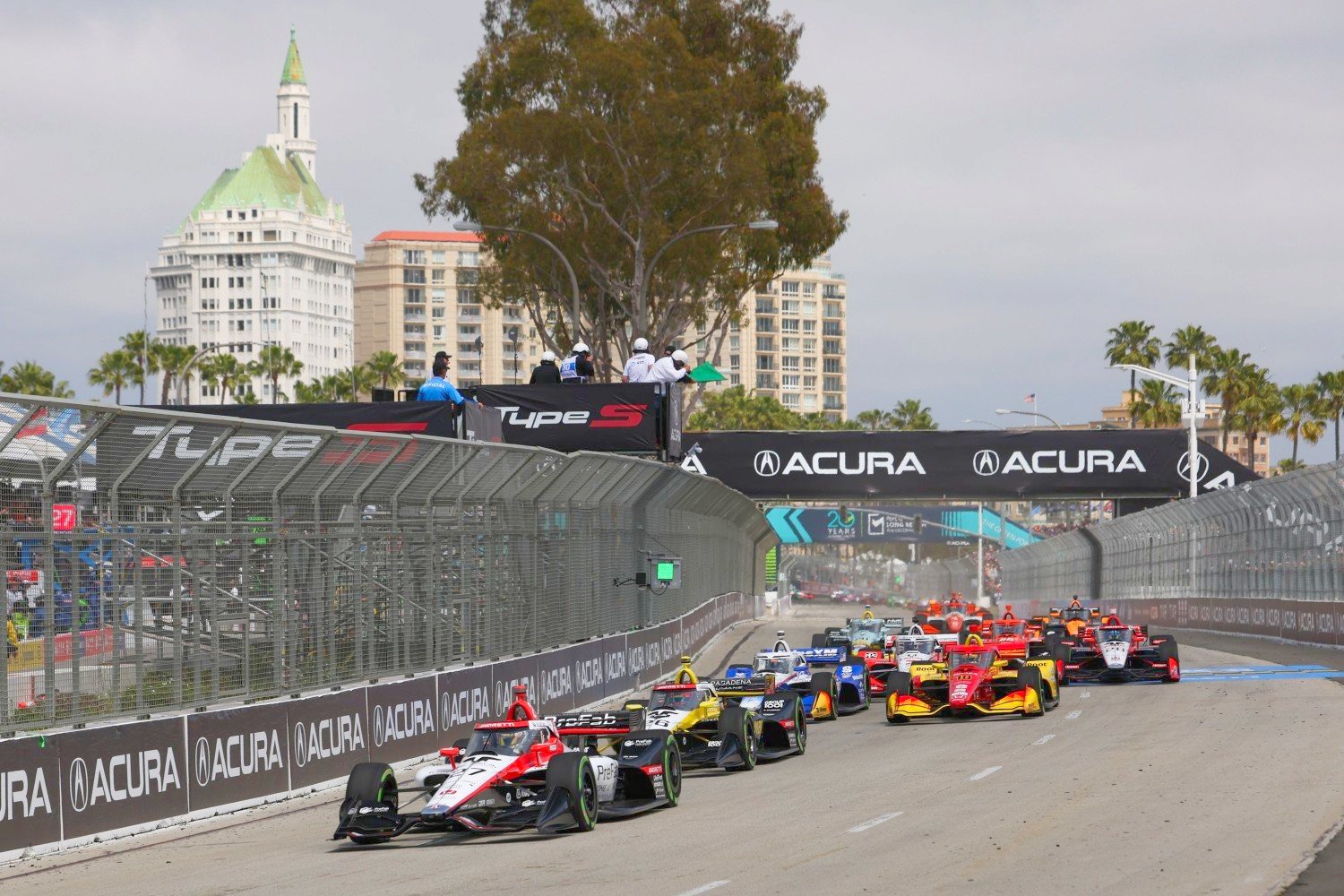
Concrete Jungles: Is the Future of Motorsport Exclusively Downtown?
If you look at the 2026 motorsport calendar, a clear and undeniable trend emerges. The sound of high-performance engines is increasingly bouncing off skyscrapers and luxury hotels rather than echoing through the rolling hills of the countryside.
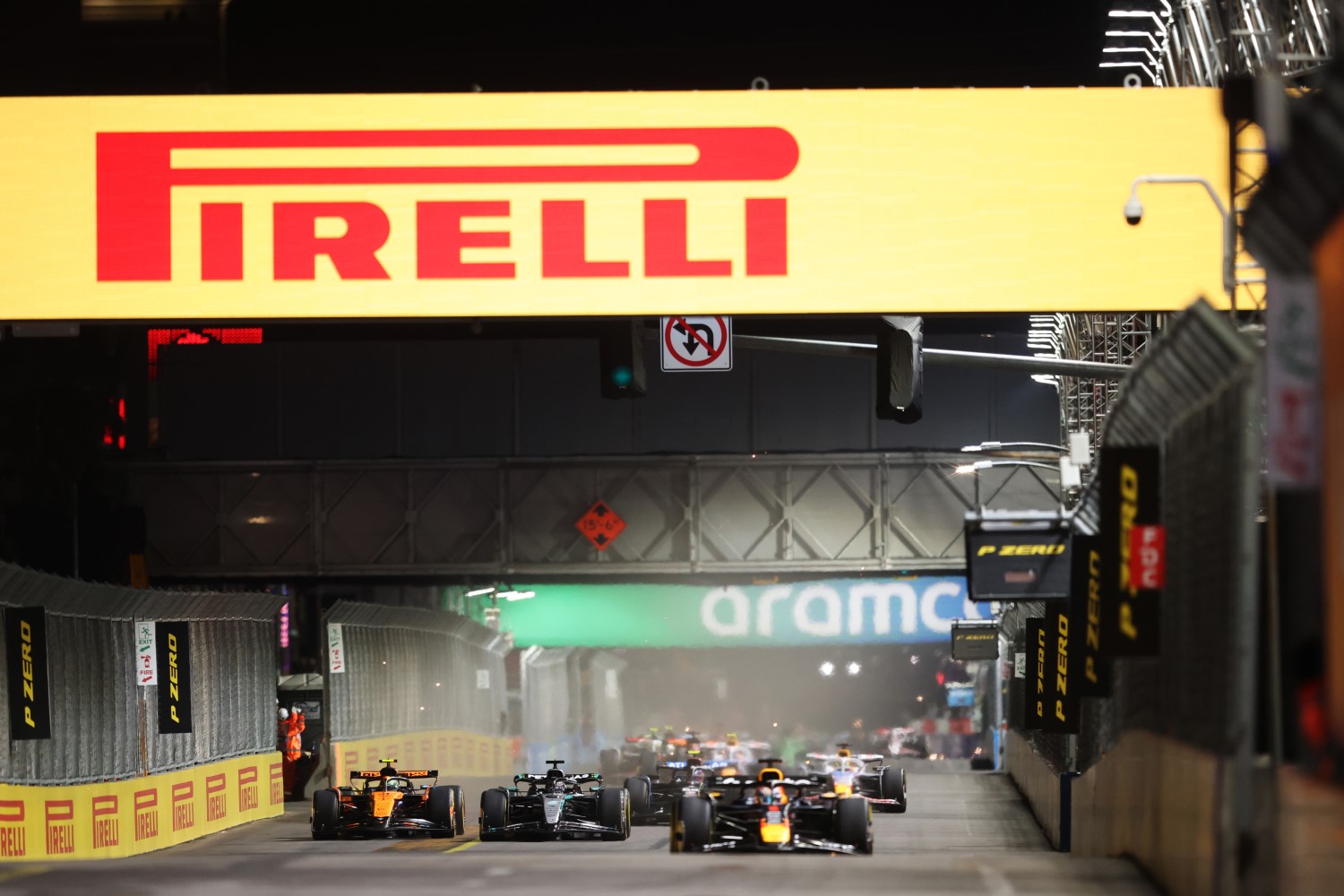
From the high-speed neon corridor of Las Vegas to the intricate urban layout of Madrid and the coastal glitz of Jeddah, street circuits have moved from being seasonal novelties to the very backbone of global racing.
This shift isn’t just a vibe; it’s a measurable transformation across every major series. In 2026, the percentage of races held on public roads has reached historic highs:
- Formula 1: Approximately 33% (8 out of 24 races) are street or hybrid-street circuits, including the debut of the Madrid hybrid circuit.
- IndyCar: Roughly 29% (5 out of 17 races) are on street circuits, featuring the brand-new Grand Prix of Arlington and the Streets of Markham.
- Formula E: Nearly 65% (11 out of 17 rounds) take place on street or urban-parkland tracks, staying true to its city-center mission.
- NASCAR Cup Series: While still dominated by ovals, street racing remains in the mix at ~3% (1 out of 38 events), following the success of the Chicago Street Race and the addition of the San Diego Naval Base event.
This environment requires everyone involved to be a master of probability, much like a professional strategist who might visit the WPD official site to understand betting patterns and risk management before making a major move.
Whether you are on the pit wall or at a digital table, the ability to read the current landscape and anticipate the next shift is what separates the winners from the rest of the field.
The Rise of the Destination Race
The primary driver behind the street circuit explosion is the concept of the destination race. In decades past, a fan would travel to a remote track, camp in a field, and endure limited facilities just to see their heroes fly past at 200 mph. While that dedicated core of fans still exists, the modern commercial landscape demands something more.
Street circuits offer a turnkey solution for sponsors and casual viewers. When a race takes place in the heart of a city like Madrid, the track becomes a massive marketing billboard integrated into a global hub. For a major corporation, the ability to host VIP guests in a luxury rooftop lounge overlooking the start-finish line is infinitely more attractive than a hospitality tent in a muddy field.
Engineering the Urban Maze
From a technical standpoint, street circuits present a fundamentally different challenge than permanent facilities. On a purpose-built track, engineers can rely on a consistent, smooth surface with predictable grip levels. Street circuits are the opposite. They comprise public roads used by thousands of regular cars every day. This creates a surface that is “bumpy” and constantly evolving.
In 2026, car setups for street races will become a specialized art form. Teams have to find a way to make their aerodynamic packages work over manhole covers and varying tarmac textures. Suspension travel becomes a critical variable. A car that is fast on a smooth track like Barcelona might be completely undrivable on the tight, unforgiving corners of a street loop.
Strategy, Odds, and the Mental Game
The shift to urban racing has also changed the way teams approach strategy. Because street circuits are notoriously difficult to overtake on, the “game” starts long before the lights go out. Qualifying is the most intense session of the weekend, as the starting position is often 50% of the battle.
Strategy in these environments is all about managing variables and playing the long game. Because safety cars are almost a statistical certainty on street tracks, race engineers have to be as comfortable with probability as a professional strategist. A race strategist is constantly weighing the “pot odds” of a pit stop. Do you pit early to gain track position, or do you stay out and bet on a late-race yellow flag?
Losing the Soul or Finding a New One?
Despite the commercial success of these events, many long-time enthusiasts feel a sense of loss. There is a specific “flow” to a permanent circuit, natural elevation changes, high-speed sweeping corners, and a sense of history that a city street simply cannot replicate. Classic tracks were designed by the landscape; street tracks are designed by city planners.
The fear is that by moving exclusively toward urban venues, we are losing the “purity” of the sport. A permanent track allows for wider cars, more aggressive overtaking maneuvers, and a level of safety that lets drivers push to the absolute limit. In contrast, street races can sometimes turn into “processions” in which the order is determined by the first corner.
However, we must also consider that the “soul” of motorsport has always been about adaptation. In the 1950s, racing was done on dangerous public roads with no barriers. In the 1990s, the focus shifted to hyper-safe, antiseptic tracks in the desert. The 2026 trend toward street circuits is simply the next evolution. It reflects a world that is more connected, more urban, and more focused on the total experience.
Finding the Middle Ground
The ideal future for motorsport likely isn’t one or the other, but a balanced hybrid. The calendar needs the historic prestige of a Monza to remind us where we came from, but it also needs the electric energy of a Las Vegas or a Singapore to show us where we are going. These “Concrete Jungles” provide the financial engine that allows the sport to innovate and reach new audiences.
As we look toward the 2027 season and beyond, the challenge for organizers will be to ensure that street circuits aren’t just flat, 90-degree-turn boxes. The focus is shifting toward “hybrid” circuits, where parts of the track are purpose-built for racing but connected by existing city streets. This allows for better overtaking opportunities while maintaining that high-octane, downtown atmosphere.
Sources:
- F1 – the official home of Formula 1® racing. (n.d.). Formula 1® – the Official F1® Website. https://www.formula1.com/en/racing/2026
- INDYCAR announces 17-Race 2026 NTT INDYCAR SERIES Schedule. (2025, September 16). IndyCar.com. https://www.indycar.com/news/2025/09/09-16-2026-sked
- FIA Formula E Editorial Team. (2025, November 21). Formula E accelerates global growth in Season 11 with record audience and fanbase. The Official Home of Formula E. https://www.fiaformulae.com/en/news/760726/formula-e-accelerates-global-growth-in-season-11-with-record-audience-and-fanbase