
Formula 1 News: Aston Martin’s AMR26 – A Radical Leap into the 2026 F1 Era
In the high-stakes world of Formula 1, where innovation meets precision engineering, Aston Martin has unveiled its AMR26 challenger for the 2026 season. Launched amid much anticipation during a private shakedown at Barcelona’s Circuit de Catalunya, the car represents a bold departure from conventional designs, heavily influenced by the legendary Adrian Newey.
–by Mark Cipolloni–
Despite a delayed debut that saw it hit the track late on the fourth day of pre-season activities, the AMR26 has already sparked intense discussion for its revolutionary aerodynamics and aggressive detailing.
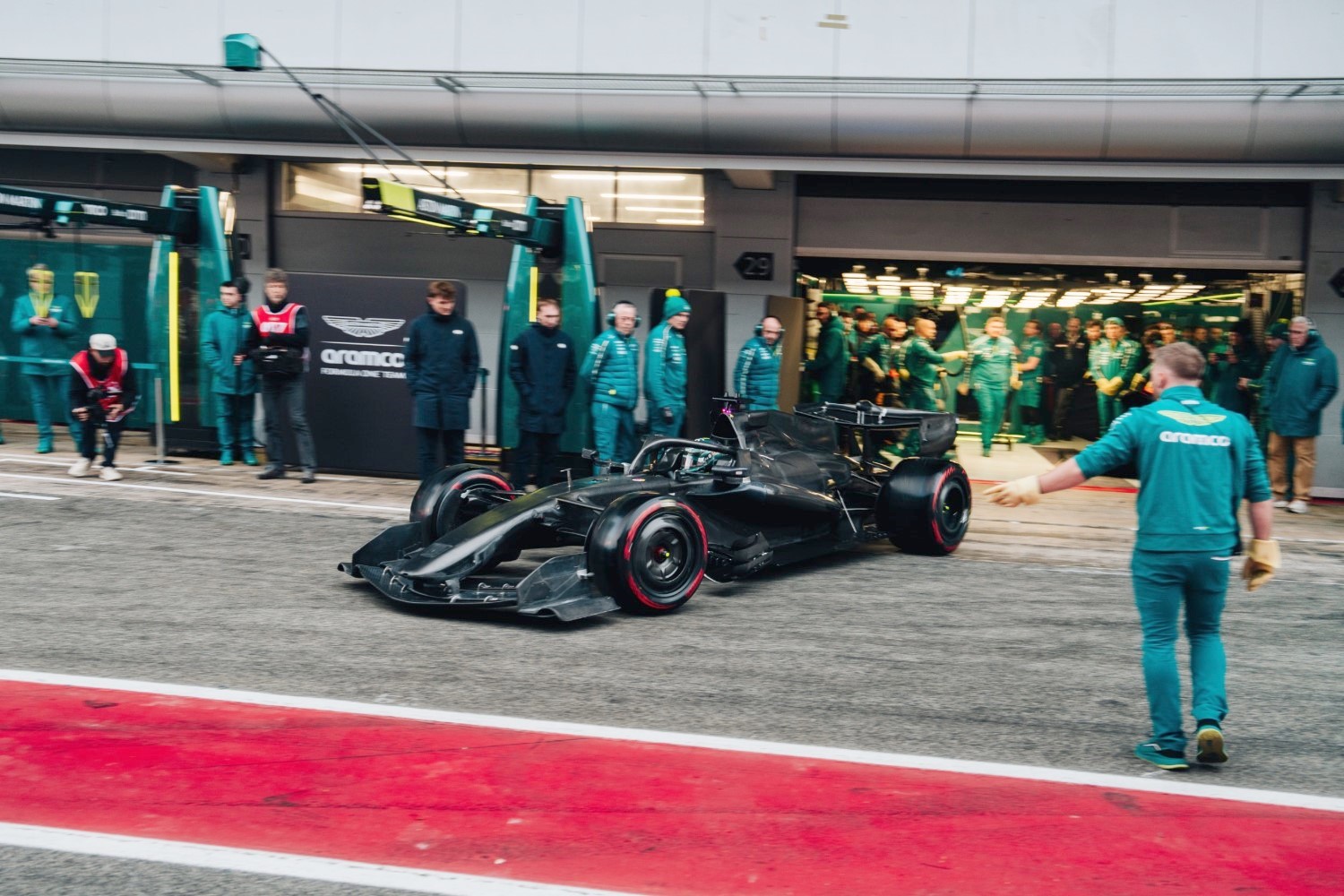
The launch itself was understated yet dramatic. Driver Lance Stroll took the wheel for the initial run, completing just five laps before a breakdown triggered a red flag. This limited outing focused more on system checks than outright performance, but it allowed glimpses of a machine that appears more refined and complete than many of its rivals’ early iterations.
Related Article: Formula 1 News: Aston Martin rolls out radical Newey car, Mercedes ‘shocks’
Fernando Alonso is on track today (Friday), adding to the team’s optimism despite the hiccup. The delay stemmed from inconsistencies between simulator and wind tunnel data spotted by Newey over the summer, underscoring his meticulous approach to design approval.
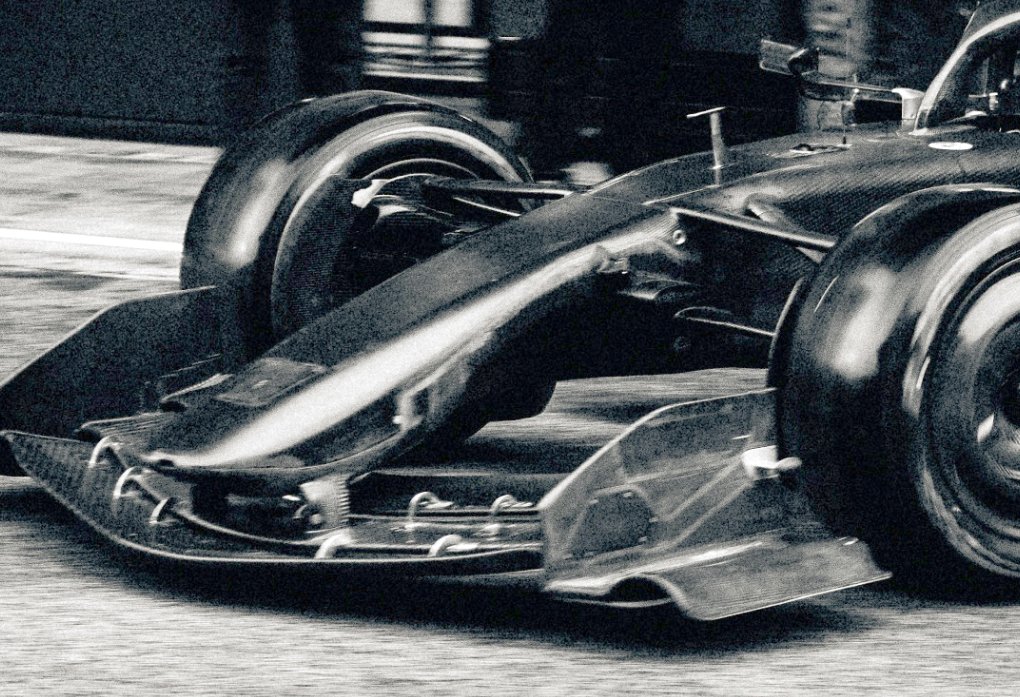
At the heart of the AMR26’s appeal is its radical aerodynamic package, which rejects many F1 norms in favor of original solutions. The front end features a simple yet aggressive front wing with pillars mounted to the second flap to accommodate active aero elements, paired with a pelican-shaped underside on the nose for optimized airflow – no other designer even thought to do this, only Newey.
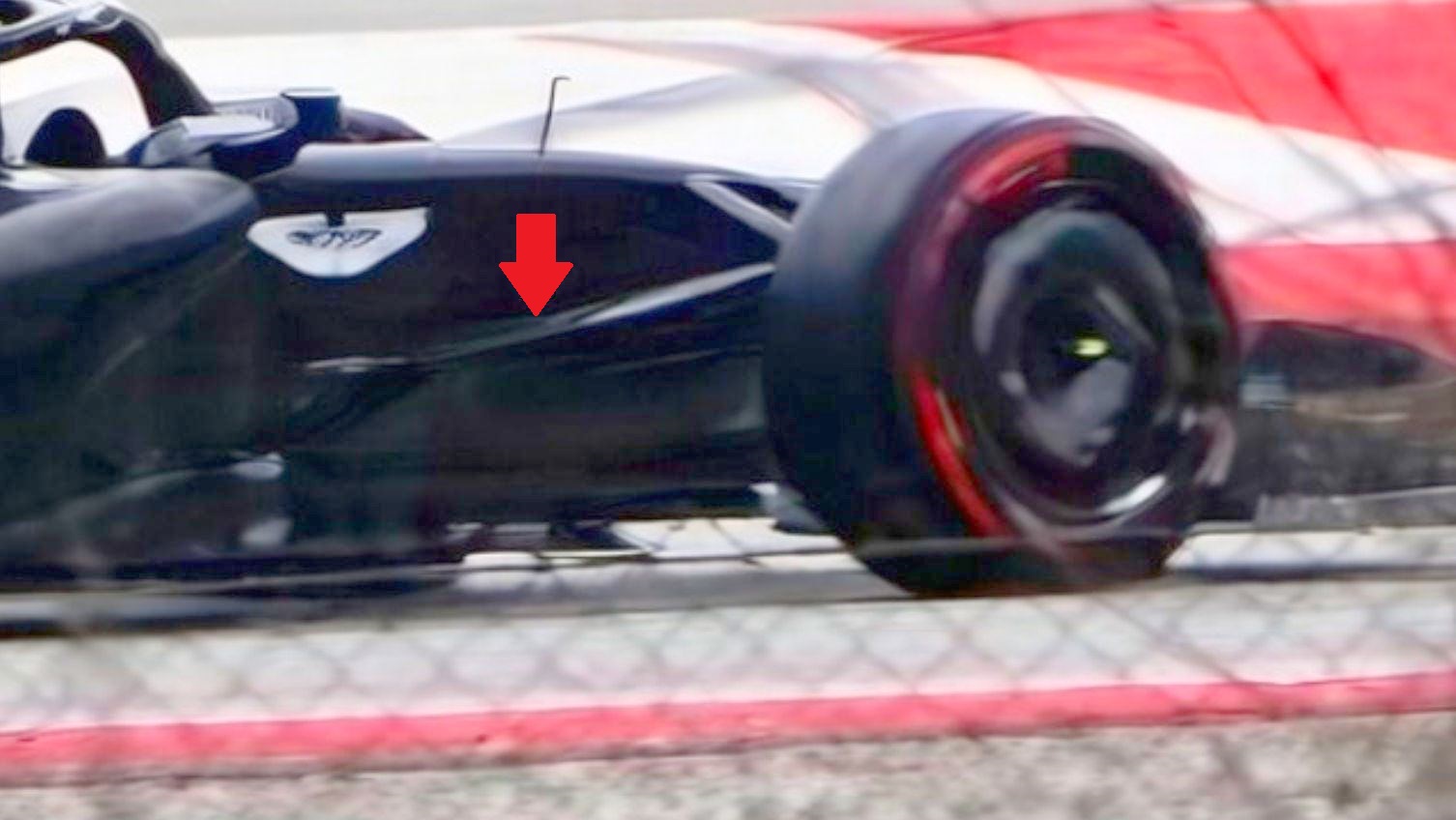
Moving rearward, the sidepods are slender and adopt an underbite layout with a floating, downwash configuration, complete with craftily shaped vanes supporting the mirrors. These are exceptionally short and narrow, emphasizing an extreme Coke-bottle shape, while upward-facing periscope-style inlets with funnel openings signal a shift away from traditional letterbox air intakes.
The engine cover boasts substantial forward-positioned vents and a triangular power unit air intake reminiscent of Ferrari’s concepts, flanked by twin winglets. A large shark fin extends nearly to the rear, and the narrow rear section includes a second skin around gearbox components for enhanced efficiency.
Suspension-wise, the AMR26 employs pushrod layouts at both ends with multi-link configurations, including an upper wishbone where the rear arm sits much lower than the front to promote anti-squat characteristics, even more radical than McLaren’s.
This double-pushrod setup aligns with a broader 2026 trend, chosen by Newey for better handling predictability and engine packaging under the new regulations, which feature a smaller diffuser and adapted ground effects.
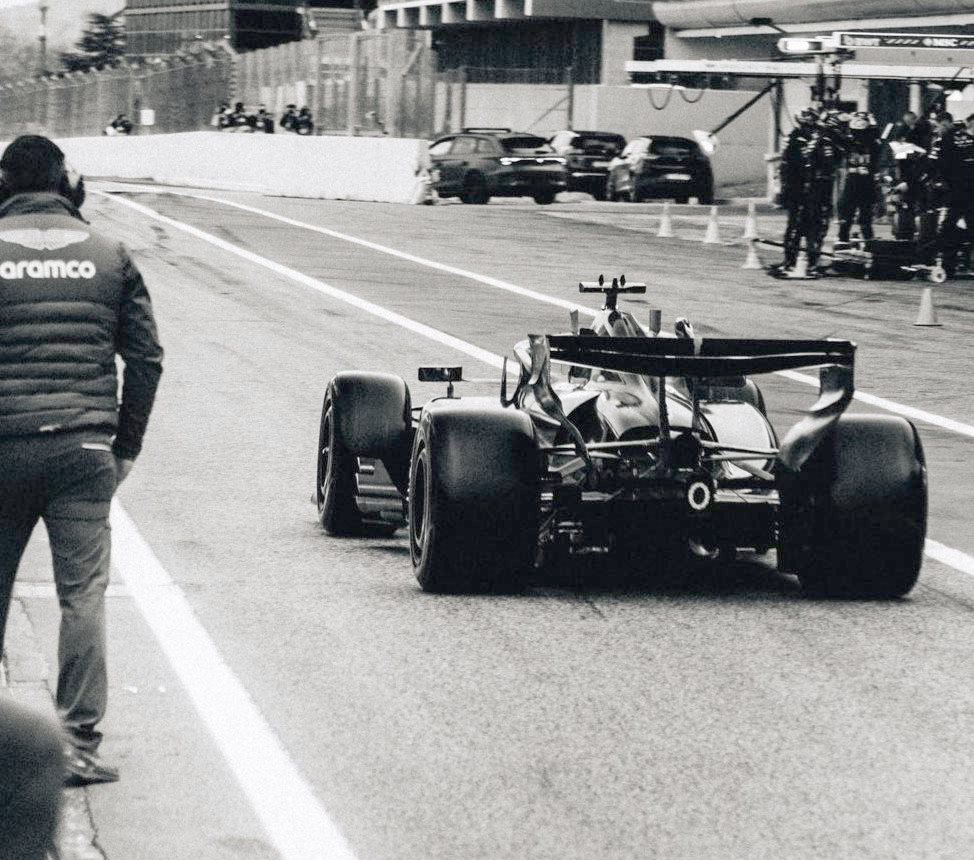
Newey’s fingerprints are evident throughout, from the wider, fatter nosecone and raked sidepods—a hallmark of his designs—to the homogeneous, sweeping airflow that minimizes external components for a cleaner, more beautiful aesthetic.
However, the car also bears influences from Enrico Cardile, suggesting a collaborative evolution that blends expertise. Elements like the cobra-style winglets around the halo and a mid-funnel outlet on concave bodywork echo past Newey innovations, such as those from his McLaren days, while the overall aggression reflects his unrestrained approach at Aston Martin.
Expert reactions have been mixed with intrigue. Sky F1 pundit Martin Brundle lauded Newey’s genius in regulation interpretation, noting the car’s potential to maximize the 2026 ruleset.
Yet, he raised valid question marks about Aston Martin’s readiness: Does Newey fully grasp the team’s wind tunnel correlation? Are the right personnel in place to execute his vision? And what about Honda’s engine, which is catching up after a hiatus?
Brundle highlighted Newey’s legendary reluctance to sign off designs, which contributed to the delay, and emphasized the challenges of hitting the ground running without Newey holding a team principal role. Still, he remains hopeful, assuming the AMR26 will prove competitive as the season unfolds.
Comparisons to rivals underscore the AMR26’s uniqueness. Its front wing solution mirrors Mercedes’, while the sidepod layout echoes the 2024 Aston but in a narrower form, with nods to historic designs like the Toro Rosso STR06. Unlike Ferrari’s more conservative ‘A-spec’ approach, Aston’s car arrives with intricate details, including a foot floor deflector array and a mouse hole in the diffuser for superior aerodynamics.
As pre-season testing shifts to Bahrain, the true performance of the AMR26 will come under scrutiny. Team principal Newey himself described it as “innovative and original,” a departure from competitors that justifies the extended development.
With Honda integration a key focus and drivers like Stroll and Alonso eager to push boundaries, Aston Martin is poised for a transformative year. Whether this radical machine delivers on-track revolution remains to be seen, but it has undoubtedly set the F1 paddock abuzz.