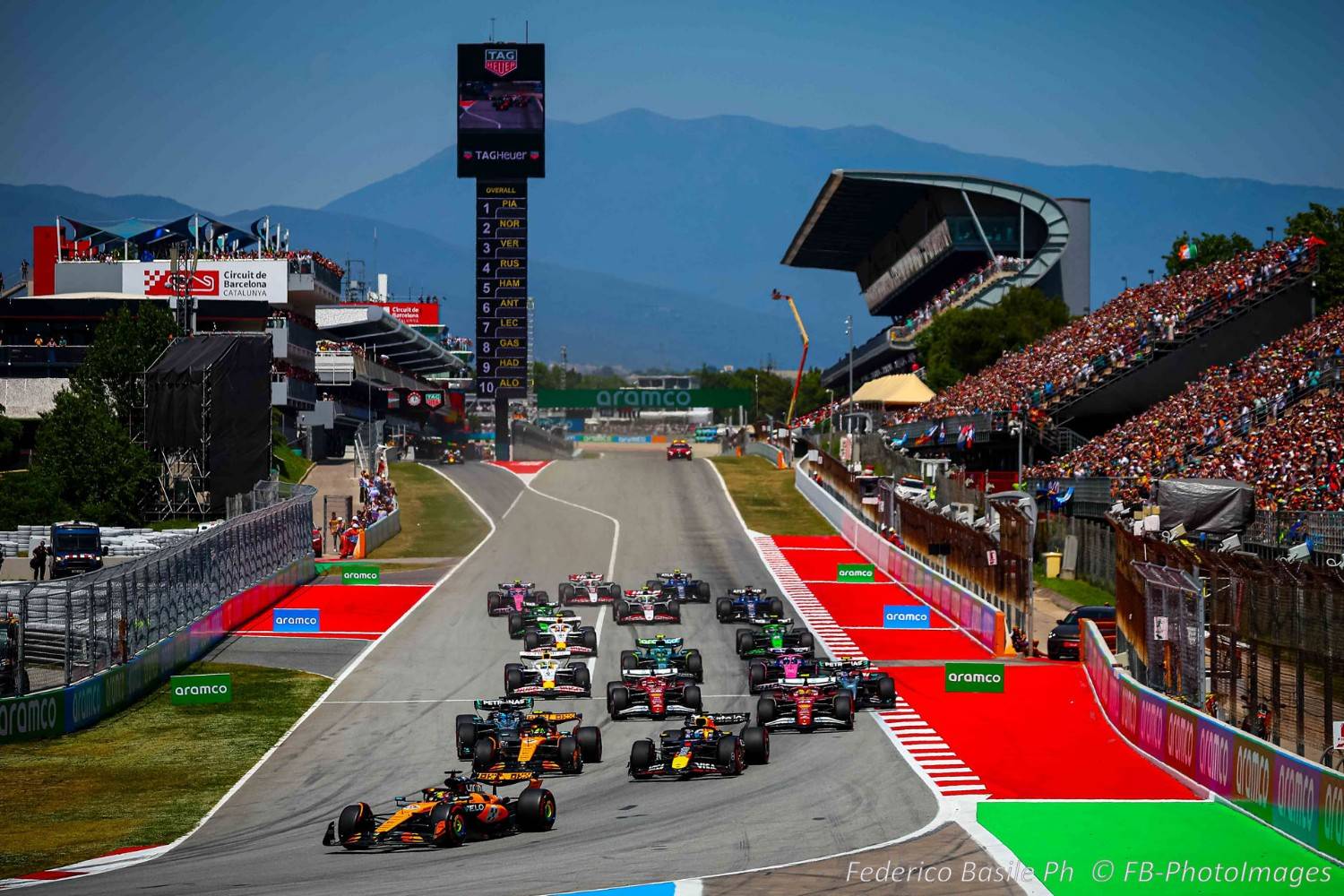
What the Current Grid Tells Us About the State of F1 Racing
A Formula 1 grid has always been more than a roll call. It’s a snapshot of priorities, compromises, and long-term bets. This one, in particular, feels unusually revealing. New names sit alongside familiar ones. Big manufacturers are staking their claim in F1 racing. Veterans are still here, not out of nostalgia but because they matter.
Look closely, and patterns start to form. Not the loud kind that announce themselves in headlines, but subtler signals about where the sport stands right now and where it thinks it’s going.
The current grid doesn’t shout about a new era. It suggests one, patiently, through choices that feel quietly intentional.
A Deliberate Balance Between Experience and Emerging Talent
The mix of drivers this season feels intentional in a way that’s hard to ignore. Teams aren’t chasing youth for novelty or clinging to experience for comfort. They’re combining them.
Seasoned drivers still anchor many lineups, valued for more than race-day execution. Their feedback shapes cars months before they’re raced.
Their instincts matter when simulations fail. That explains why drivers like Fernando Alonso continue to be trusted with development-heavy roles, or why a brand-new team like Cadillac turned to Sergio Pérez and Valtteri Bottas rather than rolling the dice on raw potential.
At the same time, young drivers are arriving with less ceremony and more confidence than ever. Graduates from elite junior programs step into seats with the expectation they’ll contribute immediately. Data has changed the equation. Teams now trust what they see long before a rookie turns a competitive lap.
For fans following the upcoming championship odds and expectations across F1 racing, this balance has become part of the sport’s rhythm. Familiar faces bring stability when projecting season-long contenders. New names introduce volatility that can shift assumptions from one Grand Prix to the next. Both elements shape how the year is read.
Driver Lineups That Prioritize Timing Over Comfort
Several recent moves make more sense when viewed through the lens of timing rather than loyalty. Isack Hadjar’s promotion to Red Bull stands out, not just because of who he is, but because of when it happened.
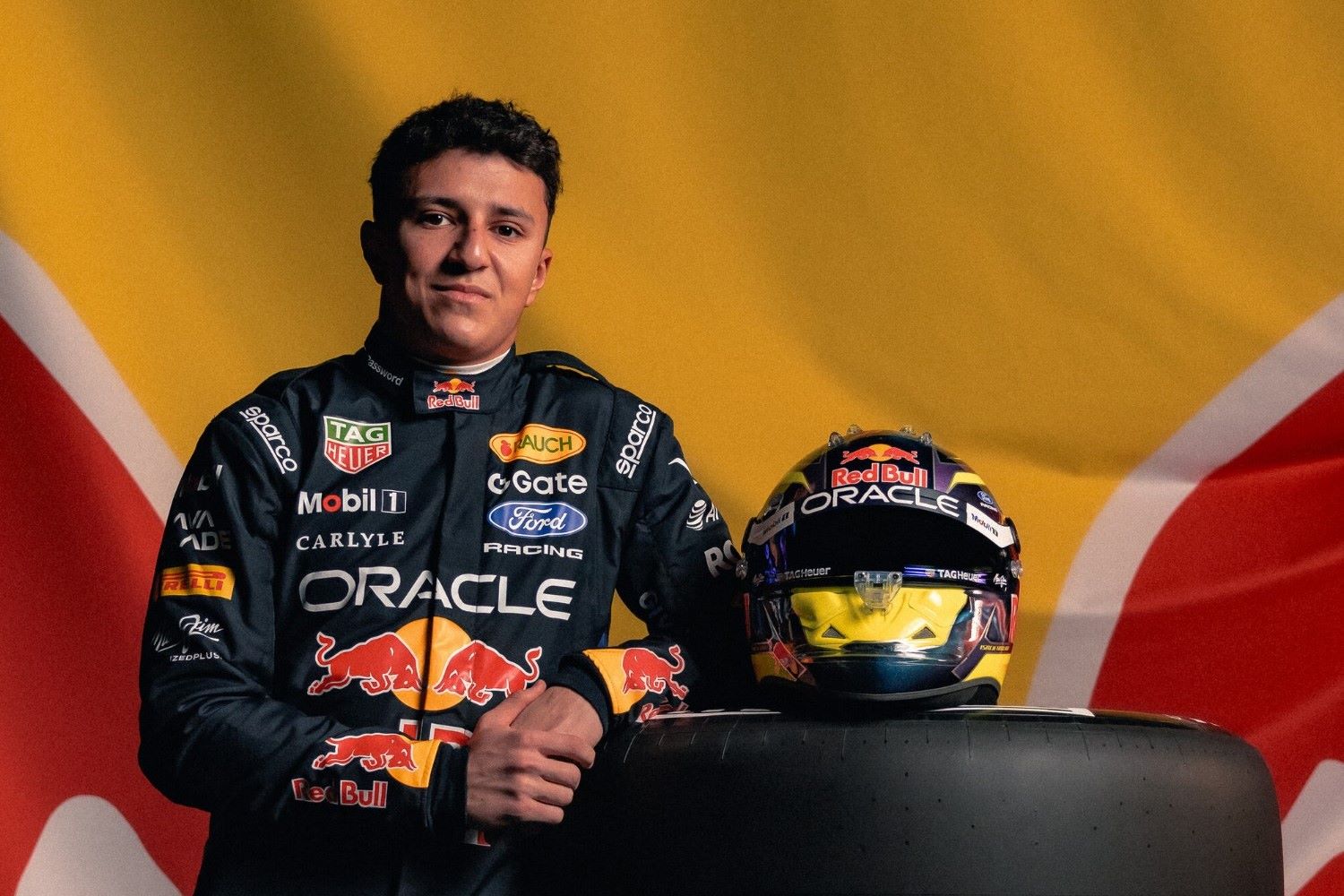
The approaching regulation overhaul has loosened the grip of stability. A seat that felt secure two seasons ago may look limiting now. Drivers appear more willing to gamble, sensing that the reset offers an opportunity that outweighs any risk. Teams, too, are making choices with the future in mind, sometimes at the expense of short-term harmony.
This has created a grid that feels fluid. Careers are being reshaped around windows of possibility instead of long-term contracts. It’s less about where you are today and more about where you might land when the rules change.
Manufacturer Presence Shapes Competitive Credibility
The grid also reflects how deeply manufacturer involvement now defines competitive ambition. Audi’s arrival as a full works team and Cadillac’s GM-backed entry aren’t symbolic gestures. They’re statements rooted in long-term technical and commercial intent.
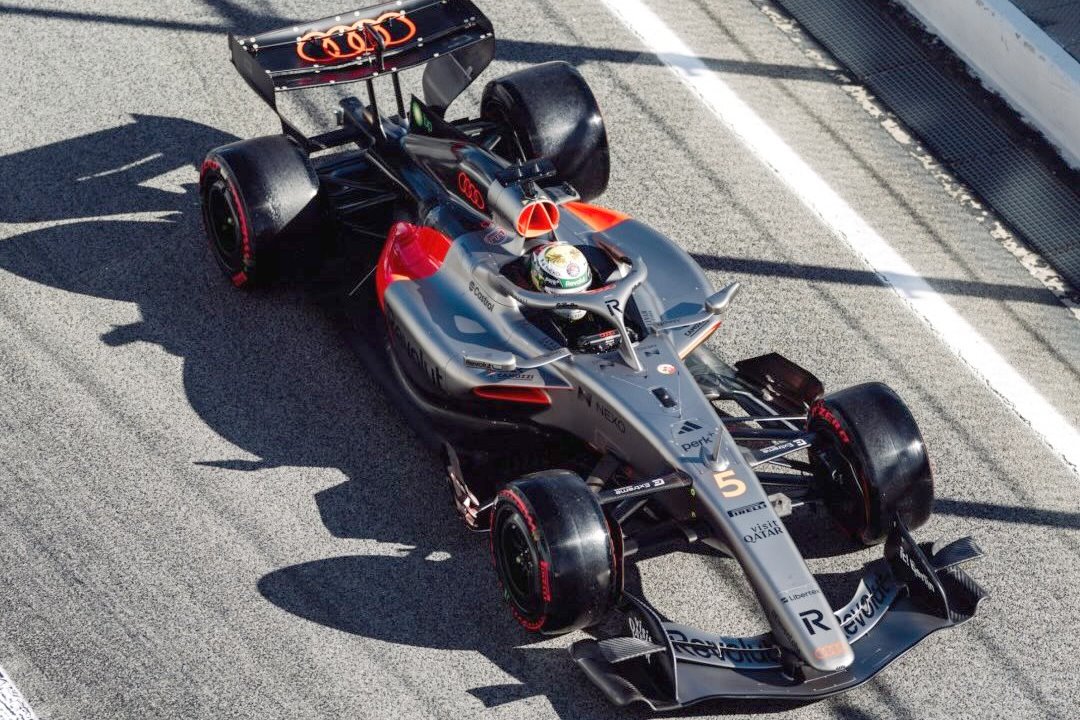
Formula 1 has repositioned itself as a serious platform for road-relevant technology, particularly as the sport transitions toward sustainable fuels and a more balanced hybrid power split. Manufacturers aren’t just attaching logos. They’re committing engineering resources, long-term budgets, and risking brand identity.
That commitment carries weight. Works teams increasingly set the benchmark, not just in performance, but in stability and direction. Independent outfits still matter, but the center of gravity has shifted. Success now looks inseparable from deep technical and financial backing.
Engineering Direction Is No Longer Uniform
Past regulation cycles often led teams toward similar solutions, at least initially. This time feels different. Smaller, lighter cars. Active aerodynamics. New suspension concepts. The rules invite interpretation rather than imitation, with room for divergent ideas to survive.
Some teams are betting on aggressive aero concepts. Others are prioritizing efficiency and energy deployment. There’s room for innovation, and that’s the point. The grid hints at a future where different philosophies thrive on different circuits, rather than one approach flattening the field.
History suggests what might follow. Major rule changes have a habit of elevating unexpected contenders. Mercedes in 2014. Red Bull in the ground-effect era. The current grid suggests teams believe another such shift is possible. Not guaranteed, but possible enough to justify bold thinking.
Competitive Balance Is Being Redefined by Uncertainty in F1 Racing
Parity has been promised before, but rarely delivered. This time, the goal seems less about equality and more about unpredictability, with outcomes harder to forecast week to week, even for the most prepared teams.
Budget caps force hard choices. Development paths split earlier. Some teams are already looking past the present season, accepting short-term pain for long-term positioning. Others are trying to stay competitive now without compromising what’s coming.
Drivers feel more central in this environment. Cars demand precision. Energy management adds complexity. Small mistakes carry larger consequences. Adaptability becomes a weapon. The grid reflects this quietly, favoring drivers known for intelligence and feel as much as outright speed.
For fans who track regulation shifts, performance swings, and evolving narratives through the latest F1 news and trends, this uncertainty is part of the appeal. Outcomes feel less scripted. Stories take longer to resolve.
A Grid That Points Toward a More Fluid Future
Taken together, the current grid feels like a sport mid-thought. Experience and youth coexist without tension. Manufacturers lean in rather than hover. Engineering paths diverge. Careers move with purpose instead of inertia.
Formula 1 doesn’t look settled right now. That’s not a weakness. It’s a signal. The grid suggests a championship willing to question its own patterns and accept discomfort in pursuit of relevance and competition.
The next era won’t announce itself all at once. It will arrive gradually, through choices already visible on the starting grid, often noticed only in hindsight.