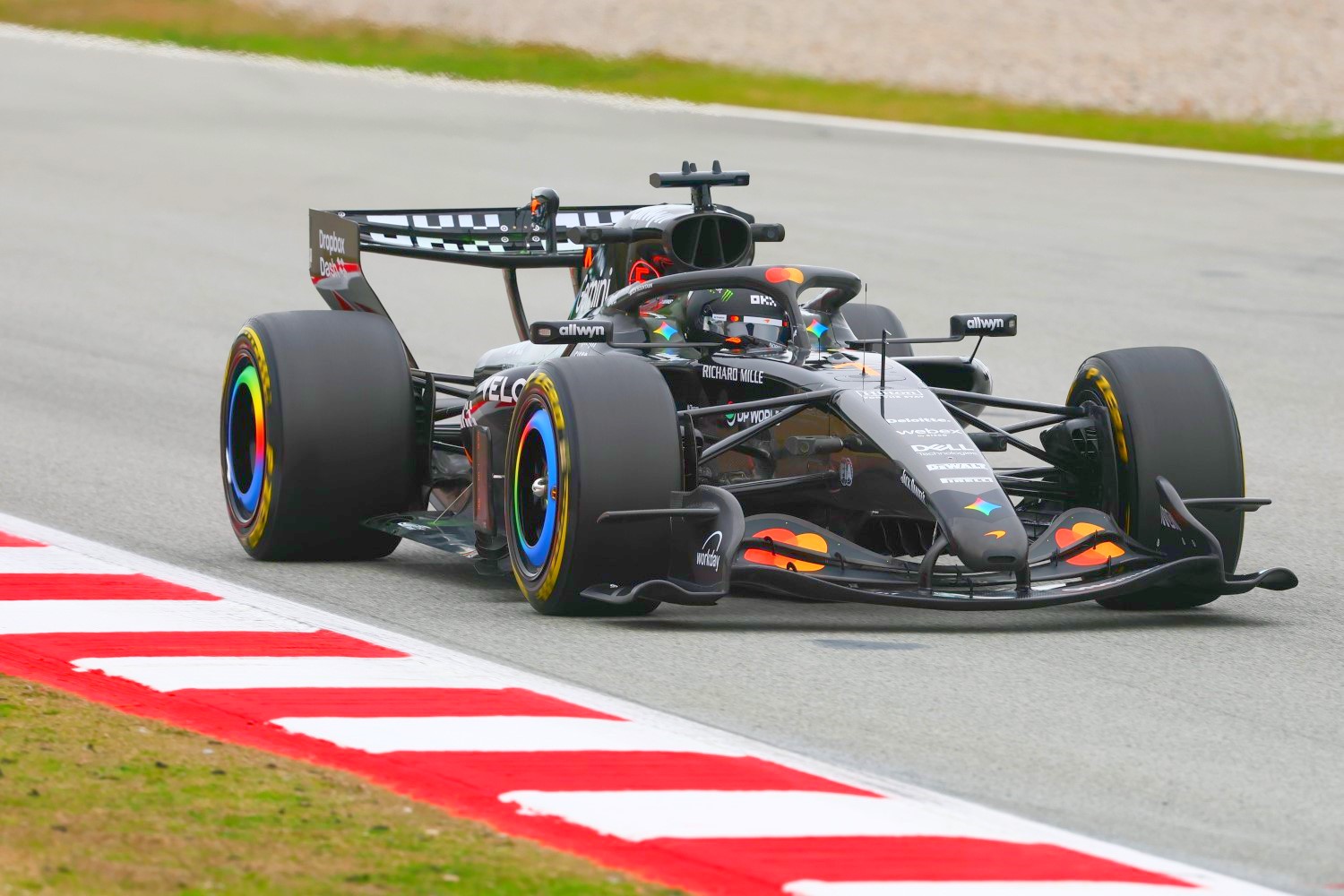
Formula 1 Rumor: P2P Worse Than DRS, harder to pass in 2026? (Update)

Esteban Ocon has raised concerns that the 2026 rules may not have delivered easier racing.
“In Barcelona I did a few laps behind other cars,” he said. “Chasing felt more difficult. There’s a significant balance change compared to clean air – maybe even more pronounced than with the previous generation. It’s early, but that was my feeling.”
Ocon added that the new overtake mode, which provides a short power boost when running within one second, has yet to transform the picture.
“At the moment, overtaking seems rather difficult,” he said. “Even though the system is still being optimized.”
Teammate Oliver Bearman echoed that assessment, reporting greater instability in dirty air.
“I was able to run close to other cars for a few laps,” the Briton said. “It was harder to follow, and the balance suffered more than with the current cars. That’s critical in wheel-to-wheel racing.”
Editor’s Note: Has Formula 1 and the FIA ruined F1 racing with their new ‘Frankenstein Cars’ just to appease the vocal tree-hugger nutjobs? Racing was so close the last couple of years, so they decided to ruin a good thing.
February 3, 2026
The Formula 1 rumor mill is buzzing ahead of the 2026 season: Could the new overtaking aids—particularly the much-discussed active aerodynamics and associated “Overtake Mode” also called Push-To-Pass or P2P—prove worse than the current DRS, potentially leading to near-zero passing on track?
–by Mark Cipolloni–
Recent comments from key figures, including Mercedes technical director James Allison and Haas driver Esteban Ocon (following the Barcelona shakedown), have fueled concerns that the overhyped systems might not deliver the promised improvement in racing action.
Allison: Overtake Mode Less Powerful Than DRS

James Allison described F1’s new “Overtake Mode” (sometimes referred to in contexts as a manual override or boost-related function or Push-To-Pass i.e. P2P) as less powerful than the DRS it replaces. DRS, in use since 2011, provided a significant aerodynamic advantage by opening the rear wing in designated zones when a driver was within one second of the car ahead, often creating decisive straight-line speed differences for overtakes.
The 2026 replacement shifts focus to the hybrid power unit. Overtake Mode allows trailing drivers to access extra electrical energy (around +0.5 MJ in some descriptions) when close to a rival, typically activated after passing a detection point. This provides a power surge on straights, benefiting the chasing car while the leader sees gradual power reduction above certain speeds (e.g., 290 km/h in earlier outlines).
However, Allison emphasized that its impact is tied to energy management and the car’s ability to harvest and deploy that extra power effectively—making it less potent overall than DRS’s straightforward aero advantage. He noted it could “mix things up” strategically as drivers adapt, but acknowledged it’s not the slam-dunk overtaking tool some hoped for.
Active aerodynamics—movable front and rear wings switching between high-downforce “Z-mode” (or Corner Mode) and low-drag “X-mode” (Straight Mode)—further complicate the picture. These can be used in designated zones without needing proximity to another car, democratizing drag reduction but removing DRS’s targeted, trailing-car bias. Allison suggested this could create varied racing dynamics, but early skepticism persists.
Ocon’s Reservations: “Simply DRS at the Front”
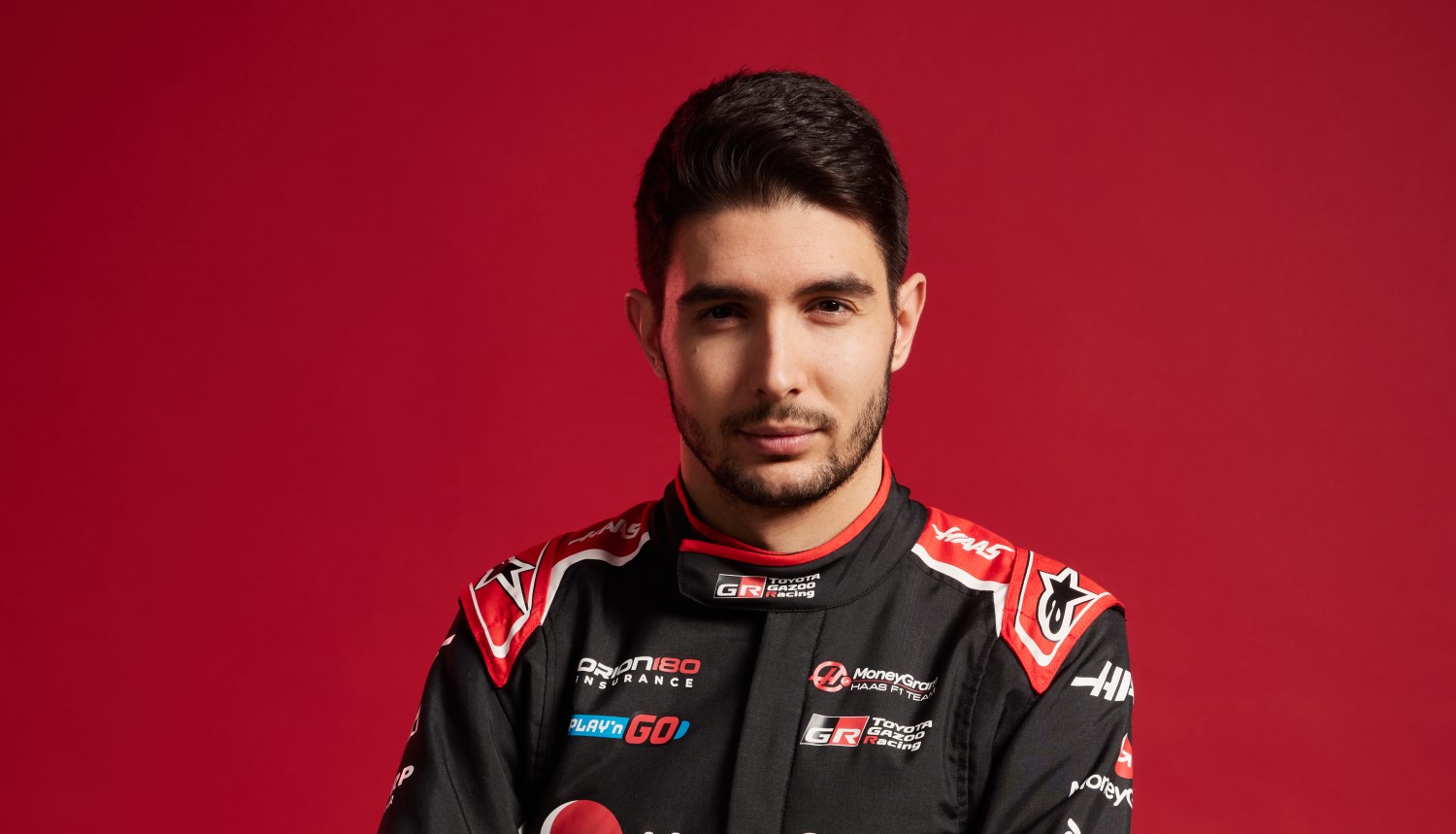
Esteban Ocon, speaking to L’Equipe after Haas’s productive Barcelona shakedown (where the team completed many laps despite late assembly and enjoyed strong reliability from the Ferrari power unit), offered a mixed but cautious verdict on the 2026 cars.
Positives included a dramatically different driving feel—with half the power from the electric motor requiring careful throttle and energy recovery management—and blistering straight-line speed. Ocon hit 350 km/h on a straight, a personal first, describing the sensation as “incredible.”
Yet on active aero, he was blunt: “It’s simply DRS at the front.” He felt the system—primarily adjusting the front wing alongside the rear—didn’t go far enough, expressing disappointment that it resembled an extended version of the old DRS rather than a bolder evolution. “We could have gone further,” he said.
More worryingly for fans, Ocon’s initial impression on overtaking was pessimistic: “My first impression is that it will be difficult to overtake. I don’t want to jump to conclusions, but I hope it will improve.”
He stopped short of definitive judgment, noting it’s early days, but the comment aligns with fears that reduced overall downforce (around 30% less), combined with energy-focused overtaking aids, might hinder close racing rather than enhance it.
Opposing Viewpoint: Fears Soothed After Initial On-Track Runs
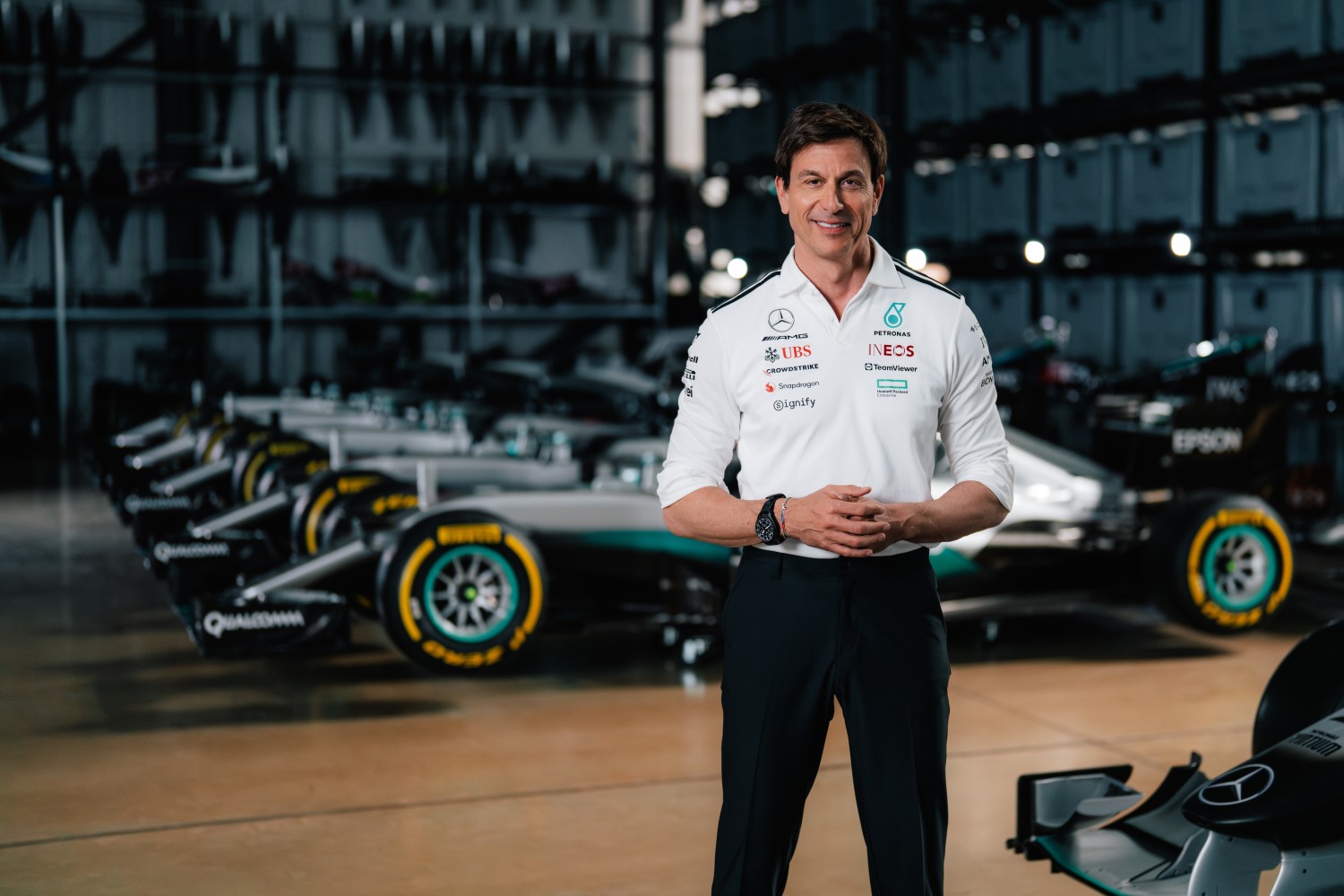
However, not all feedback paints a gloomy picture. Recent on-track experiences have begun to alleviate initial simulator-based concerns, with several drivers and team leaders expressing optimism about the 2026 rules’ potential to enhance racing. Disagreeing with his top engineer James Allison above, Mercedes boss Toto Wolff dismissed major downsides, stating, “I don’t see any worst points… I think the cars are awesome; they look spectacular… We are going to see much more overtaking, and we’re going to see it in areas that we wouldn’t expect.” He praised the active aerodynamics for improving aesthetics, noting the cars “look like Formula 1 cars again. They’re not too small, they’re not too big, they’re not like the whales of the past.”
On overtaking, Wolff highlighted an “additional dimension of intelligent driving, and tactics,” predicting “significant closing speeds on the straights” that could make passes more exciting, especially in wet conditions where re-harvesting energy might play a role. Mercedes driver George Russell echoed this, emphasizing that elements like downshifting on straights for energy harvesting feel intuitive: “There was obviously lots of chat around potentially having a downshift on the straights… but it doesn’t feel that abnormal… like if you’re driving your car up a hill, you’re still going flat out, but you’re losing a bit of speed and you may just downshift to give you a bit of extra revs.”
Lift and coast strategies, used in qualifying for optimal lap times, were compared to historical tire management practices. Russell added, “Drivers in the past have lifted and coasted very often to save the tires… And now we have a few additional quirks. But you still have to brake as late as possible, carry as much speed through the corners. The faster driver will still be the one who comes out on top.” Ocon himself noted that on qualifying-style runs, “we are doing lift and coast and stuff… It feels quite natural because it’s the fastest way of driving.”
Andrea Kimi Antonelli, Russell’s teammate, described the car as “much better than expected and it’s fun to drive… more agile, especially in change of direction and in slow speed corners.” Overall, these views counter fears of reduced passing by suggesting easier following, reduced porpoising (with Russell joking, “It’s nice to finally have no porpoising… my back is having an easier time!”), and a driving experience that’s more intuitive than anticipated—not akin to Formula E’s engineer-heavy style.
Early Pecking Order Hints and Broader Concerns
Ocon provided a snapshot of the Barcelona running: Mercedes looked very fast, Ferrari well-placed, Red Bull strong, and McLaren in the mix. Behind the top group, he anticipated a tight battle involving Racing Bulls (RB), Alpine, and Haas—while Audi and Cadillac appeared further back for now. More clarity is expected in Bahrain testing.
The rumor of “P2P worse than DRS, near zero passing” stems from these early driver and technical insights, amplified by the shift away from DRS’s proven (if artificial) overtaking boost. While the regulations aim for nimbler, more agile cars with better following ability through reduced dirty air and strategic energy play, real-world impressions suggest overtaking could become more challenging initially, especially if energy deployment proves too conservative or track-specific zones limit opportunities.
As teams and drivers continue adapting— with full pre-season testing still ahead—the 2026 era’s racing quality remains an open question. Will the new tools spark innovative battles, or will they result in processional races? The coming months will tell, but early voices like Allison and Ocon are raising valid doubts about whether the changes truly solve F1’s long-standing overtaking woes—or inadvertently make them worse.
As teams and drivers continue adapting—with full pre-season testing still ahead—the 2026 era’s racing quality remains an open question. Will the new tools spark innovative battles, or will they result in processional races? The coming months will tell, but contrasting voices like those from Mercedes are tempering the early doubts raised by Allison and Ocon.