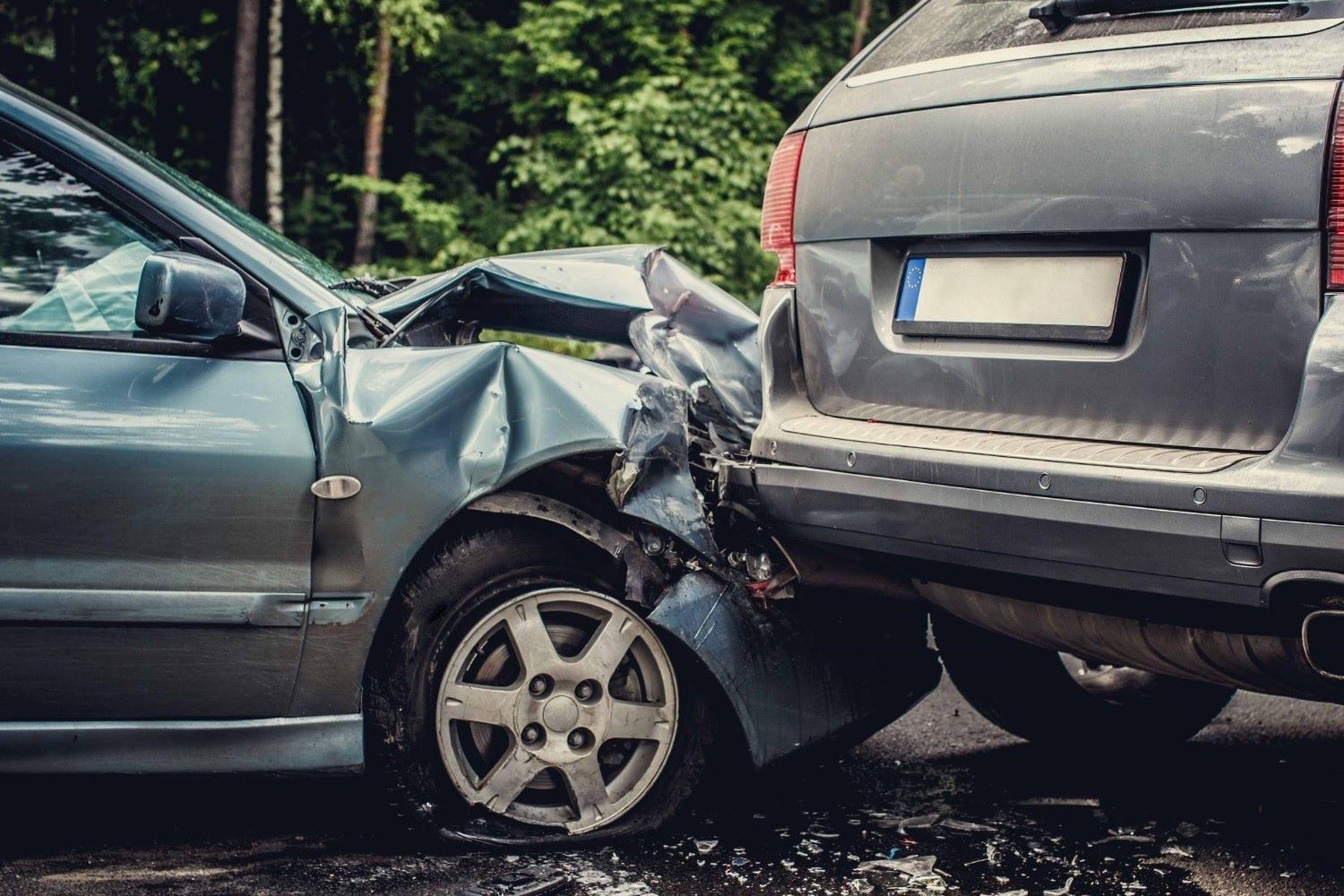
Automotive News: How an Attorney Assesses Liability in Car Accidents in Austin, TX
Traffic moves fast in Austin, TX, and even a split-second mistake can turn a routine drive into a complicated accident. Determining who is responsible is rarely straightforward. Drivers, passengers, and insurance companies often have different versions of the same event. The real work starts when an attorney steps in to piece together evidence, analyze actions, and clarify liability.
Knowing the steps a car accident attorney takes makes it clear why professional support matters for getting a just outcome.
Here’s how they do it:
1. Gathering and Reviewing Evidence
Evidence forms the backbone of any claim. After a collision, attorneys start by collecting all available documentation related to the accident. This includes the official accident report, witness statements, and photographs of the scene and vehicles. Photos can capture road conditions, damage angles, and skid marks that might otherwise be overlooked. Dashcam footage or nearby surveillance recordings also provide objective views of the crash. Every detail helps establish a clear picture of what happened, making it easier to determine responsibility.
An experienced attorney in Austin, TX, will carefully examine each piece of evidence, noting inconsistencies and confirming details. This thorough review ensures the case begins with a strong factual foundation, giving clients confidence in the claims process. Car accident lawyers in Austin, TX, often emphasize this step because accurate evidence can prevent delays and disputes later.
2. Evaluating Driver Behavior
Driver behavior is central to assessing accident liability. Attorneys look at whether one or more drivers violated traffic laws, ignored signals, or engaged in risky activities. Speeding, distracted driving, and driving under the influence are common factors that directly influence responsibility. By comparing witness statements, traffic citations, and accident reports, attorneys can pinpoint actions that contributed to the collision.
Even small mistakes, like a delayed brake response or improper lane change, can shift liability. Attorneys also consider the context, such as whether adverse weather, poor visibility, or road hazards influenced driver decisions. This evaluation balances responsibility against external conditions to fairly assess each party’s role.
3. Consulting Experts
Certain accidents require expert insight. Accident reconstruction specialists examine how vehicles moved, the force of impact, and the sequence of events. These professionals create a visual and technical explanation of the crash that is persuasive in negotiations or court. Medical experts also play a role, connecting injuries to the collision and clarifying how the accident caused harm.
Experts bring objectivity and technical knowledge that is beyond the average driver’s understanding. Their input ensures liability claims are backed by evidence that stands up under scrutiny. Attorneys coordinate with these experts to strengthen the credibility of the case.
4. Analyzing Insurance and Liability Policies
Insurance coverage and previous claims are crucial in accident liability assessment. Attorneys review policies to determine coverage limits, exclusions, and applicable clauses. Identifying all potentially responsible parties, including third parties like vehicle manufacturers or municipal authorities, ensures nothing is overlooked.
By understanding the nuances of insurance law in Texas, attorneys can craft strategies that protect clients from lowball settlements or denial of claims. Early review of insurance documents can also prevent costly mistakes that delay compensation.
5. Reviewing Vehicle Maintenance and Conditions
Sometimes accidents are influenced by factors beyond the driver’s control. Attorneys investigate vehicle maintenance records, checking for mechanical failures or defects. A malfunctioning brake, a tire blowout, or an unresolved manufacturer recall can affect liability. By documenting these details, lawyers provide a complete picture of contributing factors, which may alter responsibility between parties.
Clients often underestimate how much vehicle condition matters. Car accident lawyers ensure all mechanical evidence is considered, giving their clients the strongest chance of a fair recovery.
6. Considering Environmental and Road Factors
The environment plays a subtle but important role in accidents. Attorneys examine road conditions, signage, and lighting. Potholes, sharp turns, or faded markings may contribute to a collision. Weather conditions, like rain or fog, are also evaluated. Understanding these factors helps determine if responsibility is shared or if external conditions created unavoidable risks.
Analyzing these elements prevents misattributing blame solely to drivers and ensures settlements or legal outcomes reflect the full context of the accident.
7. Building a Case Strategy
After gathering evidence, evaluating drivers, consulting experts, and reviewing all factors, attorneys develop a case strategy. This includes compiling documents, witness statements, and expert opinions into a coherent presentation. The strategy guides negotiations with insurance companies or prepares the case for litigation if necessary.
A clear strategy allows attorneys to demonstrate negligence, responsibility, and damages convincingly. Every detail, from accident reports to weather conditions, becomes a part of the narrative that supports their client’s claim.
Key Steps Lawyers Take to Strengthen a Claim
- Collect and preserve physical evidence and photos.
- Secure statements from all witnesses while memories are fresh.
- Review medical records to connect injuries to the accident.
- Coordinate with reconstruction and medical experts.
- Analyze insurance coverage and liability clauses thoroughly.
- Document vehicle maintenance and mechanical conditions.
- Examine environmental and road factors affecting the accident.
Wrap-UP!
Determining liability in car accidents is a detailed, methodical process. Car accident lawyers in Austin, TX, examine every aspect of the incident, from driver behavior to environmental factors, to ensure responsibility is accurately assigned. Their work helps clients navigate insurance companies, prevent errors in claims, and pursue fair compensation.
By combining evidence, expert insights, and strategic planning, attorneys protect the rights of injured parties and clarify a process that often seems overwhelming. Understanding how liability is assessed shows why professional guidance is essential after any car accident.