Formula 1 News: How F1 Influences Engineering Education
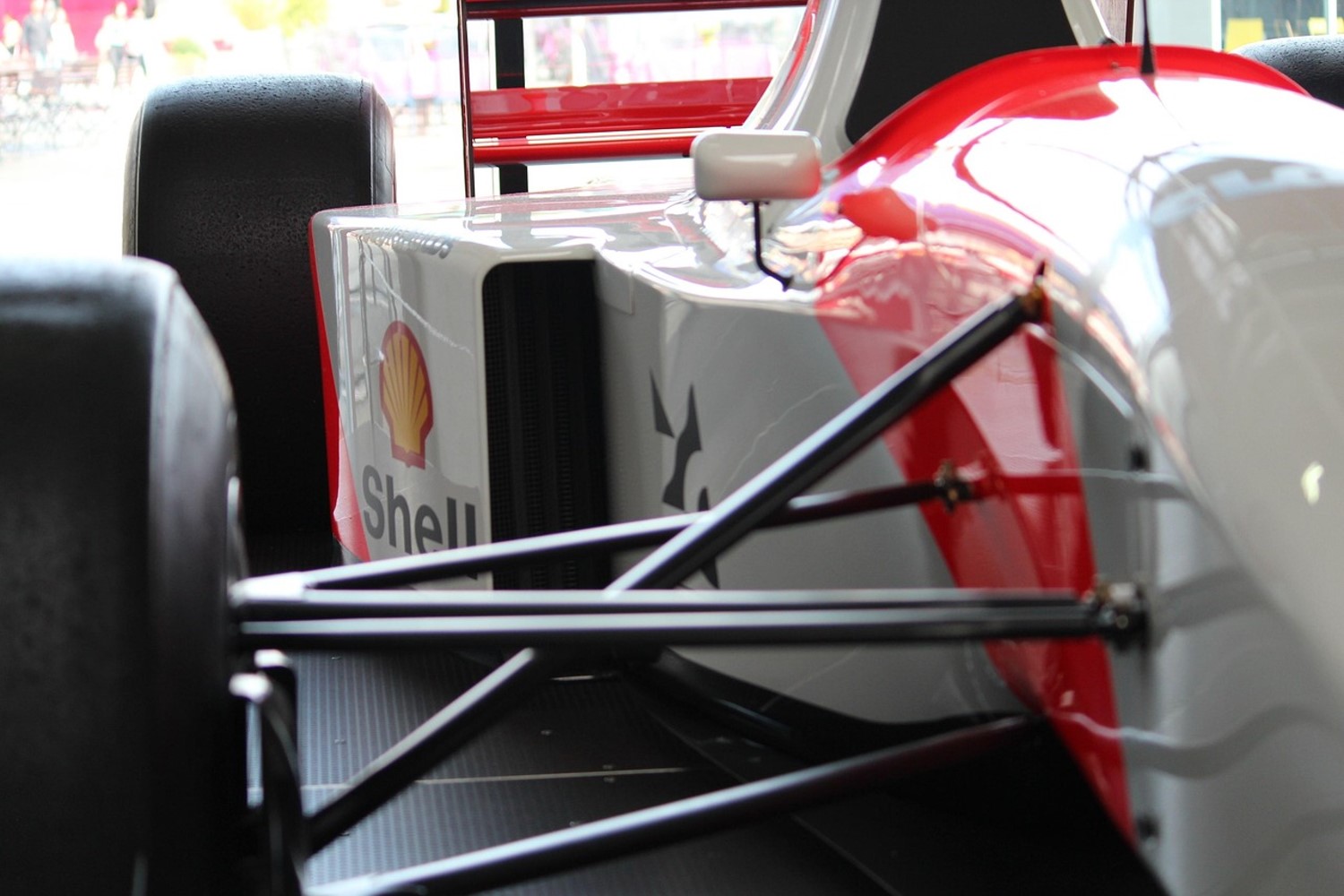
Formula 1 cars are basically rolling physics labs traveling at 200 mph. What teams figure out on track Sunday shows up in engineering textbooks quickly. Universities can’t ignore technology that turns theoretical concepts into championship-winning reality.
The gap between F1 and road cars keeps shrinking. Hybrid systems, active aero, and carbon fiber manufacturing all started in racing paddocks. Engineering programs now teach these as standard topics instead of exotic specialties only race engineers need.
Documenting Technical Innovations
Engineering students analyzing F1 tech compile mountains of documentation through entire semesters. You’re tracking regulation changes, comparing team approaches, and documenting performance data across multiple seasons. The technical material piles up fast when you’re covering aero updates, power unit specs, and tire strategies.
Organizing all that data into something truly readable becomes its own challenge. Technical analysis projects need all that engineering data organized properly . Students working on detailed F1 comparisons sometimes ponder the question “Can someone write a research paper for me?” while looking for professional assistance. This keeps focus on the actual engineering evaluation instead of fighting with formatting. Clear documentation helps identify which approaches work best under different rules. Well-organized analysis makes drawing real conclusions about performance trends way easier.
Case studies like these build practical understanding of how regulations shape innovation. Watching what F1 teams accomplish within strict technical rules teaches more about real-world constraints than any textbook chapter.
Problem Solving at 200 MPH
F1 teams fix impossible problems under insane deadlines. Gearbox explodes Friday morning? Design, manufacture, and test a replacement by Sunday warmup. Engineering students study these development cycles because they show how theory crashes into reality.
Red Bull designed their DRS system in six weeks flat back in 2011. Mercedes built the DAS steering system in secret, solving packaging problems everyone said couldn’t work. These aren’t textbook examples – they’re proof that creative thinking beats “impossible” every time.
Ground Effect Returns After 40 Years
Ground effect aero came back to F1 in 2022 after being banned since 1982. Universities immediately updated fluid dynamics courses to include Venturi tunnels and underfloor aerodynamics. Students now learn these principles as fundamental concepts instead of racing history trivia.
Wind tunnels still matter despite fancy computer simulations. Mercedes runs a 60% scale wind tunnel 24/7 during development season. Students learn that CFD complements physical testing but never replaces it. Real tunnels catch problems computers miss every time.
McLaren’s 2023 car showed how tiny aero changes create massive performance gaps. A 3mm adjustment to the floor edge gained 0.2 seconds per lap. That’s the difference between pole position and starting fifth. Engineering programs use these examples to hammer home why precision matters at elite levels.
Carbon Fiber Technology
F1 carbon fiber tech feeds directly into aerospace and automotive industries. Modern F1 chassis weigh around 175 pounds while surviving crashes that would demolish regular cars. Students study these structures to understand how material layup patterns and manufacturing create strength-to-weight ratios that shouldn’t be possible.
Brake discs hit 1800°F during heavy braking zones. Carbon-carbon composite brakes handle these temps while maintaining consistent bite lap after lap. Materials courses dissect F1 brake systems to teach thermal management under conditions that would melt steel.
The halo device introduced in 2018 must withstand 26,000 pounds of force – basically a loaded cement truck sitting on it. This titanium structure weighs 15 pounds. Students analyze how engineers achieved this through smart material selection and structural design.
Data Analysis Reality
F1 cars spit out 1.5 million data points per second during races. Teams transmit 3GB of data per race to operations centers back home. Engineering programs now offer motorsport-specific data analysis courses because this volume of real-time information is insane.
Mercedes F1 employs over 70 data analysts working simultaneously during race weekends. They’re tracking tire temps, fuel consumption, competitor lap times, weather patterns, and about fifty other variables all at once. Students learn database management and predictive modeling using actual F1 datasets.
Machine learning in F1 strategy has become a standard curriculum. Teams use AI to predict optimal pit windows, tire strategy, and fuel management. Engineering students study these algorithms to see how data science meshes with mechanical engineering in the real world.
Engineering Disciplines F1 Pushes Forward
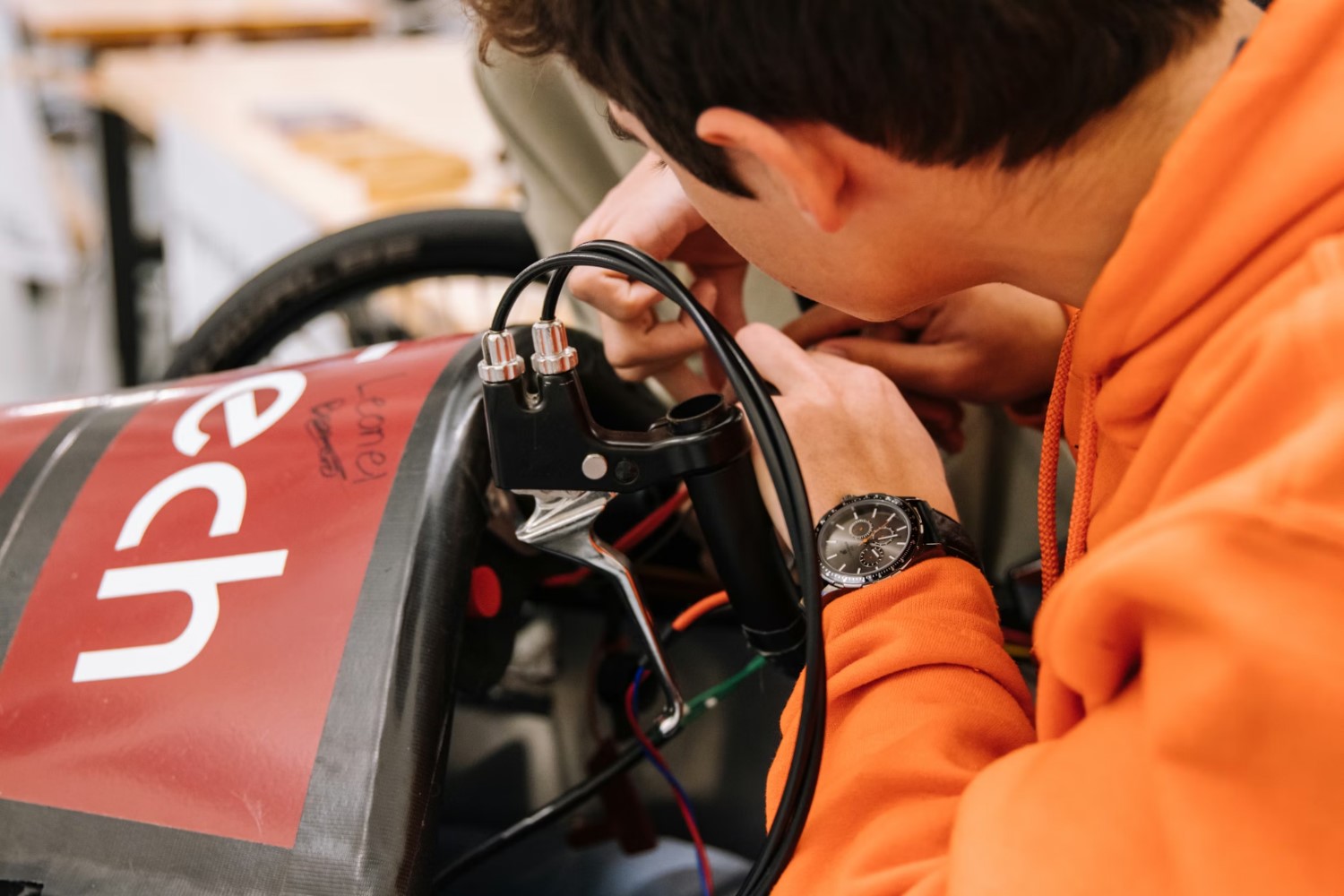
F1 technology drives multiple engineering fields at once:
- Computational Fluid Dynamics – Teams run millions of simulations yearly testing aero concepts before building anything
- Finite Element Analysis – Every single component gets FEA testing to optimize weight while keeping strength
- Rapid Prototyping – 3D printing allows overnight manufacturing of test parts for Saturday practice
- Hybrid Power Systems – F1 MGU-K and MGU-H tech directly influenced every road car hybrid you see today
- Lightweight Structures – Carbon fiber techniques developed for F1 now appear in airplanes and supercars
- Real-time Processing – Telemetry systems handle massive data streams with millisecond response times
Power Units Achieving the Impossible
Current F1 power units hit over 50% thermal efficiency. Your average road car engine manages 30-35% on a good day. That 15-20% gap represents what experts said was theoretically impossible just 15 years ago.
Mercedes’ split-turbo design put the compressor and turbine at opposite engine ends. This weird layout solved problems everyone else said couldn’t be fixed. Engineering students study this to learn that unconventional thinking solves problems conventional wisdom says are impossible.
Honda returned to F1 in 2015 and initially got destroyed on reliability. By 2021, they matched Mercedes on power. This development shows students that methodical problem-solving beats initial failures when you refuse to quit.
Suspension Systems That Got Too Good
Active suspension dominated F1 in the early 1990s before getting banned for working too well. The tech eventually showed up in luxury road cars decades later. Students learn that racing regulations sometimes push innovation in backwards directions.
Mercedes’ DAS system let drivers adjust front toe angle while driving straight. The FIA banned it after one season because it was too effective. Sometimes the best engineering gets outlawed precisely because it works perfectly.
Manufacturing to Micron Tolerances
F1 teams manufacture parts to tolerances measured in thousandths of millimeters. A 0.1mm error in aero surfaces costs measurable lap time. Students learn precision manufacturing that makes regular automotive standards look sloppy.
Red Bull’s 3D-printed titanium components show additive manufacturing at its peak. These parts handle extreme loads while weighing less than traditionally made alternatives. Engineering programs use these to teach manufacturing techniques that didn’t exist five years ago.
University Partnerships With Teams
Top engineering schools partner directly with F1 teams. These deals give students access to real racing data, professional engineers, and facilities most universities can’t touch. Teams benefit from fresh perspectives while students tackle genuine racing challenges.
Formula Student competitions use F1-style rules and attract 600+ university teams globally. Students design, build, and race their own cars applying what they learned from professional racing. Tons of current F1 engineers started through Formula Student programs.
Career Path From Classroom to Paddock
F1 teams recruit straight from top programs. Mercedes HPP grabs graduates from MIT, Georgia Tech, and Stanford. Ferrari pulls talent from Politecnico di Milano. These pipelines show which schools teach F1-relevant skills effectively.
Starting salaries for F1 engineers with relevant degrees range from $45,000-$65,000. Senior aerodynamicists earn $100,000-$150,000 annually. Top technical directors pull over $1 million. These numbers attract serious engineering talent to motorsport careers.
Conclusion
F1 shapes engineering education by proving theoretical concepts work under extreme conditions. Universities update courses based on innovations proven at 200 mph. Students studying F1 tech get exposed to cutting-edge engineering years before it reaches consumer products.
The sport’s regulations force creative solutions within brutal constraints. This teaches valuable lessons about real-world limitations that textbooks miss. Whether analyzing aero, studying hybrid powertrains, or processing telemetry data, F1 provides endless examples of engineering theory applied at the absolute highest level.