Pushing Boundaries: The Dawn of Porsche’s GEN4 Formula E Revolution
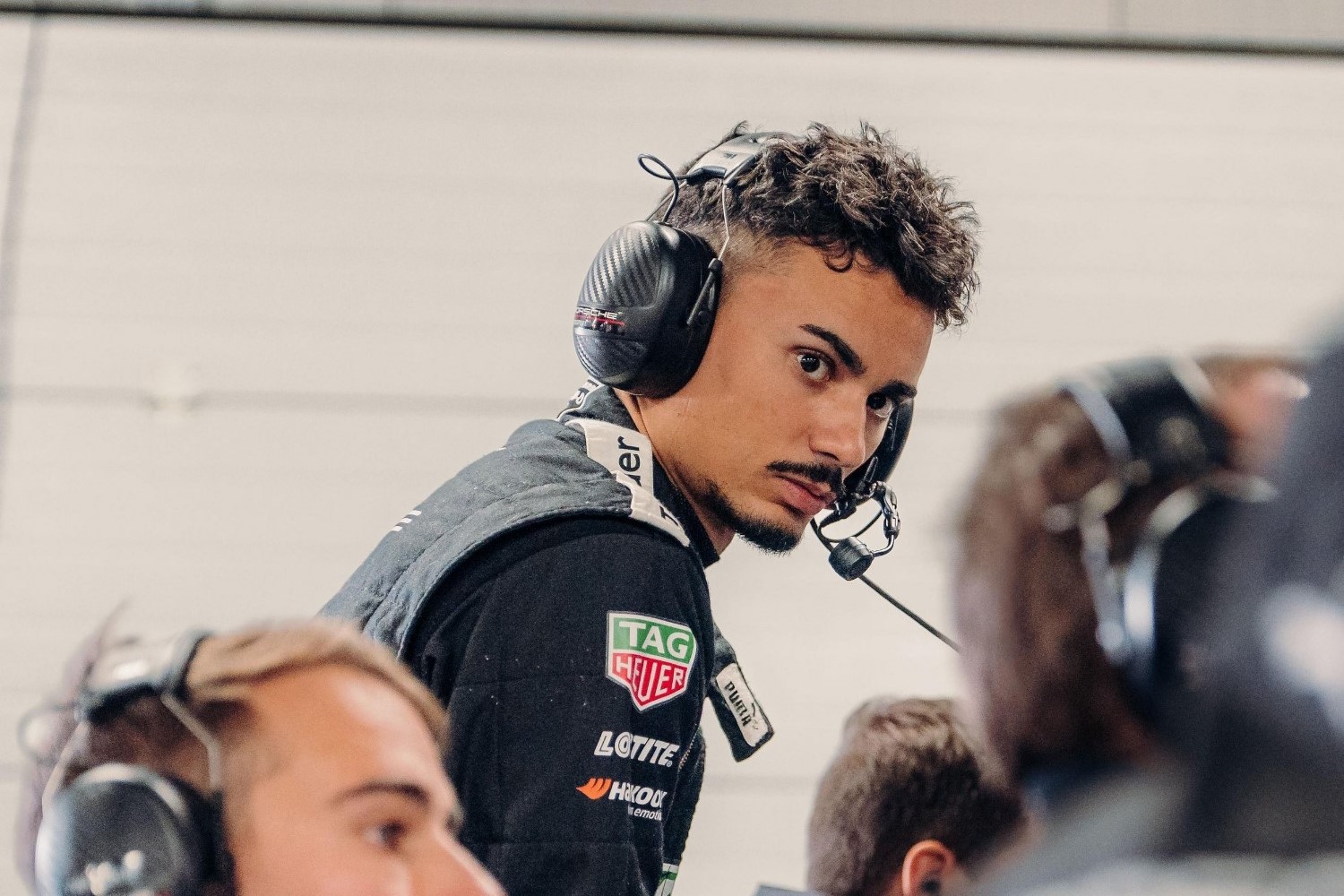
In the sun-drenched circuits of southern Spain, under the watchful eyes of engineers and the vast blue sky, a new era in electric racing roared to life. It was mid-January 2026, and Porsche factory driver Pascal Wehrlein strapped into the cockpit of the GEN4 Porsche Formula E car for the first time.
–by Mark Cipolloni–
As he punched the accelerator, the machine surged forward with 600 kW—that’s 816 horsepower—of raw electric fury, permanent all-wheel drive gripping the asphalt like a predator on the hunt. “It is really fast and great fun to drive,” Wehrlein later recounted, his eyes still wide with adrenaline.
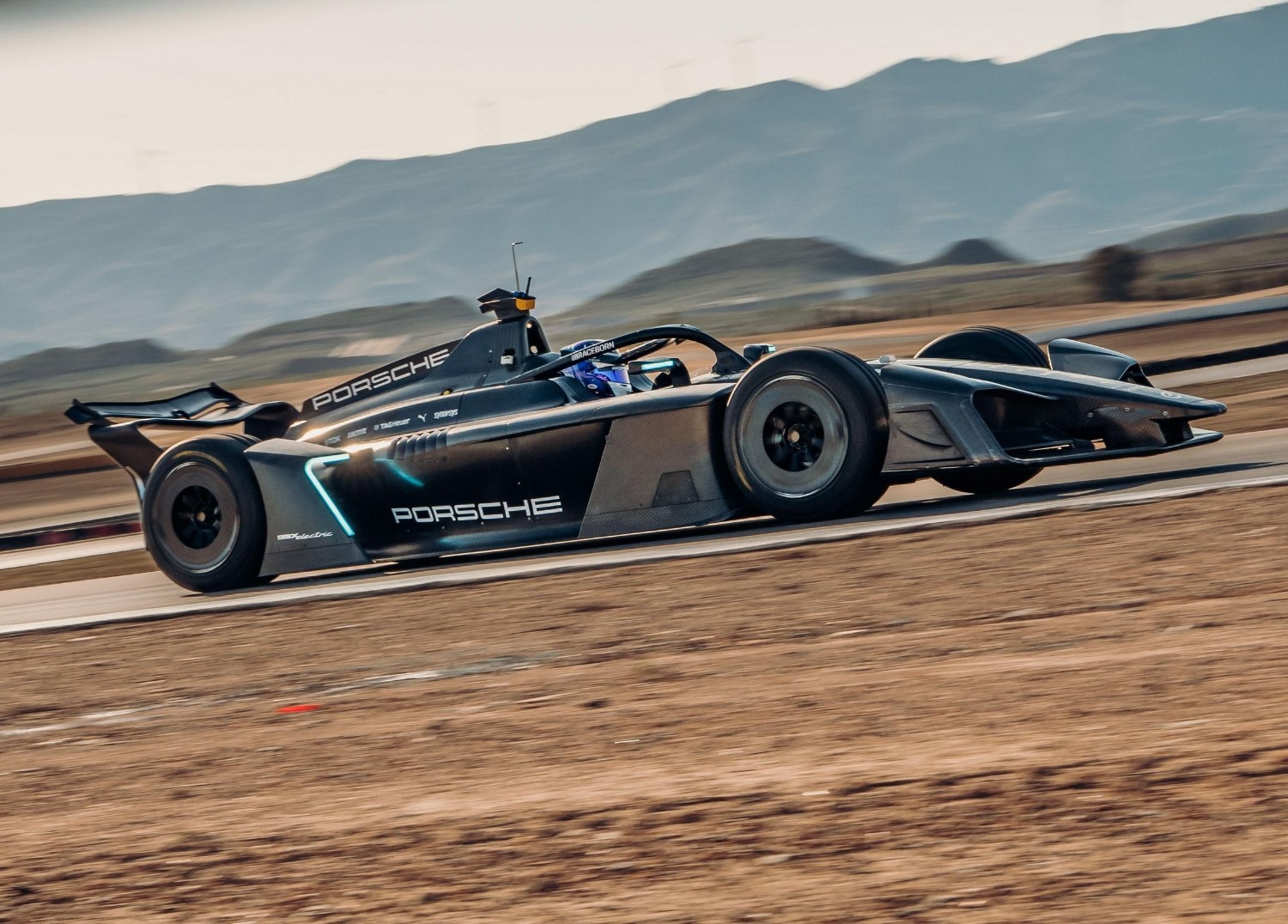
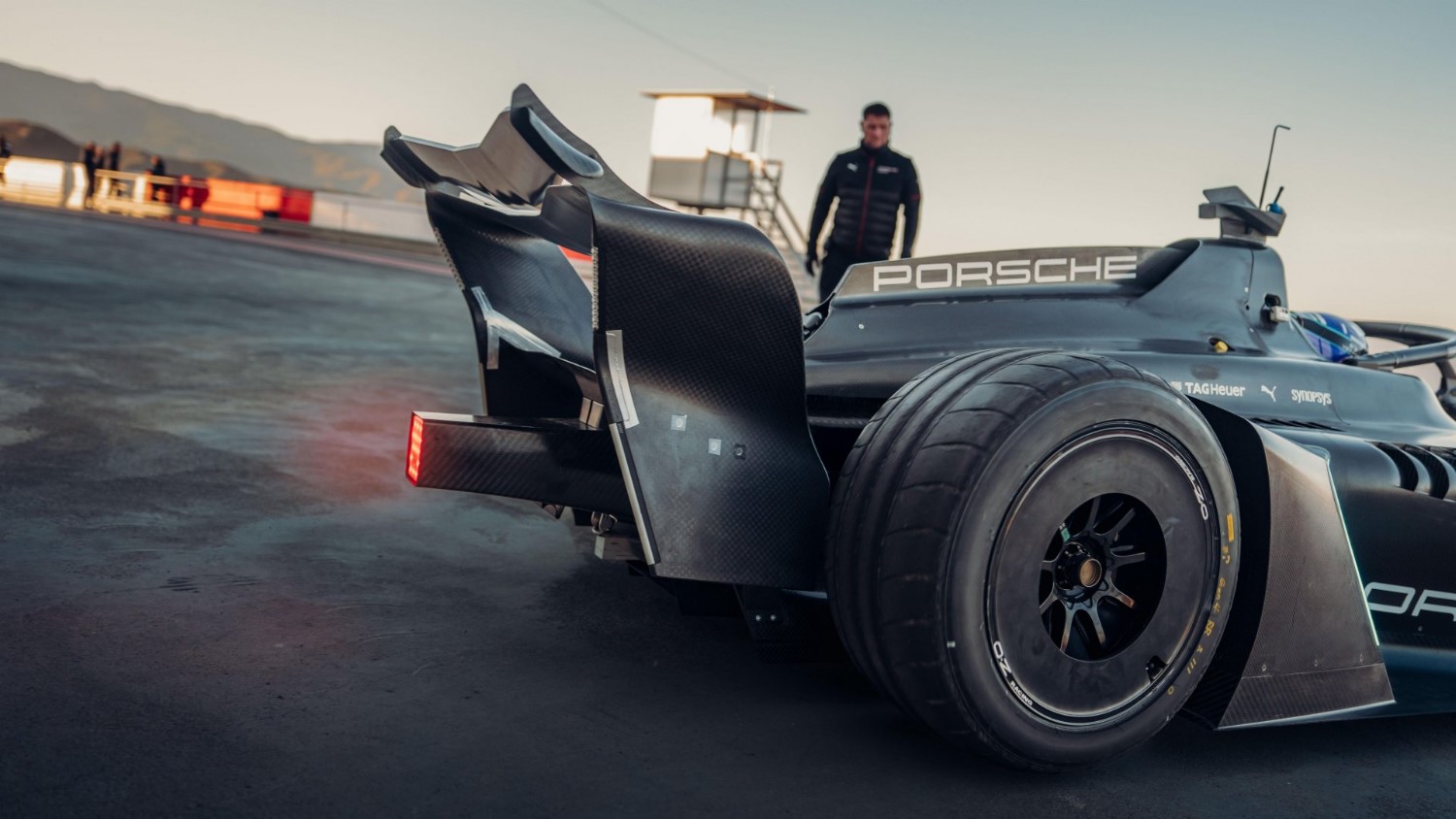
“Thanks to the new aerodynamics, we are significantly quicker, especially through the faster corners. They generate noticeable downforce.”
This wasn’t just another test lap; it was the birth of a revolution in the ABB FIA Formula E World Championship, where Porsche is pushing the limits of what’s possible in an all-electric single-seater.
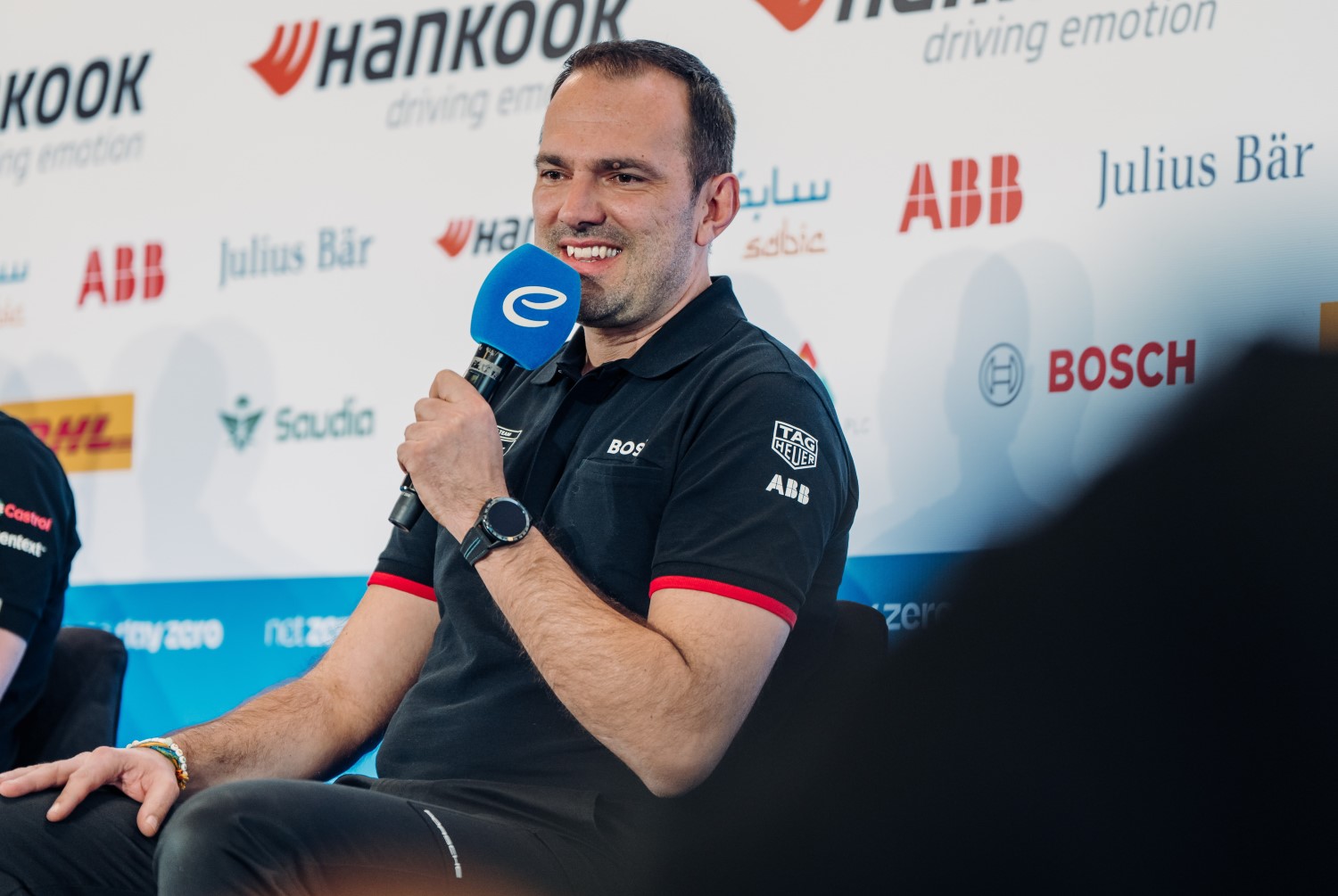
The story of the GEN4 begins in the high-stakes labs and workshops of Stuttgart, where Porsche Motorsport’s team has been toiling since 2024. Amid the chaos of defending titles in the ongoing season, they juggled three generations of cars: the battle-hardened GEN3, its evolved sibling GEN3 Evo, and now this boundary-breaking GEN4. Florian Modlinger, Director Factory Motorsport Formula E, described the pressure as “extreme agile working,” mirroring the fast-paced cycles of Porsche’s road car development but under the microscope of an FIA World Championship.
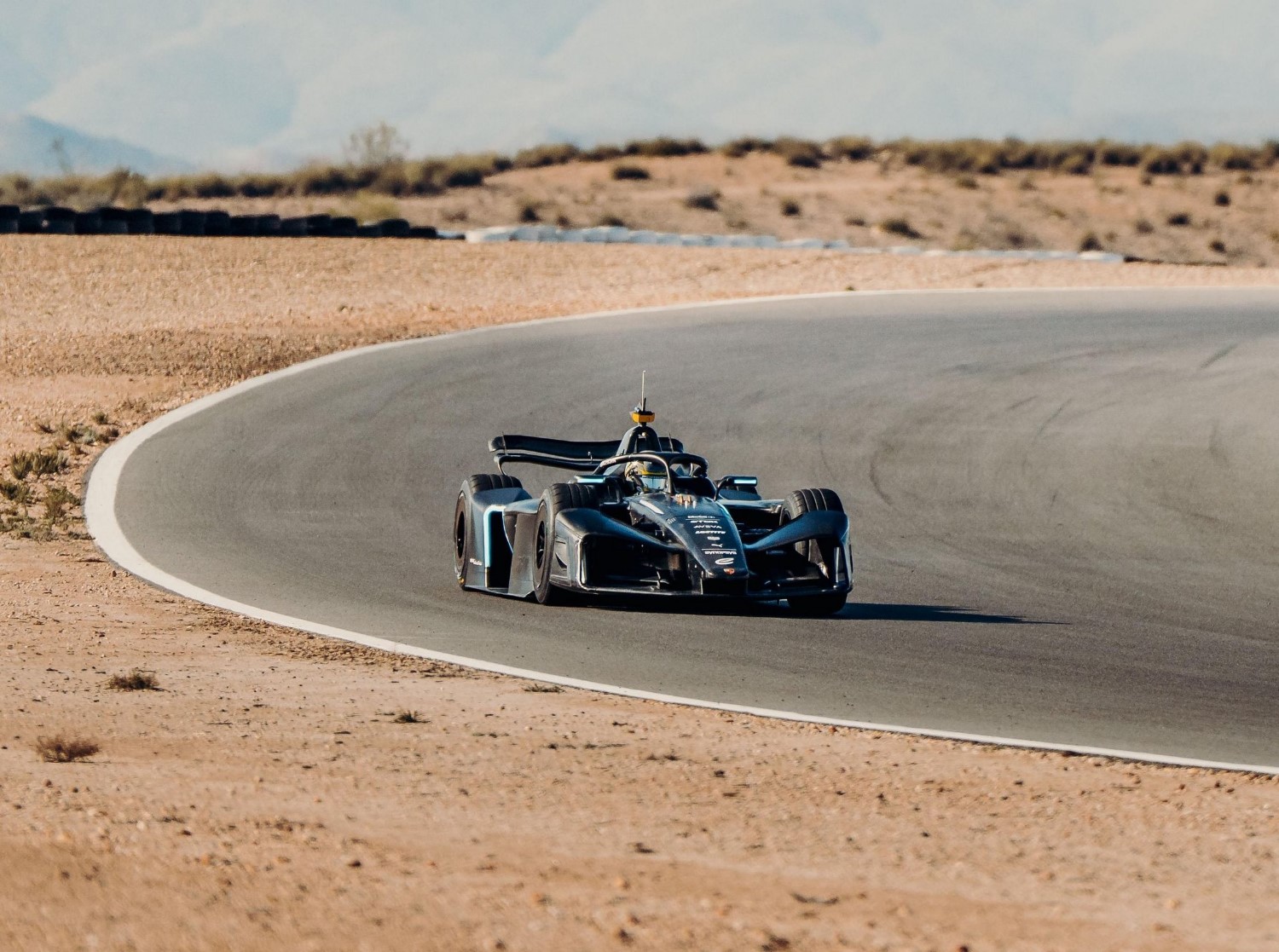
“We work in an agile way, similar to series-production projects: you run the existing vehicle, bring the facelift to market and already design the next generation,” he explained. “The difference is that our cycles are shorter and our budgets smaller—with maximum pressure to succeed.”
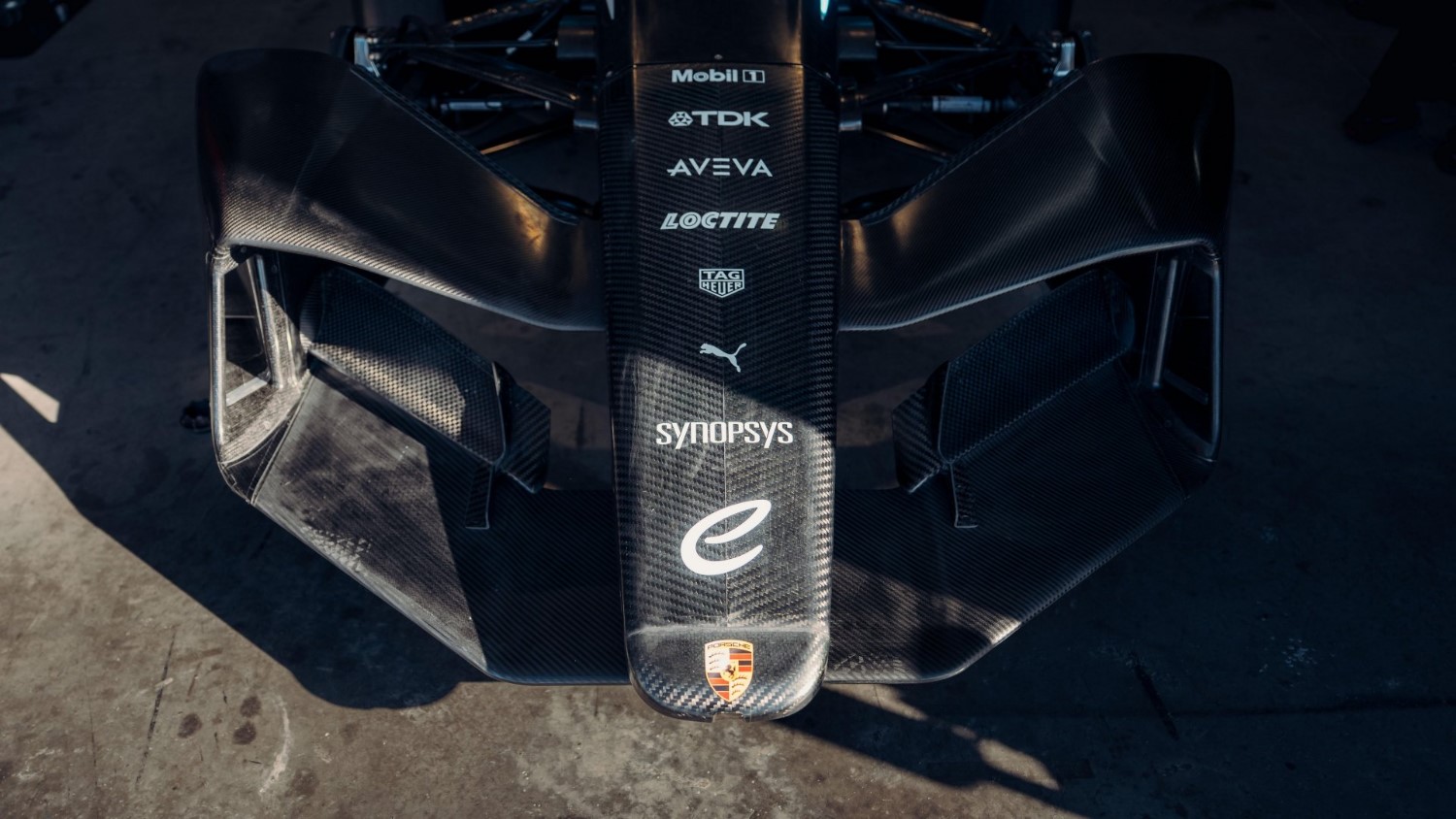
At the heart of this beast is Porsche’s most extensive in-house hardware package yet. Building on their already impressive drivetrain efficiency—over 97% from battery to wheel, losing less than 3% of energy—the GEN4 amps up the ante with lighter, more powerful, and durable components that slash costs without compromising performance. New additions like the DC/DC converter and brake-by-wire system join a lineup of Porsche-engineered gems: the operating software, pulse inverter, electric motor, gearbox, differential, drive shafts, cooling systems, and rear suspension.
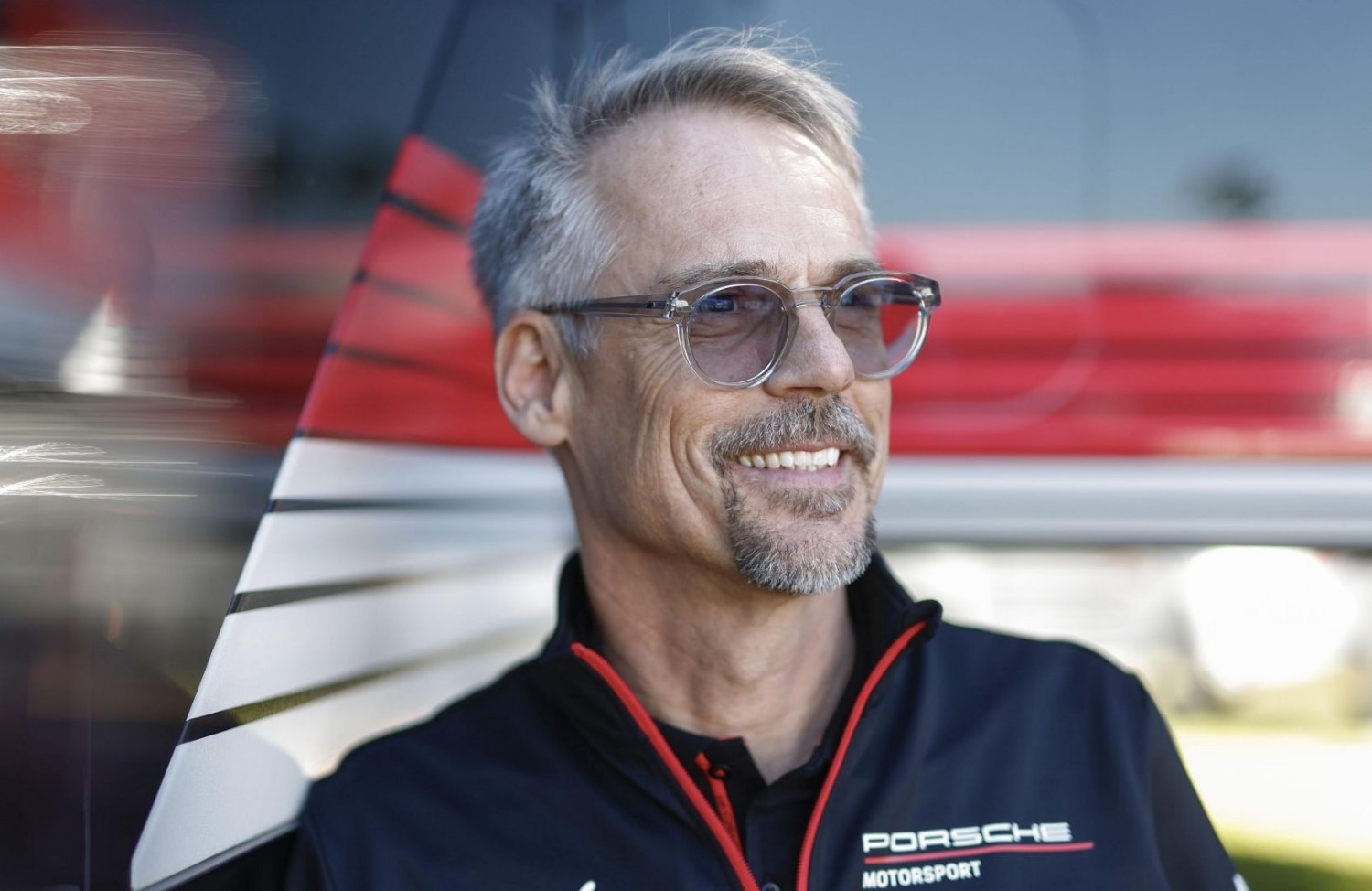
Thomas Laudenbach, Vice President Porsche Motorsport, put it plainly: “In Formula E, we primarily develop the technical components that are relevant for our production sports cars. That is one of the reasons why we compete in Formula E.” It’s a symbiotic relationship, where track innovations feed directly into the electric vehicles zipping down highways worldwide.
By mid-January, the GEN4 had clocked 1,472 test kilometers on the twists of Monteblanco and Almería, but much of the magic happened in simulators back home—saving resources while honing every detail. The development brief was ambitious: boost efficiency, trim weight, extend durability, and cut costs, all while delivering a 71% power hike in Attack Mode.
Modlinger called it “a revolution,” and watching the car accelerate for the first time was “a real pleasure.” New tires and significantly increased downforce make it handle like never before, allowing drivers to attack corners with newfound aggression.
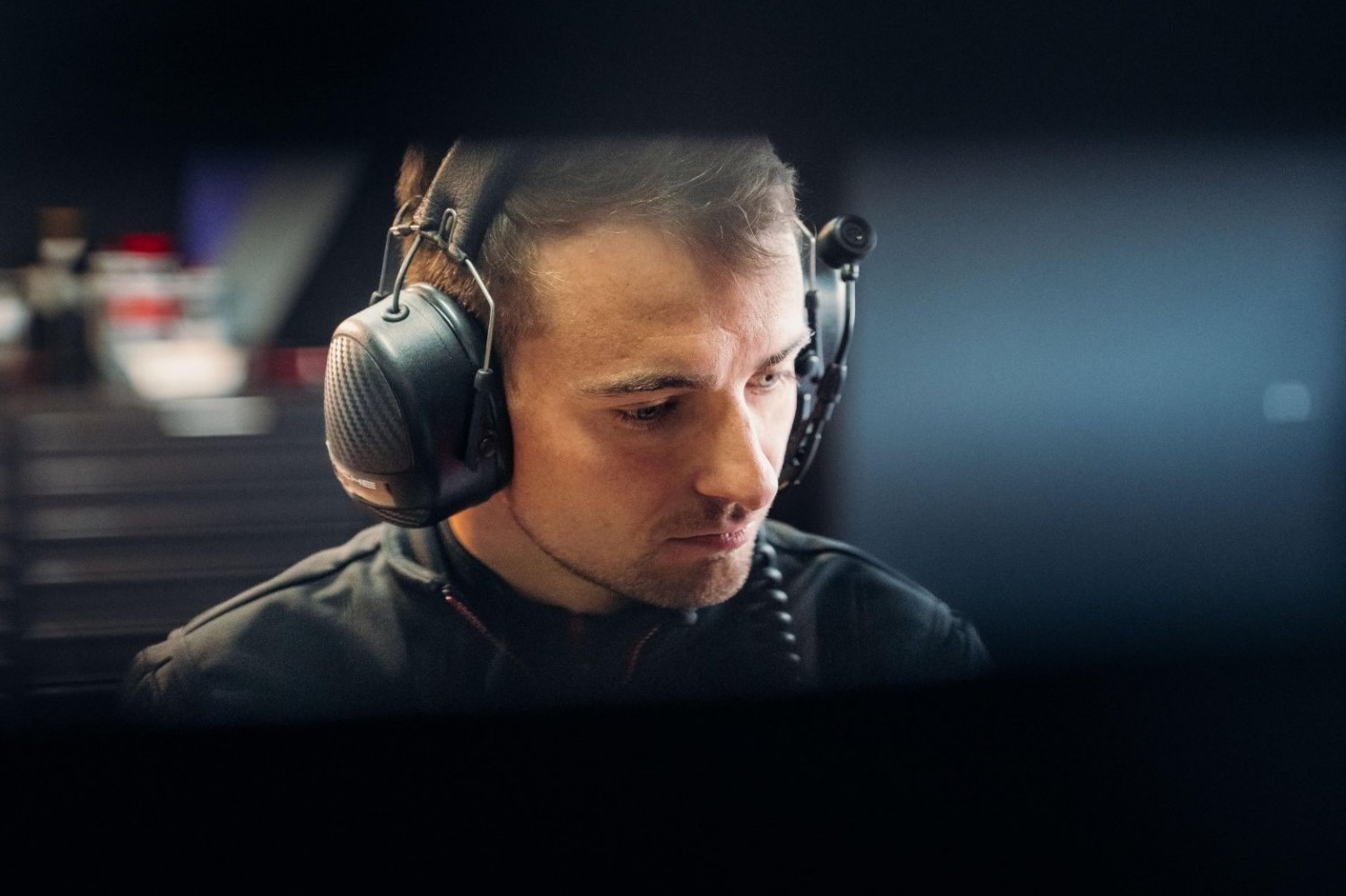
Porsche factory driver Nico Müller, who also got behind the wheel, likened it to “a real beast—with huge power and traction.” He added, “How the car accelerates, how it brakes, how aggressively you can drive when trying to extract a bit more lap time: taken together, it reminds me of the supercars in rallycross.”
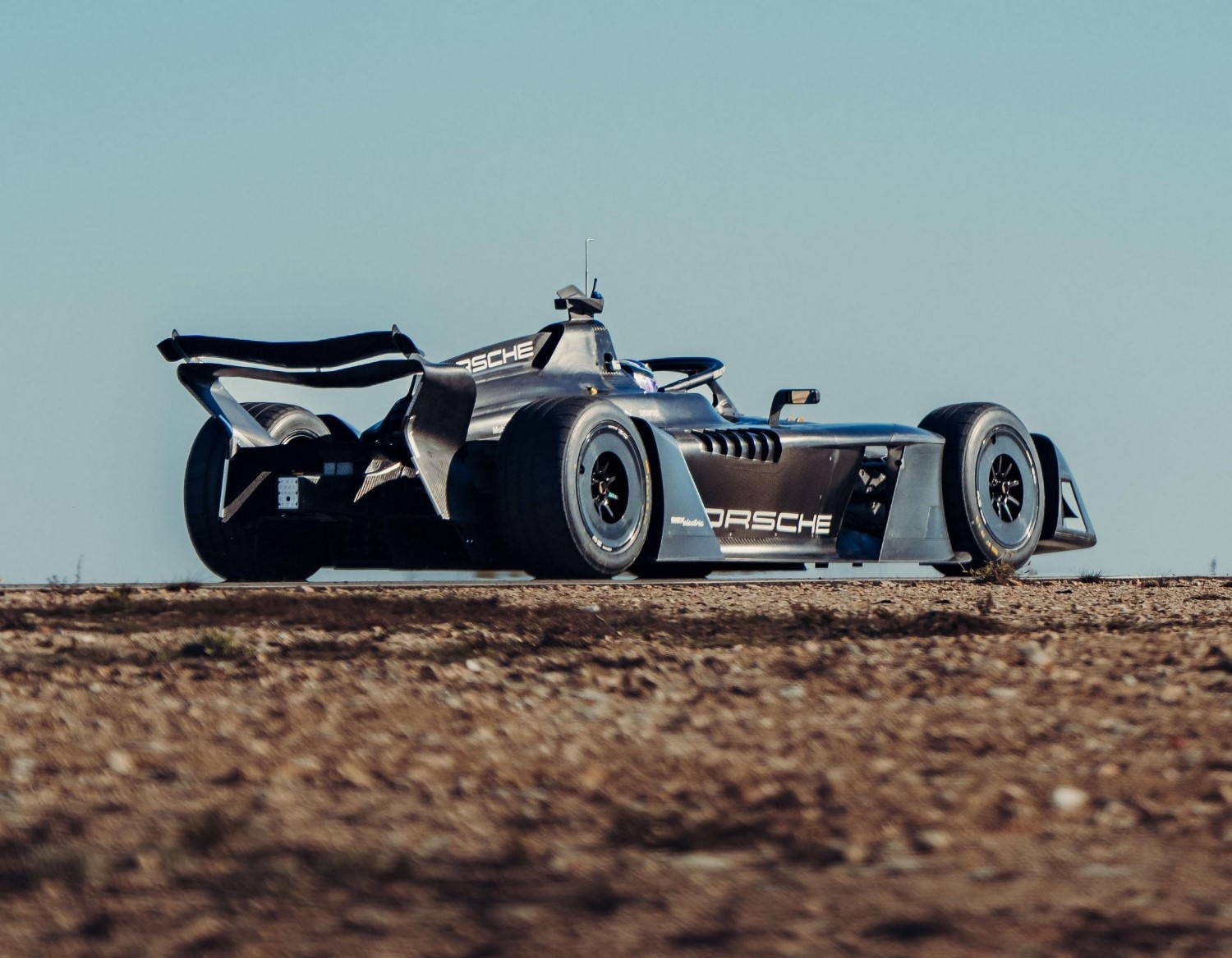
As testing ramps up until October, the focus sharpens from reliability to raw performance. The Porsche customer team joins in, validating findings before FIA homologation in the autumn. Then, it’s all about software optimization—fine-tuning the digital brain that turns this hardware into a title contender.
Wehrlein is optimistic: “Because we have become so efficient over the years, we can finally afford the additional drag. I think GEN4 will be a real eye-opener for many people out there.” Müller echoes the excitement, curious about how the new sporting regulations will reshape the racing: “Purely from a technical perspective, the racing is set to change significantly.”