Formula 1 News: Why the Australian GP should become a night race
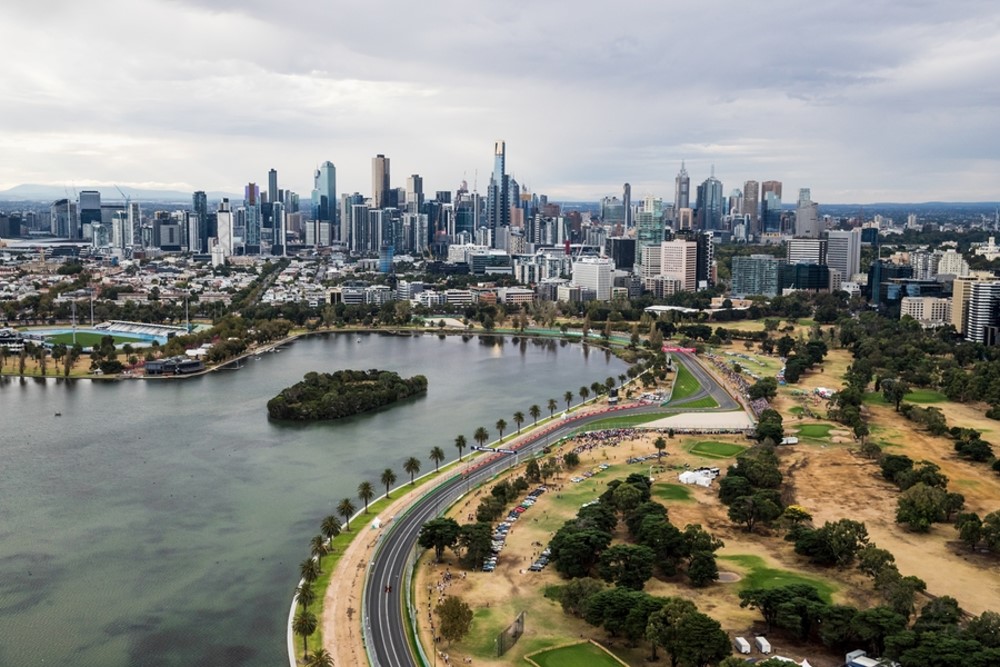
The sun hangs low over Albert Park, casting a golden glow across the lake as the cars scream through the chicane. It’s the Australian GP in all its daytime glory: fans sprawled on the grass with meat pies and cold beers, the Melbourne skyline sparkling in natural light, and the unmistakable roar of Formula 1 engines echoing under a clear autumn sky. For decades, this has been the perfect opener to the season—a sun-drenched party that feels quintessentially Australian.
–by Mark Cipolloni–
But as the checkered flag falls and the crowds drift home, a quiet frustration lingers for millions around the world. In Europe, dedicated fans have dragged themselves out of bed at 4 or 5 a.m. just to watch live. In other markets like the USA, the timing forces awkward compromises at 1:00 am. The race that should unite the globe ends up dividing it by time zones.
Then came the spark.
Christian Horner, the sharp-minded former Red Bull team principal and one of F1’s most influential voices, looked at Melbourne and saw something more. In early 2026, he made a bold call: turn the Australian GP into a night race,” he told the Herald Sun.
“I think Melbourne at night would be faster, and it would be great for the world to see it,” Horner said. “In Europe, certainly, it would be at a better TV time. Night races have a cool vibe to them, and I think Melbourne should give it a go. If they don’t like it, they can always go back.”
Picture the transformation.
As the sun sets behind the city towers, powerful floodlights bathe Albert Park in brilliant white light. The track glows like a stage. The cars—low, aggressive, alive with color—slice through the darkness, their headlights carving bright trails while brake discs glow red-hot on the approach to Turn 1. The Melbourne skyline becomes a glittering backdrop: Federation Square, the Yarra River, and the skyscrapers all lit up and reflected in the lake. The atmosphere shifts from relaxed afternoon picnic to electric night-time festival.
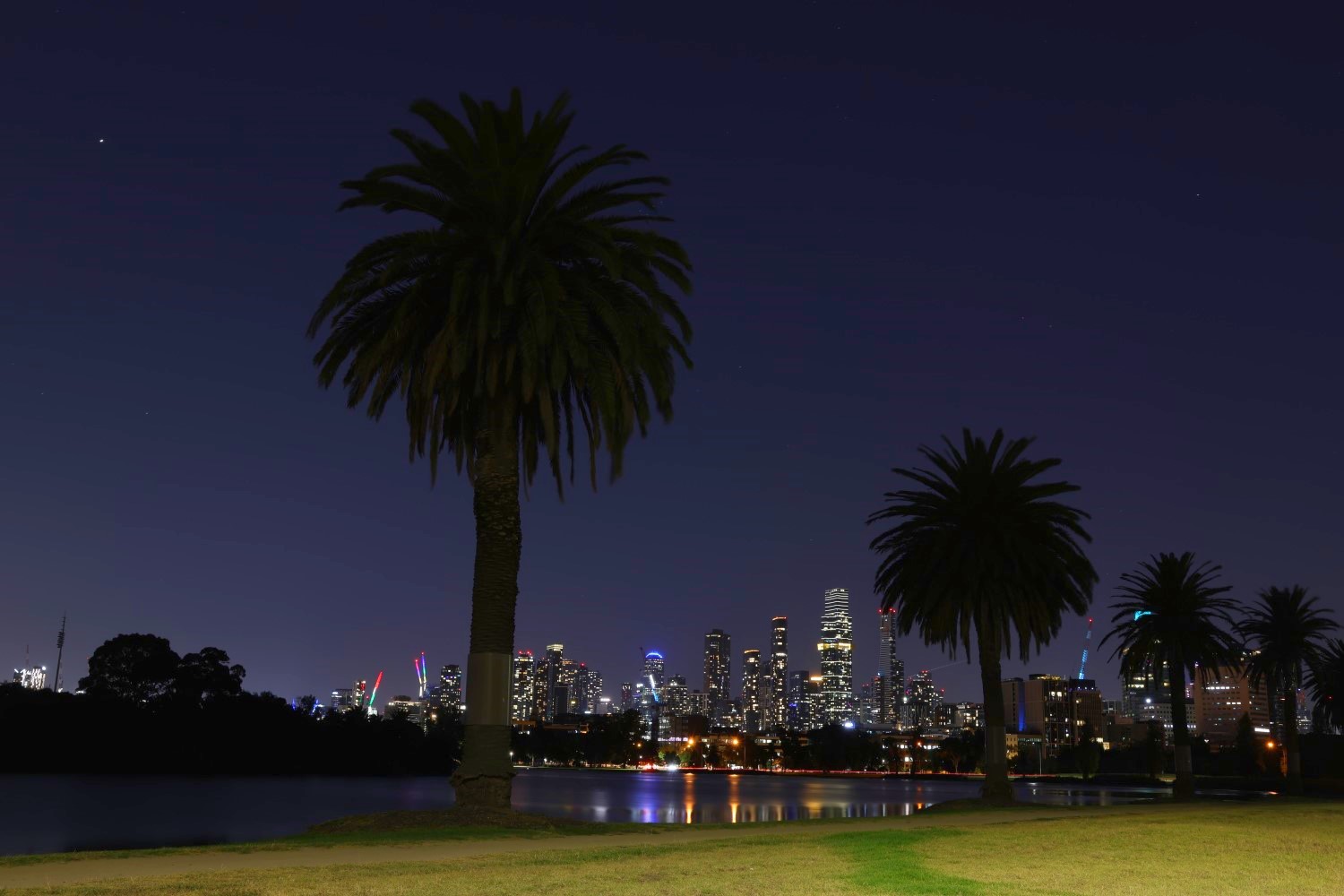
Night races already prove the formula works. Singapore’s Marina Bay street circuit delivers one of F1’s most iconic spectacles every year—cars racing through a neon-drenched city, the lights creating drama and beauty that daylight simply can’t match. A night race in Melbourne could capture that same magic, but with an Aussie twist: warmer evenings, a more intimate lakeside setting, and the unique energy of a city that knows how to throw a party after dark.
The numbers and the vibe tell the real story.
A night race—say an 8pm local start—would land at a civilized morning hour for Europe, F1’s traditional heartland. More fans awake and engaged means higher viewership, bigger sponsorship value, and deeper global interest. Australian fans, who already stay up late for most races on the calendar, would finally get their home event at a social, evening-friendly time. Families, groups of mates, and corporate hospitality could turn it into a true night out rather than a daytime commitment.
Beyond the TV slots, there’s the undeniable “cool factor” Horner mentioned. Floodlit racing feels modern, dramatic, and premium. The lights make the cars look faster, the shadows deeper, the overtakes more cinematic. The cool evening air keeps engines happy and tires in a better window. And the imagery—F1 cars howling past a brilliantly lit Melbourne skyline—would go viral instantly, drawing new eyes to the sport.
Addressing the inevitable opposition
Of course, any big change in a place like Albert Park will draw fire—especially from the environmentally conscious crowd. Melbourne is full of passionate greens, and groups that have long opposed aspects of the GP (tree removal, extra asphalt, temporary infrastructure) are likely to mobilize.
The “tree-huggers,” as some call them, might raise alarms about light pollution: floodlights keeping insects up past their bedtime, confusing nocturnal bats and possums, dazzling frogs by the lake, or throwing off migratory birds. Some claims could get downright asinine—portraying a weekend of racing as an ecological catastrophe for the local wildlife.
These objections, while predictable, don’t hold up under scrutiny. The event is temporary—just a few days a year—and the park returns to its peaceful state quickly. Modern LED floodlighting, as used successfully in long-running night races like Singapore, is highly directional and energy-efficient. It cuts power consumption significantly (around 30% in some upgrades) while minimizing spill, glare, and sky glow to reduce impacts on surrounding ecosystems. Albert Park already runs into evening hours with lighting during the current format, and broader F1 sustainability efforts—carbon tracking, waste reduction, and renewable trials—show the sport is evolving, not ignoring the environment.
A night race wouldn’t erase these concerns; it could actually highlight responsible innovation. Better global viewership might even reduce the need for as many fans to fly in, lowering overall travel emissions. The economic boost to Melbourne and the thrill for fans worldwide far outweigh temporary, manageable effects on a few insects or bats.
Critics like Australian GP CEO Travis Auld rightly note that the daytime slot showcases the city beautifully and works well locally. But Horner’s challenge stands: try it once. The contract runs to at least 2037. One experimental night race wouldn’t burn bridges—if the magic isn’t there, or if real issues arise, switch back to daylight.
Imagine the first night Australian GP.
The gates open as dusk settles. Music pulses through the precinct. The cars roll out under blazing floodlights for the formation lap, the crowd roaring louder than ever because the energy feels bigger, sharper, more alive. A thrilling race unfolds—perhaps a wheel-to-wheel battle under the stars, tires glistening in the lights, the city skyline sparkling like a crown. When the winner sprays champagne on the podium, the backdrop isn’t just pretty daylight—it’s a luminous, unforgettable night-time postcard of Melbourne.
The Australian GP has always been special. Making it a night race wouldn’t erase its soul—it would amplify it. It would give the world a better chance to fall in love with it at a civilized hour, while giving Melbourne the chance to shine in a whole new way.
It’s time to hit the switch. Let the lights come on over Albert Park. The coolest vibe in Formula 1 is waiting—and Melbourne is the perfect stage for it.