The Frankenstein Cars of 2026: How F1’s New Regulations Have Stripped Away the Pure Art of Racing (Update)
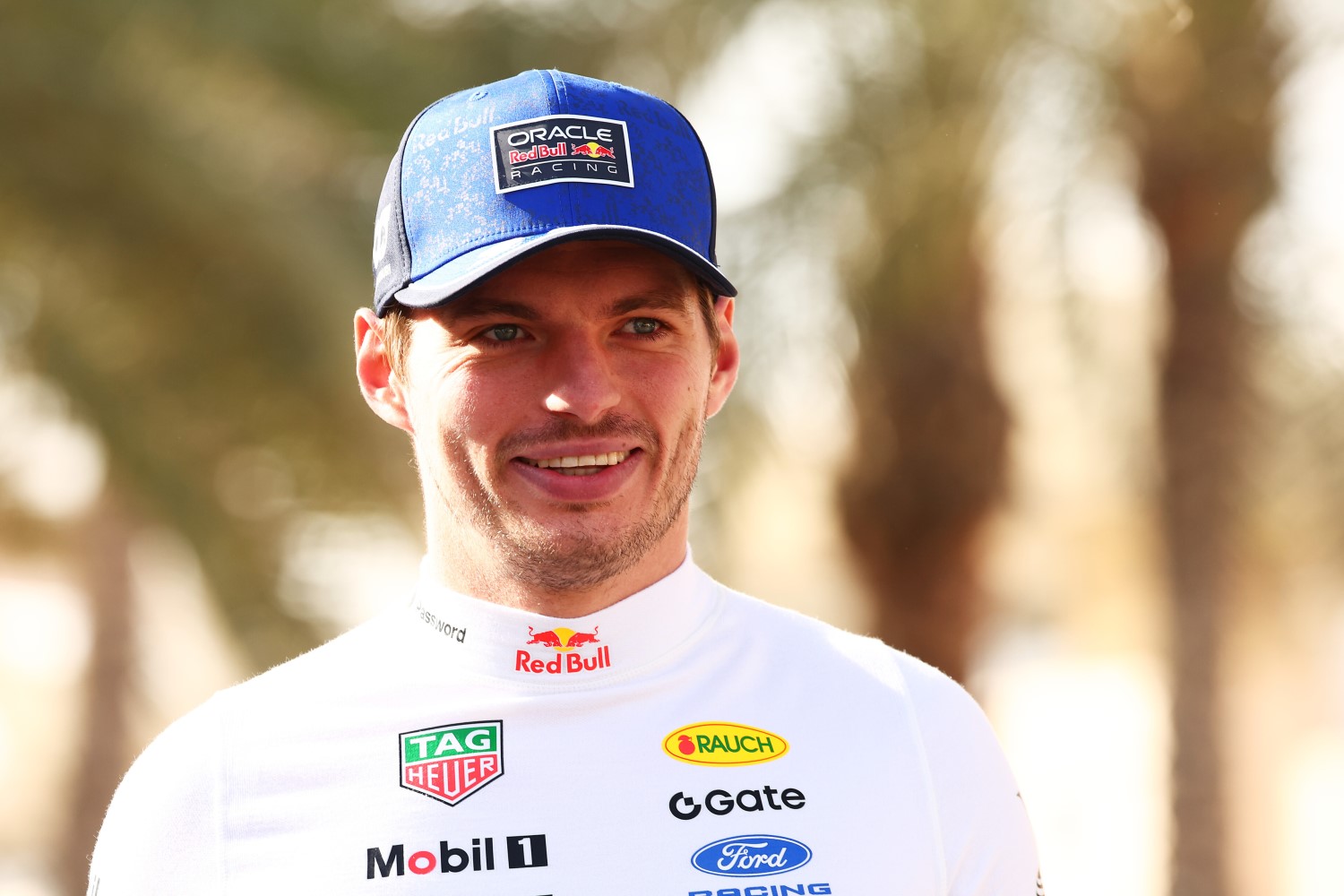
On day two of the first three-day Bahrain test, Four-time World Driving Champion Max Verstappen hosted a press conference at the Bahrain International Circuit, having completed 136 laps on Wednesday before handing over the car to teammate Isack Hadjar today. Verstappen has delivered his verdict on the 2026 cars and he did hold back… We have added his quotes about the 2026 cars to the article below.
February 12, 2026
Formula 1’s 2026 season has ushered in what many are calling the “Frankenstein cars” — a radical overhaul of the sport’s machinery that critics argue has sacrificed the soul of racing for a complex, button-heavy, energy-management exercise.
–by Mark Cipolloni–
Smaller, lighter in theory, and packed with active aerodynamics and a near 50/50 hybrid power unit, these machines are proving difficult to drive and deeply unnatural in feel. Far from evolving the sport, they risk turning grand prix racing into a video-game-like contest of mode switches and battery conservation.
The term “Frankenstein cars” gained traction after Red Bull team principal Christian Horner used it, and outlets like AutoRacing1.com have published dozens of articles detailing the design flaws, performance compromises, and driver frustrations since the regulations were first revealed.
Related Article: F1 News: 2026 ‘Frankenstein cars’ will reward brains over talent – Albon
Related Article: F1 News: Norris fears F1 becoming ‘too fake’ with 2026 Frankenstein cars
Less Grip, More Chaos: Drivers Struggle with the New Feel
Early testing in Bahrain has confirmed long-standing simulator fears. With downforce reportedly cut by 15-30%, cornering speeds are noticeably lower. Cars are sliding more, braking zones are trickier, and rear-end instability has led to frequent lock-ups.
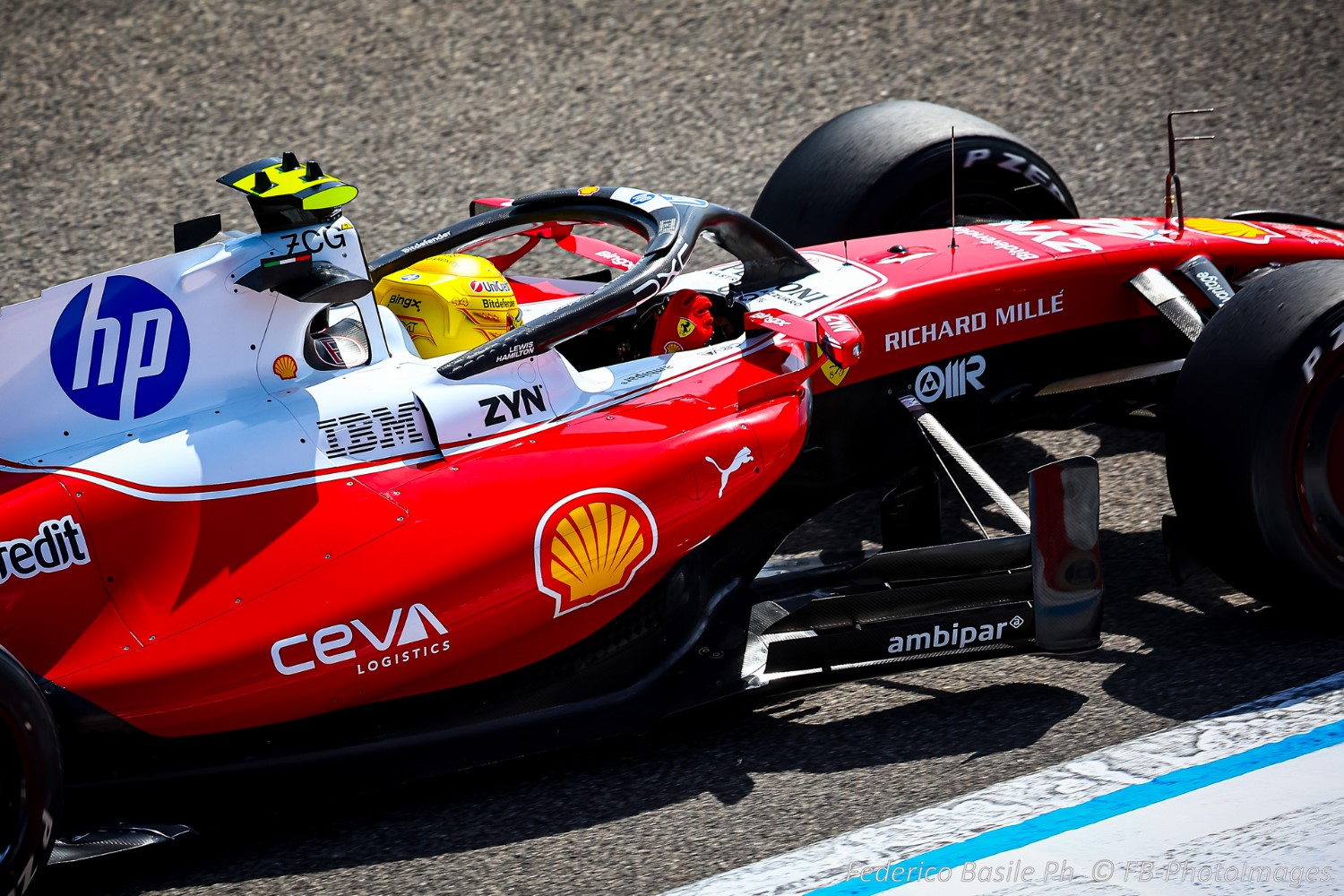
Lewis Hamilton, after his first proper runs in the new Ferrari, delivered a blunt assessment: the cars “feel slower than F2” right now. He described them as “quite fun, it’s like rallying a lot,” but the comparison to a junior formula car was telling. Charles Leclerc previously called simulator runs “not the most enjoyable,” while Lance Stroll labeled the project a “battery science project.”
Other drivers have echoed that the cars demand an entirely different driving style — one that feels forced and counterintuitive compared to the precise, high-grip machines of recent years.
Verstappen Pans the Frankenstein Cars
Max Verstappen has slammed Formula 1’s new generation of cars after sampling the new Red Bull in Bahrain testing, saying they are “not fun to drive” and “Formula E on steroids”.
“To drive they are not a lot of fun, to be honest,” he said. “I would say the right word is management. It’s not very Formula 1-like. It feels a bit more like Formula E on steroids. But the rules are the same for everyone, so you have to deal with that.
“As a pure driver, I enjoy driving flat out, and at the moment, you cannot drive like that. There’s a lot going on. A lot of what you do as a driver, in terms of inputs, has a massive effect on the energy side of things. For me, that’s just not Formula 1. Maybe it’s then better to drive Formula E, right? Because that’s all about energy, efficiency and management.
“We’re energy poor. I just want normal driving, just how it should be without having to [say]: ‘Oh, if I brake a bit longer or less or more, or one gear up or down.’ It so heavily impacts the performance on the straights. Plus, the grip at the moment is quite low with these tires and the car configuration. It is a big step back to how it was.”
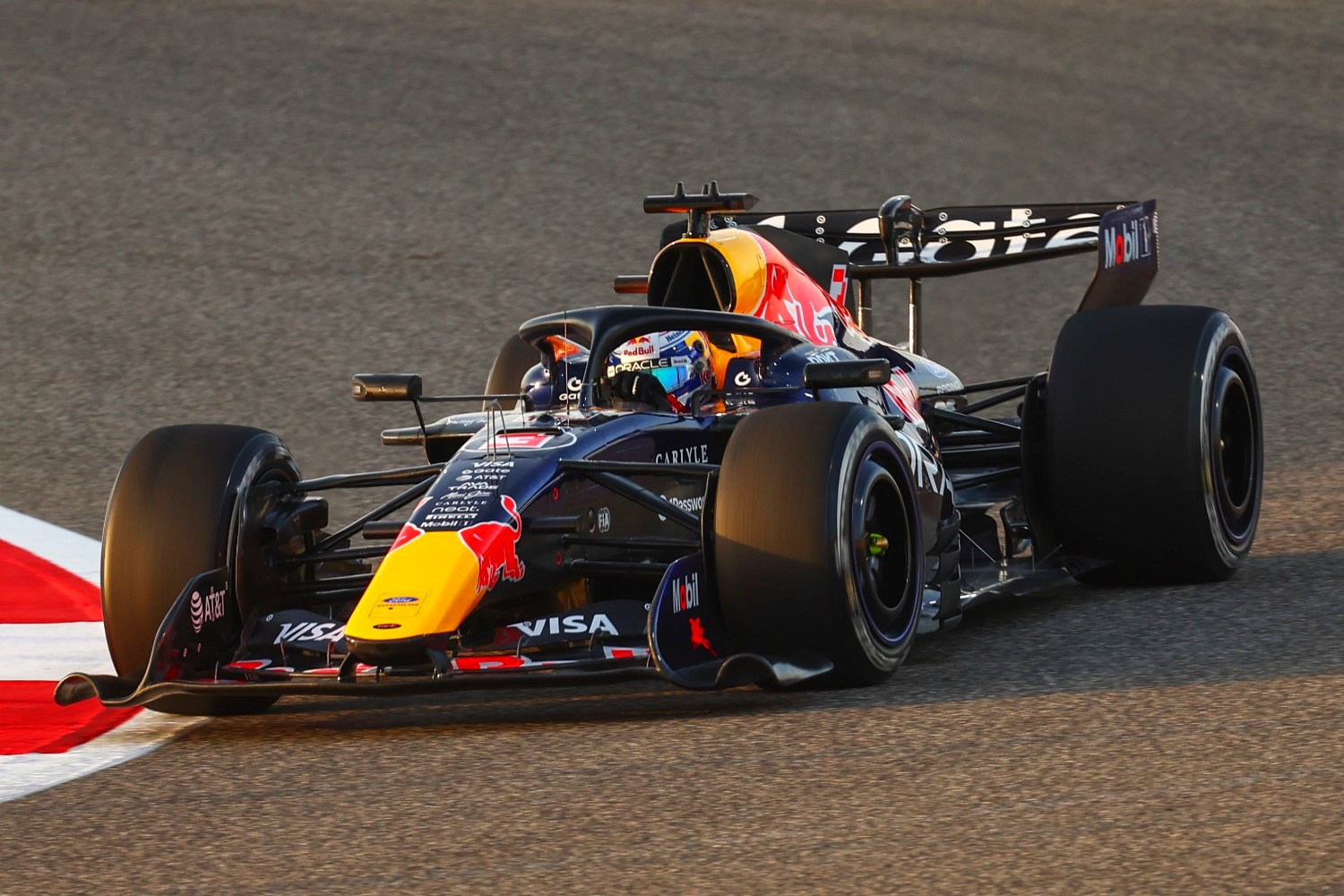
Honestly, the proportion of the car looks good, I think. That’s not the problem. It’s just everything else that is a bit, for me, anti-racing.
“Probably people will not be happy with me saying this right now. But I am outspoken, and why am I not allowed to say what I think of my race car? I can’t help that.
“I mean, I didn’t write the regulation. If it was, I think, up to non-political aspects of making a regulation, I think, anyway, the car would have probably looked very different.”
“On the other hand, I also know how much work has been going on in the background,” he added. “Also from the engine side, for the guys. So, it’s not always the nicest thing to say. But I also want to be realistic as a driver, the feeling.
“I also know what is at stake with the team—our own engine and seeing the excitement of the people. Of course, when I sit in the car, I will always give it my very best. They know that. Excitement level is not so high to drive.”
“A winning car for me, that doesn’t matter. It needs to be fun to drive as well.
“I think at this stage of my career I am also exploring other things outside of Formula 1 to have fun at. I know that we’re stuck with this regulation for quite a while. So, yeah, let’s see how long I stay in F1.”
Pushing Buttons Over Pure Driving Skill
The biggest departure from “pure racing” comes from the new technical features:
– Active Aero: Drivers now manually activate low-drag “straight-line mode” on designated track sections by pushing a button. Wings adjust automatically (or via driver command) to reduce drag on straights while maintaining downforce in corners. This replaces traditional DRS but turns high-speed sections into a game of timing button presses.
– Overtake Mode (formerly Manual Override): When within one second of the car ahead, drivers unlock extra electrical boost. Leading cars face restrictions on power deployment, creating artificial passing opportunities that depend more on system activation than raw car speed or driver daring.
– Intense Energy Management: The power unit delivers far more electrical power (up to 350kW), but with strict limits on harvesting and deployment. Drivers report having to lift off the throttle on straights or alter braking points unnaturally just to charge the battery efficiently. Lap times and strategy now hinge heavily on software optimization and energy recovery rather than traditional throttle, brake, and steering inputs.
As one AutoRacing1.com piece put it, with these Frankenstein cars, “software is becoming more important than drivers.”
The Loss of Pure Racing Intent
Traditional Formula 1 rewarded car control, bravery into corners, and the ability to carry speed through high-downforce turns. The 2026 cars shift the emphasis toward energy conservation, mode management, and avoiding depletion. Critics argue this has ruined the visceral, instinctive nature of the sport to appease the tree-huggers who think burning fossil fuels will ruin the planet.

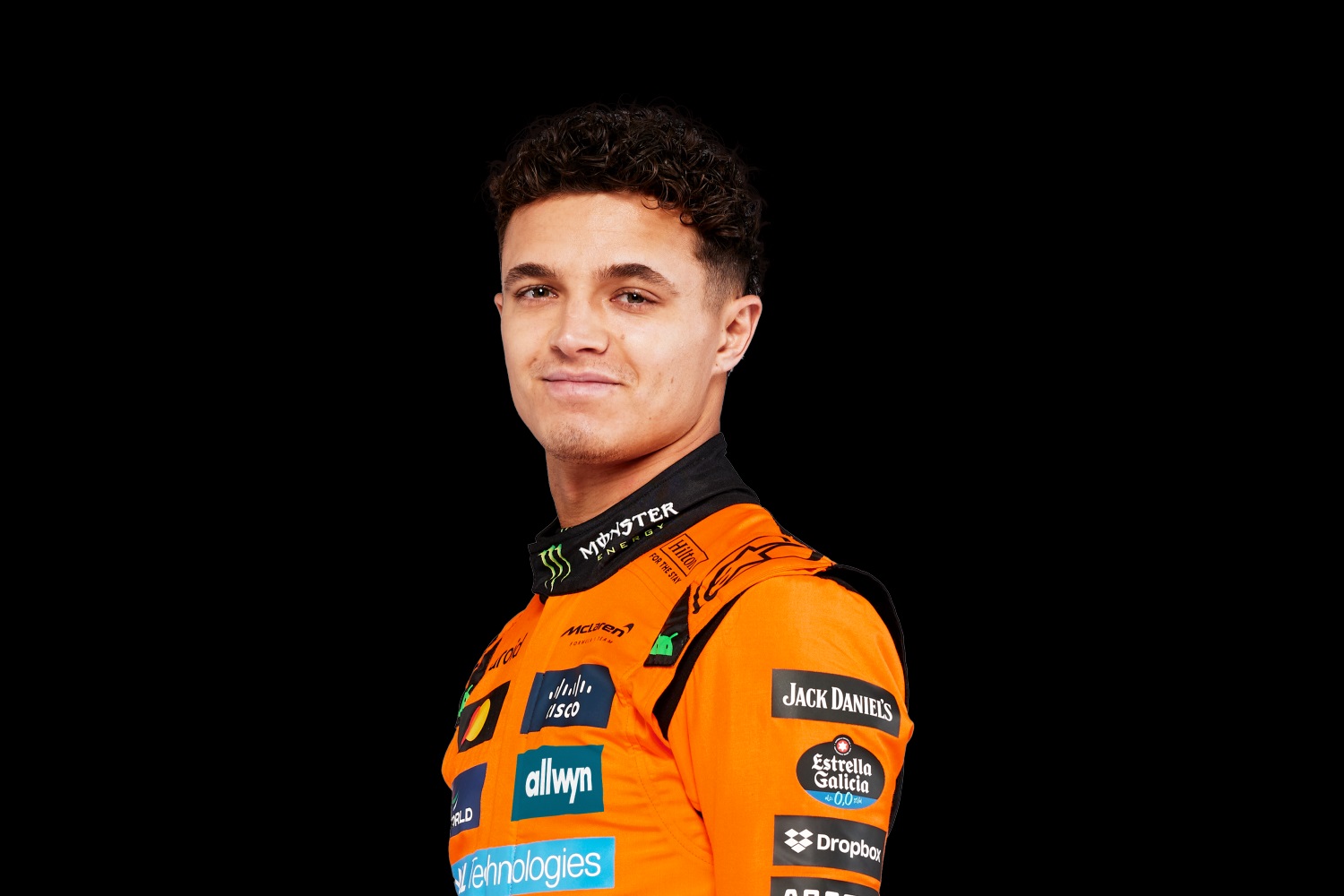
Norris has openly worried that F1 is becoming “too fake.” The combination of reduced mechanical grip, active systems, and heavy hybrid reliance creates a driving experience that feels more like managing a complex simulation than piloting a racing car at the limit.
AutoRacing1.com has repeatedly highlighted how the regulations appear driven more by sustainability goals than by the desire to create the fastest, most exciting racing machines possible. The result? Cars that are harder to drive, slower in corners, and less rewarding for the world’s best drivers.
A Divisive New Era
As pre-season testing continues, teams are scrambling to adapt. Some drivers say the cars will become more intuitive with time, but the early consensus is clear: these are not the natural, flowing racing machines F1 fans have come to expect.
Whether the 2026 Frankenstein cars deliver better racing through closer following (thanks to reduced dirty air) remains to be seen. For now, the overwhelming feedback from drivers and longtime observers is that the pure intent of racing—pushing a car to its absolute limit through skill and instinct—has been compromised by layers of artificial systems and compromises.
F1 has always evolved, but the leap to 2026 feels like a step away from what made the sport special. Many are left wondering: at what point does “progress” simply break the formula?
What do you think—are the 2026 cars an exciting new chapter or a misguided experiment?