What Everyday Drivers Can Learn From Racing Crashes and Safety
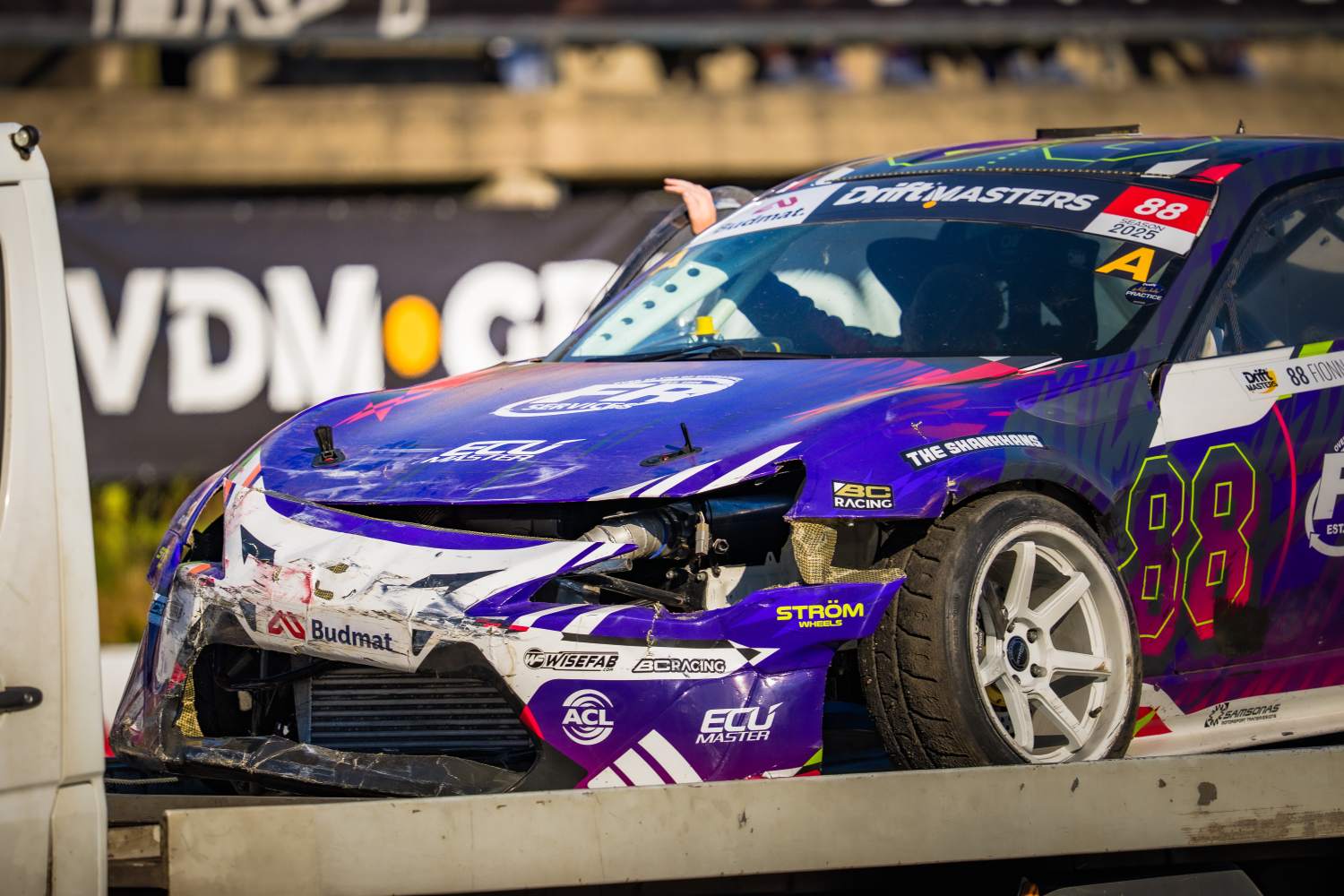
Watch any major race and you notice something right away: when a crash happens, nobody shrugs and calls it “just one of those things.” The entire paddock treats it as a problem to understand for the sake of safety.
Replays are studied, data is pulled, and the next time those cars go out, something is usually different. The incident becomes part of the learning loop that keeps drivers, teams, and fans coming back.
Out on the freeways and side streets of every city, including Los Angeles, crashes rarely get that level of attention. A serious collision on the 405 or a hard hit on Ventura Boulevard can change a life just as quickly as a wreck at Turn 1, but most people only see the tow trucks and traffic jam.
Behind the scenes, though, there is still a need for analysis, support, and accountability. When a high-impact street crash leaves someone badly hurt, a Los Angeles car accident lawyer often becomes the closest thing an ordinary driver has to a race team reviewing what went wrong and how to move forward.
Racing Treats Crashes as Information, Not Just Drama
In motorsport, a crash is never just a headline or a viral clip. Engineers comb through telemetry to see when the driver lifted, braked, or turned. Drivers sit in debriefs replaying the moment frame by frame. Was there fluid on the racing line? Did the wind shift? Did a tiny setup change make the car unstable over a curb?
That mindset is useful on public roads, too. After a street crash, most people want to forget it ever happened. But asking simple questions, What visibility did I have? Where was my focus? Did speed, distraction, or fatigue play a role?, can turn a frightening experience into something that actually changes the way you drive. Racing reminds us that blaming “bad luck” doesn’t prevent the next impact. Honest review does.
You can see that mindset in more detail in this piece on what high-speed racing teaches about control and road awareness, which breaks down how race habits translate to safer everyday driving.
Track Safety Is Built on Layers – Street Driving Usually Isn’t
Racing circuits accept that crashes will happen, so they stack layers of protection: runoff areas, tire walls, TecPro barriers, SAFER barriers, energy-absorbing structures, medical cars staged within seconds of key corners. Modern cars are designed to crumple in specific ways, protecting the survival cell even when the wreck looks horrific.
Los Angeles streets are not built with that same assumption. A concrete divider on the 110 doesn’t forgive mistakes. A parked car on a narrow side street doesn’t act like a carefully engineered barrier. That difference should change how everyday drivers think about risk. Where a professional racer might have three or four safety layers between them and catastrophe, you might have one: your own attention. The takeaway isn’t to be scared of driving; it’s to respect how little margin there is when things go wrong.
Pre-Race Rituals Have a Street Equivalent
Before a race start, drivers and crews go through routines that look almost obsessive: seat belts checked and re-checked, mirrors adjusted, radio tested, tire and brake temps monitored. None of this guarantees a clean race, but it dramatically reduces avoidable problems.
Everyday drivers have their own smaller version of that checklist, even if they don’t think of it that way. Taking ten seconds to adjust mirrors, silence distracting notifications, and actually look at the road before pulling out of a driveway has the same spirit as a pre-race check. So does asking yourself if you’re too tired, frustrated, or distracted to be behind the wheel. Motorsport culture shows that preparation isn’t glamorous, but it’s usually what separates a normal stint from a dangerous one.
Respect for Conditions Is Non-Negotiable
Race engineers constantly talk about “conditions.” Track temperature changes how tires behave. A small drop of oil or a light drizzle can transform a flat-out section into something you tiptoe through. When grip changes, the lap has to change with it—line, speed, braking points, even gear selection. The drivers who ignore those shifts tend to be the ones we see in the wall.
Los Angeles throws its own version of changing conditions at drivers. First rain after a long dry spell, late-afternoon glare on westbound lanes, tourists hunting for parking near popular spots, sudden slowdowns around construction: all of these are the street equivalent of a track going “green” or “going away.” Borrowing a racer’s mindset means adjusting without ego. Maybe that’s easing off the throttle a little earlier, leaving more space, or choosing a less hectic route instead of insisting on shaving a minute off the ETA.
How Teams Respond When Something Goes Wrong
One of the most striking parts of a racing crash is what happens afterward. Marshals move quickly. The medical car rolls. A driver is evaluated, not waved away with “You seem fine.” The car is taken apart in the garage, piece by piece, so the team understands exactly how it failed. Outwardly, the show goes on; internally, nobody is pretending the impact didn’t matter.
Compare that to a typical street crash in LA. Someone might brush off a sore neck, head home, and hope it fades. Insurance companies call and ask for quick statements before injuries are fully understood. People accept low settlement offers just to make the hassle stop. Where a race team builds a structured response, many everyday drivers are left to improvise, often while still shaken up and in pain.
Bringing the Racing Mindset to Real-World Crashes
Most of us will never experience Eau Rouge at full throttle or a restart at Long Beach, but we do share the same basic problem: how to survive mistakes and bad decisions, ours or someone else’s. Motorsport doesn’t just entertain; it offers a blueprint. Respect risk. Prepare on purpose. Pay attention to conditions. And when things go wrong, treat the crash as something to be analyzed and learned from, not just endured.
For drivers in Los Angeles, that blueprint also includes knowing when to pull in extra help. Medical professionals, repair shops, and legal advocates are the off-track equivalents of a race team’s support staff. The more serious the crash, the more important it becomes not to handle everything alone.
Racing reminds us that safety isn’t luck. It’s a series of choices made before, during, and after things go sideways. Everyday drivers may not have radios, pit crews, or telemetry, but they do have the ability to drive with the same respect for consequence that racing demands. On crowded LA streets, that mindset may be the most valuable lesson motorsport has to offer.