Formula 1 News: What we learned from F1 Preseason Testing
The 2026 Formula 1 preseason testing at the Bahrain International Circuit provided a crucial glimpse into the new era of the sport, marked by overhauled regulations emphasizing a near 50-50 split between internal combustion and electrical power in hybrid units, reduced downforce, and smaller cars.
–by Mark Cipolloni–
Over six days, teams adapted to these changes, focusing on reliability, energy management, and pace. While sandbagging—hiding true performance—made exact readings tricky, clear trends emerged in team hierarchies, innovations, and challenges. Charles Leclerc’s Ferrari set the benchmark with a 1m31.992s lap, but caveats abound as the grid heads to Melbourne for the Australian Grand Prix.
1. Ferrari and Mercedes Emerge as Frontrunners
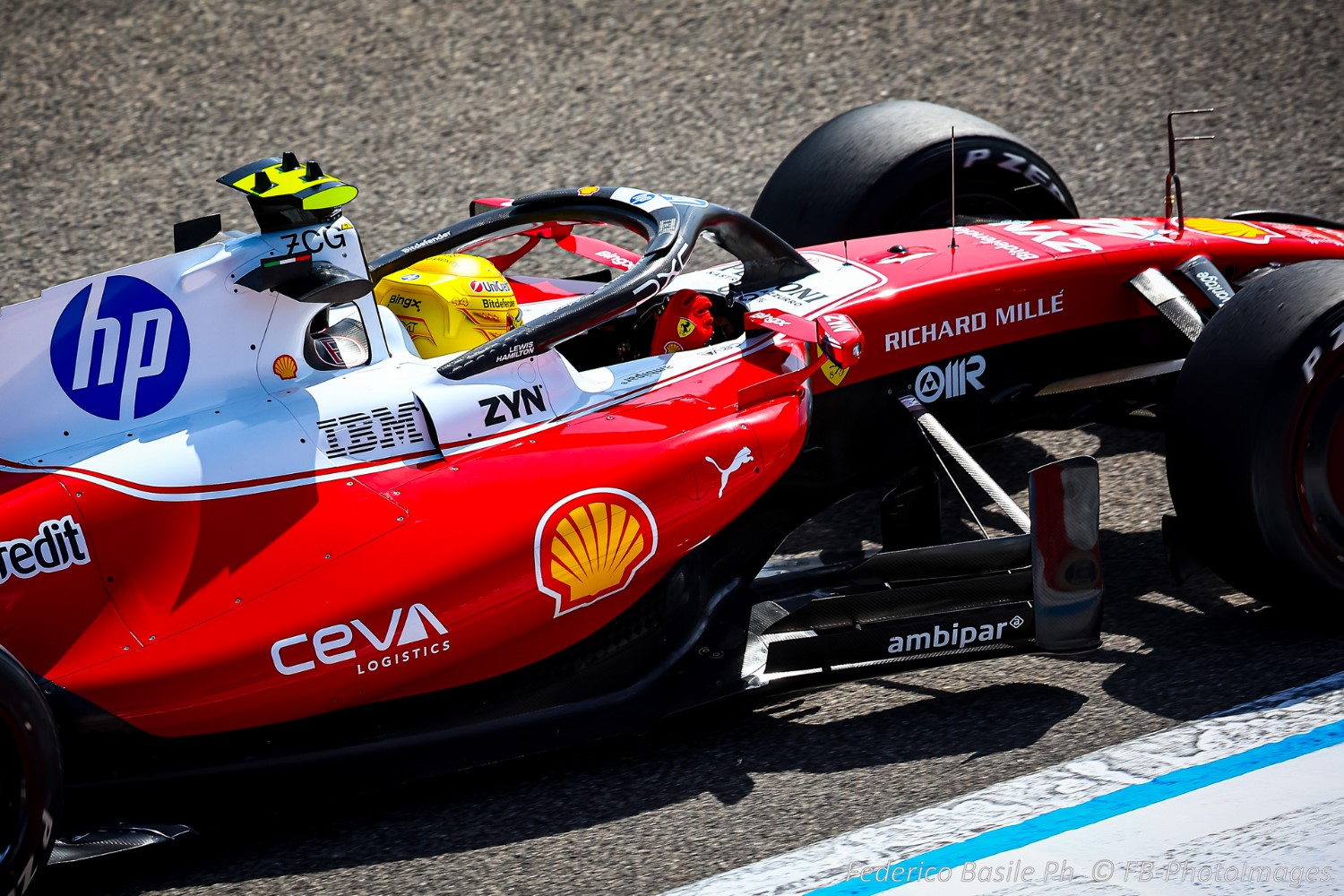
Ferrari showcased genuine promise, with Leclerc topping the timesheets and strong long-run simulations suggesting race pace superiority. However, this comes with a caveat: Mercedes appeared to hide significant pace, positioning them as pre-race favorites for Australia, while Ferrari may have revealed more of its hand.
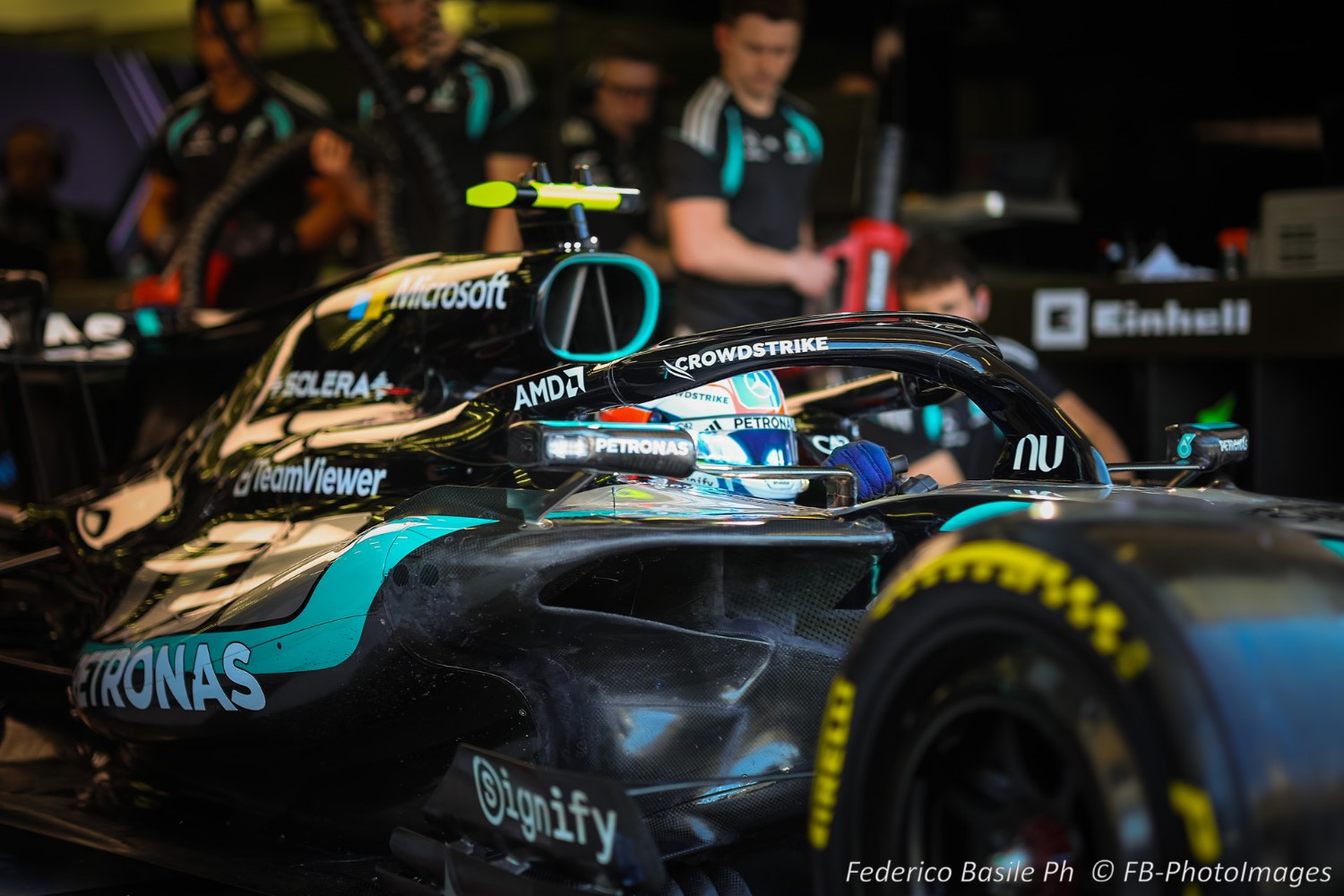
Mercedes demonstrated robust long-run times, with Kimi Antonelli logging competitive stints in the 1m36s-1m37s range on C3 tires, despite some reliability niggles like power unit changes. Driver feedback highlighted Ferrari’s nimble handling and “animated” feel on softer compounds, though a loose rear under load was noted.
2. McLaren and Red Bull Locked in Tight Battle
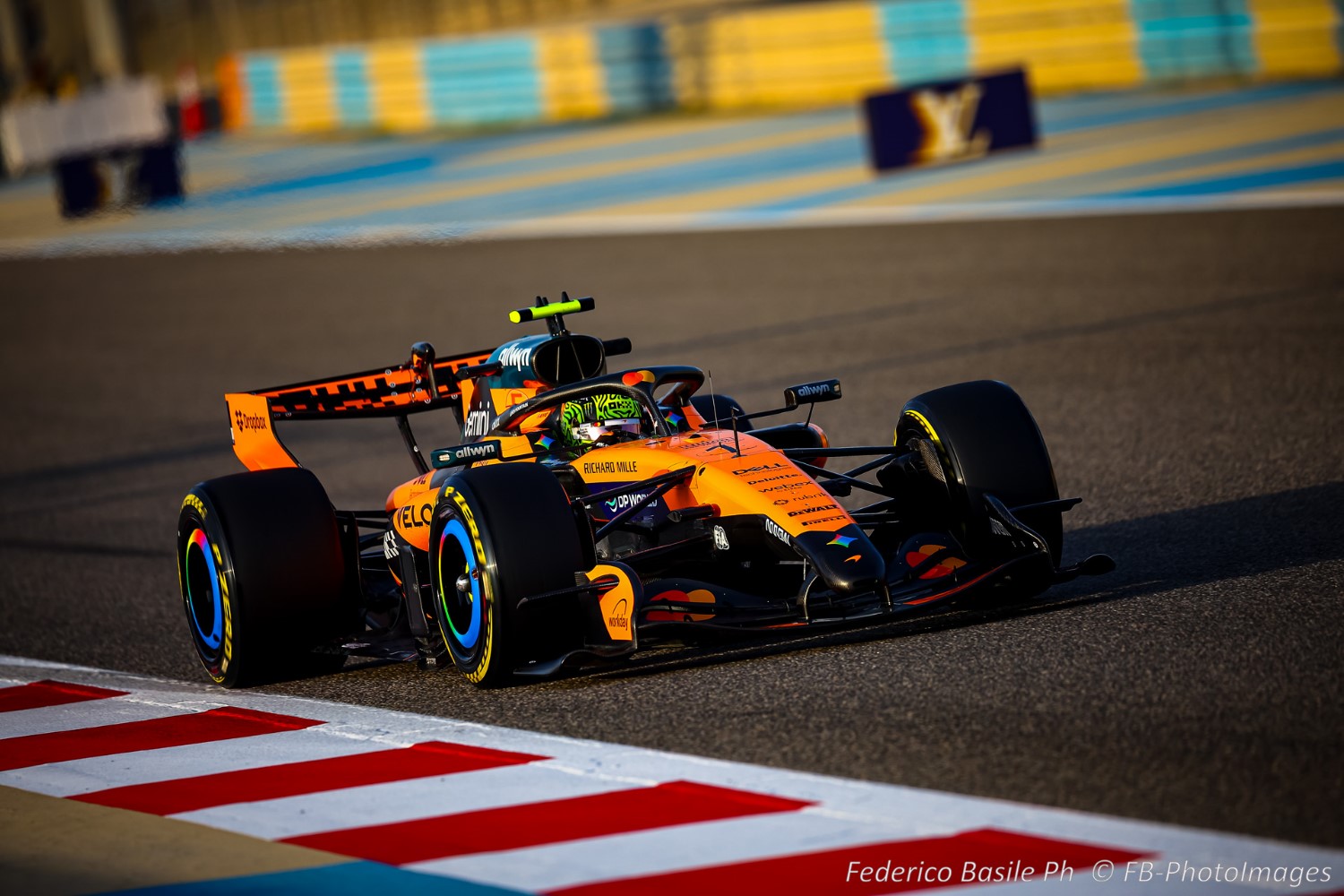
Defending champions McLaren edged one-lap pace, with Lando Norris and Oscar Piastri showing equivalence to Red Bull in race simulations, averaging times in the 1m38s-1m39s bracket.
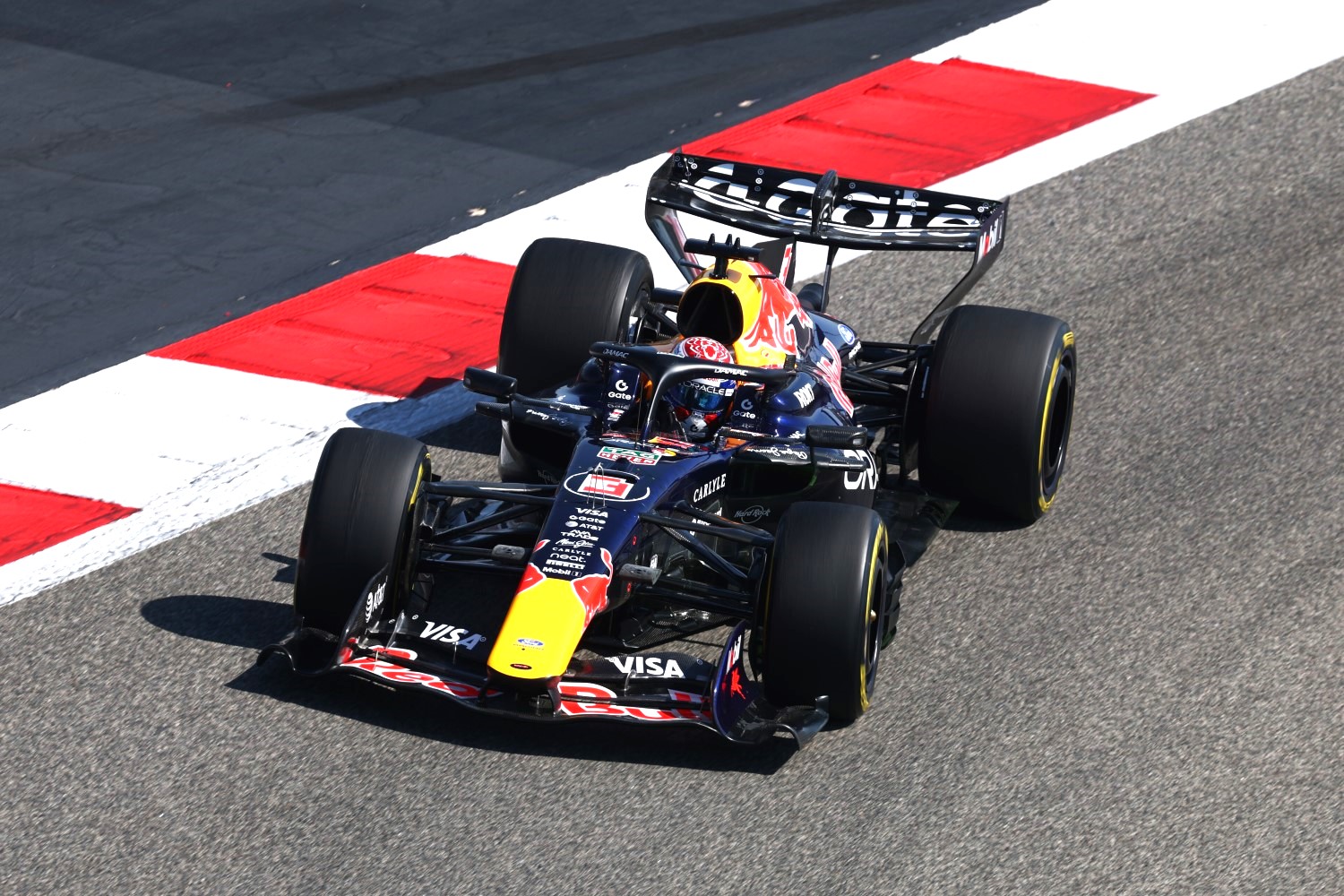
Red Bull, debuting their in-house power unit, matched closely but faced minor engine issues early on, with Max Verstappen praising its reliability after substantial mileage.
McLaren’s Andrea Stella noted Ferrari and Mercedes as the teams to beat, but the papaya squad’s upward trajectory and breakthroughs in understanding the new regs position them as dark horses. Both teams are expected to be separated by mere tenths from the leaders.
3. Midfield Reshuffle: Alpine and Haas Lead the Charge
A two-class F1 grid seems likely early in 2026, with a one-second gap from the top four to the rest. Alpine, switching to Mercedes power, emerged as a surprise, no longer the worst Mercedes customer but vying for midfield leadership alongside Haas.
Pierre Gasly and Franco Colapinto found the car enjoyable, with strong race pace in the 1m38s-1m39s on C2 tires.
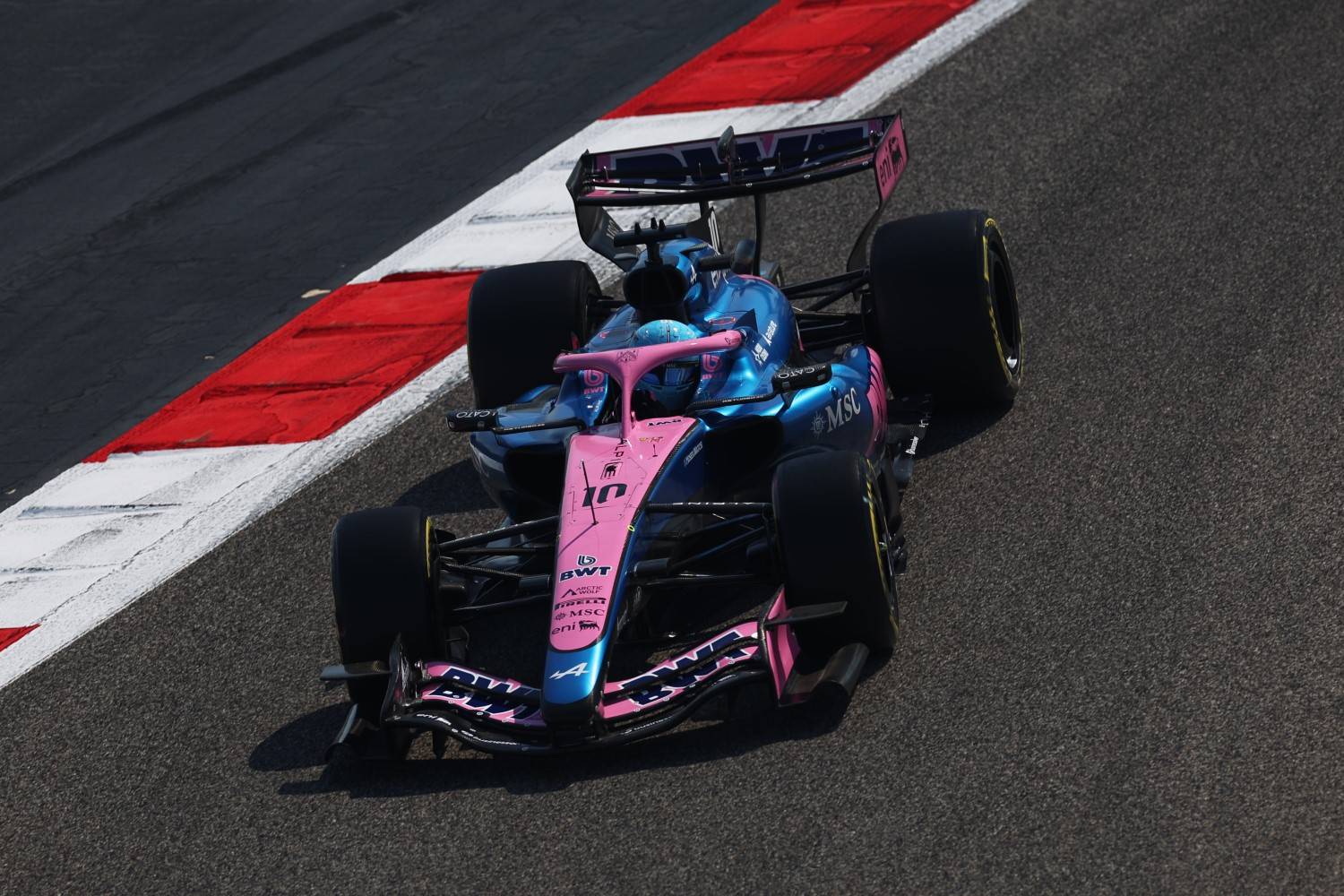
Haas, powered by Ferrari, impressed with reliability and handling, completing extensive laps and earning praise for improved garage efficiency.
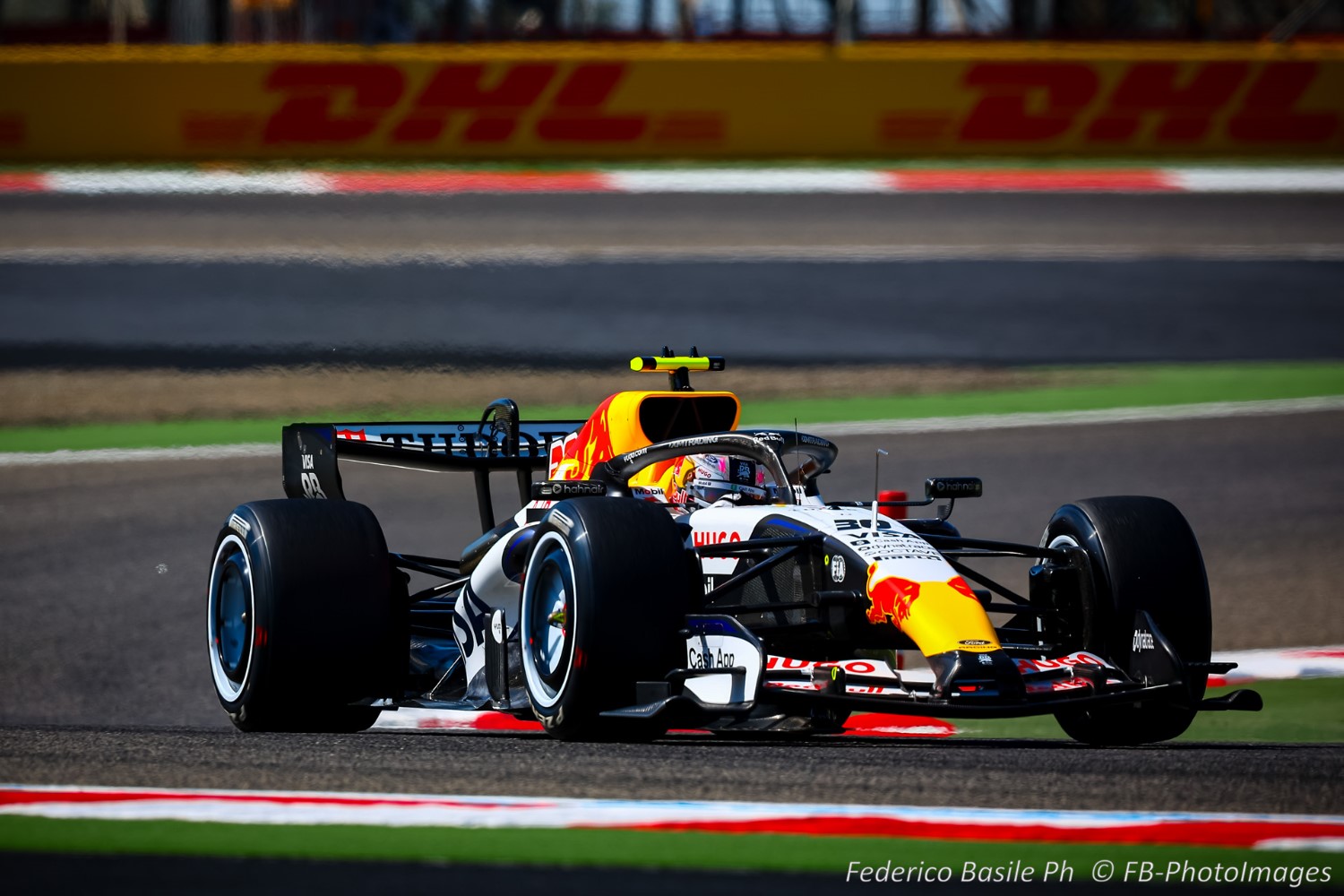
Racing Bulls (RB) chipped at the front of this group, with rookies showing consistency.
4. Struggles for Established Teams: Aston Martin and Williams
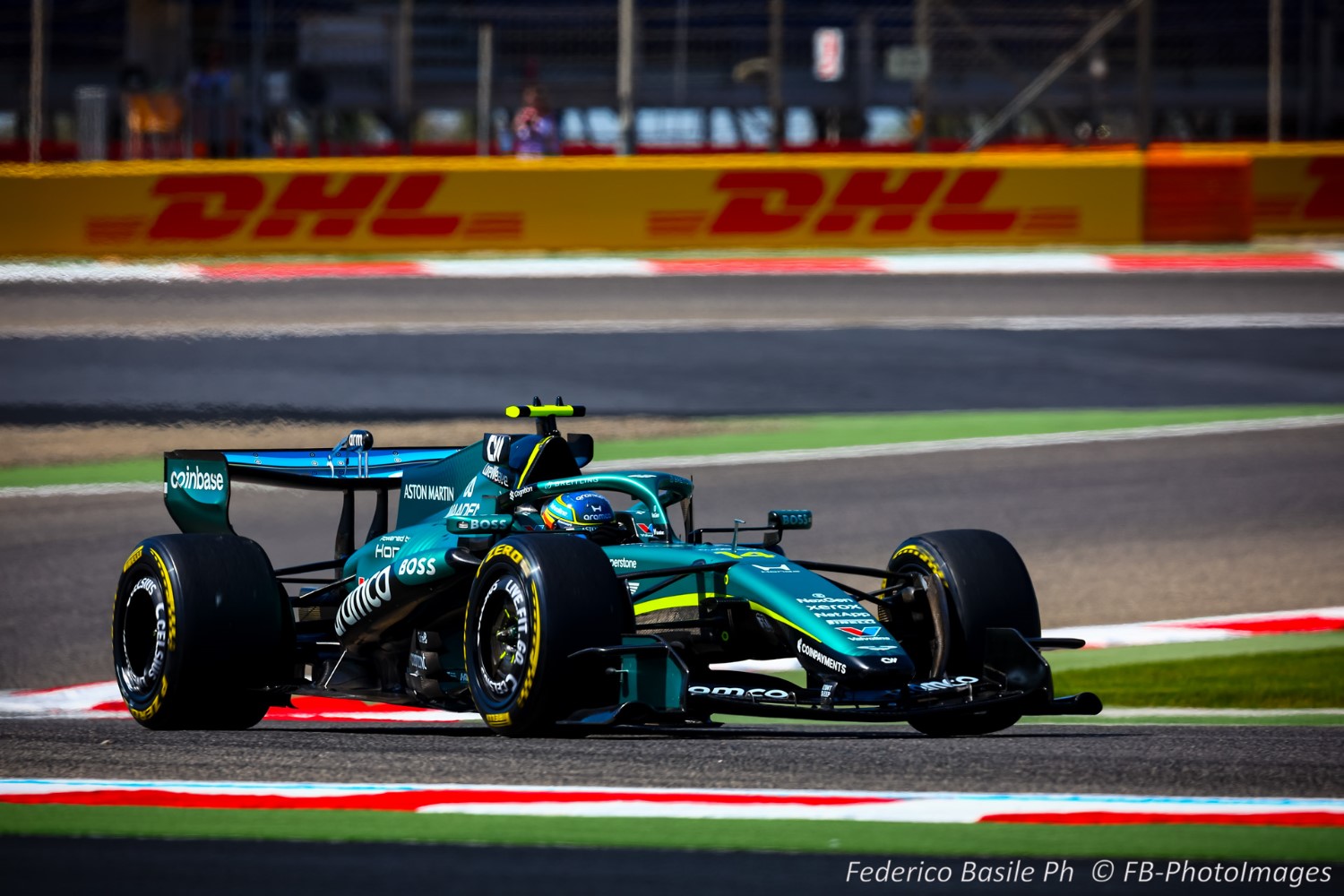
Aston Martin’s testing was a nightmare, plagued by Honda power unit unreliability, low power, and spare parts shortages, resulting in the fewest laps and paces 4s off the top in simulations. Fernando Alonso remained optimistic about mid-term fixes, but the team is 3-4 months behind schedule.
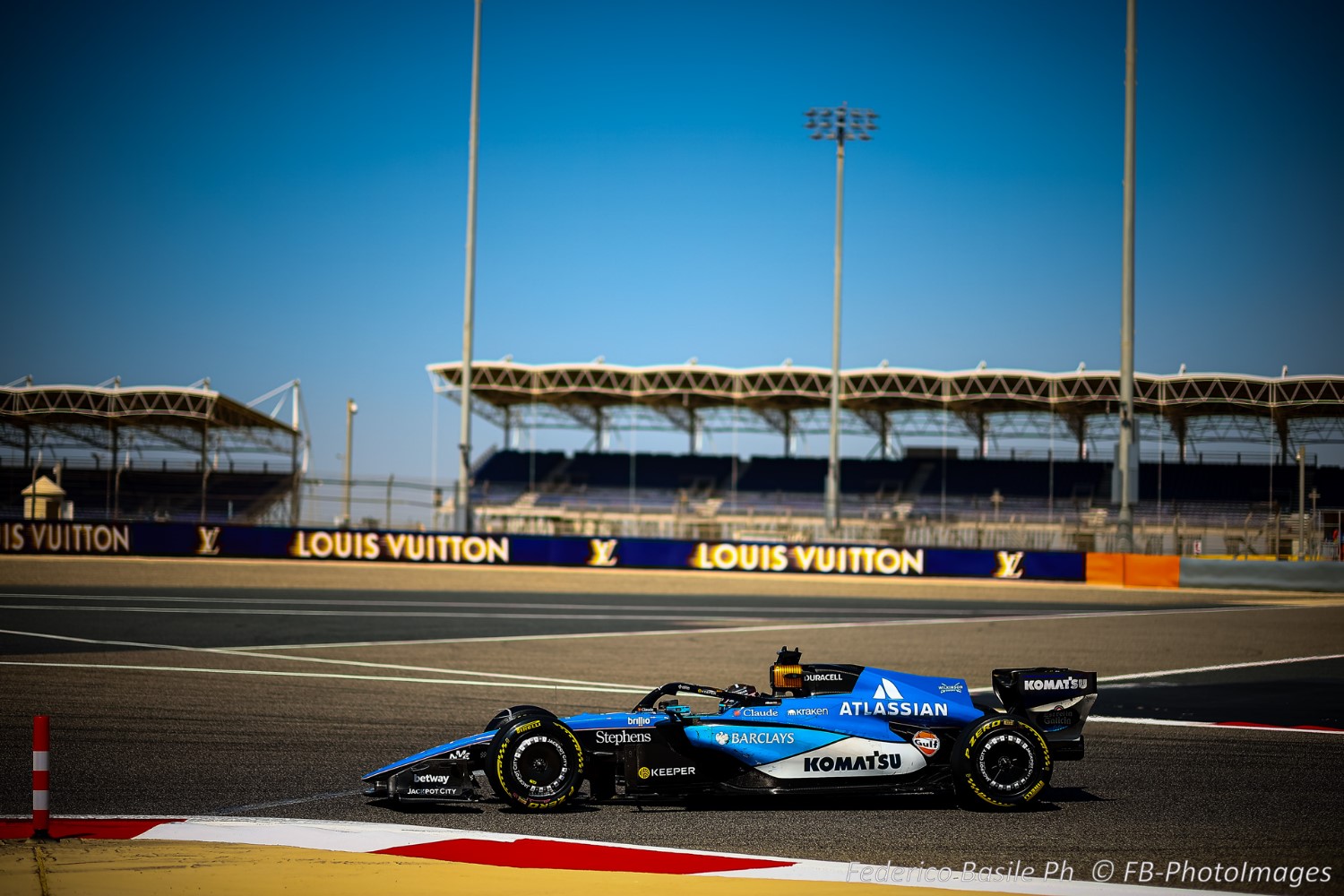
Williams disappointed, with an overweight car (25-40kg excess) impacting times and forcing catch-up mode after missing a Barcelona shakedown. Alex Albon noted variability in starts, but the team lags in the lower midfield.
5. Newcomers Make Solid Debuts: Audi and Cadillac
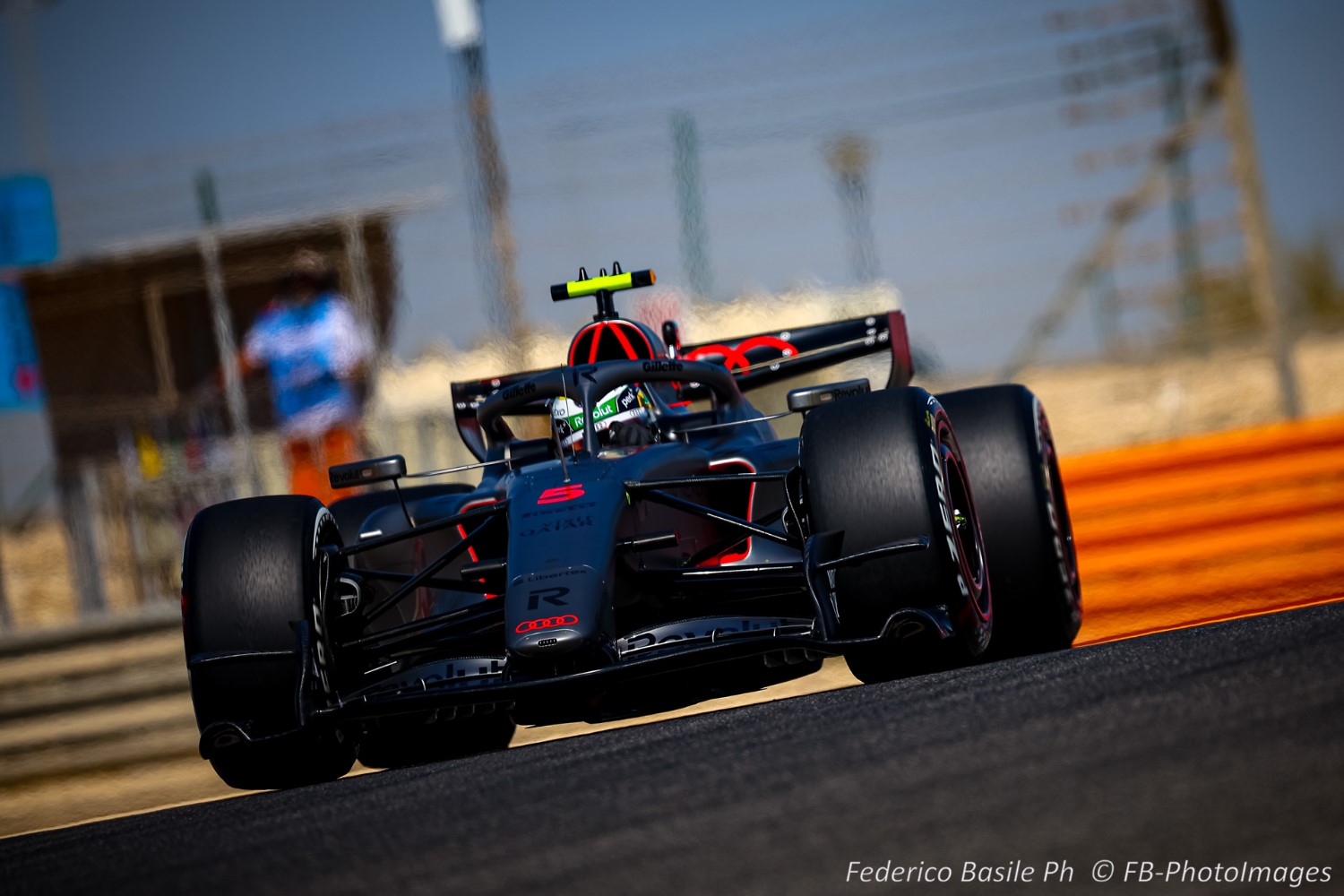
Audi, transitioning from Sauber with a new power unit, started unspectacularly but solidly in the midfield, covering nearly 5000km and aiming for lower Q2 positions. Reliability improved gradually, with Nico Hulkenberg’s long runs in the 1m39s-1m41s.
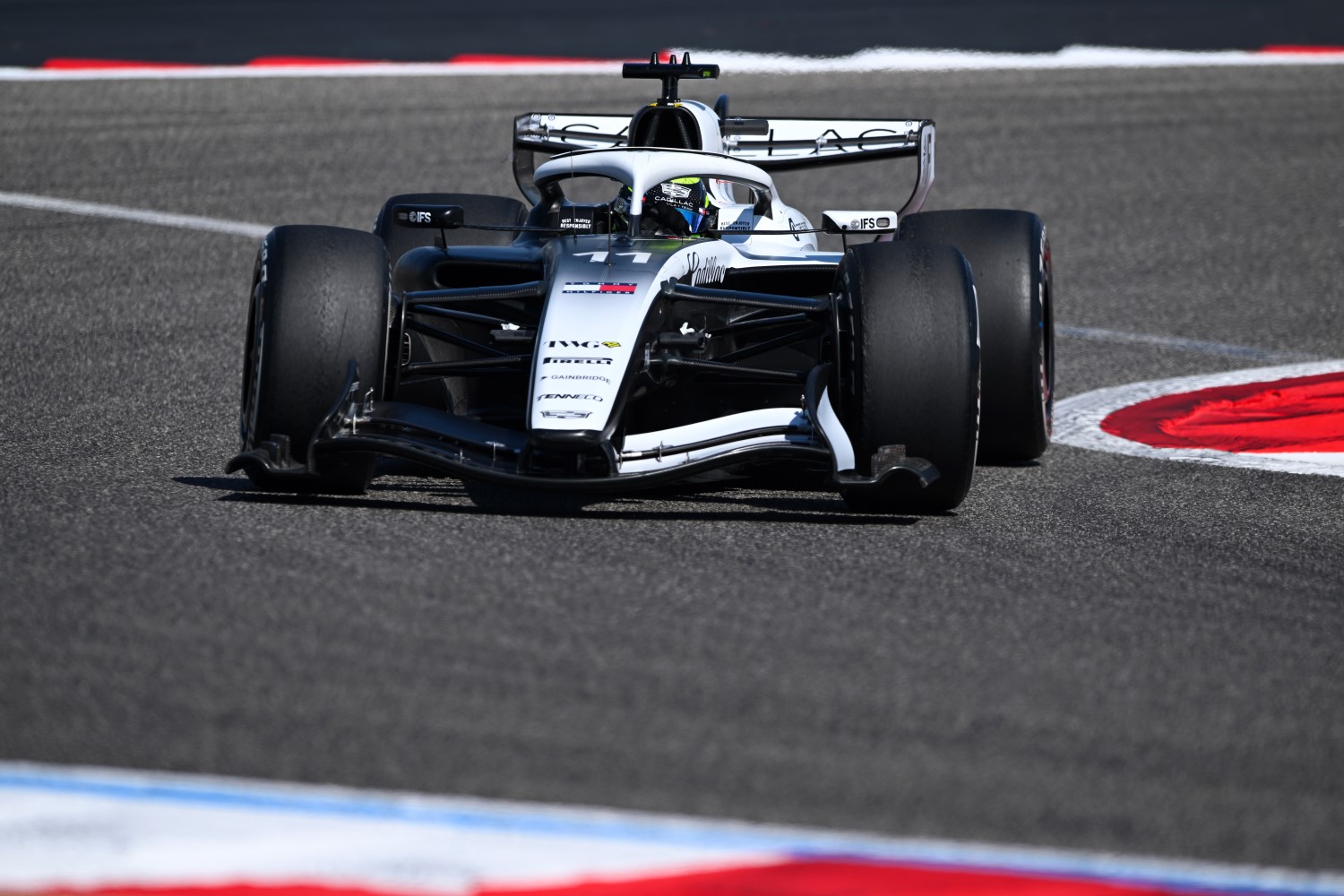
Cadillac, the new entrant, earned respect by meeting targets and avoiding embarrassment, though 4s off the pace in conservative modes. Minor gremlins limited mileage to 266 laps, but the team is seen as a respectable backmarker with no 107% rule concerns.
6. Innovations Thrive Despite Prescriptive Rules
Fears of identikit cars were dispelled by diverse designs: Ferrari’s rotating active rear wing and gearbox-mounted winglet, Audi’s new sidepods, and Mercedes’ fourth rear wing element.
You spin me right round! 😵💫
Here’s Ferrari’s innovative solution to moving the upper flap of the rear wing as part of this season’s active aero introduction 👀 #F1 #F1Testing pic.twitter.com/yY0ZcI1Kph
— Formula 1 (@F1) February 19, 2026
Power unit variations affected audibility, energy strategies, and gear selections, with teams adapting to higher gears in corners and lifting/coasting in qualifying.
The FIA trialed engine Plan B modes, like 300kW electric power, to address battery charging on energy-poor circuits like Albert Park.
7. Pace Targets Met, But Starts and Reliability Vary
Concerns over slower cars were alleviated, with Leclerc’s lap just 2.151s off 2025’s pole, within the expected 1-2s window.
Start fears from turbo lag were mostly addressed by a five-second hold procedure, though disparities remain, with Mercedes-engined teams excelling.
Reliability was mixed: Mercedes and Red Bull faced niggles, while Ferrari and Haas ran routinely.
8. Overall Pecking Order and Season Outlook
The speculated order: Mercedes/Ferrari at the top, McLaren/Red Bull close behind, midfield led by Alpine/Haas/RB/Audi/Williams, and Aston/Cadillac at the rear.
Testing was calmer than past overhauls, thanks to matured processes, but in-season development will be key, especially for smaller teams like Haas.
With sandbagging prevalent, Melbourne will reveal more, but the 2026 regs have restored agility and challenge to the cars, setting up an intriguing season.