From Drive to Survive to the Betting Grid: Essential F1 Terminology Every New Fan Needs to Know
Formula 1 is one of the most thrilling and addictive sports in motorsport. Fans passionately back their favorite drivers and teams, drawn in by the intense partnerships and rivalries that play out within each squad. In recent years, the sport has exploded in popularity—and much of that surge can be traced to Netflix’s hit series Drive to Survive.
The show acts as the perfect crash course for newcomers who know little about the rules or the drama behind the scenes. With expert storytelling, clever editing, and a keen eye for tension and anticipation, Netflix has turned casual viewers into dedicated fans almost overnight.
That new wave of fans is exactly who this guide is for. If you’re one of them—super excited about F1 after binge-watching every season and eager to get more involved—welcome. You’ve come to the right place.
While Drive to Survive gives you a fantastic introduction, betting on Formula 1 requires a deeper understanding than the series provides. To bet confidently and intelligently, you need to master the sport’s unique terminology and the specific language of F1 betting markets. Ready to level up? Let’s dive in.
Why F1 Betting Terminology Can Feel Overwhelming
Formula 1 already has a rich, specialized vocabulary: pole position, constructors’ championship, pit strategy, DRS, and more. When betting layers its own jargon on top of that, things can quickly feel intimidating.
Betting platforms assume you already understand both the racing format and how wagers work. Market names often sound technical or unclear at first glance. That’s why learning the language is essential—just as you’d research casino rules, safe platforms, and responsible play (for example, at trusted sites like https://casino.zonder-cruks.org/, the same careful approach pays off with F1 betting. Knowledge is your biggest edge.
Core Concepts Behind F1 Betting Markets
At its heart, F1 betting is about predicting clear, measurable outcomes: finishing positions, session results, or direct comparisons between drivers. Unlike traditional team sports with straightforward scoring, Formula 1 adds layers of strategy, mechanical reliability, and unpredictable race-day variables.
A typical race weekend follows a fixed structure that shapes the betting calendar:
– Practice sessions offer limited betting interest.
– Qualifying and the Grand Prix itself generate the majority of wagers.
Understanding this rhythm helps you see why certain markets appear when they do and how odds are formed.
Common F1 Betting Terms Explained
Here are the most frequently used terms across F1 betting platforms. Read through them at your own pace—these will become second nature surprisingly quickly.
– Race Winner: The simplest and most popular bet—which driver finishes first in the Grand Prix.
– Podium Finish: A bet that a driver will finish in the top three (the podium).
– Pole Position: Betting on who sets the fastest lap time in qualifying and starts the race from the front of the grid. This is about Saturday’s performance, not Sunday’s result.
– Fastest Lap: A wager on which driver records the single quickest lap during the race itself.
– Points Finish: Betting that a driver will finish in the top ten and score championship points.
– Head-to-Head: A direct comparison between two specific drivers—whichever finishes higher wins the bet, regardless of overall race position.
– Constructor Betting: Focuses on teams rather than individuals (e.g., which team scores more points in a race or over the season).
– Outright Markets: Long-term bets on season-long outcomes, such as the Drivers’ or Constructors’ Championship winner.
One big advantage in F1: the practice and qualifying sessions give you real-time data on pace, starting grid positions, and likely fastest-lap contenders—all publicly available before the lights go out on race day.
How Race Dynamics Influence Betting Interpretation
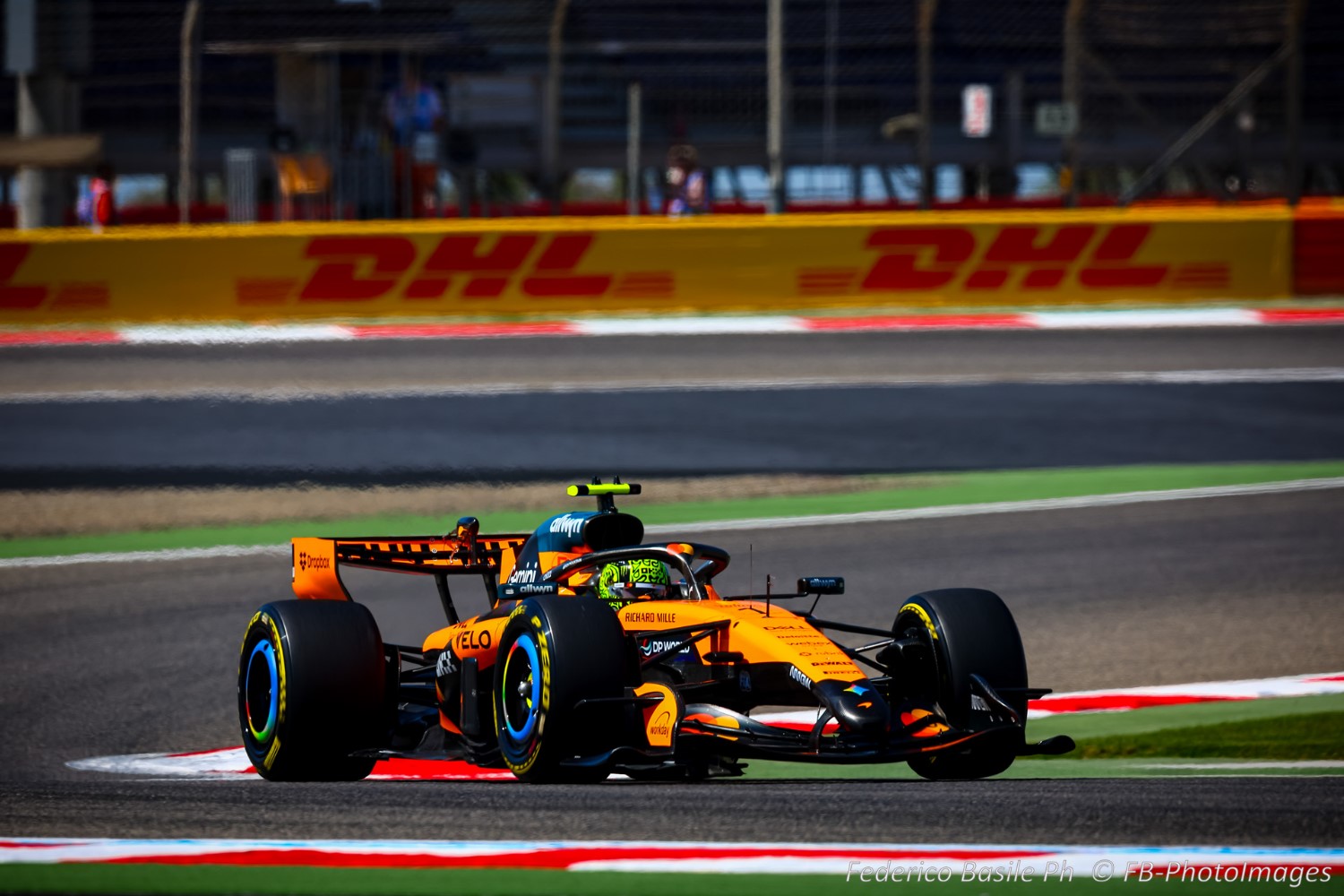
Raw speed is only part of the story. Reliability problems, sudden rain, safety-car periods, and clever (or risky) pit strategies can completely flip the script. That’s why even heavy favorites in the “Race Winner” market can fall short due to mechanical issues or incidents—something Drive to Survive has shown time and again. Think of Lando Norris starting strongly only to be sidelined by a McLaren problem despite his early pace.
Why Context Matters More Than Memorization
F1 betting terminology might look complex at first, but it simply mirrors the sport’s own intricate nature. Once the language clicks, you can stop worrying about definitions and start enjoying the real thrill: the strategy, the rivalries, and the unpredictable drama that makes Formula 1 so captivating.
Now you’re equipped with the foundation. Time to put that knowledge to work—and enjoy the ride.