Formula 1 Australian Grand Prix: Everything You Need to Know Before the Melbourne Race
The Australian Grand Prix is the race everyone’s looking forward to in the F1 2026 calendar. Every year, players, drivers, brands, fans and bettors go to Albert Park in Melbourne and watch cars with the latest F1 technology racing on the tracks. In 2026, the Australian GP marks a new era in Formula 1, especially with all the technical regulation changes. Let’s explore what to expect before the race.
Albert Park Circuit Characteristics
Before we dive into teams and tech, let’s understand the venue. What makes the Albert Park Grand Prix Circuit a suitable choice for the drivers and engineers coming for F1 Melbourne 2026?
Speed and Risk in the Updated Configuration
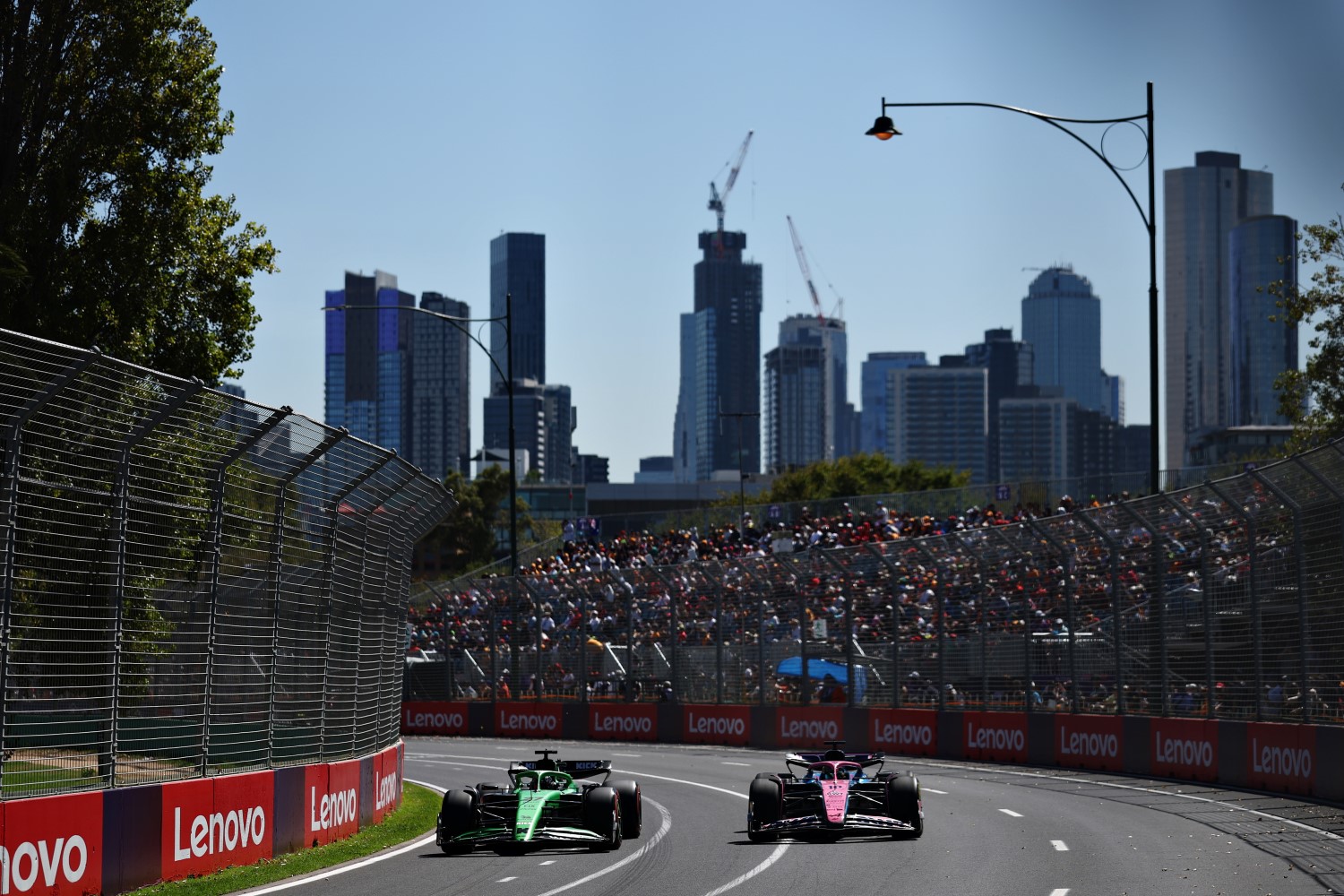
Albert Park is known as a fast, flowing, and physically demanding temporary street circuit that blends public roads with parkland scenery. The layout easily tests the driver’s skill and car performance early in the season, important for bettors who are interested in payid pokies australia (“Pokies” is a typical Aussie abbreviation of “poker machines”) and racers.
The track overview:
- Circuit length: 5.278 km
- Race laps: 58
- Total distance: 306.124 km
- First hosted: 1996
- Lap record: 1:19.8
F1 drivers face medium- and high-speed corners and need a well-balanced chassis. There are surface bumps and rubber build-up that makes grip levels unpredictable, so drivers might struggle to adapt. Weather swings from hot and dry to cool and windy for complexity.
The New 2026 Technical Regulations
2026 is seeing a massive technical overhaul in F1, changing power units, aerodynamics, and overtaking systems.
Engines and Aerodynamics Revolution
Formula 1 shifted toward more electrification and sustainability while maintaining brutal power and speed. Regulation changes include:
- Hybrid Power Units: Cars use 1.6-liter turbo V6 engines, with 50/50 split between combustion and electric power. Electric systems output increased a lot, while MGU-H systems were eliminated.
- Aerodynamics: Cars are designed to be narrower, lighter, and more agile, enhancing overtaking opportunities. Active aerodynamics replace traditional passive wings. Drivers switch between Straight Mode and Corner Mode.
- Energy Systems: F1 introduces Boost Mode, Overtake Mode, and Recharge strategies, drivers need to manage energy deployment and regeneration tactically.
Active Aero in Action on the Streets of Melbourne
The exciting change for 2026 is active aerodynamics, an upgrade from DRS and static wings. Melbourne’s mix of long straights and medium corners makes the active aero adjustments powerful. This maximizes speed and sticks the car in tight corners.
Drivers optimize cars in real time, tailor aerodynamic characteristics based on positions on the track and goals. Viewers expect audible differences in F1 car sound as aerodynamic modes shift. Watch the onboard cameras. Engineers show drivers switching aero settings live during wheel-to-wheel racing.
Top Contenders for the Podium
Melbourne F1 2026 has a lot of favorites. Whether it’s reigning champions or returning legends, here are the top teams this year.
Red Bull’s Answer to the Competition
Red Bull is dominating this sport today, and 2026 is testing their engineering and driver talent. From their testing pace, they’ll be one of the fastest F1 cars on the track. Heavy competition from rivals means Melbourne is a strategic battle.
Strengths:
- Red Bull has a championship pedigree, with multiple titles in recent years.
- The team retained Max Verstappen, one of F1’s successful modern champions, and paired him with rising talent Isack Hadjar.
- Red Bull aims to combine power and efficiency with the Ford/Red Bull Powertrains partnership.
Ferrari’s Progress and Lewis Hamilton’s Ambitions
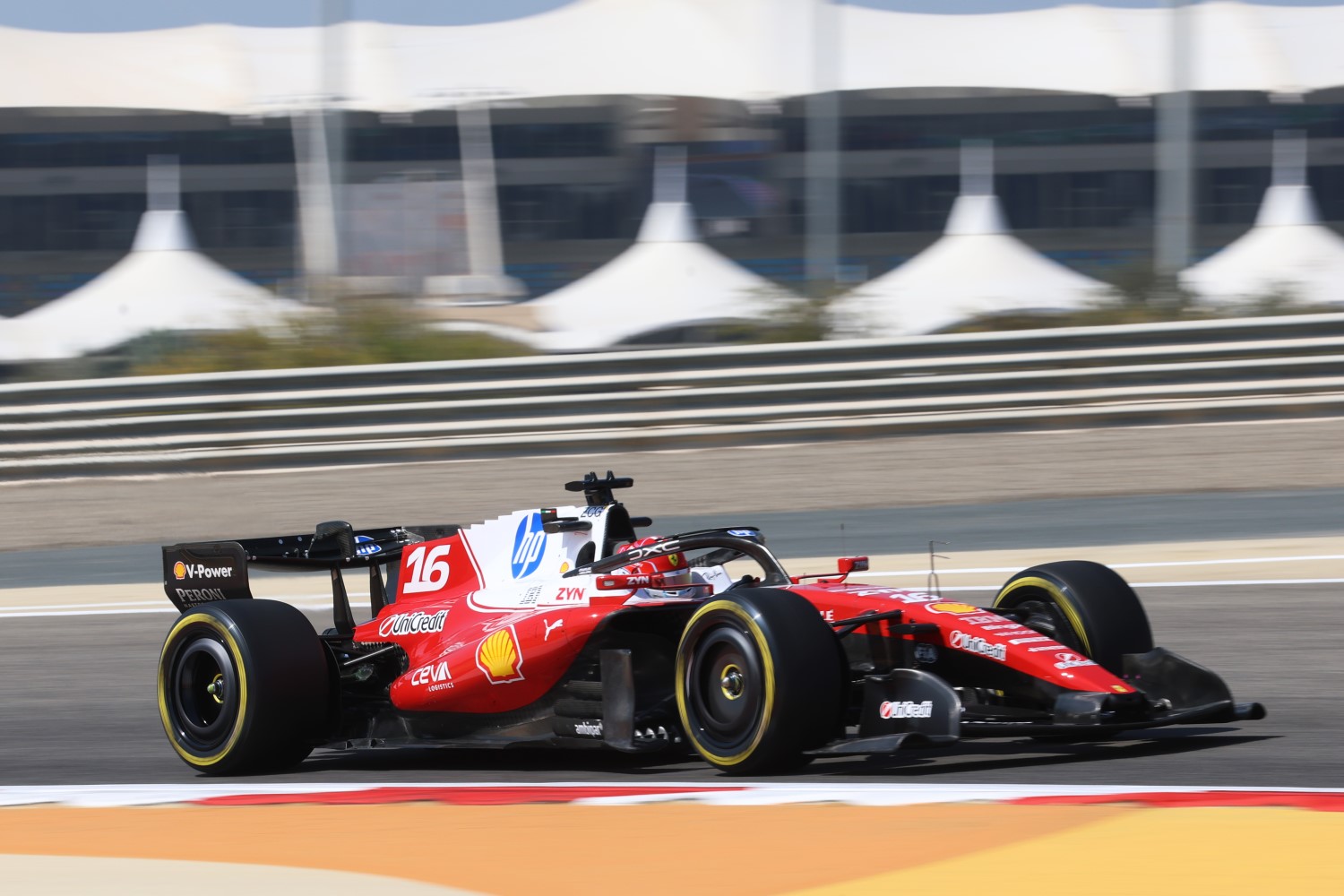
Ferrari is ready to impress in 2026 with Charles Leclerc and Lewis Hamilton, the sport’s experienced drivers. Ferrari’s new wing design concepts and aero philosophy yields strong qualifying performance.
Key points:
- Ferrari focused heavily on aerodynamics and active aero systems in pre-season.
- Hamilton with Ferrari aims to secure his first championship with the iconic Italian team.
- Leclerc’s speed and Hamilton’s experience create a dynamic and competitive driver pairing at Maranello.
Midfield Teams: Who Will Surprise in Melbourne
Not all wins at Albert Park go to the big names. Midfield teams once caused upsets, but 2026 is the time for more surprises.
McLaren and Their Path to the Top
McLaren steps in 2026 after great performances before, including a standout home-crowd-favorite win in Australia last year.
McLaren is important because drivers like Lando Norris and Oscar Piatri keep a consistent pace and race craft. McLaren continues to develop against big teams. Melbourne is trying to break into podium positions and secure a strong point finish to build momentum early on in the championship.
The Audi Project: First Steps of a Legend
2026 marks the debut of Audi as a full works team, a major milestone for the sport. Here’s what to know:
- Audi purchased the Sauber team and entered Formula 1 with a factory-backed project.
- Drivers include established talents like Nico Hulkenberg and promising rookies.
- A new team rarely scores wins immediately, expect Audi to fight for consistency and points.
Strategy and Tires at the Australian Grand Prix
Tires and race strategy decide who wins or loses, especially at Albert Park.
Pirelli’s Choice: Balancing Speed and Durability
Pirelli supplies the tires in F1 Melbourne. Their Miami-approved compounds balance grip, wear, and performance over a race distance. Key points:
- Albert Park’s surface is rough and abrasive, so tire wear is a key variable.
- Teams decide when to push for speed vs. conserve tires for later stages.
- Starting tire choice in qualifying dictates race pace.
- Pit stop timing and safety-car periods shuffle the order rapidly.
The Safety Car Factor
The Safety Car neutralizes races and changes strategies. At Albert Park, tight race-track sections make incidents likely. Watch out for:
- Early laps, especially through the first few corners, are high-risk moments.
- Weather changes or debris prompts Safety Car deployments, forcing teams to rethink pit strategies.
Fan Guide: Schedule and Atmosphere
A race weekend at Melbourne is a festival of motorsport culture.
Main Events of the Racing Weekend
The 2026 Melbourne Grand Prix spans five days, from Thursday 5 March to Sunday 8 March for Australia.
Core F1 schedule:
- Fri 6 Mar: Practice Sessions FP1 and FP2
- Sat 7 Mar: Practice 3 and Qualifying
- Sun 8 Mar: Grand Prix Race 58 laps
Interactive elements:
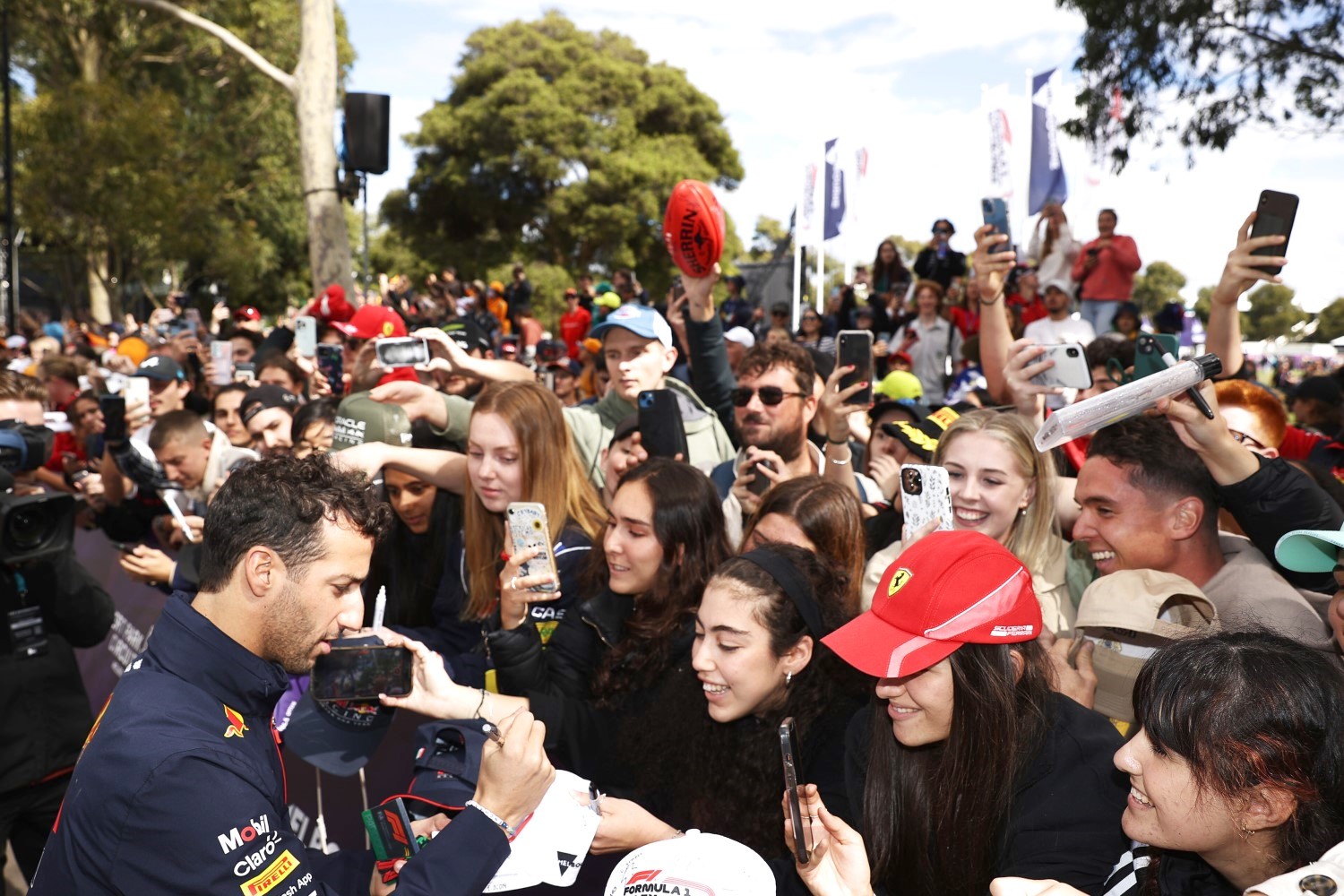
- Drivers Parade: meet the drivers before the main event.
- Support Races: F2 and F3 series races run throughout the weekend, offering stars a chance to shine.
Entertainment Beyond the Track
Fans attending the Australian GP expect a full-on festival. Activities include:
- Fan forums and meet-and-greets with drivers and team members.
- Melbourne Walk to stroll the fan zone with live entertainment and DJ performances.
- Food and hospitality from family zones to premium lounges for fans.
FAQ
When is the 2026 Australian GP?
5-8 March 2026, with the Grand Prix Melbourne on Sunday, 8.
How long is the race?
58 laps at Albert Park is 306 km.
What’s new in 2026?
New active aerodynamics, high power units with 50-50 electric/combustion power, and new race strategy tools.
Who are top title contenders?
Red Bull, Ferrari, McLaren, Mercedes, and surprise packages like Audi and Cadillac.
Can I meet drivers?
Yes, fan zones and paddock events offer meet and greets.
Final Thought
The 2026 Formula 1 Australian Grand Prix in Melbourne is a landmark event and the first major proving ground for F1’s new technical direction. With impressive teams, emerging challenges, and the vibrant Melbourne crowd, this is shaping up to be an unforgettable championship