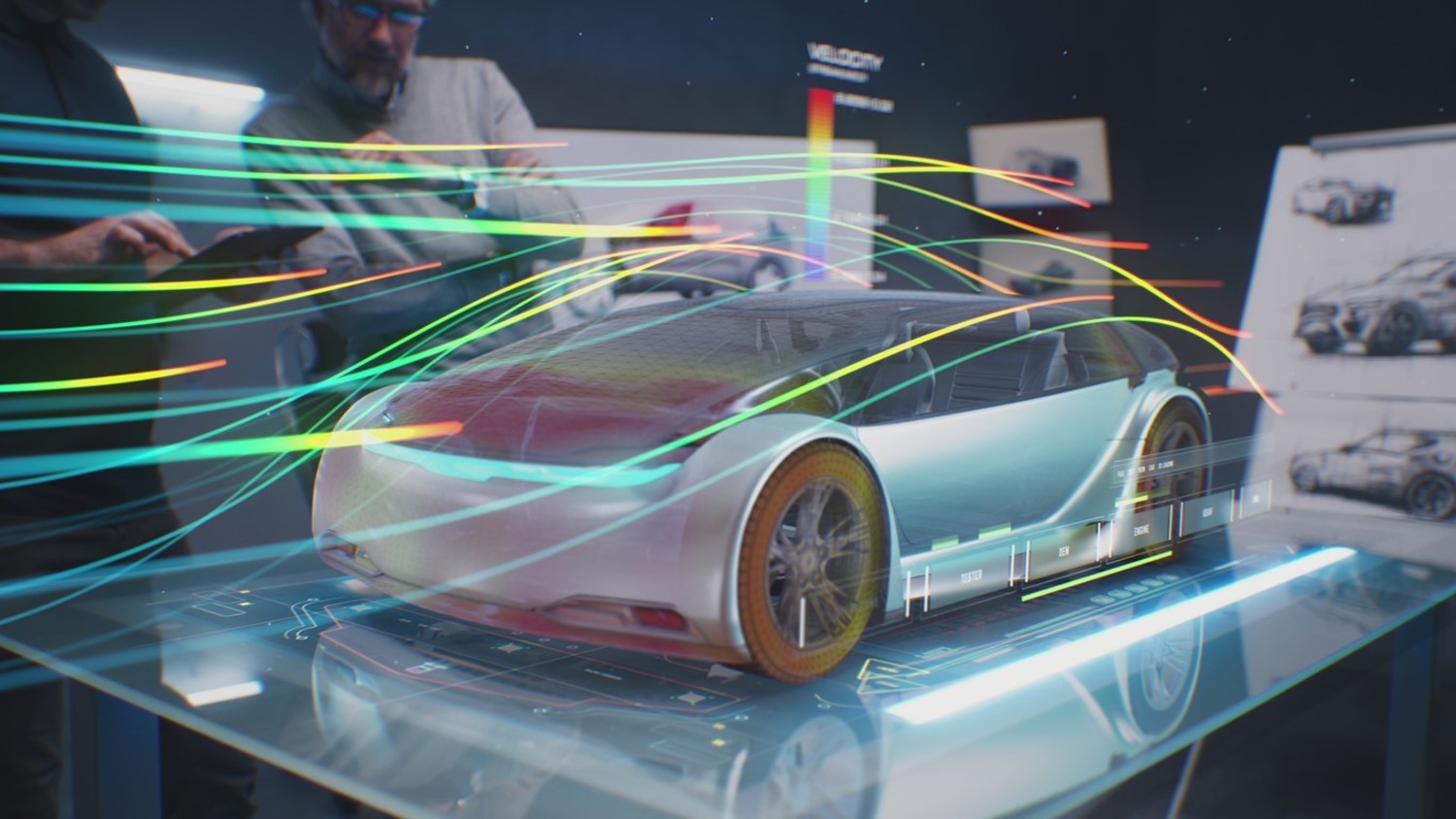
Active Aerodynamics Vs Driver Assist: Racing Tech Meets Road Safety
You’ll spot active aero on the track—think wild wings and flaps that literally morph for speed or grip—and driver assist systems on the road, quietly working behind the scenes to keep folks out of trouble.
Active aerodynamics is all about squeezing every last tenth out of a lap by managing airflow and downforce, while driver assist? That’s more about preventing fender-benders and making daily commutes less stressful. One’s out to break records, the other’s out to keep us in one piece.
So, let’s dig into how race teams obsess over wing angles and rapid-fire systems for overtakes and corners, while road cars rely on sensors and automated brakes to keep everyone safe. You’ll see some stark differences in goals, design choices, and, of course, the rules they have to play by. There are some cool crossovers—sometimes racing tech trickles down into production safety features, and other times it’s just not practical (or legal) for the street. Oh, and if you ever find yourself in a crash, don’t hesitate to reach out to local car wreck attorneys in Florida. It never hurts to know your options.
Active Aerodynamics and Racing Technology
Active aero is basically a car’s way of adjusting its own wings on the fly—trading off grip for straight-line speed, tweaking the balance front to rear so things don’t get too hairy, and even syncing up with hybrid systems to juggle energy use depending on where you are on track.
How Active Aero Replaces DRS in F1 2026
F1’s ditched the old single-flap DRS and brought in moveable front and rear wing bits that can flip between high-downforce and low-drag setups. Drivers get to pick modes right from the steering wheel, but only in certain zones the FIA’s signed off on—safety first, or so they say. Recent developments around regulation changes and team strategy, including the evolving Alpine situation covered in Formula 1 driver change and regulation updates, show just how much the sport is reshaping both technical and competitive dynamics.
Both wings move together, so the car doesn’t suddenly go all squirrelly when drag drops. Unlike before, where you had to be within a second of the car in front to open DRS, now any driver can go low-drag in the allowed spots. It’s a pretty big shift for overtaking and race tactics. Plus, it helps avoid those sketchy moments when only the rear wing moved, and the car felt, well, unpredictable.
Dual-Mode Aerodynamics: X-Mode and Z-Mode
There are two main setups: high downforce for corners, low drag for the straights. Teams call these X-mode (low drag) and Z-mode (high downforce)—catchy, right? Each wing’s got a handful of movable elements (usually two up front, three out back), which means transitions are smoother, not just a big flap suddenly dropping.
Engineers spend ages dialing in the angles to get the lift and load just right. It’s not just about speed—how you set things up affects tire wear, braking, and lap time trade-offs. The way the wings move together keeps the car balanced, especially in those tricky in-between moments. FIA rules say when you can use low-drag, so it’s not a free-for-all, but it does make following another car less of a penalty, which is always welcome.
Overtake Mode and Manual Override Systems
To bring back that extra bit of passing power, F1’s added an Overtake mode that kicks in when you’re about a second behind someone. Hit the manual override on the wheel, and you get a temporary boost—more aero, more electrical punch from the MGU-K.
The leader’s power drops off sooner, while the chaser gets to hang onto that extra juice a bit longer, opening up a real shot at a pass. There are limits, though—like, you can only use up to 0.5 MJ per go—so teams have to be smart about when and how often they hit the button. The FIA keeps a close eye on the software to make sure nobody’s gaming the system, which, let’s face it, they’d try if they could.
Energy Management and Hybrid Power Units
Active aero isn’t just about speed—it’s tied right into how teams juggle hybrid power. By cutting drag on the straights, cars save electrical energy for when it really counts. Modern F1 power units are like rolling science projects, letting drivers swap stored energy for extra horsepower in the right moments.
The MGU-K handles the kinetic energy recovery, and teams have to decide when to harvest and when to spend, factoring in aero setup, tire life, and fuel. If you’re in X-mode, you can coast faster and burn less electrical power, which means you’ve got more in the tank for a late-race push or a crucial overtake. This whole dance between aero and hybrid strategy means overtaking isn’t just about raw speed anymore—it’s about timing, teamwork, and a fair bit of nerve.
Transition to Road Car Safety: Driver Assist Technologies
Here’s where things get interesting—how do all these wild race-bred systems translate to the cars we actually drive? We’ll look at stability controls, adaptive body bits, and race-inspired features, and see what makes sense for the street, what doesn’t, and why manufacturers make the choices they do.
Principles of Electronic Stability Control (ESC)
ESC steps in when your car starts to go sideways—literally. Using sensors for wheel speed, yaw rate, and steering angle, it figures out if you’re oversteering and then quietly brakes individual wheels or cuts engine power to bring things back in line.
Manufacturers set the thresholds so the system helps without stepping on the driver’s toes too much. In your average car, ESCs are there to stop you from sliding off the road or rolling over, but it still lets you drive normally. It works hand-in-hand with traction control and ABS, building up layers of safety that, honestly, most of us don’t even notice until we need them.
It’s been required on new cars for a while now, and the stats show it’s saved a lot of lives. Sure, you can sometimes turn it down or off, but unless you’re on a closed course, best to leave it on. No reason to tempt fate.
Active Aerodynamics in Road Cars
Active bodywork on street cars is a bit tamer. Think pop-up spoilers, adjustable flaps, or grille shutters that switch between saving fuel on the highway and adding grip when you need to stop in a hurry.
For road cars, it’s all about predictability and lasting through years of potholes and bad weather, not shaving tenths off a lap. Most of the time, these systems close things up at speed to cut drag and boost mileage, then open up if you’re braking hard or cornering fast to keep the tires planted. The software ties into speed, steering, and stability systems, so you don’t get any surprises mid-drive.
Manufacturers play it safe with how fast and how far things move—nobody wants a spoiler popping up and distracting the driver (or failing after a year). The hardware’s got to survive road grime and endless cycles, so it’s sturdy, not radical. It’s a far cry from the wild stuff on race cars, but it does the job.
Comparing Overtaking Aids with Road Car Systems
Overtaking aids on race cars are all about those fleeting moments—a quick drop in aerodynamic resistance, just enough to squeeze past an opponent. These gadgets open up a brief window where drag drops and straight-line speed jumps, even if it means sacrificing a bit of downforce and stability while they’re switched on. It’s a trade-off, and drivers know it.
Meanwhile, production cars? They’re playing a different game. Instead of chasing raw passing power, road systems are tuned for safer, more predictable driving. They balance drag reduction and extra vertical load, but the changes are pretty subtle—think better fuel economy and a bit more help dodging trouble, rather than anything that’ll catch you off guard. Everything’s tied in with the stability and braking systems, too. The idea is to steer clear of situations where a sudden aerodynamic tweak could mess with grip just when you need it most.
So, what’s the big difference? Racing tech is all about squeezing out every last bit of performance, even if it gets a little wild. Road car systems, on the other hand, are designed for smooth transitions, built-in safety nets, and working hand-in-hand with things like ESC and brakes. For everyday drivers, it’s less about that rush of speed and more about steady gains in efficiency and staying out of trouble. Makes sense, right?