Why the Porsche 911 GT3 RS Still Proves Racing Builds Better Road Cars
Walk through any major sports car paddock and you’ll see it: manufacturers still treat racing as serious business. Not for marketing alone. Not for social media impressions. But because competition exposes weaknesses faster than any proving ground ever could.
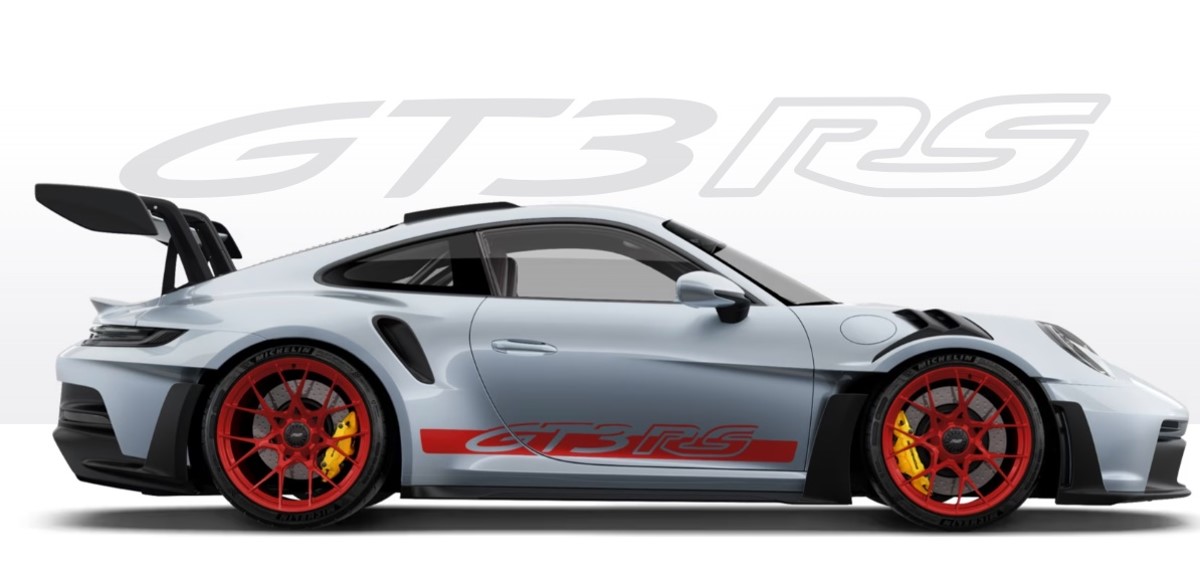
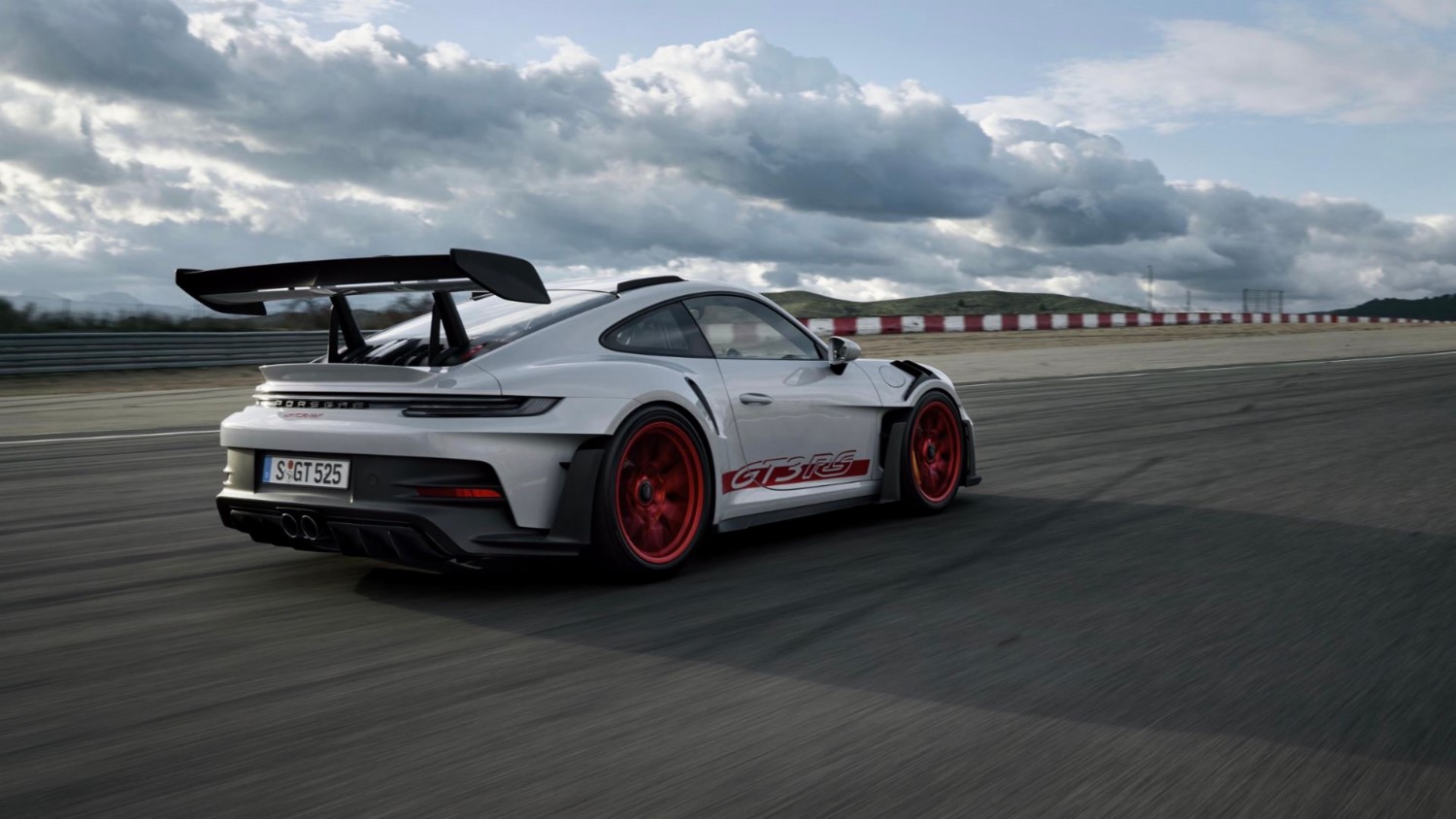
Few automobiles demonstrate that connection better than the Porsche 911 GT3 RS.
For Porsche, decades of GT competition directly shape what ends up in customer hands.
Aerodynamics Taken Seriously
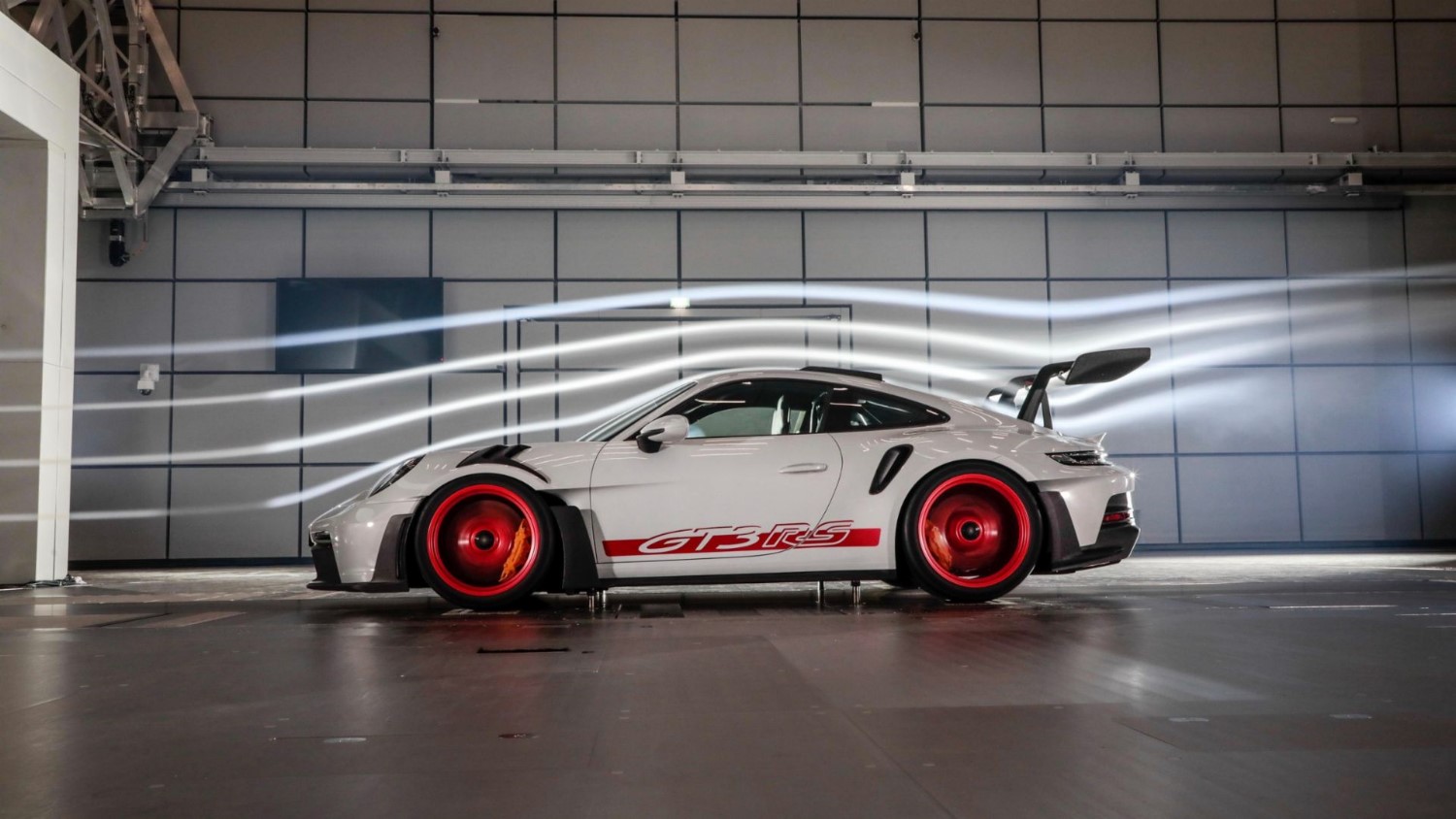
Look at the current 911 GT3 RS and the most obvious feature is its massive rear wing. But this isn’t cosmetic.
The car produces substantial downforce at speed — numbers that were once reserved for dedicated race cars. Engineers developed active aero elements that adjust based on speed, braking input, and steering angle.
That approach mirrors what happens in GT racing, where airflow balance determines whether a car can stay planted through high-speed corners.
The result for road drivers is stability that feels unnatural at first. The car grips harder as speed rises. That’s not marketing language—it’s physics applied properly.
High-Revving Engine Philosophy
Unlike many modern performance cars relying heavily on turbocharging, the 911 GT3 RS uses a naturally aspirated flat-six derived from racing programs.
It revs past 9,000 RPM. That kind of engine speed demands precise balancing, lightweight internal components, and exceptional cooling.
On the track, engines are held near redline for extended periods. That environment forces engineers to overbuild for durability. Street customers benefit from that margin.
It’s an old-school philosophy with modern execution.
Suspension That Reflects Motorsport Thinking
The GT3 RS doesn’t simply have “sport suspension.” It features adjustable components that allow serious fine-tuning.
Camber, rebound, compression — these aren’t just buzzwords. They’re parameters that racing engineers adjust between sessions to maximize tire performance.
According to Forbes, advancements in chassis and suspension development are increasingly driven by competition environments, where components are tested at extreme loads before influencing road cars.
In the GT3 RS, that development shows up in steering feel and mechanical grip that feel purposeful rather than artificial.
The modern automotive industry moves quickly, with technology ventures and digital platforms raising capital at a rapid pace — similar to how emerging tech brands like winna casino are expanding through significant investment. In performance automobiles, development also accelerates when engineering is pushed under pressure. And that pressure is found at the racetrack.
Braking Without Drama
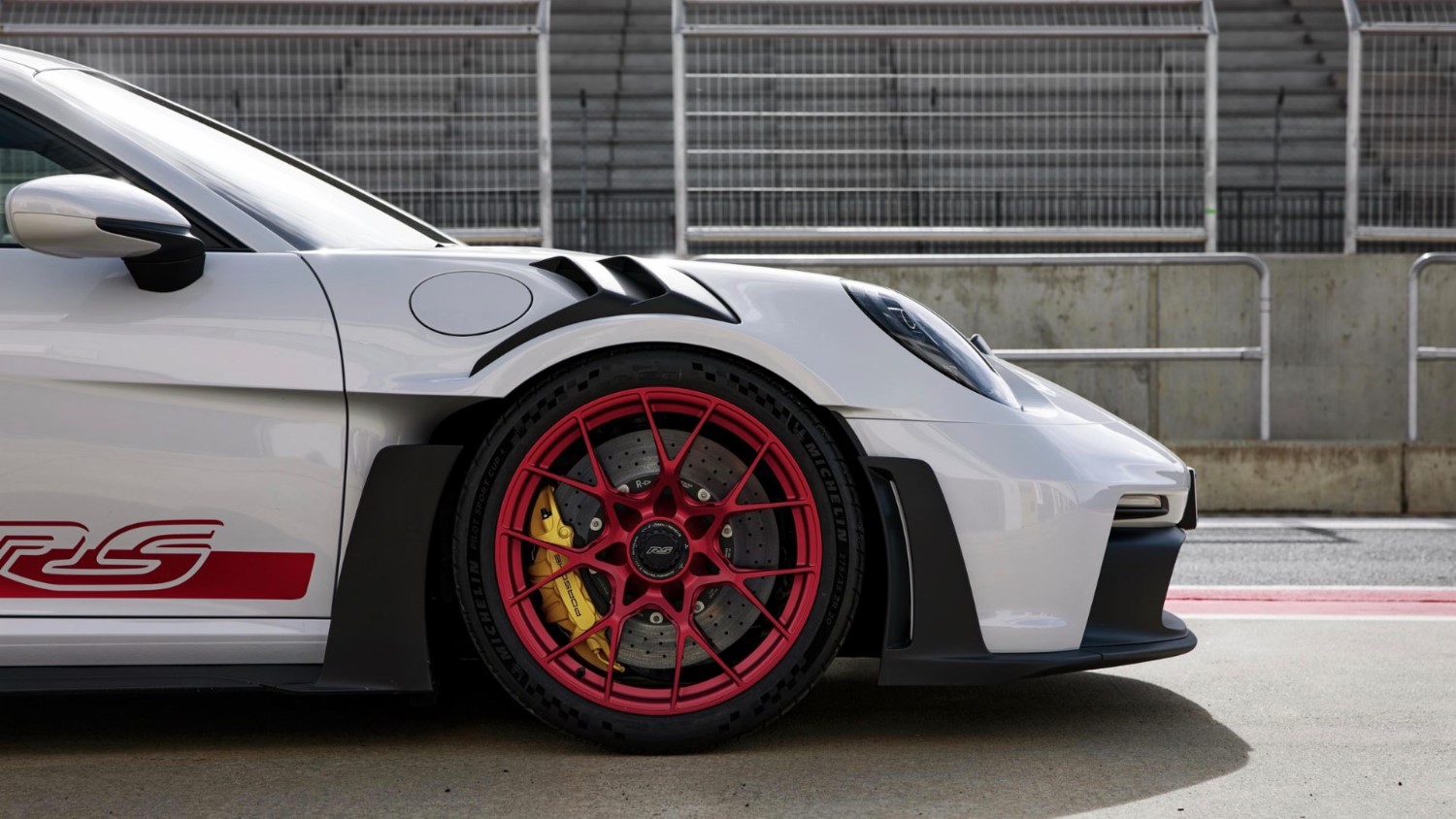
Carbon-ceramic brakes have become more common in high-end sports cars, but their refinement comes from racing endurance events.
Repeated high-speed stops at circuits like Daytona or Sebring expose weaknesses quickly. Heat fade, pedal inconsistency, and rotor wear are unacceptable in competition.
Those lessons improve braking confidence on public roads. The pedal feel in modern performance cars is more consistent because racing data made it that way.
Driver Connection Still Comes First
One thing AutoRacing1 readers understand: lap times matter, but driver confidence matters more.
The 911 GT3 RS is quick because it communicates clearly. Steering feedback is direct. Weight transfer is predictable. Throttle response is linear.
Those characteristics don’t happen accidentally. They are refined by professional drivers during race development cycles, then carried into homologation-based road cars.
In short, the street version benefits from thousands of competitive laps.
Why It Continues to Matter
In an era moving toward electrification and automation, cars like the 911 GT3 RS remind enthusiasts why motorsport remains relevant.
Competition forces clarity. It removes marketing hype and replaces it with measurable performance.
Manufacturers that stay involved in racing continue improving their production vehicles because they are solving real problems under real pressure.
Better cooling.
Stronger components.
More efficient aerodynamics.
Sharper chassis response.
That is the transfer.
Racing is expensive. It always has been. But for automakers committed to performance, it remains the fastest way to develop better automobiles.
And when you drive a car like the 911 GT3 RS, you don’t need a press release to understand that connection.
You feel it.
There’s also a reason manufacturers keep going back to places like Sebring and Daytona year after year. You simply can’t simulate everything. Computer models are impressive, but they don’t fully replicate traffic, rubber buildup, changing track temperatures, or the way a car feels over a long stint when tires begin to fall off. Racing forces engineers to respond in real time.
Something overheats?
You fix it.
The rear end feels nervous over bumps?
You adjust it.
That rapid cycle of problem and solution sharpens development in a way no closed test facility ever could. When a company commits to that process, the benefits inevitably show up in the road cars enthusiasts buy. That’s why the connection between motorsport and production automobiles isn’t nostalgia — it’s practical engineering at work.