Formula 1 News: Teams Scramble with Last-Minute Travel Reroutes amid Middle East conflict
As the 2026 Formula 1 season gears up for its kickoff at the Australian Grand Prix in Melbourne next weekend, teams and personnel are facing unprecedented travel hurdles due to escalating military actions in the Middle East.
–by Mark Cipolloni–
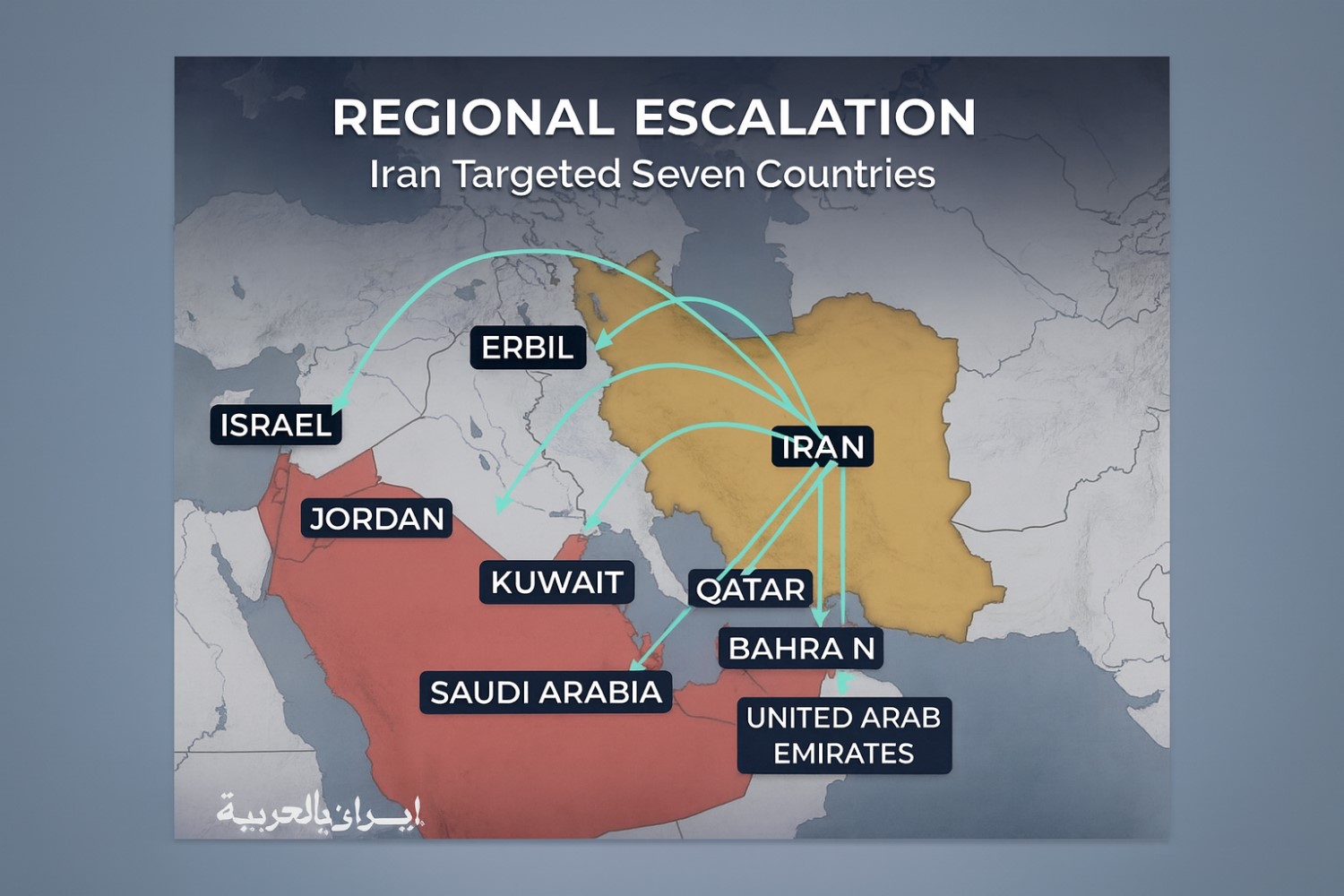
Iranian retaliatory strikes on facilities in Qatar, Kuwait, Bahrain, and the United Arab Emirates—following joint U.S. and Israeli operations in Iran—have led to the closure of major airports in Doha and Dubai, disrupting standard travel routes for approximately 2,000 F1 staff members. Many are still in Bahrain following pre-season testing, complicating their journeys to Australia.
The conflict, which intensified with U.S. President Donald Trump’s announcement of “major combat operations” aimed at destroying Iran’s missile capabilities, has forced widespread flight cancellations and airspace restrictions.
As a result, F1 travelers—who typically rely on Middle Eastern hubs like Doha (Qatar Airways) and Dubai (Emirates)—are being rerouted through alternative Asian gateways such as Hong Kong and Singapore.
Some personnel are opting for direct flights from London to Perth via Qantas, followed by domestic connections to Melbourne, adding hours to already grueling transcontinental trips.
The disruptions extend beyond personnel to equipment and support series. Reports indicate that several Formula 2 teams have had their gear delayed or blocked due to airport closures, raising concerns that some items may not arrive in Melbourne on time.
F1 officials are actively exploring alternative freight plans, with many drivers departing Bahrain today or tomorrow to mitigate delays. Additionally, Pirelli’s scheduled two-day wet tire test in Bahrain was abruptly canceled for security reasons, with all involved personnel confirmed safe and arrangements underway for their return to Italy and the UK.
Despite the chaos, F1 has emphasized that the Melbourne race on March 8 remains unaffected, as do the subsequent events in China (March 15) and Japan (March 29). An F1 spokesperson stated: “Our next three races are in Australia, China, and Japan, not in the Middle East—those races are not for a number of weeks. As always, we closely monitor any situation like this and work closely with relevant authorities.”
However, contingency plans are being discussed for later Middle East rounds, including Bahrain (April 12) and Saudi Arabia (April 19), should the conflict persist.
Teams like Ferrari have voiced concerns about the broader implications, with reports highlighting the paddock’s reliance on Middle Eastern transit points. The situation echoes past disruptions, such as COVID-era quarantines that nearly derailed Australian GPs, underscoring F1’s vulnerability to global events.
As the sport navigates this turmoil, the focus remains on ensuring safe and timely arrivals for the season opener. With the geopolitical landscape evolving rapidly, F1 continues to prioritize monitoring and adaptability to safeguard its global calendar.