Formula 1 News: FIA already forced to cut recoverable energy per lap of the ‘Frankenstein cars’ in Melbourne
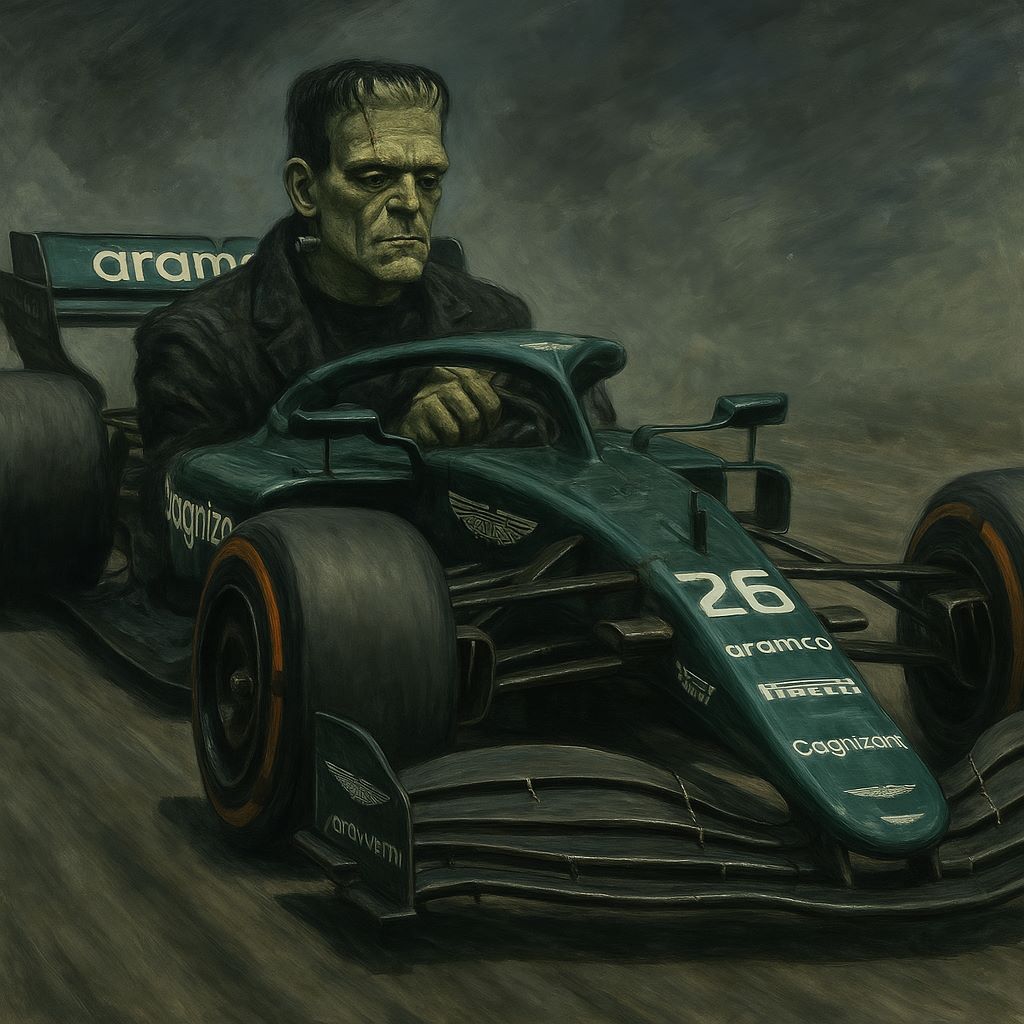
In a last-minute bid to curb “extreme tactics” and preserve the integrity of qualifying sessions, the FIA has slashed the recoverable energy limit per lap for the 2026 Australian Grand Prix. The move targets the controversial new regulations that have birthed what critics are calling “Frankenstein cars“—hybrids so complex and unstable that they’ve shifted Formula 1 from pure racing artistry to a button-mashing exercise in energy conservation.
–by Mark Cipolloni–
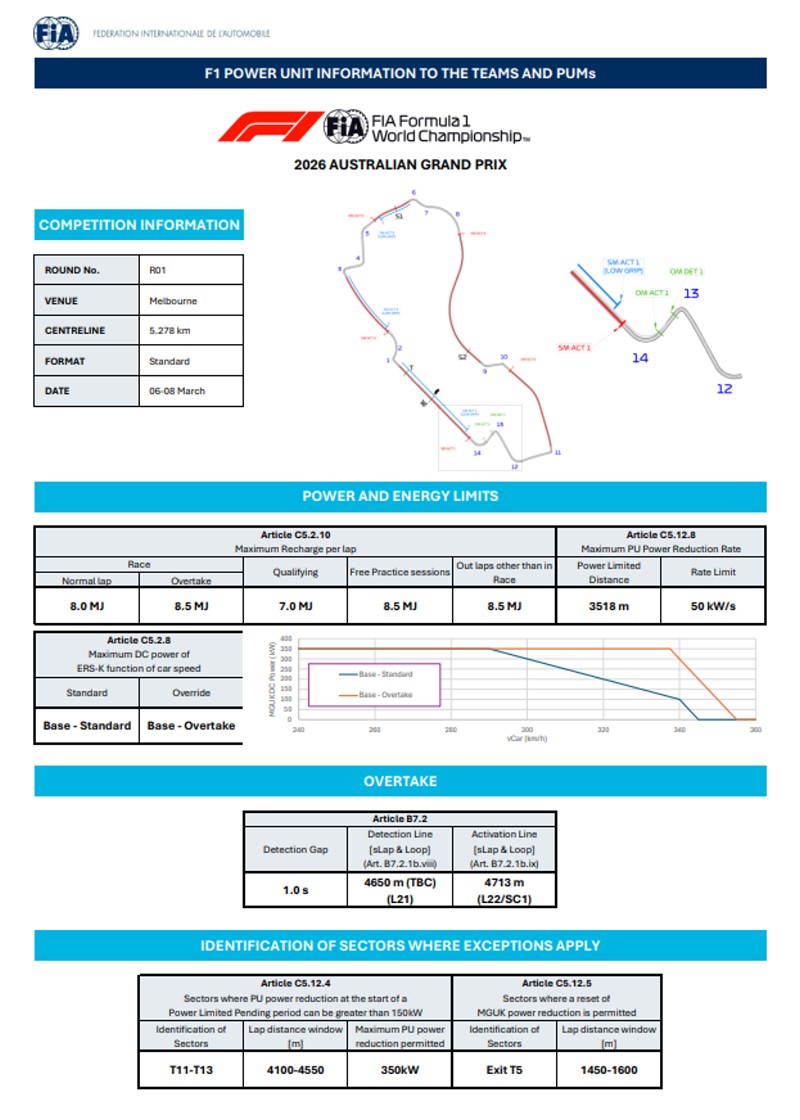
The decision, activated via a regulatory clause, reduces recoverable energy in qualifying flying laps to just 7 MJ, down from the standard 8.5 MJ, specifically to prevent drivers from employing unnatural strategies like excessive lift-and-coast on straights to recharge batteries.
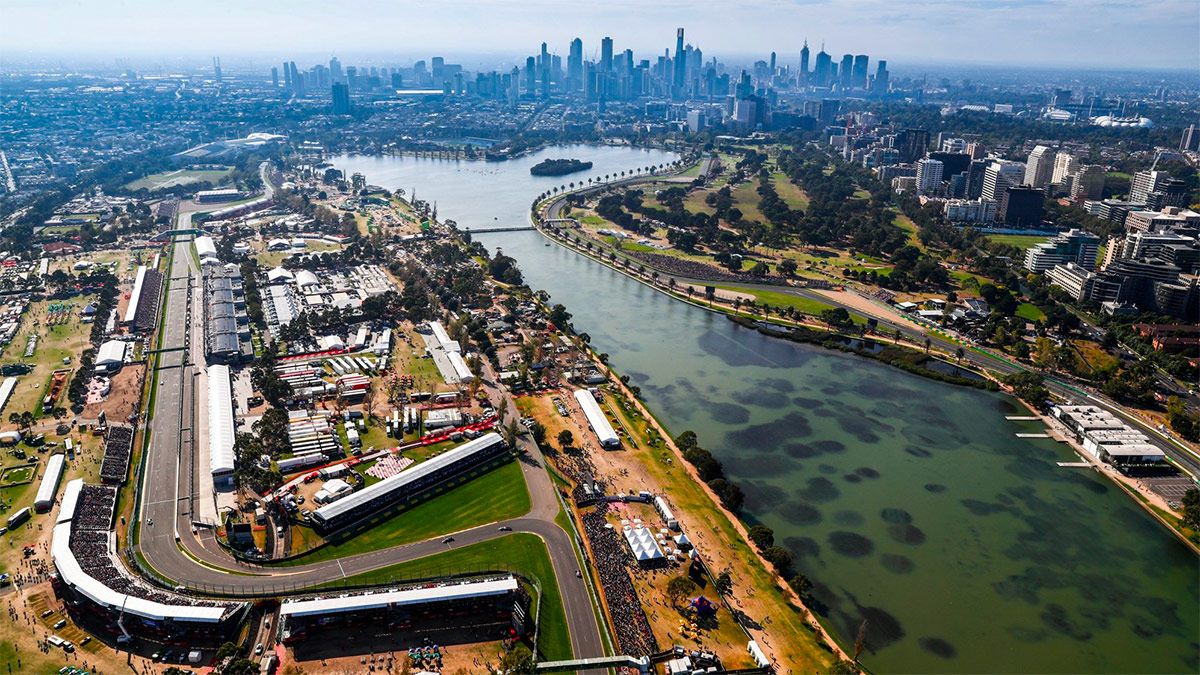
This adjustment is tailored to Melbourne’s Albert Park circuit, known for its long straights and limited heavy braking zones, which exacerbate energy consumption under the 2026 rules that triple MGU-K power while maintaining battery capacity.
In races, the limit drops to 8 MJ under normal conditions, with overtake mode retaining 8.5 MJ, and a maximum power reduction rate of 50 kW/s on extended straights to further manage deployment. Exceptions allow full 8.5 MJ recovery on out-laps from the pits, and instantaneous 350 kW cuts in slower sections like between Turns 11 and 13.
Haas team principal Ayao Komatsu highlighted the potential pitfalls, warning of “a lot of potential for disaster” in qualifying due to traffic interfering with optimal charging on out-laps. “If on that straight – where you should be full throttle – you have to let someone pass, you’re screwed, right?” Komatsu said, emphasizing the need for extensive simulation in free practice to avoid chaos.
The root of these issues lies in the 2026 overhaul, which has produced cars critics deride as “Frankenstein” monstrosities: smaller and lighter with active aerodynamics, but plagued by 15-30% less downforce, rear-end instability, frequent lock-ups, and a driving style more akin to rally cars or Formula E than traditional F1.
Lewis Hamilton has likened them to feeling “slower than F2,” while Max Verstappen branded the experience “not fun to drive” and “anti-racing,” criticizing the heavy reliance on energy modes, throttle lifts, and software tweaks over raw skill. These regs demand unnatural inputs—braking or gear shifts that massively impact battery harvesting—turning laps into efficiency puzzles rather than flat-out assaults.

Verstappen, speaking ahead of the Melbourne opener, dismissed calls for further tweaks as “a bit late,” pointing to the massive investments already sunk into the power units.
“The amount of money that has been invested as well, into these regulations, [they] will be around for a while,” he warned, adding that energy recovery difficulties could spark a “chaotic weekend” in Australia. He reiterated the complexity, noting track layouts will dictate adjustments, but reducing power would simply slow lap times further. Despite the gripes, Verstappen praised Red Bull’s in-house power unit debut as a “great and proud moment” for the team.
This energy clampdown underscores broader fears that the 2026 era has “stripped away the pure art of racing,” prioritizing hybrid management over driver bravery and car control. As teams scramble to adapt simulations and strategies for Albert Park, the season opener could expose the Frankenstein flaws—or prove the FIA’s intervention has tamed the beast just in time. With qualifying set to test these limits, fans brace for a weekend where energy battles might eclipse on-track duels.
The FIA had to step in to avoid start disasters as well
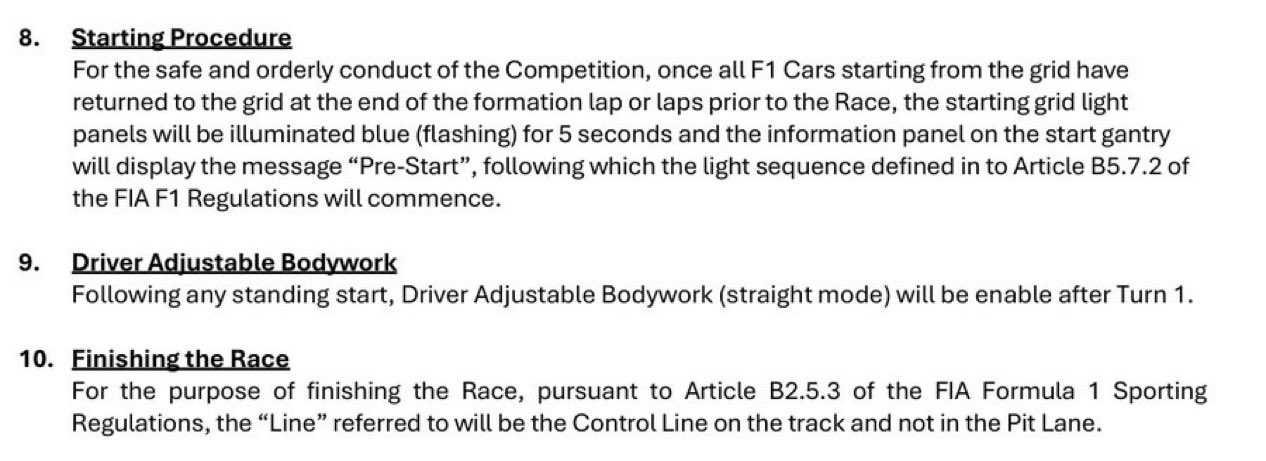
The FIA has confirmed a new starting procedure for the Frankenstein cars ahead of the Australian Grand Prix.
A five-second ‘pre-start’ delay has been introduced to allow the drivers at the back of the grid extra time to prepare their new powertrains for the beginning of the race.
This came following concerns that the slower spool-up time of the new turbochargers would potentially create issues off the line at the start.