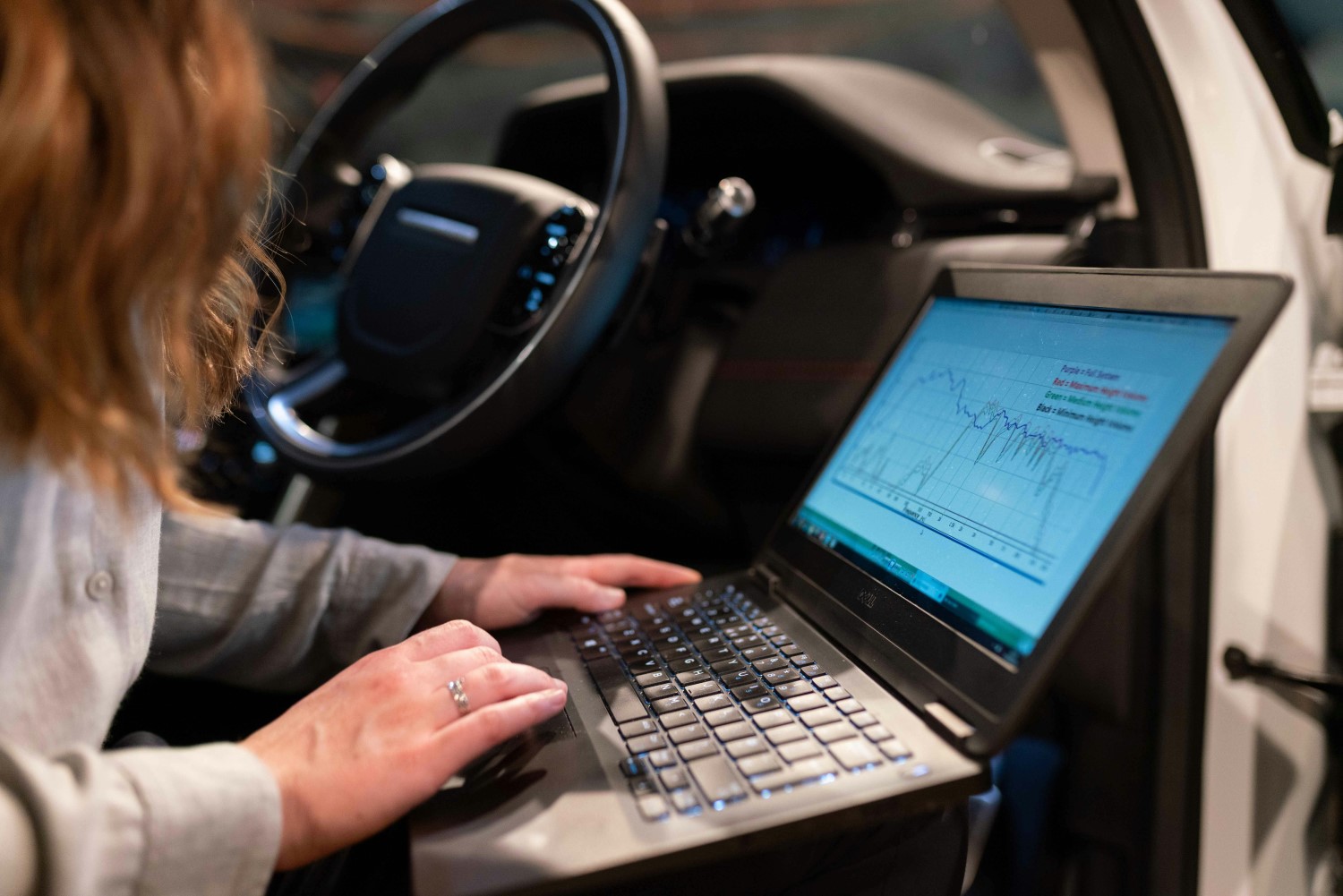
Automotive News: Turning Drive Time Into Diagnostic Insights: A Look at Vehicle Analytics
In the age of connected technology, the simple act of setting off on a drive has quietly become an interaction with a digital system. Modern vehicles are not just conveyances; they are sophisticated fleets of sensors, processors and telematic systems that capture vast amounts of data as we traverse roads near and far.
What once was limited to fuel economy figures and odometer readings now includes nuanced insights into performance, safety and even predictive health of the vehicle.
But what exactly is vehicle analytics, and how can everyday drivers benefit from data that until recently was the preserve of engineers and fleet managers?
What Is Vehicle Analytics?
At its core, vehicle analytics refers to the collection, processing and interpretation of data generated by a car’s internal systems. This data can range from basic parameters — such as engine speed, fuel consumption and braking patterns — to intricate diagnostics that reflect the health of individual components. In essence, analytics turns raw technical information into meaningful insight.
Unlike simple dashboard warnings, which alert a driver to a potentially imminent issue, analytics aims to provide a broader context: trends over time, patterns that suggest inefficiencies, or subtle anomalies that might predict future failures. It is the difference between seeing a single warning light and understanding the story that led to it.
How Modern Cars Capture Data
A modern vehicle is embedded with an array of electronic control units (ECUs) that constantly monitor mechanical and electrical systems. These range from the powertrain management module to stability control, braking systems and increasingly, infotainment and driver-assistance technology.
Each sensor collects specific signals — oil pressure, coolant temperature, wheel speed, steering angle — and the ECU networks compile this into a stream of data continually updated while the vehicle is in use. In connected vehicles, this information can be transmitted to cloud platforms where it is aggregated and analysed with powerful algorithms.
Telematics systems, long a staple of commercial fleets, now appear in consumer vehicles too. They allow remote monitoring and diagnostics that can flag issues before they escalate, enhancing both safety and reliability. For the motoring enthusiast, this data offers a window into how the vehicle behaves in real-world conditions rather than controlled tests.
From Data to Driver Insight
This is where analytics moves beyond numbers and into meaningful insights. Tracking how a vehicle responds to different driving conditions over time can help drivers adjust habits that affect performance and longevity. For example, data might reveal that frequent hard braking in urban traffic significantly increases wear on brake components, or that consistent high-speed motorway driving favours different maintenance intervals than short, stop-start journeys.
Such analytics are not purely mechanical. They increasingly incorporate contextual information — weather conditions, traffic patterns, even terrain — to create a fuller picture of a vehicle’s operating environment. In practice, this means drivers can receive tailored feedback that speaks to their actual use, not just abstract statistics.
It’s worth mentioning that companies like Number 1 Plates, known for their expertise in vehicle identification and registration, take an interest in how this data emerges because it reflects broader shifts in how drivers interact with and understand their cars in terms of usage history and long-term value.
Industry Case Study: Real-World Benefits
Consider a fleet of delivery vans operating across a metropolitan area. Traditionally, maintenance was scheduled at fixed intervals based on mileage or time elapsed. With analytics, operators can instead monitor vehicle health in real time — identifying, for instance, early signs of battery stress or irregular tyre wear before they result in breakdowns.
For private drivers, this level of insight is becoming increasingly accessible. Many manufacturers now offer companion apps that translate key metrics into daily reports. These help drivers make informed choices — such as adjusting routes to reduce fuel consumption or planning service visits based on actual needs rather than arbitrary schedules.
Such analytical visibility also has implications for resale value. Digital histories that reflect well-maintained systems and responsible driving habits are becoming part of vehicle records, giving prospective buyers a clearer sense of what they are purchasing.
The Future Road: Predictive Analytics & Safety
As machine learning and artificial intelligence deepen their integration into automotive systems, the promise of predictive analytics comes into view. Instead of reacting to faults once they occur, tomorrow’s systems aim to anticipate them in advance. This can include predicting when a component is likely to fail based on patterns observed across thousands of vehicles, or even alerting drivers to subtle changes in performance before they notice them themselves.
Safety features also leverage this data. Advanced driver-assistance systems (ADAS) generate a wealth of situational information that can be analysed to improve lane-keeping, collision warnings and adaptive cruise control. Over time, this collective intelligence can contribute to broader improvements in road safety standards and regulatory frameworks.
Conclusion
The shift from simple diagnostics to rich vehicle analytics marks a subtle but profound change in how we understand and interact with our cars. What was once confined to specialised tools and technicians is now becoming part of the everyday driving experience. For drivers and enthusiasts alike, this offers not just technical insight but a deeper appreciation of the machines we rely on.
Whether you’re a commuter, hobbyist or professional operator, the story that your vehicle tells through its data is one worth listening to.