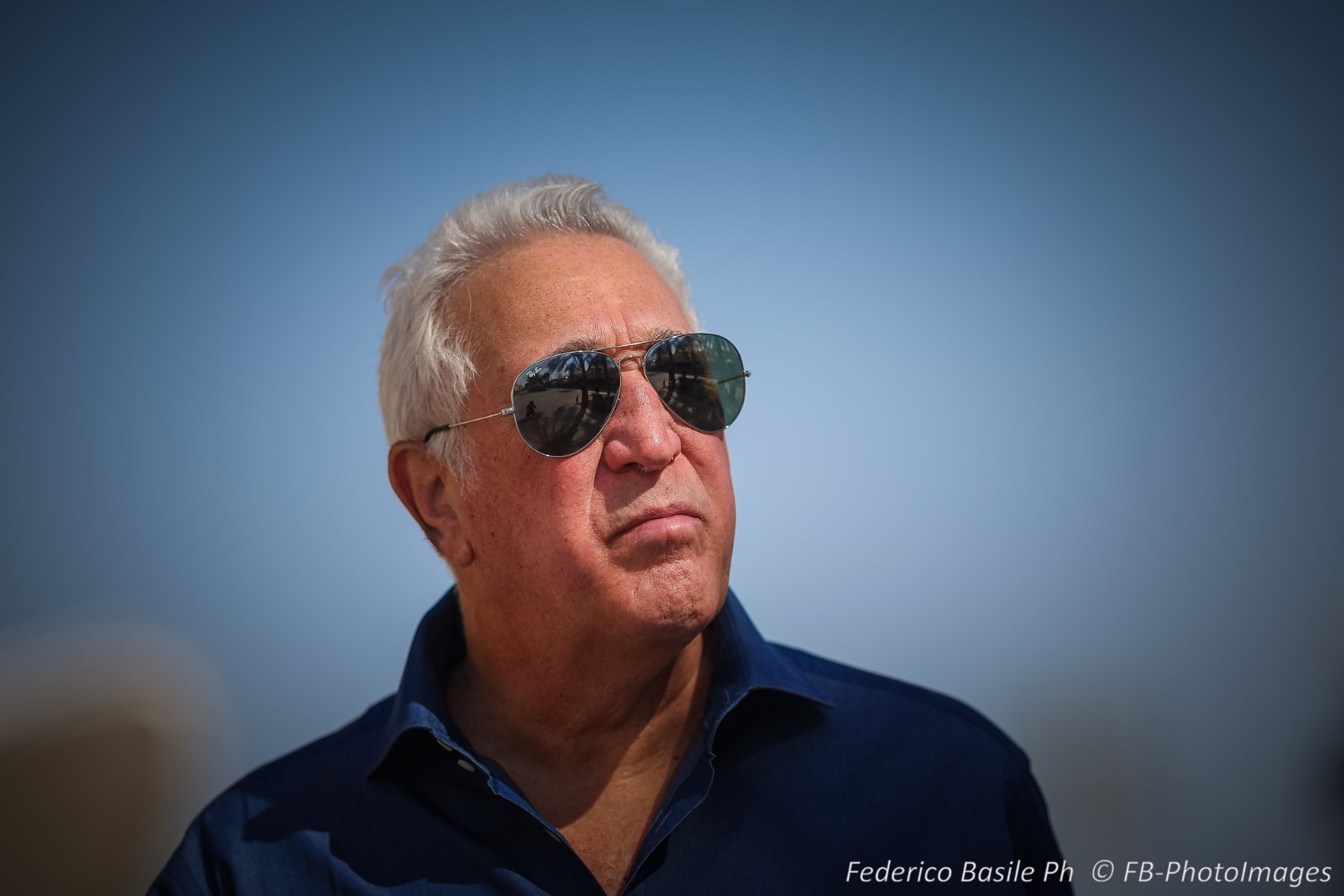
Lawrence Stroll has blown so much money on the Aston Martin F1 Team, how did they not exceed the cost cap?
In the high-stakes world of Formula 1, where budgets can make or break championships, Lawrence Stroll (pictured) stands out as a billionaire owner who’s poured fortunes into transforming Aston Martin into a title contender.
–by Mark Cipolloni–
Since rebranding the former Racing Point team in 2021, the Canadian fashion mogul has spared no expense, building state-of-the-art facilities, poaching top engineering talent, and forging powerhouse partnerships. Yet, despite reports of overspending his initial projections by a staggering factor of five or six, Aston Martin has consistently navigated the FIA’s stringent cost cap without a substantive breach. Is this some form of voodoo economics, or simply savvy compliance with F1’s financial rules? Let’s unpack the numbers, the investments, and the regulations to see how Stroll’s green machine stays in the black.
The Scale of Stroll’s Spending Spree
Lawrence Stroll’s entry into F1 ownership wasn’t subtle. After acquiring the team in 2018 (then Force India), he rebranded it as Racing Point and then Aston Martin, aligning it with the luxury car brand he also controls. His vision? To elevate a midfield outfit into a perennial frontrunner. According to motorsport journalist Mark Hughes on the Motor Sport Magazine Podcast, Stroll has far exceeded his original budget expectations. “I think he’s been crossed many times and he’s probably spent more money than he envisaged by probably a factor of five or six,” Hughes noted. “Every time he’s invested, he found a new limitation, and so he’s invested more, invested more and recruited new people, etc, etc.” This reflects the iterative challenges of F1 development, where initial plans often balloon as teams chase performance gains.
Key investments highlight the extravagance:
– Infrastructure Overhaul: Aston Martin’s new Silverstone campus is a prime example. The team constructed a cutting-edge factory, including a new wind tunnel to end reliance on Mercedes’ facilities. This independence allows for proprietary aerodynamic development, but such capital projects come with hefty price tags—reportedly in the hundreds of millions.
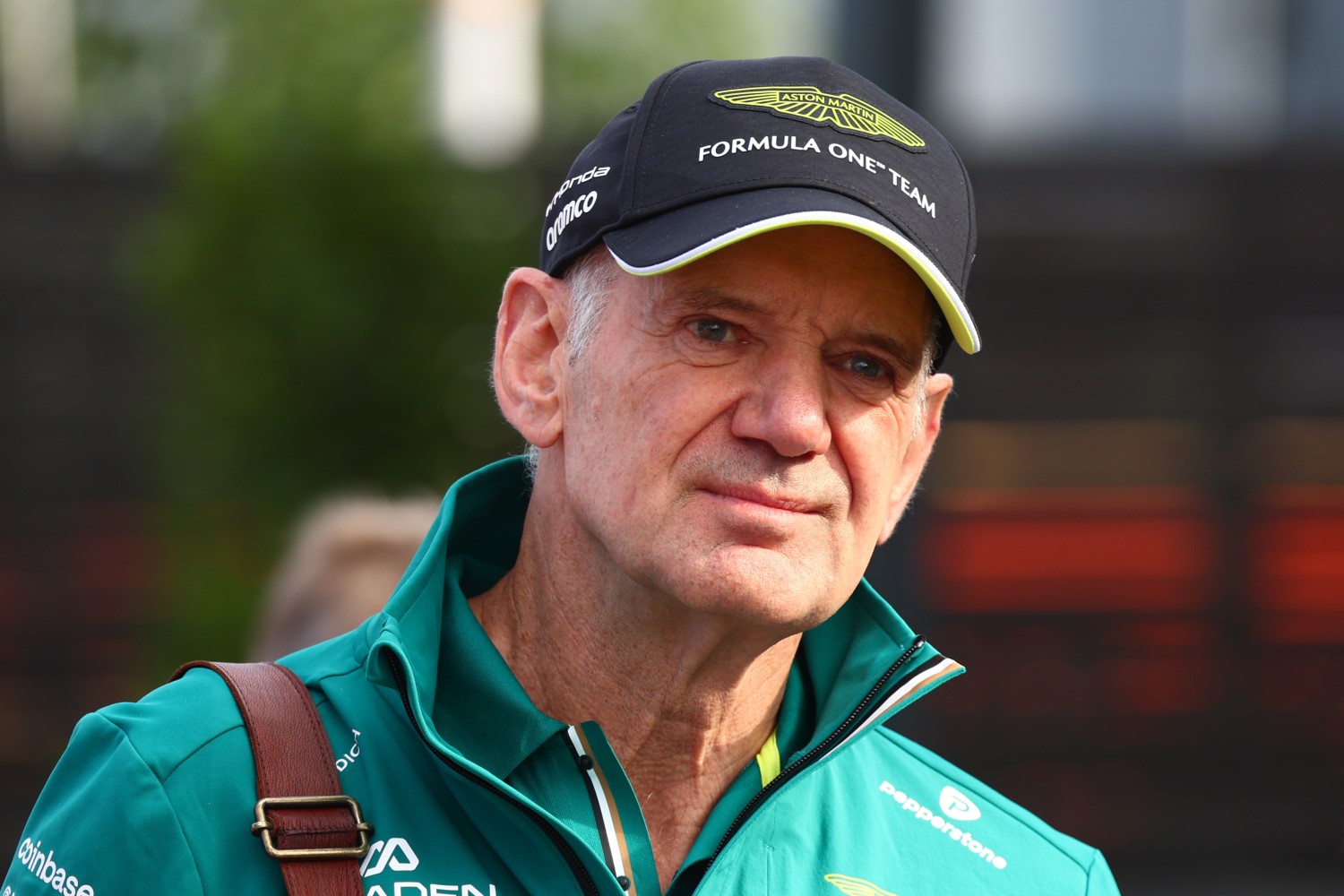
– Star-Studded Hires: Stroll has lured elite talent like former Red Bull aerodynamicist Dan Fallows, ex-Mercedes engineer Eric Blandin, Ferrari’s Enrico Cardile, and most notably, design legend Adrian Newey, whose multi-year deal is rumored to be worth tens of millions annually. These recruits aren’t cheap, but their expertise is seen as essential for closing the gap to leaders like Red Bull and Ferrari.
– Power Unit Support: Amid Honda’s early 2026 struggles as Aston’s engine partner, Stroll provided financial backing to stabilize the collaboration, ensuring reliable power for drivers Fernando Alonso and Lance Stroll (his son).
Despite these outlays, Aston Martin has languished in the midfield, finishing between P8 and P10 in recent races with the AMR24 car. Early 2023 podiums under Alonso have faded, prompting questions about return on investment. Hughes attributes some setbacks to overambitious changes rather than iterative improvements, but Stroll’s commitment remains unwavering—sunk costs and the allure of glory keep him invested.
Decoding the F1 Cost Cap: What’s In and What’s Out?
Introduced in 2021 to level the playing field, the F1 cost cap limits teams’ annual spending on car performance-related activities. The cap started at $145 million in 2021 and has since dropped to $135 million for 2024-2025, adjusted for inflation and race count (an extra $1.8 million per event over 21 races). It’s enforced by the FIA’s Cost Cap Administration (CCA), which reviews submissions for compliance.
Crucially, not all expenses count toward the cap. Exclusions include:
– Driver Salaries: Stars like Alonso can earn upwards of $20-30 million without impacting the cap.
– Top Three Highest-Paid Employees: This covers executives or technical leads, such as team principals or chief designers. Adrian Newey’s salary, for instance, likely falls here, exempting it from the limit.
– Marketing and Non-Performance Costs: Sponsorship activities, legal fees, and hospitality are out.
– Capital Expenditures (Capex): Major infrastructure like factories, wind tunnels, and simulators are treated as long-term investments, not annual operational costs. However, teams must carefully categorize these; improper adjustments can lead to procedural issues.
The cap focuses on “relevant costs” tied to car development, manufacturing, and operations—think R&D, parts, and most staff salaries. This structure allows wealthy owners like Stroll to funnel money into foundational assets without triggering overspend alarms.
Aston Martin’s Brush with the Cap: Procedural Hiccups, Not Overspends
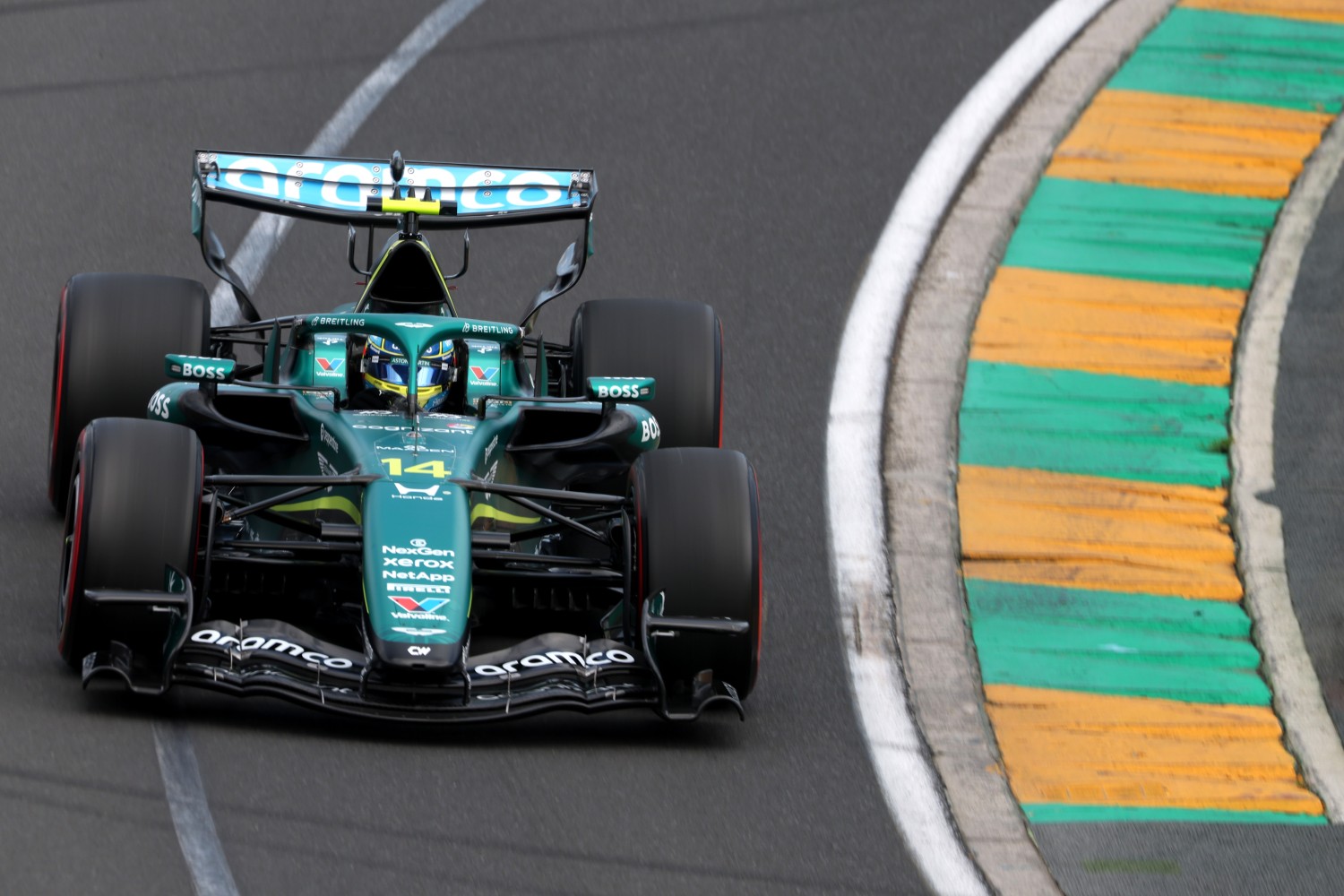
Aston Martin hasn’t been flawless in compliance, but their issues have been administrative, not financial excess. In 2021, they committed a procedural breach by incorrectly excluding or adjusting costs for their new headquarters, simulator, wind tunnel fees, and other items like R&D tax credits and catering. The FIA imposed a $450,000 fine via an Accepted Breach Agreement (ABA), but confirmed the team’s total costs were under the cap.
Fast-forward to 2024: Another procedural breach surfaced, this time due to a missing auditor signature caused by the individual’s illness—described by the FIA as “unpredictable circumstances outside the team’s control.” Again, no overspend; Aston Martin stayed within the $135 million limit and faced no penalties, as the error was minor and non-advantageous. The FIA’s seven-month review affirmed all 10 teams complied financially, with Aston’s lapse resolved amicably.
These incidents contrast with true overspends, like Red Bull’s 2021 minor breach (under 5% or $7.25 million), which cost them $7 million in fines and aero testing reductions. Aston’s clean financial record suggests meticulous accounting, categorizing big-ticket items as capex to avoid the operational cap.
Voodoo Economics or Just the Rules?
So, how does Stroll blow fortunes without busting the cap? It’s not sorcery—it’s the cap’s design. By channeling funds into exempt areas like infrastructure and top-tier salaries, Aston Martin builds long-term competitiveness without annual restrictions. Critics argue this favors deep-pocketed owners, allowing “unlimited” spending on foundations that indirectly boost performance. As one analysis notes, marketing or hiring “technical stars” like Newey escape limits, giving teams like Aston an edge in talent wars.
Yet, the cap has tightened the field, with team valuations soaring—Ferrari at $6.19 billion, Mercedes at $4.67 billion—despite most outfits losing money annually. For Aston, Stroll’s strategy mirrors his son’s junior racing days: Invest heavily to dominate. But as Hughes warns, rapid changes can backfire, and with the team still midfield, questions linger on efficiency.
In the end, Stroll’s spending isn’t defying the cap—it’s exploiting its loopholes legally. As F1 evolves, perhaps tighter rules on capex could come, but for now, Aston’s financial wizardry keeps them racing without the red flags. Whether it translates to podiums remains the billion-dollar question.