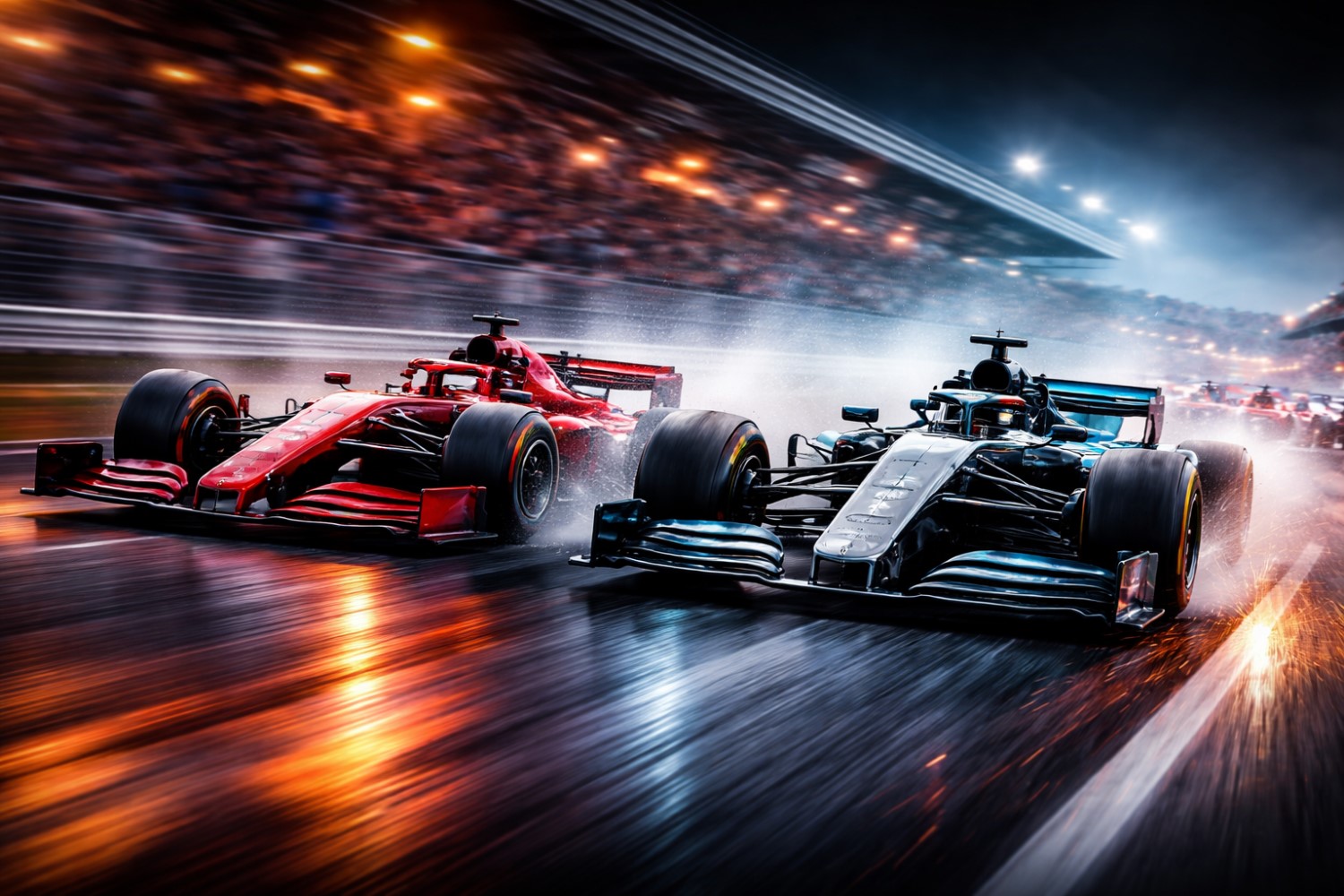
How Rivalries in Formula 1 Keep Fans Engaged Throughout the Season
Rivalries have always been a defining element of Formula 1, transforming individual races into long-term narratives that keep fans emotionally invested throughout the entire season. Beyond the engineering battles between teams, personal competition between drivers, managers, and constructors creates storylines that extend far beyond the track. These rivalries add strategic depth, psychological tension, and constant unpredictability—three factors that sustain fan engagement across every Grand Prix.
The Role of Rivalries in Building Season-Long Narratives
Formula 1 seasons are rarely defined by a single race. Instead, they evolve through ongoing rivalries that develop between drivers and teams over time. These storylines help fans follow the championship as a continuous drama rather than a series of isolated events.
For example, when teams compete closely in the constructors’ championship, each race weekend becomes more meaningful. Fans analyze every detail—from qualifying laps to pit strategies. Motorsport enthusiasts who closely follow these rivalries often extend their engagement with the sport through interactive platforms like 1xbet myanmar, where race predictions and statistics add another layer of excitement to the Formula 1 experience.
Key elements that make rivalries compelling:
- Consistent on-track battles
- Drivers fighting for position across multiple races
- Overtakes and defensive strategies becoming personal contests
- Team strategy competition
- Different approaches to tire management and pit stops
- Strategic innovations influencing race outcomes
- Media and fan discussions
- Pre-race analysis and post-race debates
- Social media amplifying every confrontation
These dynamics create a narrative structure that keeps audiences returning every race weekend.
Leadership Rivalries Behind the Scenes
While drivers often receive the most attention, rivalries between team leaders and executives also play a major role in Formula 1’s competitive landscape. One notable figure frequently discussed in recent seasons is Zak Brown McLaren, whose leadership style has reshaped the team’s competitive strategy.
As CEO of Zak Brown McLaren, he has focused on long-term development, strong partnerships, and strategic recruitment. His decisions highlight how leadership rivalries can influence the direction of entire teams.
How leadership competition shapes Formula 1:
- Technological investment
- Teams compete to develop faster cars
- Aerodynamic upgrades and engine improvements become decisive
- Driver recruitment
- Teams aim to secure top talent
- Contract negotiations can shift the balance of power
- Brand and marketing battles
- Teams compete for sponsorships
- Global visibility strengthens fan loyalty
Because of these factors, the rivalry between team management figures often becomes just as significant as the competition between drivers.
Digital Engagement and the Modern Fan Experience
Modern Formula 1 fans interact with the sport in more ways than simply watching races. Digital platforms, data analysis tools, and mobile applications have transformed how audiences follow rivalries.
New ways fans engage with Formula 1:
- Real-time race analytics
- Live telemetry data
- Strategy comparisons during races
- Interactive communities
- Forums discussing race strategies
- Fan predictions and polls
- Mobile accessibility
- Race schedules and notifications
- Streaming highlights and statistics
Many fans also enjoy motorsport-related entertainment through mobile platforms such as 1xbet app, which allow users to stay connected to racing events and sports updates from anywhere.
Why digital engagement strengthens rivalries:
- Fans can follow every detail of team strategy
- Race incidents are analyzed instantly online
- Communities debate rivalries long after races end
This constant interaction ensures that rivalries remain active topics throughout the season.
Why Rivalries Are Essential to Formula 1’s Popularity
Rivalries are not just a byproduct of competition—they are a core ingredient of Formula 1’s global appeal. They transform technical racing into compelling storytelling that attracts both dedicated motorsport fans and new audiences.
The main reasons rivalries keep fans engaged:
- Emotional investment
- Fans support drivers and teams passionately
- Unpredictable outcomes
- Championship standings can change dramatically
- Long-term narratives
- Rivalries develop across multiple seasons
- Memorable moments
- Iconic battles become part of F1 history
Ultimately, rivalries create the tension and drama that define Formula 1. From fierce driver battles to strategic conflicts between teams and leaders like Zak Brown McLaren, these competitive relationships keep the championship exciting from the first race of the season to the final lap of the last Grand Prix.