The 2026 F1 cars 3 races On: What Worked, What Didn’t, and What Needs to Change
Three races into the biggest rulebook overhaul in two decades and Formula 1 already has a verdict problem. Drivers are split, the FIA is in listening mode, and the paddock cannot agree on whether this is a bold new era or an expensive mistake. The honest answer, as usual, sits somewhere in the middle.
Related Article: The Frankenstein Cars of 2026: How F1’s New Regulations Have Stripped Away the Pure Art of Racing
A Reset of Historic Scale
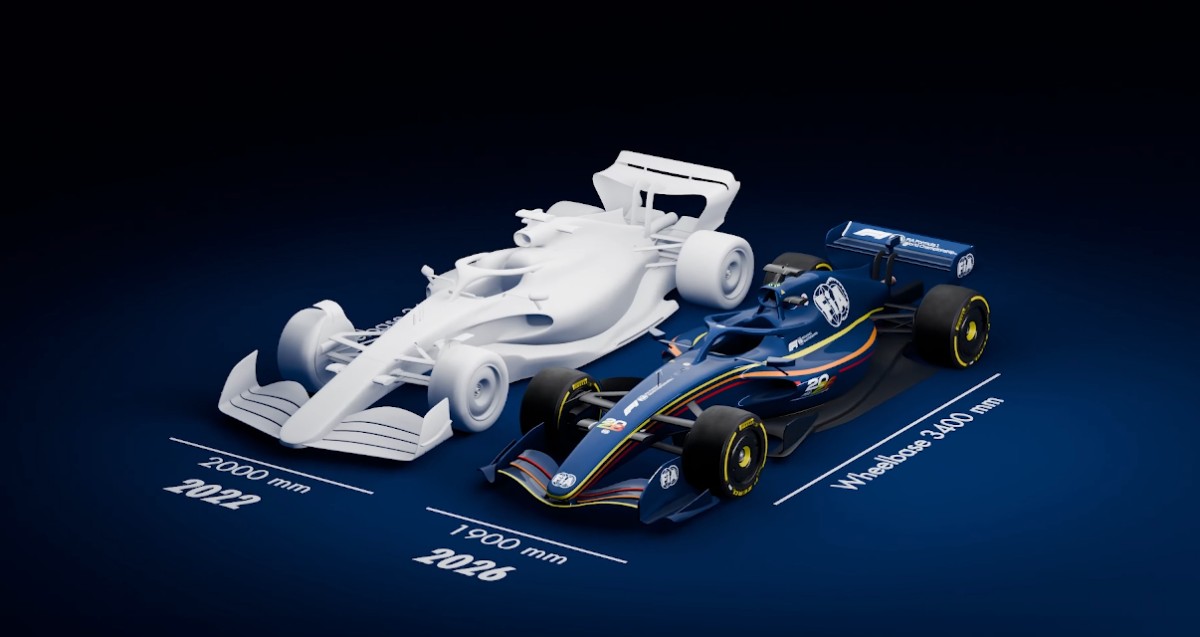
The 2026 rules changed engines, aerodynamics, car size and how drivers use battery power all at once. That scope matters. This was not a tweak. The core 1.6-liter V6 turbo was retained, but the power split shifted to roughly 50 percent internal combustion and 50 percent electric, up from the older roughly 80/20 ratio. Add smaller, narrower cars and fully automated active aerodynamics, and you have an entirely different machine. For fans who track the sport closely, parsing what actually works at this level feels a bit like finding value in a complex market. Knowing where to look matters, much like choosing the best australian online pokies for real money requires understanding what sits beneath the surface, not just the headline numbers.
The changes that clearly landed well include:
- The Australian Grand Prix produced 120 overtakes, including a sustained battle between George Russell and Charles Leclerc who swapped the lead seven times across nine laps
- Smaller, lighter cars that look sharper through slow corners and handle differently on tighter street layouts
- The Overtake Mode, which gives an attacking car within one second of the car ahead a short burst of extra electrical power, replacing the binary on/off nature of DRS with something more nuanced
The Energy Management Problem
The technical landscape becomes particularly fraught when addressing the new energy management protocols. The prevailing view among drivers is that battery deployment has become an overbearing performance factor, resulting in a racing experience that feels “unnatural”.
One Racing Bulls pilot described a tedious experience of running out of power just as they reached the end of the straights. This led to the jarring sight of cars lifting through Melbourne’s fast Turns 9 and 10 to stay within their energy budgets. The cost was staggering: qualifying times dropped by three seconds, plummeting from 1:15 in 2025 to 1:18 in 2026.
Beyond the frustration of slower lap times, Lando Norris warned of a looming safety crisis, citing the extreme speed differences between cars and predicting “chaos” on track. Such blunt warnings of danger from veteran drivers rarely go ignored in technical circles.
Related Article: Formula 1 News: Drivers slam Frankenstein Cars as Suzuka exposes F1 slowdown
The Active Aero Verdict
On straights, the wing flaps move to their open position to reduce drag and increase top speed, while in corners they return to the closed position to maintain downforce. In theory, elegant. In practice, the automated nature of the system creates unpredictability that several drivers actively dislike.
Because the active aerodynamics are automated and not fully driver-controlled, they could malfunction at any point, which raises a legitimate safety concern. Leclerc experienced this in Shanghai Sprint qualifying: a rear slide triggered a chain of automatic electrical procedures that left him severely short on power for the long back straight. He is one of the best qualifiers on the grid. The system penalized him for a normal racing event.
The driver community’s verdicts after two rounds break down roughly like this:
- Positive: Lewis Hamilton, George Russell, both citing enjoyable race battles and good car feel
- Negative: Max Verstappen, Fernando Alonso, Lando Norris, citing artificial racing and energy dependency
- Neutral but concerned: most of the midfield, who are still learning how to extract pace from a system that rewards consistency over aggression
What the FIA is Actually Doing
FIA single-seater director Nikolas Tombazis acknowledged the initial feedback while noting that around 90 percent of the work had been done well, and confirmed the organization remains open to adjustments. That is the diplomatic version of “we hear you but we’re not panicking.”
After meeting with team bosses following the Chinese Grand Prix, no immediate changes appeared to be coming, with many expecting any meaningful adjustments to arrive in 2027 at the earliest. Red Bull, Honda and Audi are pushing for modifications. Mercedes, with two wins from two races, are presumably less enthusiastic.
McLaren team principal Andrea Stella framed it as a philosophical question: whether F1 should accept this counterintuitive situation as part of its identity, and called on the FIA to collect driver and fan feedback before drawing conclusions. That is a reasonable position. It is also the kind of careful language that buys time while the engineers figure out whether the problem is solvable within the current rules or requires a structural fix.
Three races is genuinely not enough to write a verdict, but something has to be done because the way the cars race now is artificial – no driver talent required. The cars are new, the teams are learning, and energy management strategies will evolve. What is already clear is that the racing can be spectacularly fake when the batteries cooperate, and deeply frustrating when they do not. That tension is precisely what the next few months will resolve.