Kimi Antonelli’s First Wins: What It Means for Mercedes and the Future of Formula 1
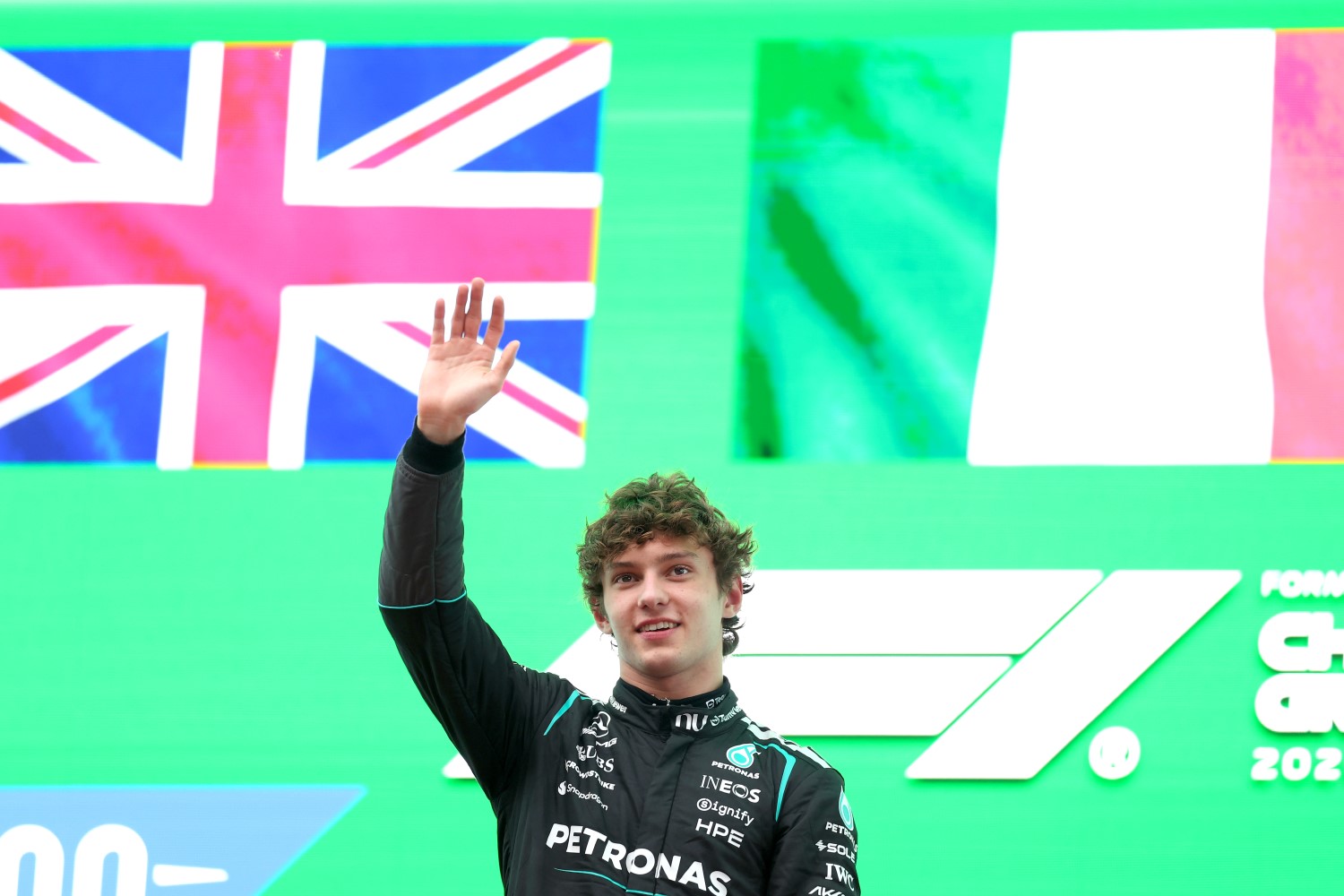
Kimi Antonelli’s first Formula 1 victory did not feel like a surprise in the traditional sense. It felt inevitable — but still significant. For months, the young Italian had been surrounded by expectations, comparisons, and pressure that few rookies in modern Formula 1 have experienced. When the moment finally arrived, it was not just about a race result. It became a turning point for Mercedes, and possibly for the competitive balance of the 2026 season.
In today’s Formula 1 landscape, fans and analysts rarely look at races in isolation. Every result is immediately dissected, compared, and projected forward. During and after races, many viewers engage with additional layers of analysis, sometimes even exploring probabilities and scenarios through platforms like live casino online Canada, where outcomes and unpredictability are part of a broader entertainment ecosystem. In a similar way, Antonelli’s win is not just a victory — it is a signal that something larger may be shifting within the sport.
A victory that changes perception
Before this race, Mercedes were seen as a team on the rise, but not yet dominant. They had shown speed, consistency, and technical progress, but they lacked a defining moment — something that would confirm their return to the top.
Antonelli’s win provided exactly that.
It was not a chaotic race decided by luck or unusual circumstances. It was controlled, composed, and strategically sound. That matters. In Formula 1, the context of a win often matters more than the win itself. A clean victory suggests that the car, the strategy team, and the driver are all operating at a high level.
For Mercedes, this changes how they are perceived. They are no longer a team rebuilding — they are a team capable of winning on merit.
The weight of expectation
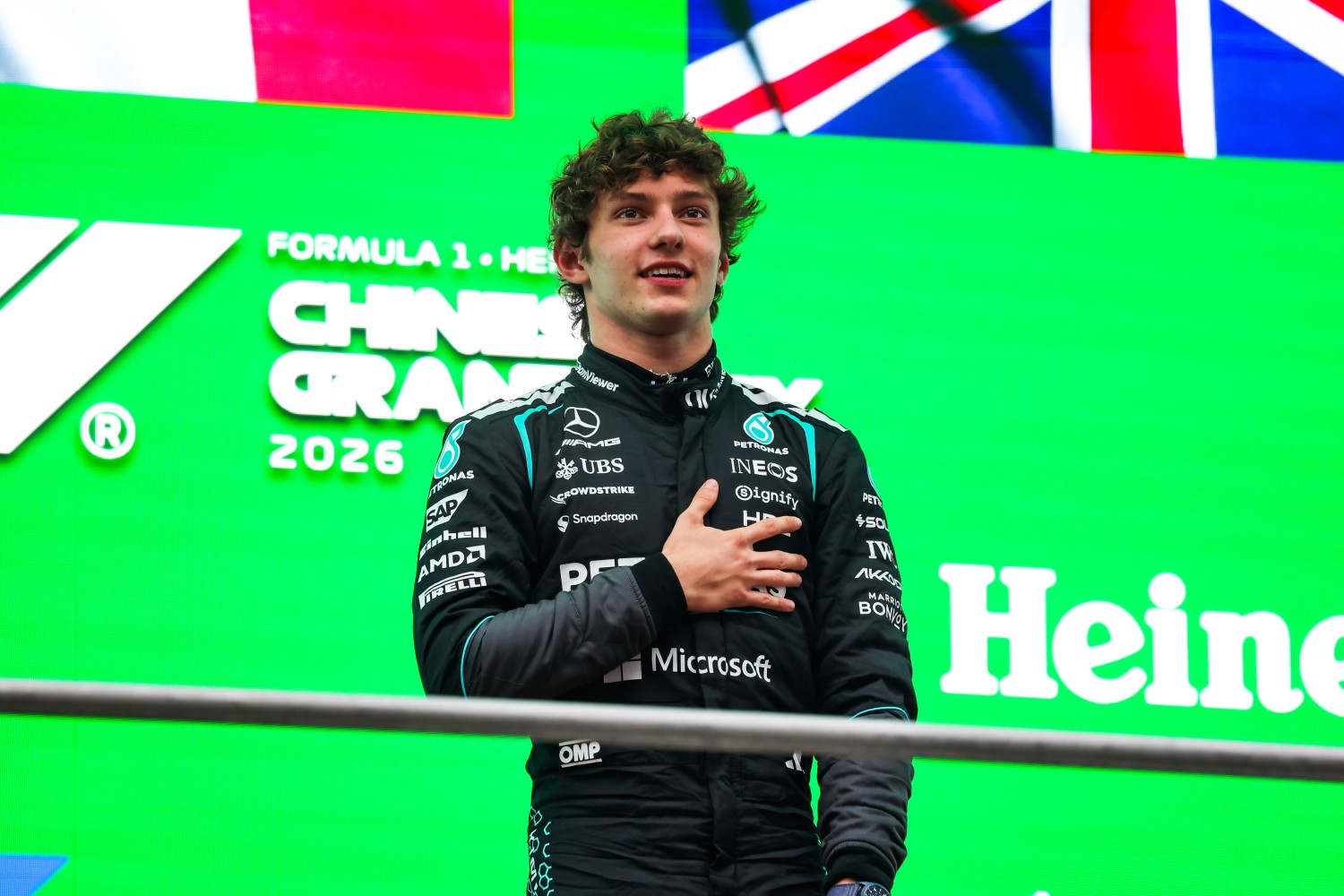
Antonelli’s journey to Formula 1 has been unusually intense. From the moment he was identified as a future Mercedes driver, expectations followed him at every stage. He was not just another rookie entering the grid; he was seen as a long-term project, a potential cornerstone for the team’s future.
That kind of expectation can be difficult to manage, especially in a sport where even experienced drivers struggle under pressure.
What makes this victory important is not just the result, but how it was achieved. Antonelli did not look overwhelmed. He did not rely on aggressive risks or desperate moves. Instead, he drove with a level of composure that is rarely seen in drivers at such an early stage of their careers.
This suggests that Mercedes may have found not just a talented driver, but one who can handle the psychological demands of Formula 1 at the highest level.
The strategic dimension of the win
Modern Formula 1 is as much about strategy as it is about speed. Tire management, energy deployment, and race pacing all play critical roles in determining outcomes.
Antonelli’s win highlighted this perfectly.
Rather than pushing aggressively at every opportunity, he managed the race. He controlled tire wear, maintained consistent lap times, and responded effectively to strategic calls from the pit wall. This kind of performance indicates a deep understanding of race dynamics—something that usually takes years to develop.
It also reflects the strength of Mercedes as an organization. A driver does not deliver that kind of performance in isolation. It requires coordination, communication, and trust between the driver and the team.
What this means for Mercedes
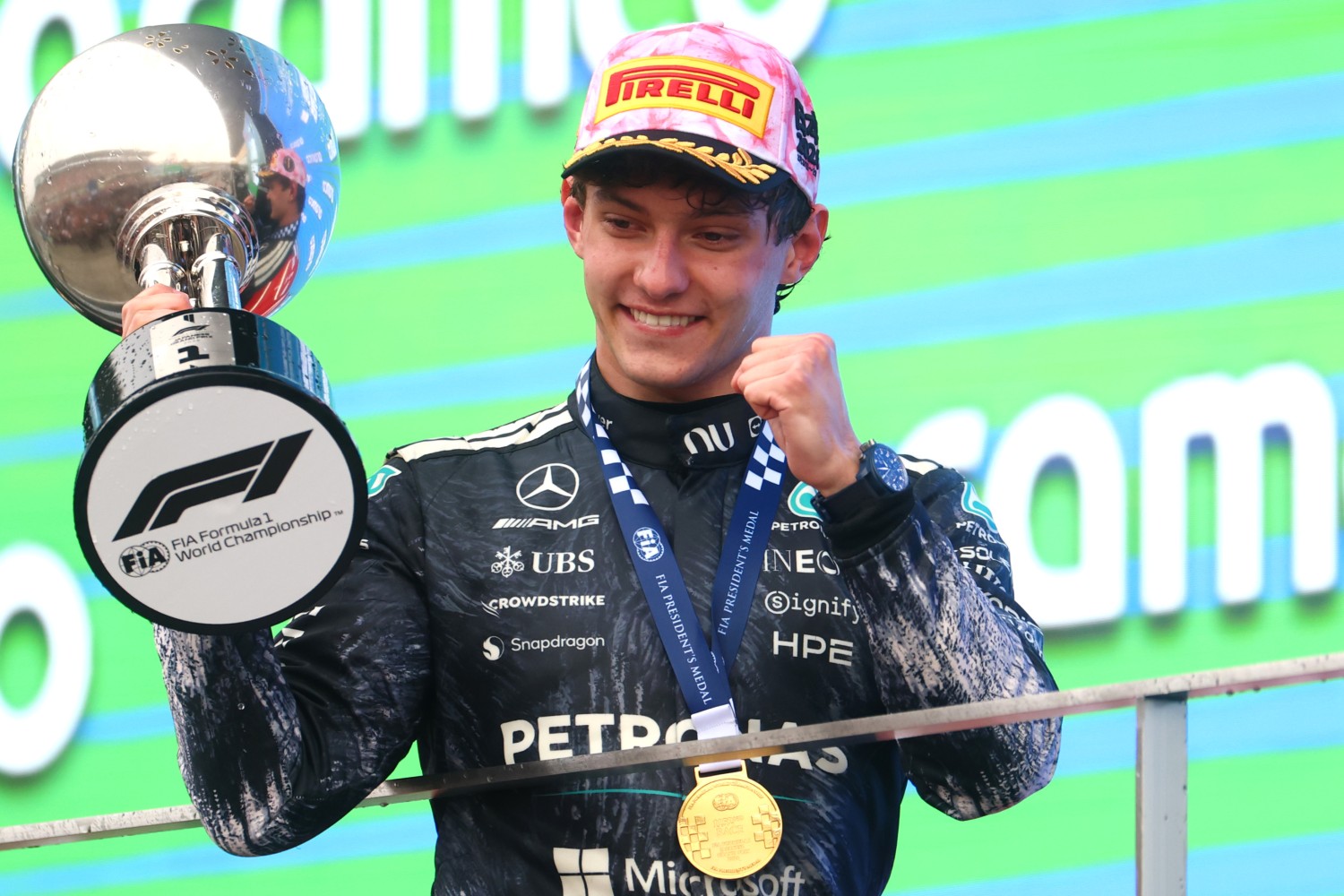
For Mercedes, this victory is more than just points on the board. It represents validation.
After several seasons of trying to return to the front, the team needed a moment that confirmed their progress. Antonelli’s win serves that purpose. It demonstrates that their car is competitive, their strategy is effective, and their driver lineup is capable of delivering results.
Perhaps more importantly, it gives the team confidence.
Confidence in Formula 1 is not an abstract concept. It influences decision-making, risk-taking, and long-term planning. A team that believes it can win will approach races differently from a team that is still searching for answers.
Mercedes now have that belief again.
A shift in team dynamics
Antonelli’s victory also raises interesting questions about the internal dynamics of Mercedes. When a young driver wins early in their career, it can change the balance within the team.
Experienced drivers are no longer the undisputed leaders. Instead, the team begins to operate around performance rather than hierarchy.
This is not necessarily a negative development. In many cases, it leads to stronger overall performance, as both drivers push each other to higher levels. However, it does introduce a new level of complexity.
Managing that dynamic will be one of Mercedes’ key challenges moving forward.
The broader impact on the grid
Antonelli’s win is not just significant for Mercedes — it affects the entire grid. When a new driver wins, it changes how other teams approach competition.
Rivals begin to reassess their strategies. They analyze what worked, what didn’t, and how they can respond. This process often leads to a period of adjustment, where teams experiment with new approaches and setups.
During this phase, unpredictability increases. Fans and analysts follow these shifts closely, often engaging with different forms of race analysis and probability tracking, including platforms like Dancing drums slot machine, where uncertainty and outcomes are part of the experience in a similar way to motorsport competition.
A new competitive landscape
One of the most important consequences of Antonelli’s win is how it reshapes expectations for the rest of the season. Formula 1 is often defined by momentum. When a team finds performance, it can carry that advantage across multiple races.
Mercedes now have that momentum.
At the same time, other teams are forced to react. Red Bull, Ferrari, and others must analyze whether this result is an isolated success or the beginning of a larger trend.
| Factor | Before Antonelli’s Win | After Antonelli’s Win |
| Mercedes status | Improving | Contender |
| Driver role | Developing rookie | Race winner |
| Team confidence | Cautious | Growing |
| Grid perception | Balanced | Shifting toward Mercedes |
This shift may not immediately decide the championship, but it changes the narrative — and in Formula 1, narrative often shapes strategy.
Looking ahead
Antonelli’s first win is not just a milestone — it is a reference point. It provides a glimpse into what Mercedes can achieve and what Antonelli might become.
At the same time, it introduces new questions. Can he maintain this level of performance? Can Mercedes build on this momentum? And how will the rest of the grid respond?
These questions will define the next phase of the season. But one thing is already clear: this was not just another race.