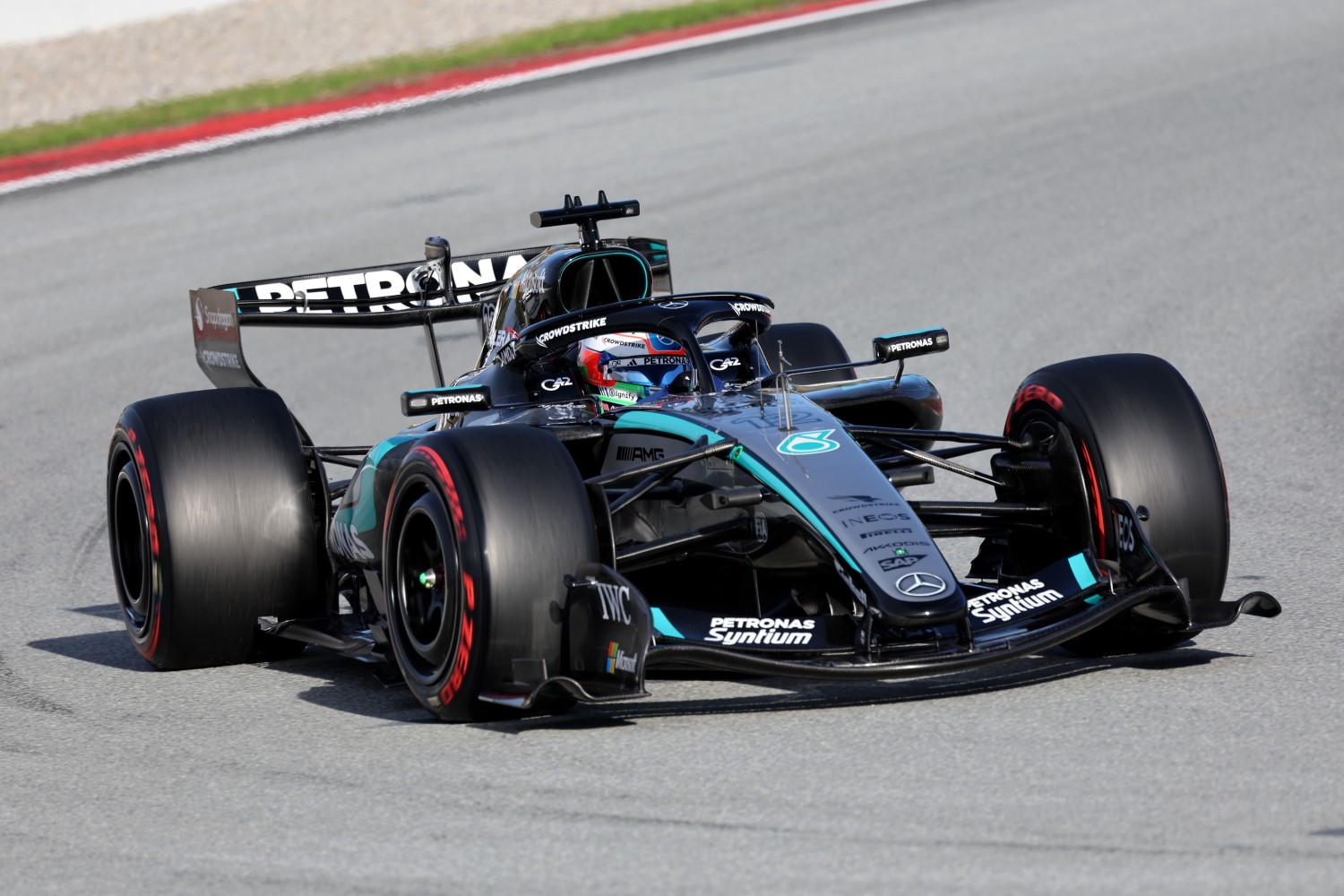
Formula 1 News: Mercedes Is Back in the Conversation. What Is Driving Their Strong Start to the Season?
For a team that spent a long stretch trying to rediscover its rhythm, Mercedes Formula 1 suddenly looks much more comfortable in the spotlight again. That does not mean everything is perfect, and it certainly does not mean the job is finished, but the early signs are enough to make people pay attention.
In Formula 1, momentum matters almost as much as outright speed, and when a team begins a season with confidence, sharper race pace, and fewer visible mistakes, the rest of the grid notices very quickly.
That is one reason the conversation around Mercedes has become so active again, not just among fans but across the wider motorsport world. The same energy that makes people follow a tense grand prix weekend often carries over into other forms of sporting interest too, including (Turkish: kumar siteleri ), where fast-moving action and big storylines naturally attract attention.
In Mercedes’ case, the storyline is simple enough on the surface: after a period of frustration, they finally appear to have a package that lets them race with more freedom and less panic, and that changes everything about how the season feels from the outside.
What makes this start especially interesting is that it does not seem to be built on one single miracle. Mercedes does not look like a team that suddenly found a magic switch. Instead, the signs point to a more balanced improvement, the kind that comes from many small gains stacking on top of each other. The car looks calmer in some corners, the tire behavior appears more manageable over longer runs, and the team seems to be making cleaner decisions when the race gets messy. In Formula 1, that kind of progress is often more valuable than a flashy one-weekend spike, because it gives a team something it can repeat and develop.
Why this kind of improvement matters so much
The most encouraging part for Mercedes is that their current form does not seem to be limited to one track type. In the past, they often had weekends where the car looked strong only in very specific conditions, which made it hard to trust the package from one round to the next. This time, the feeling is different. Even when the circuit layout changes, the team still appears capable of putting together a competitive session. That matters because a season is never decided by one race. It is decided by whether a team can keep showing up with something useful, even when the environment changes.
There is also a psychological side to all of this. When a team spends months or even years chasing the right direction, confidence can become fragile. Drivers start questioning whether they can attack in the way they want. Engineers become more cautious about setup changes. Strategy teams begin overthinking situations that should be straightforward.
A stronger start to the season can lift all of that at once. It gives the drivers permission to push a bit more naturally and allows the whole operation to work with less hesitation. Mercedes seems to benefit from that kind of lift right now, and in F1 that is a huge deal.
Where Mercedes is gaining ground
| Area | What a strong start suggests | Why it matters |
| Car balance | The car is easier to drive across different conditions | Drivers can attack earlier and maintain consistency |
| Race pace | Long-run performance looks more stable | Better results over full race distance |
| Strategy | Fewer risky or desperate decisions | Cleaner race execution |
| Confidence | The team trusts its direction | Stronger overall performance under pressure |
| Development | A solid base for future upgrades | Easier to build momentum during the season |
One of the clearest signs that a team is improving is how it behaves when things do not go exactly to plan. Fast cars are impressive, but resilient teams are dangerous. Mercedes’ early-season form suggests that even when a qualifying session is not ideal or a race begins with complications, the team still has enough structure to recover. That is often the difference between a team that flirts with success and one that becomes a real title threat. The best teams do not need everything to go perfectly. They just need enough flexibility to stay in the fight.
The value of a clear identity
Another reason this storyline has gained traction is that Mercedes now feels easier to understand. For a while, the team looked trapped between two identities: one part of the garage wanted to keep chasing the old approach, while another part clearly wanted a cleaner reset. That tension made the project feel uncertain. When a team begins to look more settled, the racing usually improves.
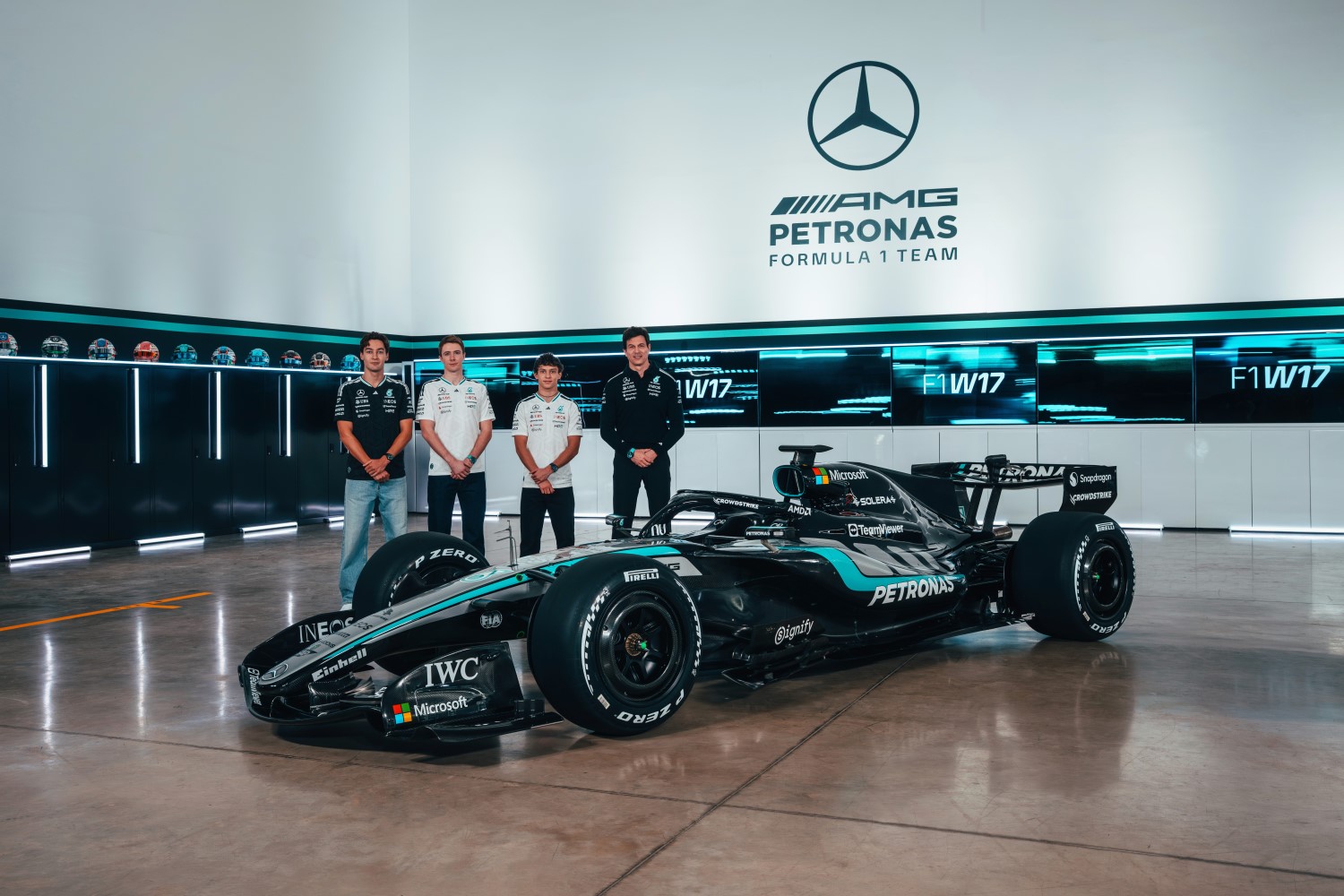
Drivers know what the machine wants. Engineers know what direction to develop. The pit wall can build a race plan around clearer assumptions. That kind of internal clarity may not sound dramatic, but it is often what separates a mid-season struggle from a genuine resurgence.
The drivers also matter here, because a strong start only becomes meaningful if the people in the cockpit can turn it into points. Mercedes needs confidence, but it also needs calm execution. In modern F1, one small mistake can erase an otherwise excellent weekend, so the team has to keep converting promising pace into useful results. That is where the real test begins.
A fast car on Friday means very little if the final race result is lost through poor tire timing, a messy pit stop, or a strategy call that misses the window. Mercedes seems to know this, which is why their current tone feels more measured than celebratory.
That measured tone is part of what makes the team’s current position feel credible. Mercedes is not acting like a team that thinks the work is over. It looks more like a team that understands exactly how much effort it took to get here, and how easy it would be to lose the edge again. That attitude usually helps in Formula 1, because it keeps the focus on execution instead of hype.
What could still change the picture
There is still a long road ahead, and that is exactly why this story is so compelling. Early-season strength can fade quickly if upgrades do not land properly or if rivals respond faster than expected. Ferrari, Red Bull, and other front-running teams do not stay quiet for long. They study patterns, adapt quickly, and bring pressure to every race weekend. Mercedes therefore cannot treat a good start as proof that everything is fixed. It is more like evidence that they have found something worth building on.
What fans tend to notice first is the visible side of performance: the lap times, the battles on Sunday, the expression on the drivers’ faces after qualifying. But the deeper story is often about organizational trust. A team that believes in its direction drives differently, commits to setup choices with more confidence, and approaches upgrades with a clearer purpose.
A good season is rarely built on one grand moment. It is built on repeatable habits, the kind that allow a team to survive tough tracks, unpredictable weather, and rival pressure without losing its shape. Mercedes appears to be rebuilding those habits step by step. The car may not be unbeatable, but the early tone suggests something much more important — the team finally looks like it understands itself again, and in Formula 1 that is often where real progress begins.