F1’s 2026 Engine Nightmare: Six Desperate Hoops to Fix the Most Ridiculous Regulations Ever Devised
Formula 1 promised the 2026 regulations would be a bold leap into the future—more sustainable, more manufacturer-friendly, and a fresh start that would pack the grid with new power-unit builders. The reality? A half-baked electric-heavy formula that has stripped the sport of its soul, turned drivers into battery accountants, and created safety nightmares so severe that the FIA and teams are already rushing through emergency fixes just weeks into the season.
–by Mark Cipolloni–
The goal was simple on paper: lure more car makers into F1 with a 50/50-ish split between a downsized internal combustion engine and a massively uprated electric motor (MGU-K now pumping out 350kW versus the ICE’s 400kW). It worked… sort of. Audi arrived with Sauber, Cadillac joined as the 11th team (running Ferrari units until it builds its own in 2029), and Honda returned via Aston Martin. But Renault bailed entirely on its engine program after 2025, turning Alpine into a customer team. Porsche flirted heavily, saw the mess coming, and walked away—no entry, no deal, focus shifted elsewhere. Net result: two in, one out, one no-show. Hardly the manufacturer stampede they dreamed of.
And what did F1 get in return? The purest definition of what it means to be the best drivers in the world—raw skill, instinct, and bravery—has been gutted. The car now does things the driver has zero control over. Overtakes happen not because one driver outbraked or outdrove the other, but because someone ran out of battery. Qualifying is a pathetic game of lift-and-coast, super-clipping, and praying the algorithm doesn’t screw you. Straights end with 50-56km/h speed plunges that look ridiculous on onboard footage. Safety? Ollie Bearman’s high-speed crash in Japan was a direct result of one car in full-boost mode and another energy-saving—closing speeds that no driver can predict.
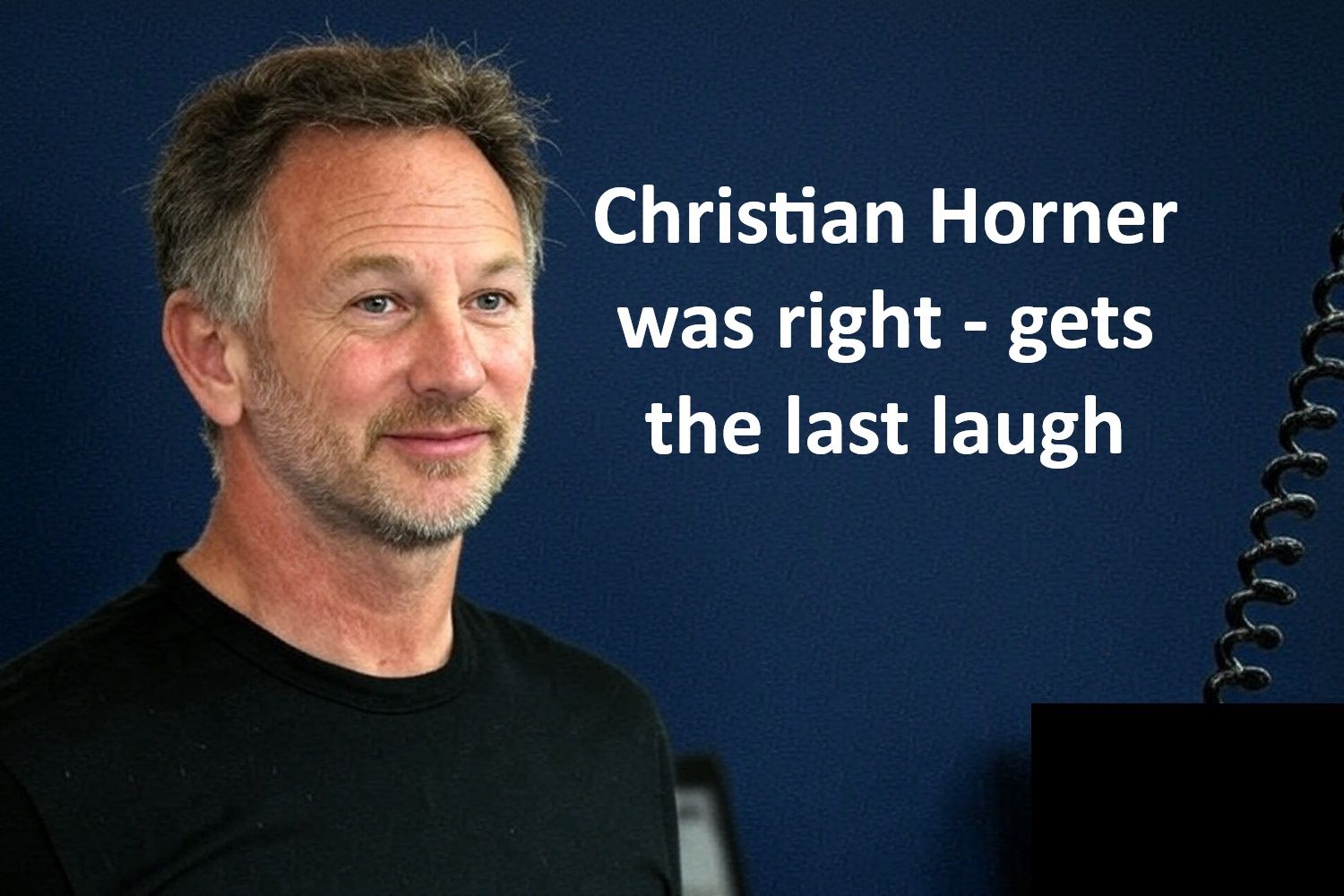
Christian Horner warned them. The Red Bull boss (before his role change) called the concept a potential “technical Frankenstein” and repeatedly pushed for the ICE to remain the bigger factor. They didn’t listen. Now, after just the first three races of 2026, the paddock is in full panic mode. A crunch meeting of technical chiefs, manufacturers, FIA, and F1 bosses is set for April 9 to ram through six emergency fixes before Miami. These aren’t elegant solutions. They’re ridiculous, band-aid hoops that expose just how flawed the original regulations were from day one.
Related Article: Formula 1 News: F1 considering Band-Aid solutions for its 2026 cars
Here’s the absurd laundry list they’re now considering:
1. Crank up “super clipping” to full power (350kW)
Right now, harvesting energy on full throttle is artificially limited to 250kW, forcing drivers into the hated lift-and-coast. Solution? Let them harvest at full 350kW. Brilliant—except it’s admitting the rules were written so poorly that drivers have to game the system just to keep the battery alive.
2. Make the cars deliberately slower
Yes, you read that right. Cut available energy, ramp down the MGU-K more aggressively, or lower the speed at which power fades. The idea is to stretch the battery life so qualifying stops being a conservation exercise. In other words, to restore “flat-out” laps, they have to hobble the cars. Peak F1 logic.
3. Slash the energy recovery limit even further
Qualifying already dropped from 9MJ to 8MJ at some tracks. Now they’re talking 7MJ or even 6MJ. This would add whole seconds to lap times but (supposedly) make the limits easier to hit without constant management. Translation: slow the show down to make the flawed battery math work.
4. Rip up the active aero rules
Let teams use straight-line low-drag mode anywhere they want, not just in FIA-defined zones. Drivers could pop the wings for zero downforce on straights and slam them back for corners. It’s a clever hack to reduce power demand and flatten speed curves—but it’s also a complete rewrite of the aero philosophy they sold as “simpler and safer.”
5. Finally give the ICE more power… maybe in 2027
The one fix everyone (including Horner) actually wanted: shift the balance back toward the combustion engine with higher fuel flow or more ICE output. It would instantly cure the battery headaches. But engine designs are locked in. Immediate change is impossible. So they’ll talk about it for next year while the 2026 season limps on. Classic F1—too late, too little.
6. Just simplify the damn rules
Kill the confusing thresholds and algorithms that leave drivers like Charles Leclerc screaming “a bit silly” when the car decides on its own to limit power because you breathed on the pedal wrong. Restore actual driver control instead of letting the computer play God.
These six patches are being sold as quick wins for safety, spectacle, and overtaking. In truth, they’re desperate damage control for regulations that never should have seen the light of day. The 2026 formula was supposed to be the future. Instead, it has turned F1 into a video game where battery percentage dictates the result and the driver is a passenger half the time.
The soul of the sport—the one thing that made it the pinnacle of motorsport—has been killed in pursuit of manufacturer marketing points. Drivers aren’t the best in the world anymore because they drove the fastest; they’re the best at managing a battery and hoping the other guy’s runs out first.
F1 spent years convincing itself this was progress. Now it’s spending the 2026 season in full retreat, twisting itself into knots to undo the damage. The question no one wants to ask out loud: was it worth it? Two new manufacturers at the cost of Renault, Porsche, driver skill, safety, and the very essence of what Formula 1 once was?
The answer is already screaming from the data, the crashes, and the frustrated drivers. No. It wasn’t.