Verstappen Is on Pace to Obliterate Hamilton’s Records — and the British Media Can Barely Hide Its Panic
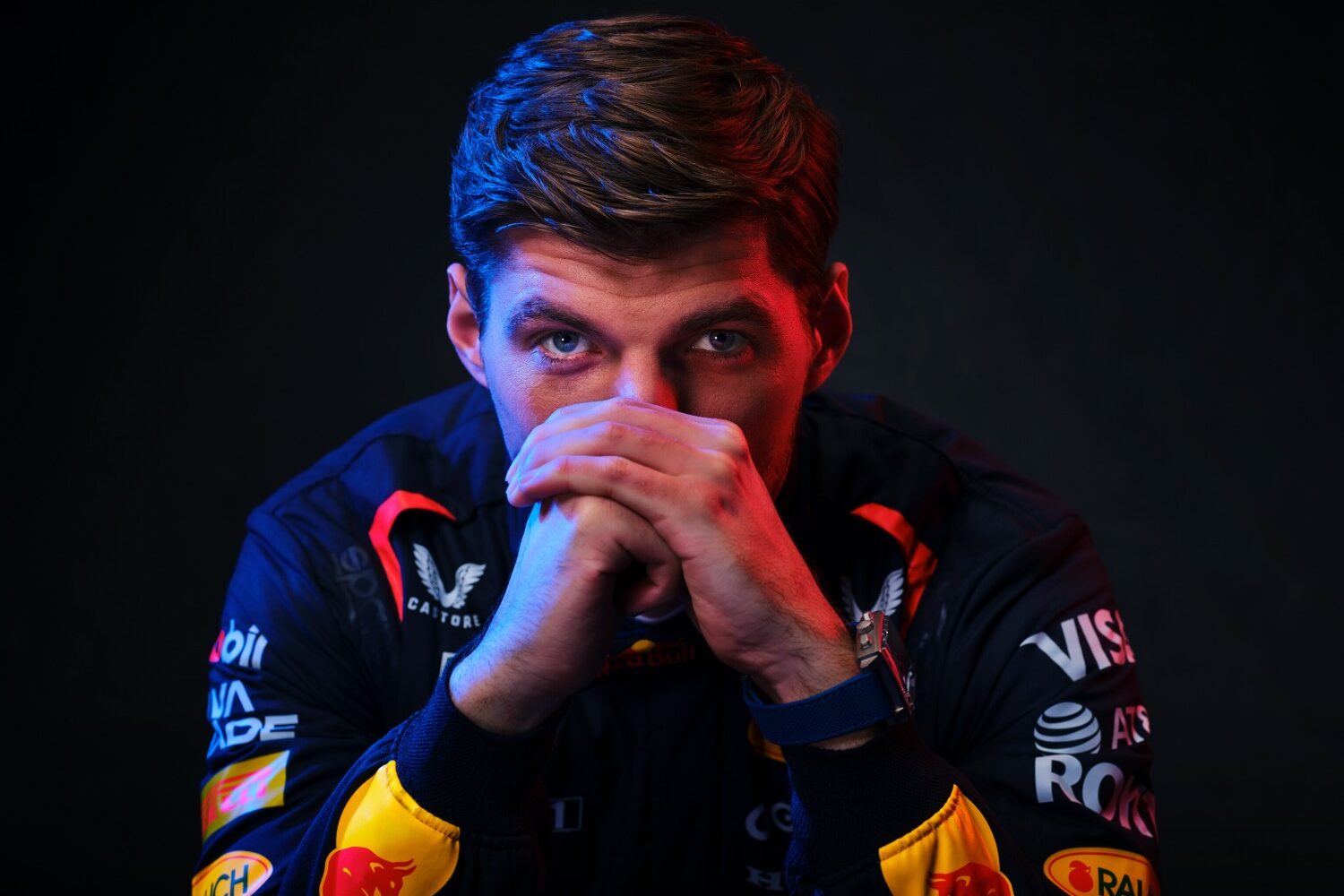
Max Verstappen (pictured) turns 29 in September 2026. At 28, he has already racked up numbers that make Lewis Hamilton’s achievements at the same age look modest by comparison. The Dutchman has started 236 Grands Prix, won 71 races, taken 48 poles, stood on 127 podiums, and collected 4 world titles.
–by Mark Cipolloni–
By contrast, when Hamilton reached the end of the 2013 season—the year he turned 28 — he had contested just 129 races, scored 22 wins, and held only 1 world title. Verstappen has done in 107 fewer starts what took Hamilton years longer to achieve, and he is still in his prime. With 71 wins already, he sits just 34 short of Hamilton’s all-time record of 105. At his current trajectory, even with the disruptive 2026 regulations, the records for most wins, most poles, and most titles are well within reach before he turns 35.
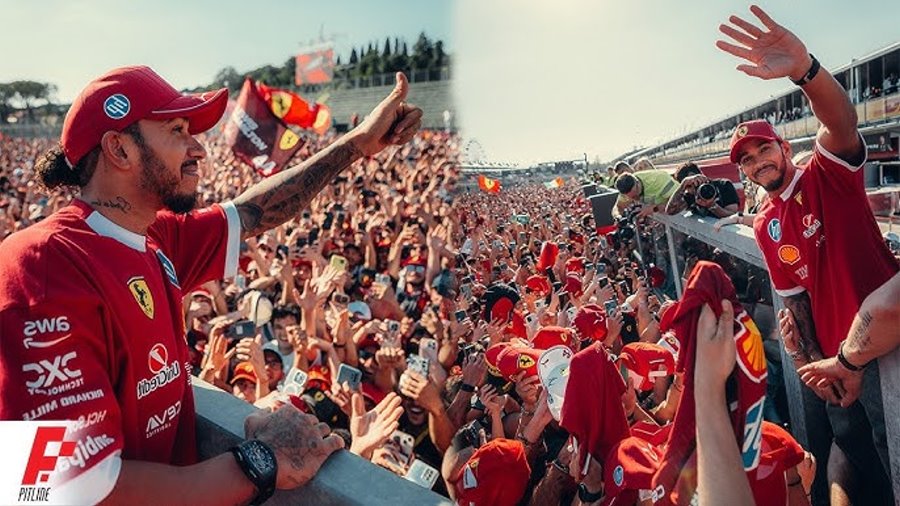
That prospect is driving sections of the British media and fandom to distraction. Hamilton is their national hero—the only British driver with seven world titles and the face of Mercedes’ dominance era. Watching a Dutchman dismantle those numbers in real time has produced a steady undercurrent of discomfort, and Verstappen’s own comments about possibly walking away after 2026 have been met with something that looks suspiciously like quiet relief in some quarters.
F1 Career Stats at Age 28
| Stat | Lewis Hamilton (end of 2013 season) | Max Verstappen (as of April 2026) |
| Age | 28 | 28 |
| Races Started | 129 | 236 |
| Wins | 22 | 71 |
| Pole Positions | 26 | 48 |
| Podiums | 58 | 127 |
| World Titles | 1 | 4 |
| Total Points | 1,089 | 3,456.5 |
Key takeaway from the numbers:
At the same age, Verstappen has already started 107 more races, won 49 more times, taken 22 more poles, stood on the podium 69 more times, and won three extra world titles than Hamilton had. He is on an entirely different trajectory.
The “British Bias” Verstappen Keeps Calling Out
Verstappen has not been shy about it. He has publicly accused the British press of institutional bias, banned The Guardian’s Giles Richards from a pre-race press conference in Japan, and labelled their coverage “very childish.” He sees a pattern: every time he dominates or complains about the new cars, UK pundits are quick to question his future, his attitude, or whether he still “loves” the sport.
Recent examples are telling. Former F1 driver and Sky Sports regular Johnny Herbert was already casting doubt on Verstappen’s ability to dominate the 2026 regulations before a single competitive lap had been turned. Damon Hill, another British champion, suggested Verstappen should simply retire if he’s not happy. Martin Brundle told him to “put up or shut up” over his repeated retirement hints. These are not neutral observations — they come from voices who have spent years celebrating Hamilton’s every milestone.
Retirement Talk: Verstappen’s Frustration or Convenient Timing?
Verstappen’s unhappiness is genuine. He has described the 2026 cars as “anti-racing,” “Formula E on steroids,” and energy-management exercises that remove driver skill. After finishing eighth in Japan he openly asked whether it was still “worth it” and whether he’d rather be home with family. Insiders say the threat to leave at the end of 2026 is not a bluff.
Related Article: Formula 1 News: Why Verstappen Is Dead Serious About Walking Away After 2026?
But the British coverage has a habit of framing his discontent as petulance rather than principled frustration with the sport’s direction. When Verstappen talks about quitting, some UK outlets seem almost eager to discuss the “what next” scenarios—sim racing, GT3, family time — rather than asking why the regulations have made the four-time champion this disillusioned in the first place.
No one in the British media is running front-page campaigns demanding Verstappen retire tomorrow. That would be too obvious. Instead, the narrative is subtler: amplify his grumpiness, question his commitment, highlight every off-track comment, and treat his potential early exit as a natural consequence of “not enjoying himself” rather than a loss for the sport. The subtext is clear—if Max walks away before he can chase down Hamilton’s win tally or pole record, those numbers stay British property a little longer.
Hamilton himself has been gracious, saying Verstappen “could absolutely” break his records. The man whose legacy is under threat is more magnanimous than some of the commentators defending it.
The Bottom Line
At 28, Verstappen has already achieved more in fewer races than Hamilton had at the same age — by a very wide margin. He is on track to own the record books unless the new regulations or his own disillusionment stop him first. Whether the British media is actively “pushing” him toward the exit is debatable, but the tone of the coverage and the speed with which some pundits seize on his retirement comments suggest a certain comfort with the idea that the Dutchman might step aside before the final records fall.
Max has always said he races only because he loves it. If the joy is gone and he leaves, the history books will still show he was the faster, more prolific driver of his generation. The only question left is whether parts of the British establishment are secretly hoping that chapter ends sooner rather than later.