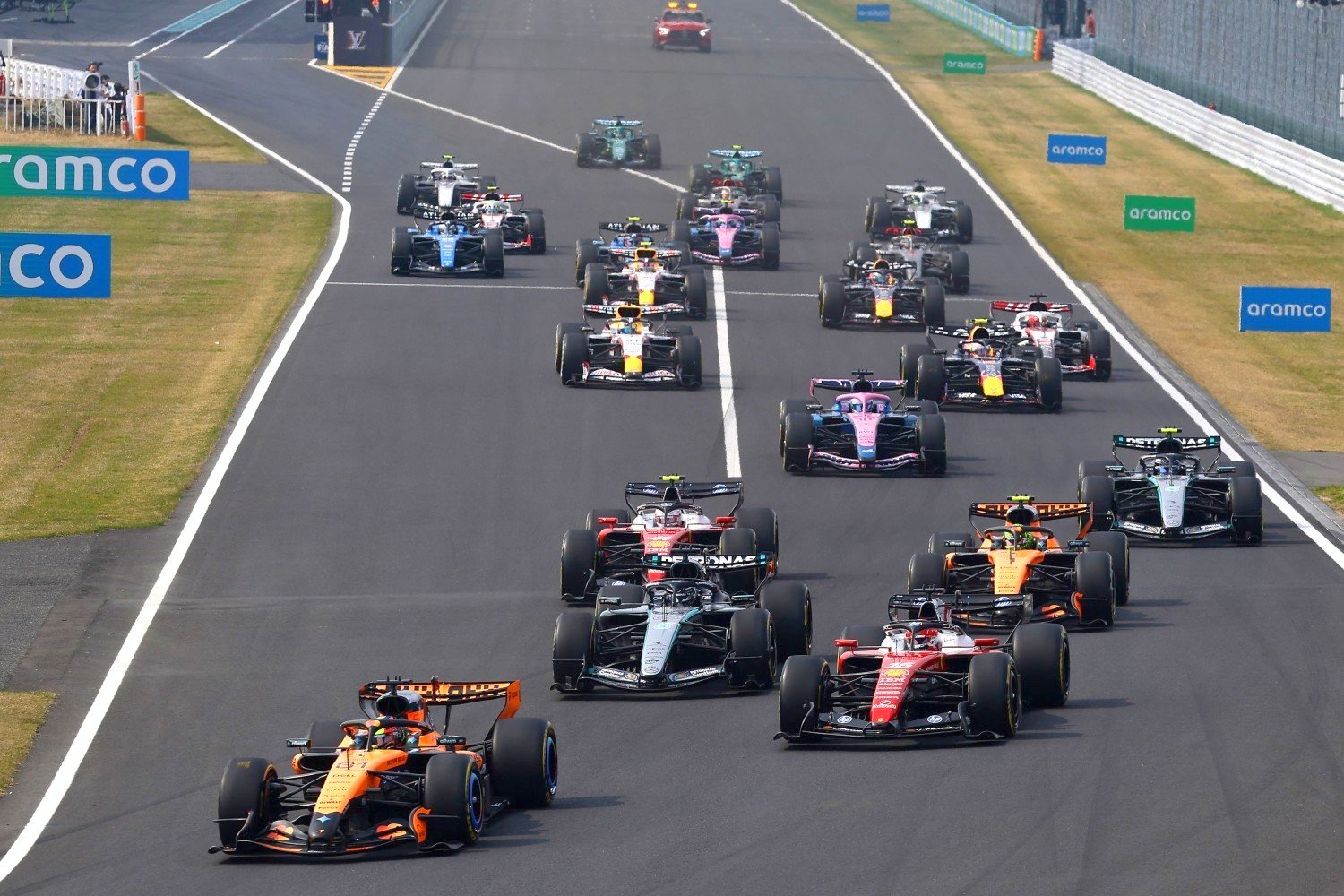
Formula 1 News: Second key meeting set as 2026 Frankenstein Car regulations intensifies
(GMM) Formula 1’s escalating 2026 regulations that have created Frankenstein cars is heading toward a decisive vote on April 20, as pressure mounts from drivers and safety concerns begin to outweigh resistance from leading teams.
An initial online meeting involving FIA officials, teams and power unit manufacturers is taking place on Thursday (April 9), but it is understood to be only preparatory.
The real decisions are expected later this month.
Related Article: Formula 1 News: Pressure builds ahead of meeting as F1 eyes Band-Aid fixes for its Frankenstein Cars
At the center of the debate are energy management systems and power delivery – widely criticized for both sporting and safety reasons after Oliver Bearman’s high-speed crash in Suzuka.
GPDA chairman Alex Wurz said the situation now requires intervention.
“From a safety standpoint, we simply must prohibit sudden surges in power output at top speed,” he said.
“This will require software that is uniform across all teams. The danger arises when speed doesn’t increase smoothly, but changes abruptly.
“This is where you need to step in and say ‘this shouldn’t happen – it needs to be controlled by software’.”
Behind the scenes, driver frustration has been mounting rapidly.
Related Article: The Frankenstein Cars of 2026: How F1’s New Regulations Have Stripped Away the Pure Art of Racing
Wurz revealed the drivers’ WhatsApp group chat has been “lit up” with discussion about the controversial regulations, with virtually unanimous dissatisfaction.
However, significant resistance remains, particularly from front-running teams.
Ferrari boss Frederic Vasseur made it clear his team will not give ground easily.
“I understand perfectly well that we need to make adjustments to the regulations. This will benefit everyone, including the show,” he said.
“But at the same time, when we make even small adjustments, they play into some people’s hands and backfire on others. All cars have different characteristics, so any change in the regulations, even the most minor, can give someone a gain of a few hundredths or thousandths of a second.
“On the track, we fight for every thousandth. Under these circumstances, we’re not going to sacrifice anything.”
The discussions are expected to focus on simplifying energy deployment rules, potentially increasing allowable recovery power, and reducing the need for extreme lift-and-coast strategies.
Any changes will still require final approval from the FIA’s World Motor Sport Council, although that step is typically a formality if agreement is reached.