Racing Risks vs. Road Reality: Understanding Driver Responsibility After a Crash
Racing drivers accept risk as part of the job. At 200 mph, the margin for error is thin, and when something goes wrong, a trained safety crew is already in motion. Marshals wave flags. Medical teams respond within seconds. Officials pull telemetry and video. The whole thing runs on a rulebook built for high-speed consequences.
Public roads don’t offer that kind of built-in safety net. There are no corner workers watching every move, no stewards reviewing incidents, and no universal rulebook drivers sign before pulling out of the driveway. When two vehicles tangle at an intersection, or a rideshare driver gets clipped mid-trip, the aftermath leans on insurance coverage, state law, and whatever evidence people manage to collect while adrenaline is still doing laps. What feels like a routine commute can quickly turn into a legal and financial puzzle most drivers never expect to solve.
For racing fans, that contrast is worth sitting with. The discipline and structure that define motorsport safety don’t exist in the same form on city streets. Responsibility shifts from sanctioning bodies to private insurers, from race control to police reports. Once the helmet comes off, the consequences get quieter, messier, and sometimes more expensive.
Crash Protocols in Professional Motorsports
When a car hits the wall in IndyCar or backs into the barrier in Formula 1, the response is immediate and choreographed. Local yellow. Safety car. Medical team on standby. Every track on a major series calendar runs layered safety systems shaped by decades of hard lessons and ugly footage nobody wants to see again.
The driver climbs out and heads to the infield care center. Stewards review camera angles, team radio, and onboard data. If another competitor is involved, fault gets assessed under a sporting code the teams signed onto before the season ever started. Penalties might follow. Fines, grid drops, license points. It’s clinical, sometimes ruthless, and almost always documented.
What stands out is the structure. Racing operates inside a closed ecosystem. Teams carry specialized insurance. Drivers sign waivers. Sanctioning bodies define responsibility in advance. Even when tempers flare, there’s a framework for resolving the incident, and everyone knows where the lines are drawn.
That kind of organization shapes behavior. Racers learn quickly what gets you a warning, what gets you a penalty, and what gets you a reputation you can’t outrun. Evidence matters. So does accountability. Fans will argue for weeks, but the process itself is rarely a mystery.
Public Roads: Responsibility After a Crash
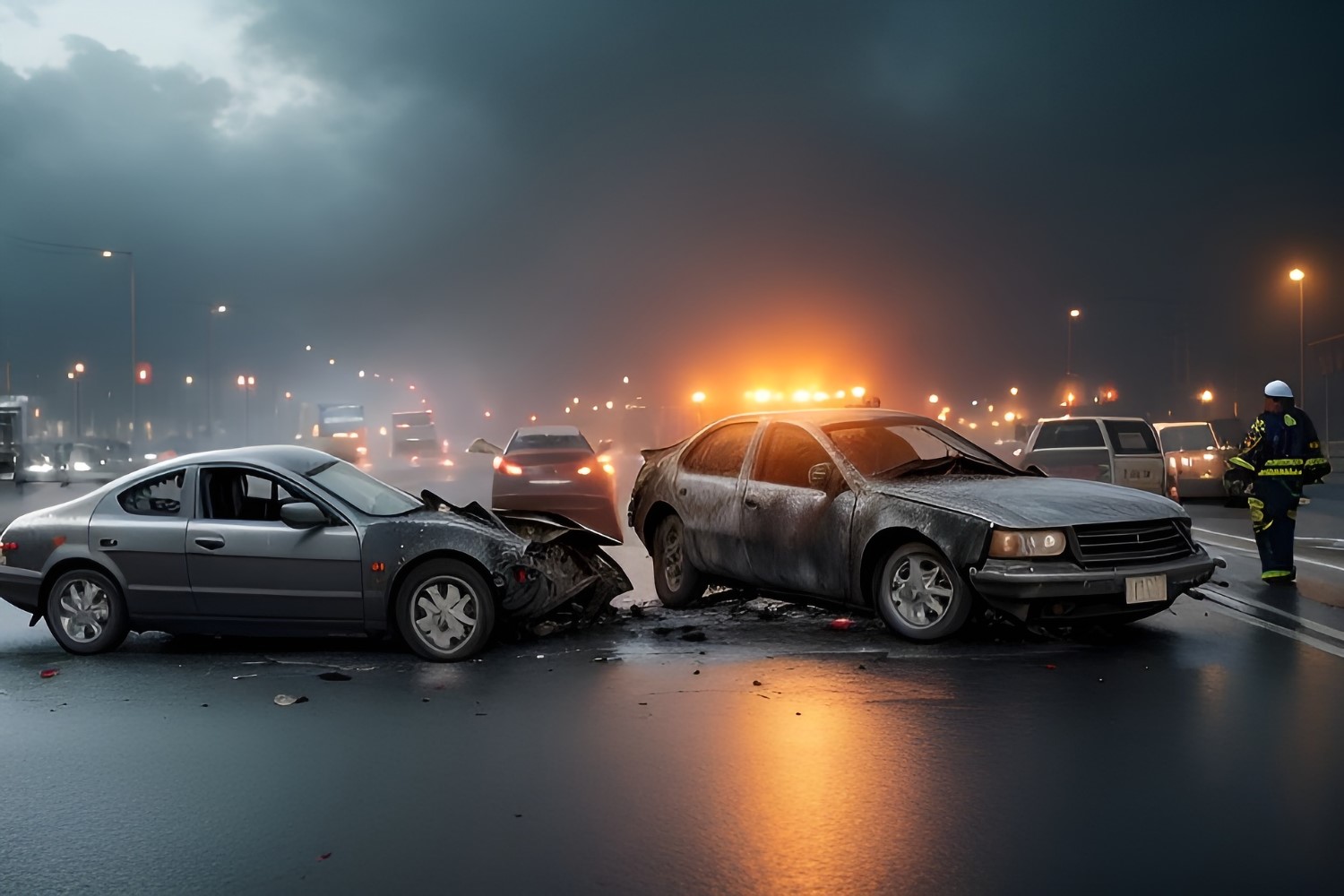
A collision on the street unfolds without the choreography of a race weekend. There’s no race director reviewing telemetry. Instead, it begins with hazard lights, a call to police, and the uneasy realization that every detail now matters.
Fault is determined through state traffic laws, insurance investigations, witness statements, and physical evidence. Some states divide responsibility between drivers under comparative negligence rules. Others place the burden more squarely on one party. The outcome affects repair bills, medical expenses, lost wages, and future premiums.
Rideshare incidents add another layer of complexity. Services like Lyft operate in a gray space between personal and commercial driving, and insurance coverage can shift depending on whether the driver was logged into the app, waiting for a fare, or actively transporting a passenger. That shifting coverage structure sits at the center of questions like what happens if a Lyft driver crashes, where responsibility may involve overlapping personal policies, company-backed coverage, and state-specific liability rules.
The basics still matter. Check for injuries. Move to a safe location if possible. Call law enforcement when required. Exchange accurate information and document the scene thoroughly. In the minutes after impact, the smartest move is to follow a checklist of what to do after a car accident so nothing critical gets missed while stress is high. Clear documentation and prompt reporting often decide whether a claim stays clean or turns into a long, frustrating argument.
Unlike racing, there is no unified sporting code agreed upon before the green flag. The governing framework is built from traffic statutes and insurance contracts, and most drivers only discover the fine print when something goes wrong. That gap is where expensive mistakes begin.
Key Differences Between Track Incidents and Street Accidents
On a race weekend, everyone signs up knowing the risks. Drivers accept the possibility of contact. Teams carry specialized coverage. Tracks are designed with runoff areas, energy-absorbing barriers, and crews positioned for rapid response. Even the cars are built to give up bodywork to protect the cockpit.
Street driving operates in a far looser environment. Vehicles share space with commuters, cyclists, pedestrians, delivery vans, and distracted motorists sneaking a look at a phone. Road design varies block by block. Weather changes the surface. Skill levels range from seasoned veterans to someone who got their license last month and still brakes like they’re trying to win a trophy.
Intent is another dividing line. In racing, aggressive moves are part of the contest. Stewards decide whether a pass crossed the line. On public roads, aggression can translate into citations, civil liability, or worse. The same closing speed that thrills fans on Sunday would be reckless on a weekday.
Evidence is another big separator. In racing, officials have video from every angle, timing data, onboard footage, and team radio to stitch the story together. On the street, you might get a blurry dashcam clip, one traffic camera that missed the moment, and two drivers who swear opposite versions of the same crash. That gap in proof changes everything, from who gets blamed to how long the argument lasts.
Racing is built around controlled danger. Public driving is built around shared responsibility. When that responsibility breaks down, the consequences stretch far beyond bent sheet metal.
What Drivers Can Learn From Racing Safety Culture
Motorsport’s greatest contribution to everyday driving may be its obsession with preparation. Racers study data, understand the rules, and respect the limits of their machinery. That mindset carries over cleanly to public roads.
Start with awareness. Professional drivers constantly scan mirrors, anticipate closing speeds, and leave room for error. On the highway, that habit buys time. It keeps small problems from turning into big ones. Discipline behind the wheel does more than quick reflexes ever could.
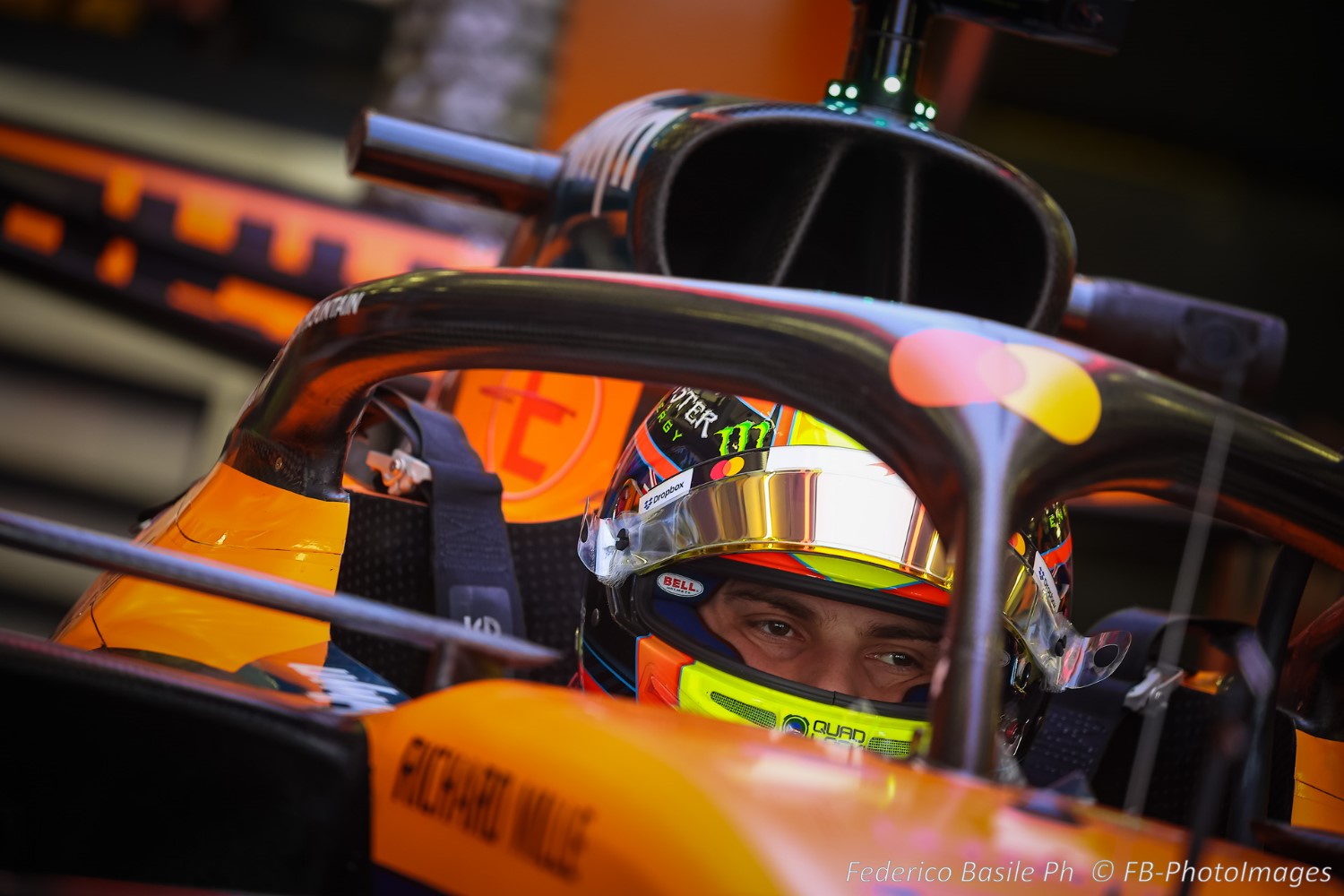
Documentation is another lesson. Teams gather every camera angle and data trace because outcomes depend on evidence. After a street crash, photos, witness details, and accurate notes serve the same purpose. Clear records protect drivers when insurers begin sorting through competing versions of events.
Vehicle safety also connects both worlds. Advances in barriers, chassis design, restraint systems, and impact research have steadily filtered into consumer vehicles. A closer look at crashes and safety in racing and everyday life shows how lessons learned at high speed shape the cars sitting in suburban driveways today.
Above all, racing culture reinforces accountability. Drivers answer for their decisions in front of officials and fans. On public roads, accountability may come from insurance carriers, law enforcement, or a courtroom. The setting changes. The responsibility stays with the person behind the wheel.
Bringing It Back to the Driver
Strip away the sponsorship logos and the grandstands, and both environments come down to judgment. A split-second decision can change the outcome of a race or a routine commute. The difference lies in how prepared the system is to respond.
Motorsport has spent decades refining crash response because the stakes are obvious and immediate. Public roads carry similar stakes, even if they feel less dramatic. Medical costs, liability disputes, and long insurance battles rarely make headlines, yet they shape lives just as decisively as a late-braking move into Turn 1.
For racing fans, the takeaway is straightforward. Respect the structure that protects drivers on track, and bring that same seriousness to everyday driving. Know your state’s rules. Understand how your insurance works. Keep your vehicle maintained. Stay alert.
Speed belongs on the circuit. Responsibility follows you home.
Related Article: Driver Responsibility After a crash