Formula E’s Gen4 Era and What It Could Mean for Canadian Motorsport Fans
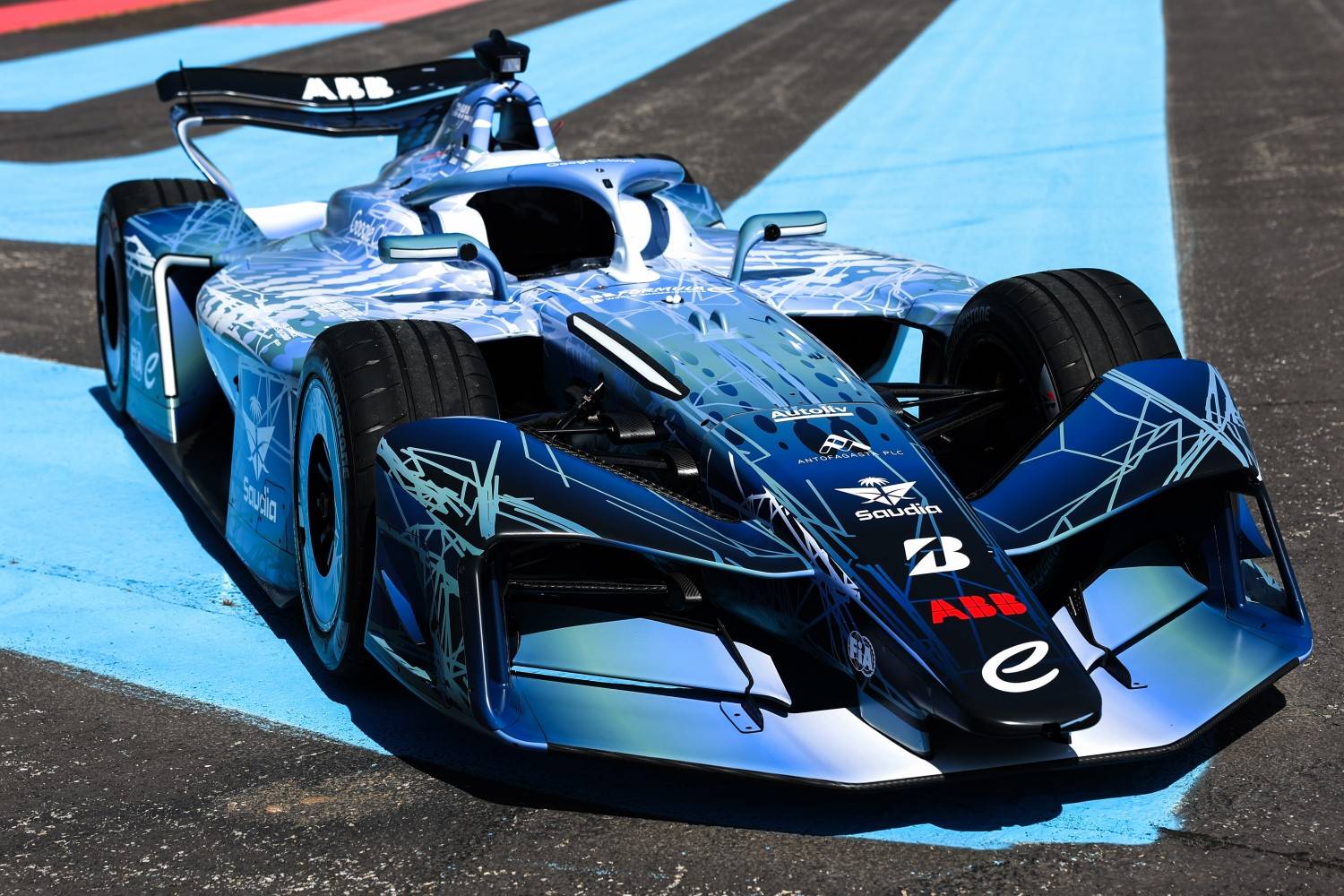
Formula E just made a real case for itself. The Gen4 car (pictured), shown publicly for the first time at Circuit Paul Ricard on April 21, 2026, produces 600 kW in Attack Mode, goes from zero to 200 km/h in 4.4 seconds, and carries permanent all-wheel drive through the entire race. Not just at starts. Not just during Attack Mode windows. All the time. That is a different car from what Formula E has been putting on track.
Canada is relevant right now because the championship is actively hunting new calendar slots, and Toronto is on the list. Formula E has been to Canada once before, in Montreal in 2017, and it didn’t last. What happens next depends on more than whether the car is quick enough. Canada’s motorsport audience has grown more connected over the past decade, with fans following race coverage across multiple digital platforms, including online Casino services with payment guides that draw the same data-conscious crowd.
What the Gen4 Car Actually Changes
Gen4 puts out 50% more power in race mode than the Gen3 Evo. In Attack Mode that number jumps to 71%. Top speed clears 335 km/h. On street circuits, the car is projected to lap at least five seconds faster than the outgoing generation.
The continuous AWD is the most consequential change for how the racing will look. In the Gen3 era, drivers had AWD at race starts, during qualifying, and during Attack Mode activations. Gen4 runs it throughout. That changes braking behaviour and traction at corner exit on the wall-lined layouts Formula E uses in city centres. It’s not a small adjustment.
Six manufacturers are signed for the Gen4 era: Porsche, Jaguar, Stellantis, Nissan, Lola Cars, and Mahindra. Bridgestone takes over from Hankook on tyres. Gen4 also gets proper full wet-weather rubber for the first time, something drivers asked for regularly under the previous all-weather compound.
Canada Has Been Here Before
Montreal hosted Formula E in July 2017 as the season finale, a double-header on a 2.75 km temporary circuit through the city’s eastern downtown. The races were fine. The problem was political. The incoming mayor, Valerie Plante, had campaigned explicitly on not renewing the deal. Formula E left after one edition, having had nothing go wrong on track.
Montreal spent roughly $4.5 million on road preparation for that single event. That figure matters because it tells you what commitment is actually involved before you add marshalling, logistics, and hospitality. Any city going into this without a multi-year agreement is probably burning money.
Toronto is a different situation. Exhibition Place ran open-wheel street racing from 1986 through 2025, making it IndyCar’s second-longest running street race behind Long Beach. The event moved to Markham in 2026 because of a scheduling conflict with the football World Cup, not because the format stopped working. The operational knowledge of how to close roads, build grandstands, and run race weekends in that part of the city doesn’t need to be invented from scratch.
What a Formula E Bid Actually Requires
Formula E is targeting 18 or 19 races on the 2026-27 calendar, up from the current season’s 17. A second North American venue alongside Miami is described by championship officials as realistic. They’re currently talking to six US cities. Canada is a separate track.
A host city needs to clear a few things:
- A street or temporary layout that meets FIA Grade requirements
- Enough straight-line room for higher Gen4 speeds
- A promoter covering circuit construction and event costs
- A multi-year commitment, because one-off editions rarely justify the preparation
- Municipal support for road closures across a Thursday-to-Monday window
Gen4 adds one consideration. The car is 5,540 mm long, compared to 5,016 mm for Gen3. Layouts that ran fine for the older machine need checking for barrier clearances and chicane widths. Not a dealbreaker, but it can’t be ignored.
What to Watch For
The 2026-27 calendar goes to the FIA World Motor Sport Council for approval later this year. The current Gen3 Evo season ends in London in August 2026, and the first Gen4 race follows shortly after. If Canada lands a slot, that’s when it would be confirmed.
Whether it happens comes down to a promoter and a city government getting to yes before that window shuts. Gen4 gives Formula E a stronger pitch than the series had in 2017. A faster car, more overtaking, a more credible speed story. But Montreal showed that the racing usually isn’t what ends these conversations.