How F1’s Previous Rule Revolutions Played Out as 2026 Promises Complete Overhaul
Charles Leclerc sat in Ferrari’s garage after day two of testing in Bahrain with the feeling that his team had absolutely nailed the new Formula 1 regulations. Max Verstappen’s Red Bull, meanwhile, sat silent after yet another MGU-K failure. Mercedes hit trouble too—hydraulic gremlins limiting George Russell to just 47 laps across the first two days, a stark contrast to the 500-plus that the Silver Arrows managed in Barcelona.
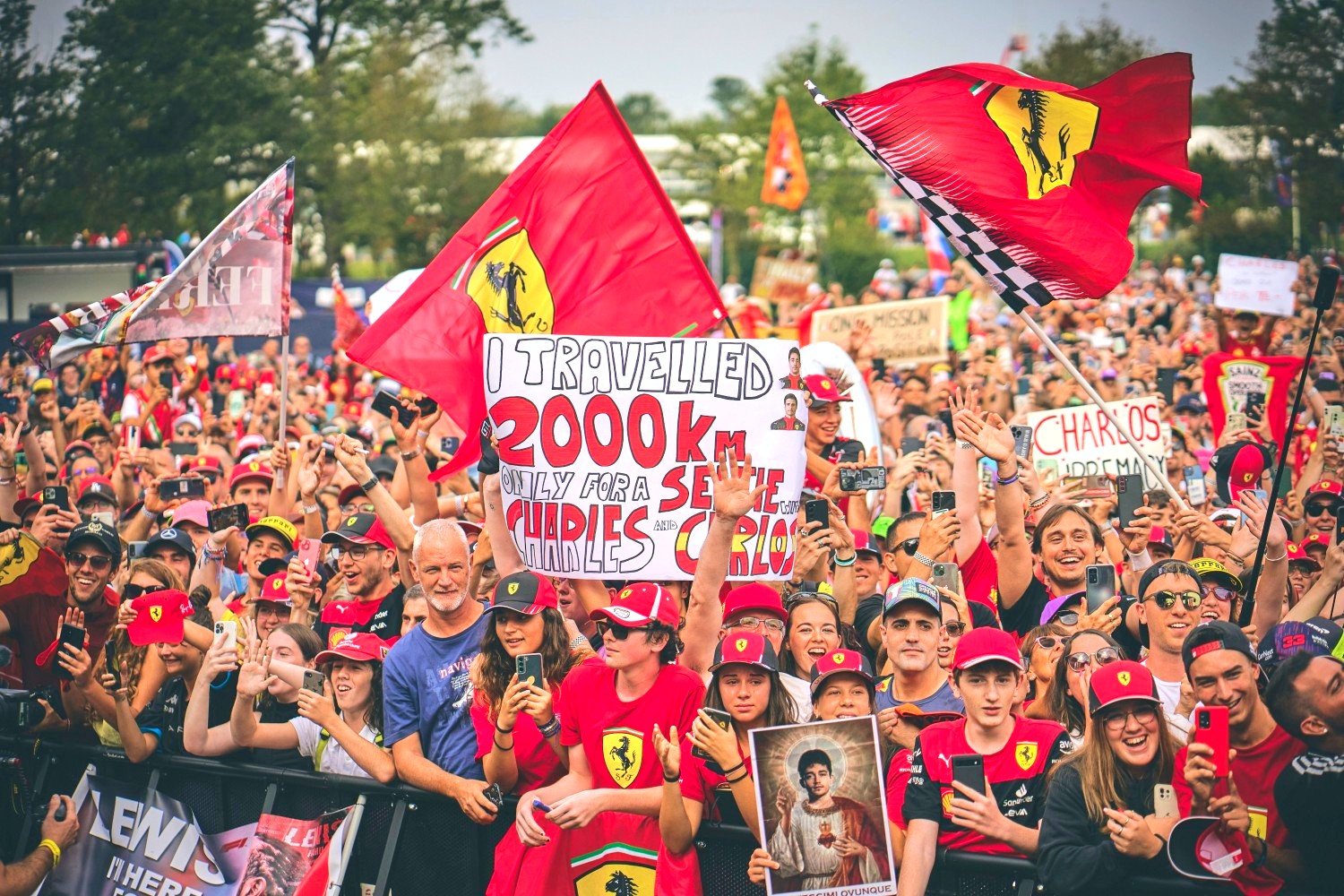
Ferrari Defies Lowly Expectations in Formula 1 Testing
Meanwhile, Ferrari and McLaren are extracting pace nobody expected, with Leclerc topping timing sheets, while Lando Norris slots second. And that comes after the Mongasque driver’s seven-time world champion teammate Lewis Hamilton surprisingly went fastest in Catalunya just a week prior. While it’s too early to profess that the Scuderia are back, online betting sites are certainly hedging their bets.
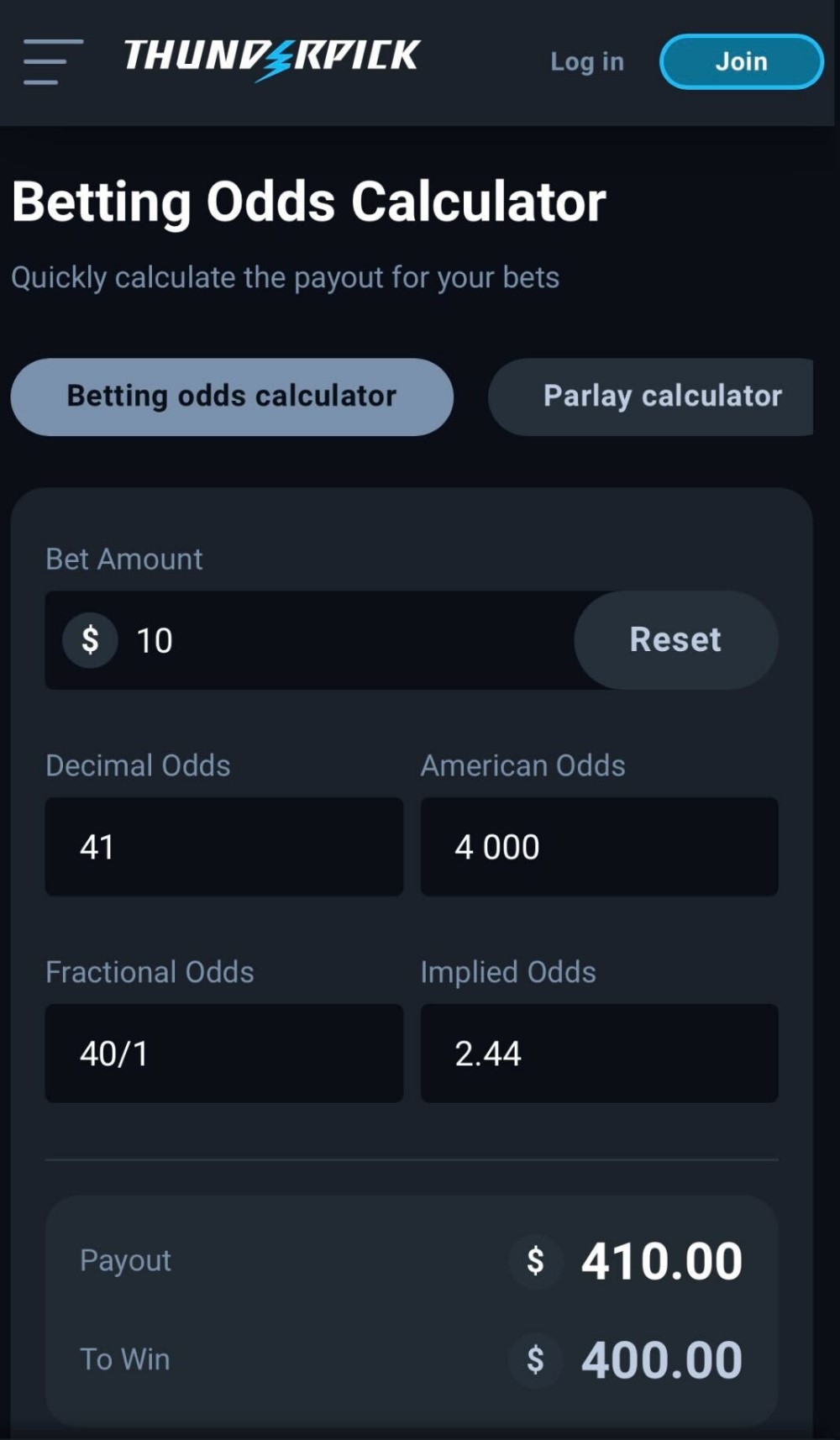
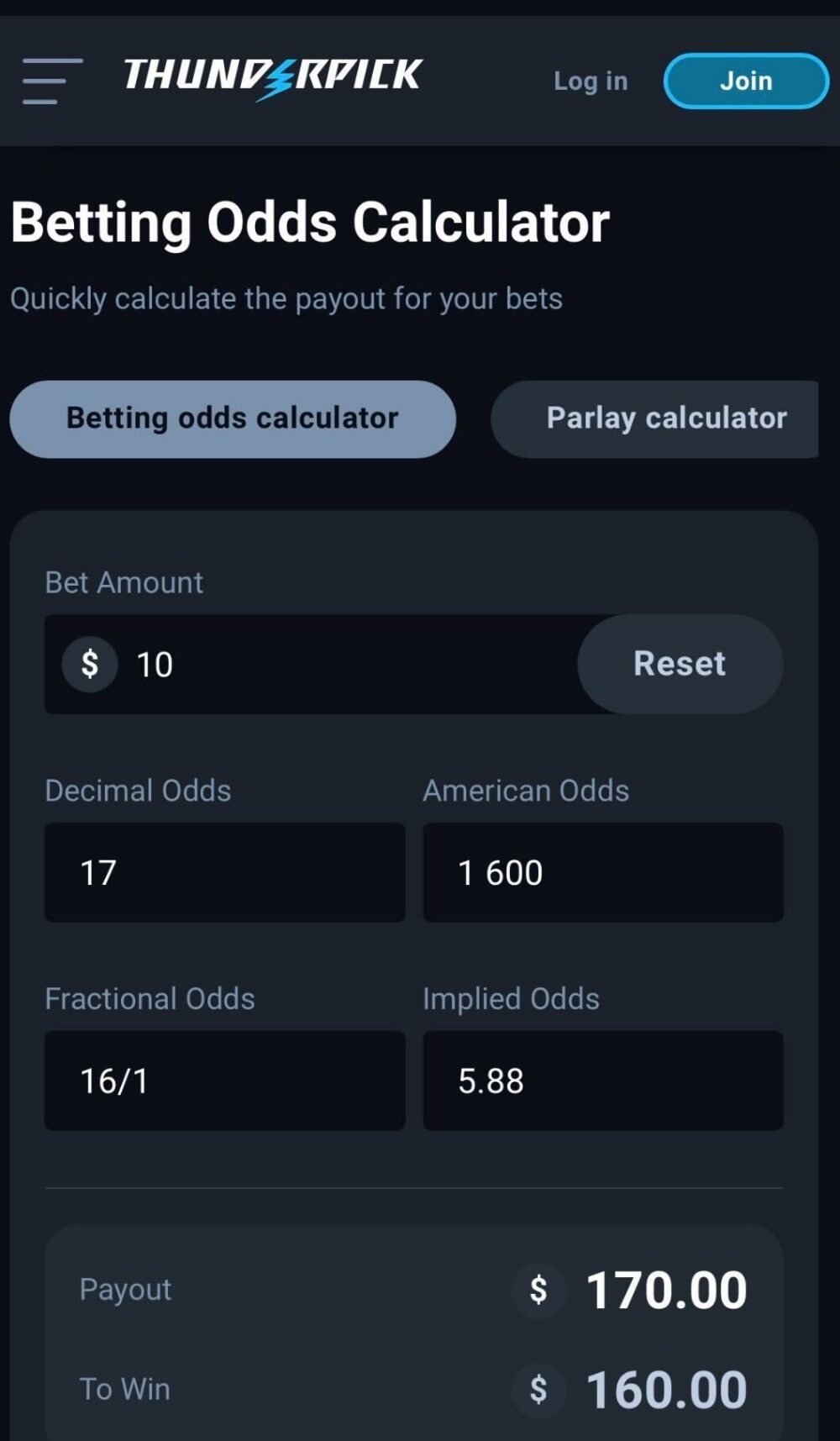
Just a few weeks ago, Hamilton was a mighty 40/1 outsider to secure a record-breaking eighth world title at the ripe old age of 41. Now, those odds have shrunk down to just 16/1, with a popular betting tool showcasing just how much the numbers have tightened.
 |
 |
| Visual examples captured from this trusted betting resource: https://thunderpick.io/betting-calculators/parlay-calculator | |
As you can see from the above screenshots, a £10 bet on Hamilton winning the title this term would have paid a whopping £400 before the back-to-back Barcelona and Bahrain tests commenced. Now, the payout would be just £160, and even that is shrinking all the time.
But testing form means nothing, right? Except we’ve watched this movie before. Three times in the modern era, F1’s thrown the rulebook out the window and watched billions in development budgets either mint champions or burn spectacularly. Each season is a masterclass in regulation roulette—where getting it right makes legends, and getting it wrong ends dynasties.
2009: Brawn’s Double-Diffuser Heist
Picture this: December 2008, Honda pulls out of Formula 1 three months before Melbourne, causing huge chaos and financial problems. Nobody’s thinking championship—they’re thinking survival. Then the BGP 001 hits the track in Barcelona testing, and something’s wrong. Or spectacularly right, depending on your perspective.
Brawn’s engineers found a loophole in the revised aero regulations—a double-diffuser interpretation so clever that Ferrari, Red Bull, and McLaren didn’t understand what they were looking at until Jenson Button had won six of the first seven races. Six from seven. An unemployed driver three months earlier, now sitting on a 26-point lead after Monaco, the championship looking wrapped before summer. But here’s where fairy tales get complicated.
Brawn stopped development after Silverstone—ran out of money, simple as that. Meanwhile, Sebastian Vettel’s Red Bull found two-tenths per weekend through the second half of the campaign, the RB5 evolving while Button drove the same car from August to November. That 26-point cushion evaporated. Vettel closed to 11 points with three rounds left, but Button hung on with a fifth-place finish in Brazil that clinched the championship. Button’s teammate Rubens Barrichello completed the 1-3, Brawn winning both titles in their only season before Mercedes bought them.
Ferrari’s pain? They didn’t score in three races—first time since 1991—because they’d misread diffuser regulations by millimeters. McLaren’s MP4-24 was fundamentally flawed until mid-season. The teams with the biggest budgets got destroyed by a squad that couldn’t afford upgrades past June. Innovation over investment. Brawn saw what the giants missed, and it was huge.
2014: Mercedes’ Hybrid Masterclass
Mercedes didn’t win the Formula 1 hybrid era in 2014. They won it in 2010, when they started lobbying for V6 turbo hybrids, while Red Bull and Ferrari fought desperately to keep screaming V8s alive. The FIA forced the change anyway, and Mercedes had three years’ head start while rivals scrambled. That homework paid off brutally: 16 wins from 19 races, the W05 so dominant that only Lewis Hamilton and Nico Rosberg could challenge each other.
Rosberg exploded early—four straight wins, 29 points clear. Then Hamilton clawed back through Spain and Monaco before Canada delivered chaos: both Silver Arrows suffering power unit failures, though Rosberg salvaged second while Hamilton retired from the lead. That MGU-K failure swung everything. The pendulum kept moving—Rosberg 29 up after Monaco, Hamilton closing to four after Silverstone, leads extending and collapsing. Hamilton’s decisive move came late: five consecutive wins, then Abu Dhabi’s finale, where Rosberg’s ERS gremlins handed Lewis the title by 67 points.
Sebastian Vettel, four-time defending champion, finished 2014 with zero wins. Zero. Renault’s underpowered hybrid made his RB10 a midfield car, Red Bull’s four-year dominance ending because they’d ignored hybrid development while Mercedes invested tens of millions. Ferrari managed two podiums all year—Fernando Alonso left for McLaren-Honda in disgust. The new boys who’d done their homework destroyed everyone who hadn’t. Will 2026 repeat this? Mercedes looking strong in testing suggests they’ve learned from their own playbook.
2022: Ferrari’s Championship Autopsy
Bahrain, lap 54: Max Verstappen rails Charles Leclerc by five seconds when his RB18’s fuel pump fails, smoke pouring from the engine bay. He pushes the car into the pits. Leclerc claims the win after a ding-dong affair between the two young superstars. Three weeks later in Melbourne, Leclerc wins by 20 seconds. He’s 46 points clear. Ferrari nailed ground-effect. The Scuderia’s back. This is their championship.
Then Spain happened.
Lap 27, Leclerc leading by 13 seconds, his power unit grenades—flames shooting from the engine cover, a first of many DNFs from a winning position. Three weeks later in Baku, same story: leading comfortably, another power unit failure, another 25 points evaporating. In three weeks, that 46-point lead became a 34-point deficit. Ferrari’s Baku double-DNF handed Red Bull an 80-point constructors’ lead and psychological dominance they never relinquished.
Here’s what broke Ferrari: they stopped developing the F1-75 after Monaco, throwing resources at reliability fire-drills while Red Bull found five-tenths between Spain and Silverstone. Strategic blunders compounded mechanical failures—Ferrari being Ferrari, as the paddock muttered darkly. Verstappen clinched the title in Japan with four rounds remaining, finishing with 15 wins from 22 races. Complete humiliation for everyone who thought Ferrari’s early pace was real.
Mercedes? Eight-time defending constructors’ champions, porpoising so badly that Russell’s back compressed, winless until Brazil in November. Toto Wolff admitted the “fundamentally misunderstood” ground-effect was the Silver Arrows’ most vulnerable moment in a decade.