Formula 1 News: Why Middle East F1 Races Won’t Be Replaced If Cancelled Amid Iran Conflict
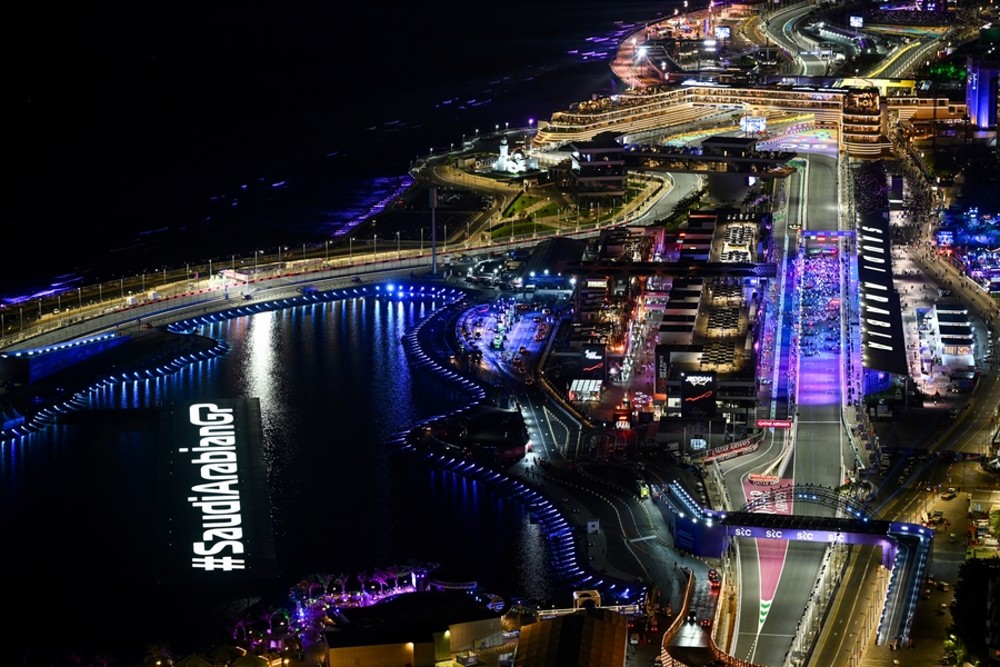
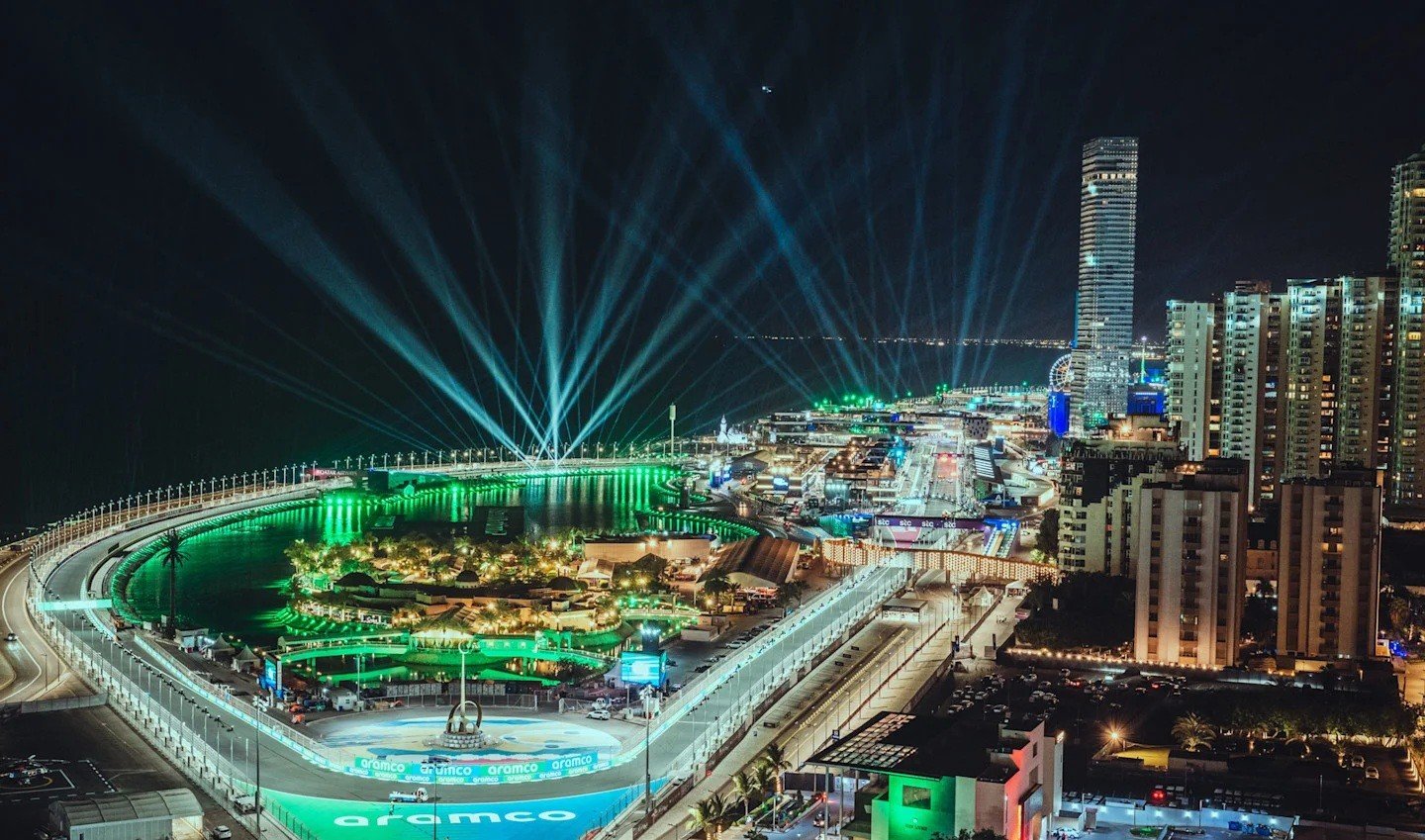
As geopolitical tensions escalate in the Middle East following Iran’s missile strikes and the ongoing conflict with Israel and the US, Formula 1 faces a critical decision on its upcoming races in Bahrain and Saudi Arabia. With the Bahrain Grand Prix scheduled for April 10-12 and the Saudi Arabian Grand Prix in Jeddah following on April 17-19, sources indicate that both events are at high risk of cancellation.
–by Mark Cipolloni–
However, even if they are scrapped, they are unlikely to be replaced on the 2026 calendar, leaving the season potentially shortened to 22 races.
The situation stems from safety concerns for teams, drivers, personnel, and fans, with F1 and the FIA prioritizing well-being above all else. FIA President Mohammed Ben Sulayem emphasized in a statement that “safety and well-being will guide our decisions,” as the governing body monitors the region closely. A final call is expected within the next 10 days—likely during the Chinese Grand Prix weekend—to allow teams to reorganize logistics, including freight currently en route from Japan.
Related Article: Formula 1 News: War threatens Gulf races as calendar could shrink to 22
Contractual and Financial Realities
One primary reason replacements are off the table lies in F1’s commercial contracts. Television and sponsorship deals remain intact even if the calendar drops to 22 events, as there is no minimum race requirement that would trigger breaches. The main financial hit would be the loss of sanctioning fees from Bahrain and Saudi Arabia—collectively over £100 million—but these could still be partially or fully paid by the promoters (national governments) without hosting the races, given their strong ties to F1.
Organizing substitute events at short notice is deemed impossible due to massive costs and commercial repercussions. New promoters would need to cover hefty fees, subsidize operations, and handle ticket sales, all while navigating logistical nightmares. As one insider noted, there’s “no desperate need” to maintain 24 races, drawing parallels to post-COVID adjustments where the calendar flexed without long-term damage.
Logistical Hurdles
The global nature of F1’s schedule amplifies the challenges. Freight, including team garages and hospitality units, is already committed to sea routes toward Bahrain and Jeddah after the Japanese Grand Prix at Suzuka. Rerouting the entire operation—potentially jumping straight from Japan to Miami—would disrupt the logical flow and strand equipment. This could create unscheduled breaks, such as a month-long gap between Suzuka and Miami, allowing for potential testing in Europe but not new races.
Staff availability adds another layer; teams aren’t equipped for sudden additions, and circuits like potential stand-ins aren’t race-ready on such short notice.
Dismissed Alternatives
Speculation has swirled around replacement venues, including European tracks like Imola (Italy), Portimao (Portugal), and Paul Ricard (Le Castellet, France), which have hosted F1 in recent years. A double-header at Suzuka in Japan has also been floated as a way to fill the void. Other suggestions include Turkey or even rescheduling Bahrain/Saudi to later slots, like the gap between Baku and Singapore.
However, these options are largely dismissed. Honda, Suzuka’s promoter, lacks the commercial appetite for a repeat event, and logistical setups aren’t in place. European circuits, while viable in theory, face the same short-notice barriers, with no guarantees of readiness or funding. As Professor Simon Chadwick, a geopolitics expert in sports, told media outlets, “unless a ceasefire is imminent, it is hard to see how the races will go ahead,” and replacements aren’t straightforward given the conflict’s scale.
Historical precedents, like the 2022 Saudi GP proceeding amid nearby attacks despite driver pushback, suggest F1 is cautious this time. Drivers attempted a boycott then but were reportedly threatened with detention, a scenario unlikely to repeat amid broader regional instability.
Broader Implications for F1
If cancelled, this wouldn’t be F1’s first adaptation to Middle East unrest—races have been axed before due to conflicts or pandemics, with makeshift events like the Styrian or Tuscan GPs filling gaps in 2020. Yet, the current calendar’s density leaves little room for rescheduling, potentially creating a congested triple-header if postponed.
F1’s statement underscores the focus on upcoming races in Australia, China, and Japan, far from the conflict zone: “Our next three races are in Australia, China and Japan not in the Middle East – those races are not for a number of weeks.” For now, no changes are announced, but the paddock in Melbourne buzzes with contingency talks.
This scenario highlights F1’s vulnerability to global events, balancing commercial interests with safety. As the season unfolds, fans may face a leaner calendar, but one that prioritizes security over spectacle. With Qatar and Abu Dhabi later in the year—five months away—there’s no immediate threat there, but the Middle East’s role in F1 remains under scrutiny.
Related Article: Formula 1 News: Middle East conflict hits F1 travel as season looms