
How the Evolution of Tires Changed Motorsport Racing Forever
The history of motorsport is inextricably linked to the chemical and mechanical advancement of tire technology. Early racing vehicles struggled with primitive rubber compounds that frequently failed under the heat of high-speed competition. Modern racing now depends on specialized tires designed to perform within narrow temperature windows and specific track conditions.
Technical Shift in Grip and Composition
Chemical engineering transformed the tire from a simple protective layer into a sophisticated performance component. These advancements allow drivers to carry significantly more speed through corners without losing traction.
Natural to Synthetic Rubber
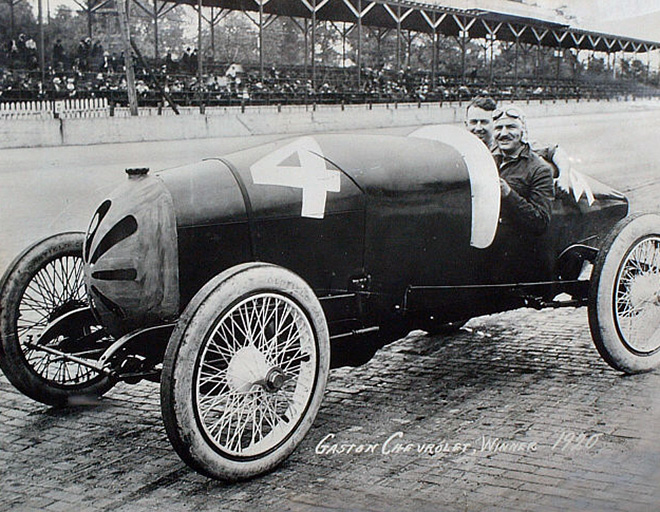
Early tires relied almost exclusively on natural latex, which lacked durability at high temperatures. The introduction of synthetic polymers allowed manufacturers to create tires with consistent grip levels throughout a race. This transition enabled the development of compounds that could withstand the extreme thermal loads generated by modern aerodynamics.
Invention of the Slick Tire
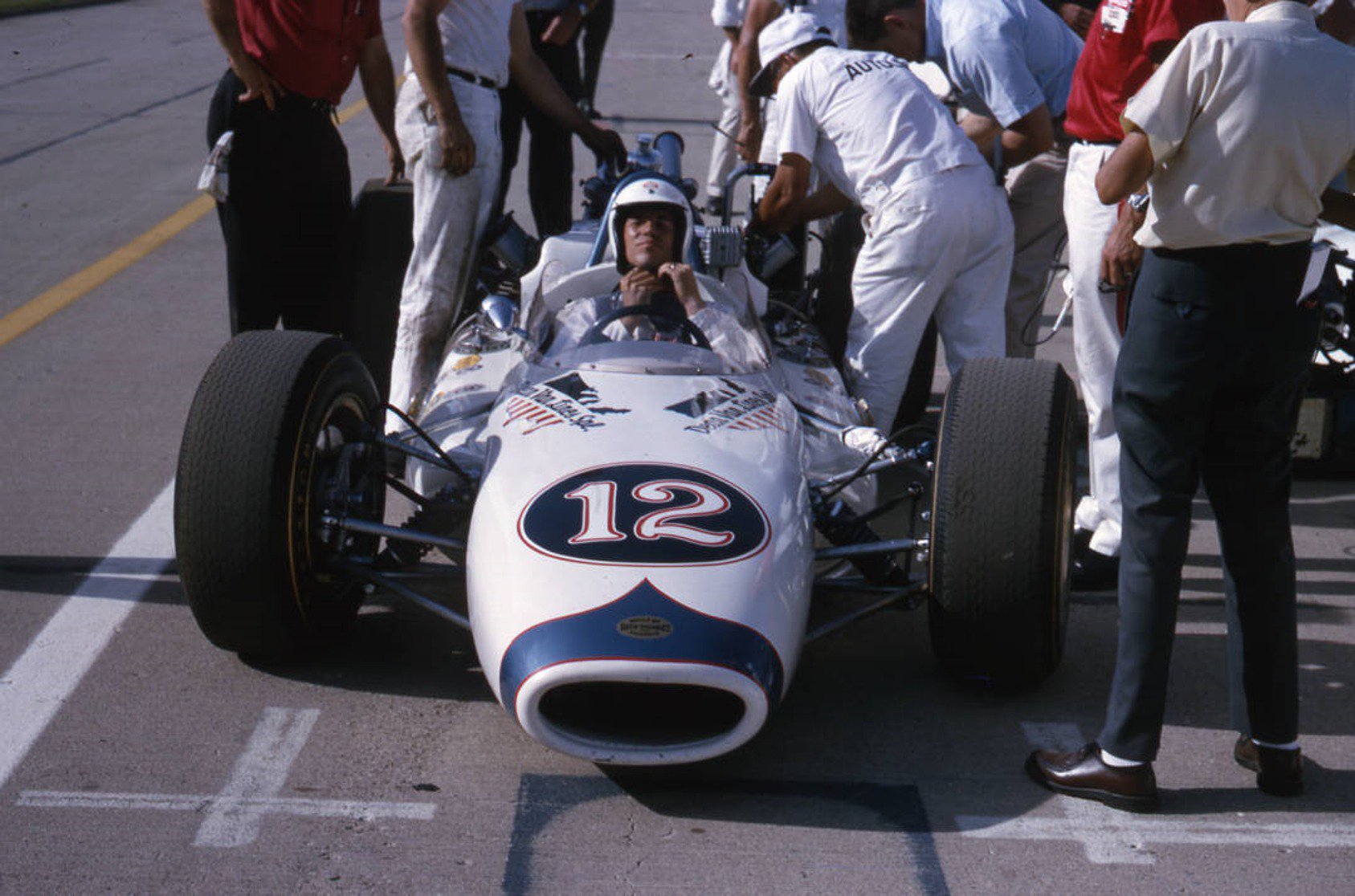
The removal of tread patterns in the late 1960s revolutionized the concept of mechanical grip. Slicks provide a larger contact patch with the asphalt, increasing the friction available for acceleration and braking.
The primary benefits provided by treadless racing tires:
- Maximum surface area contact with the racing line
- Reduction in tread block squirm during high-speed cornering
- Even heat distribution across the tire face.
Radial Tire Architecture
Cross-ply tires were standard until the radial design offered superior sidewall flexibility and strength. Radial tires allow the tread to remain flat against the road even as the sidewall deforms under lateral pressure. This structural change significantly improved the predictability of car handling at the limit of adhesion.
Thermal Management Systems
Tire performance is now a matter of precise temperature control rather than just rubber thickness. Teams use infrared sensors to monitor surface and core temperatures in real time. The following points describe the factors that influence the thermal state of a racing tire:
- Brake duct airflow directed toward the wheel rim.
- Camber and toe settings affecting the contact patch friction.
- Ambient track surface temperature and cloud cover.
- Driving style and the frequency of aggressive steering inputs.
Impact on Strategy and Safety
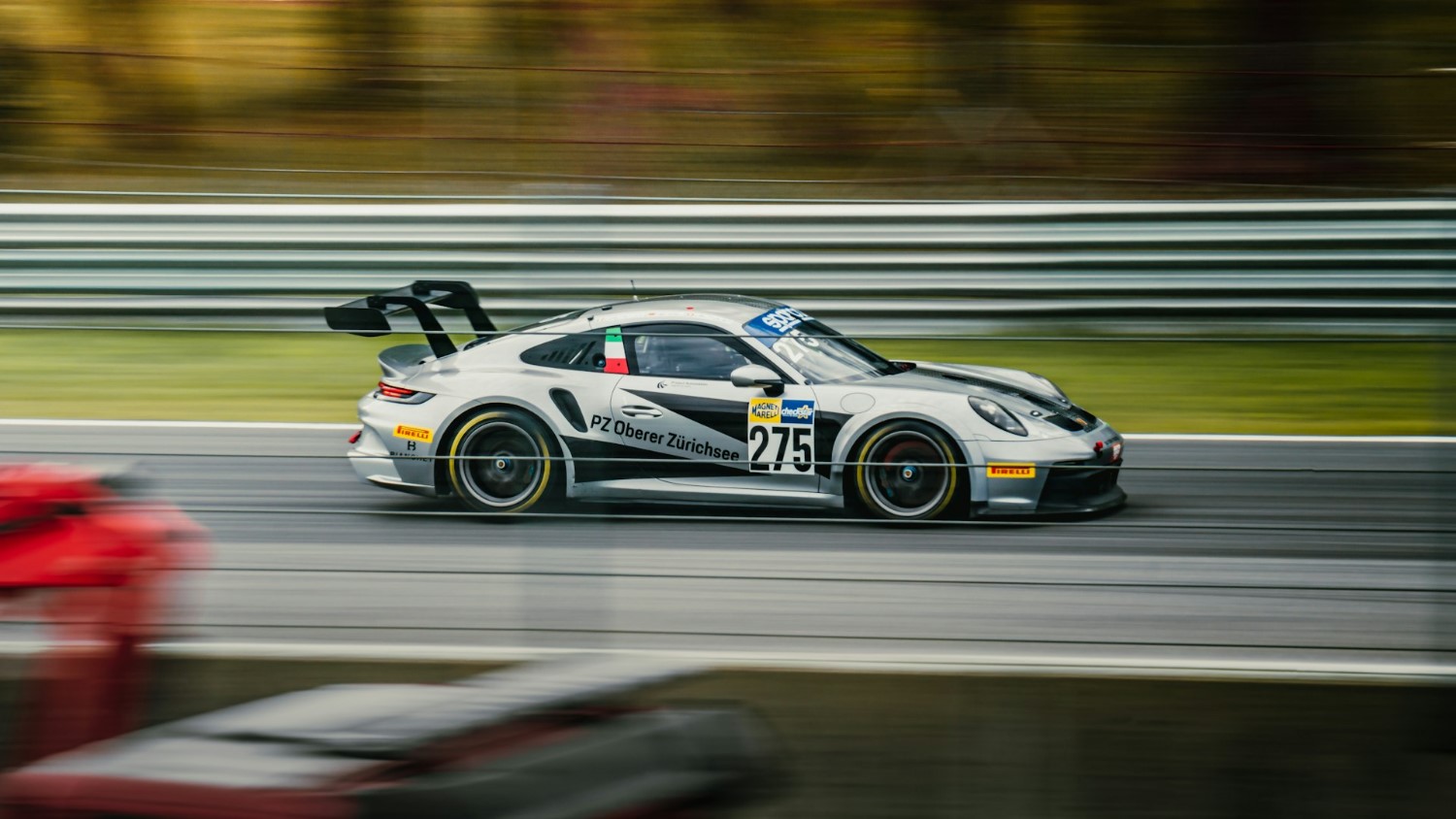
The evolution of tires forced a complete redesign of racing regulations and pit stop procedures. Strategy revolves around the delicate balance between the speed of a soft compound and the longevity of a hard one.
Ensuring security in real life is just as important as in motorsport. Therefore, if you want to buy your own car, perform a FAXVIN title check to verify its history before making a final decision.
Mandatory Pit Stop Regulations
Tire degradation became a tool for race organizers to create more exciting competition through strategic variation. Rules often require the use of different compounds during a single event to force tactical decisions. This creates a dynamic where a slower car on fresh tires can overtake a leader on worn rubber.
Run-Flat and Safety Inner Liners
Blowouts at high speeds were once a primary cause of fatalities in professional racing. The development of inner safety bladders ensures that a tire retains its shape even after a primary puncture. These innovations allow drivers to maintain enough control to reach the pits safely after a failure occurs.
Environmental Material Regulations
Modern tire production now emphasizes the reduction of toxic chemicals and the use of sustainable materials. Manufacturers are testing dandelion-based rubber and recycled components to lower the carbon footprint of the sport.
The following list details the modern requirements for sustainable racing tire production:
- Elimination of aromatic oils from the tread compound
- Use of bio-based silica for improved rolling resistance
- Implementation of closed-loop recycling programs for used casings
- Reduction of microplastic shedding during high-wear scenarios
- Integration of renewable carbon black sources.
Precision Pressure Monitoring
Wireless sensors inside the wheel provide the driver and pit wall with instantaneous pressure data. Changes in pressure can signal a slow leak or an overheating issue before it becomes a catastrophic failure. Maintaining the optimal pressure is vital for preserving the aerodynamic platform of the car at high speeds.
Compound Color Coding
Visual identification systems allow spectators and rival teams to track tire strategies in real time. Standardized colors for soft, medium, and hard compounds add a layer of transparency to the technical side of the sport. This visual data helps commentators explain the shifting advantages during a long-distance endurance race.
Future of Racing Rubber
Innovative concepts such as airless tires and smart sensors continue to push the boundaries of what is possible on the track. These technologies will eventually migrate to consumer vehicles, improving safety and efficiency for everyday drivers. The legacy of motorsport tire development remains the most effective laboratory for automotive progress.
The relentless pursuit of grip has defined the speed of every racing era since the invention of the automobile. Future compounds will likely focus on adaptivity, changing their properties based on live data from the track surface. Success in racing will always depend on the four small patches of rubber connecting the machine to the earth.