Formula 1 News: Cries grow louder over ‘worse F1 cars in history’ caused by insane regulations
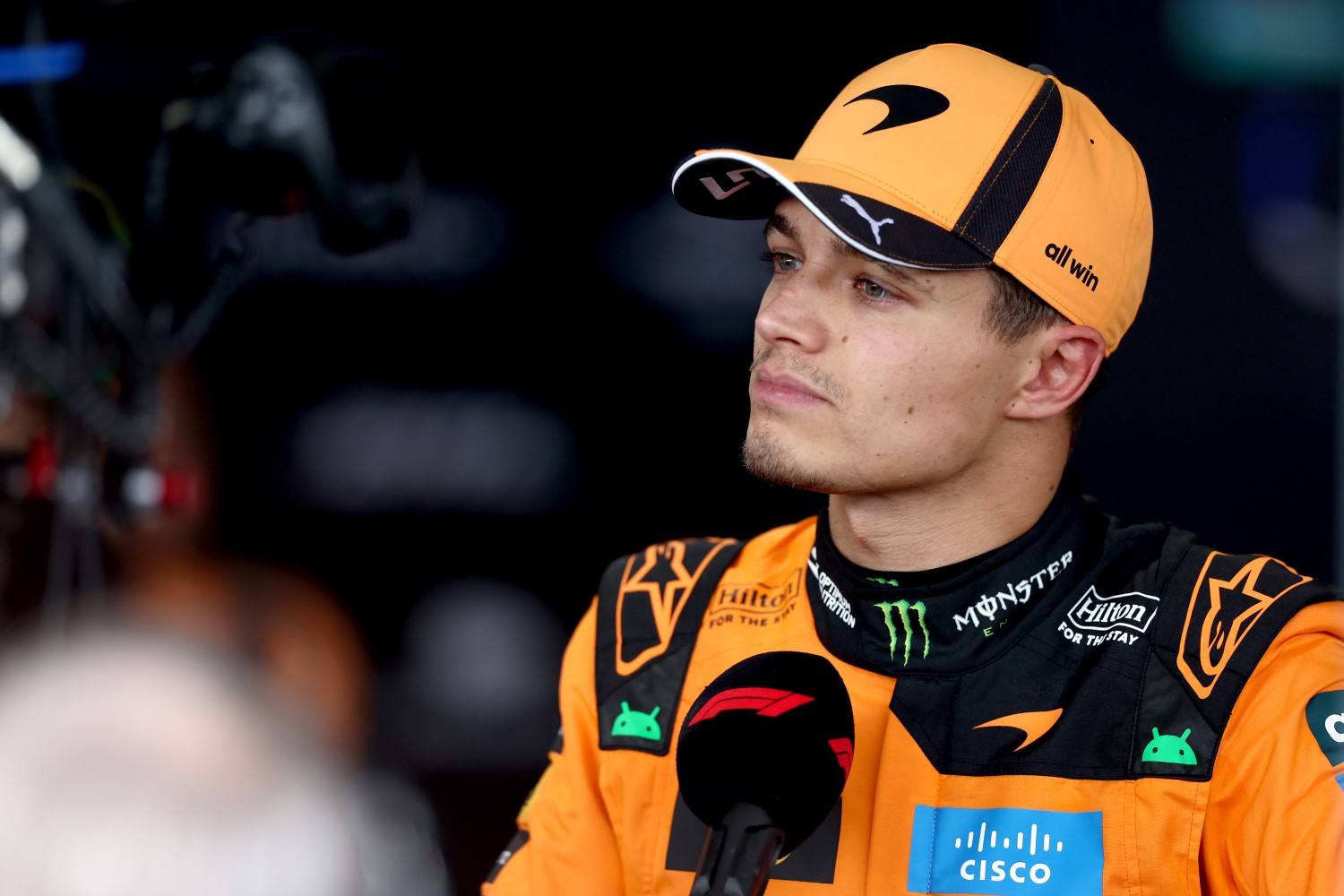
As the 2026 Formula 1 season kicks off in Melbourne with George Russell securing pole for the Australian Grand Prix, a chorus of discontent echoes through the paddock. Drivers, led by outspoken figures like Max Verstappen and Lando Norris (pictured), are slamming the new regulations as a disastrous step backward, producing what many call the slowest and least enjoyable cars in the sport’s modern era.
–by Mark Cipolloni–
Onboard footage from practice and qualifying sessions has only amplified the outrage, showing drivers forced to lift off the throttle on straights to conserve battery power—a damning visual that underscores the flaws in F1’s push toward sustainability. The Australian GP has become a “damning indictment” of the rules’ worst trait: severe speed losses in fast corners, where cars slow by over 50 km/h on full throttle as the engine switches to generator mode to harvest energy.
Related Article: The Frankenstein Cars of 2026: How F1’s New Regulations Have Stripped Away the Pure Art of Racing
The root of the problem lies in the 2026 power unit regulations, which mandate a 50/50 split between internal combustion engines running on sustainable fuels and electric power from the battery. Intended to highlight F1’s “green credentials” and lure new manufacturers like Audi, this hybrid emphasis has instead created energy-starved machines that prioritize battery management over outright speed and driver skill.
Drivers report having to decelerate dramatically before corners or even on straights to harvest energy, sacrificing lap times and turning high-speed sections into sluggish conservation zones. At Albert Park’s Turn 9, for instance, vehicles ramp down speed gradually and even downshift while flat out, all to save energy for the straights—resulting in entries 30 km/h slower than in 2025, despite matching maximum speeds.
Verstappen, who crashed out in Q1 without setting a time, didn’t mince words after qualifying. “It already felt really bad in the simulator, even to the point that I didn’t want to drive it,” he said. “I’ve already explained that and it’s just the same now. I’m not enjoying it at all.” Referencing the onboard videos circulating online, he added, “If you look at the onboards, you see enough, right?”

These clips reveal cars slowing noticeably at the end of straights as electrical charge depletes, a direct consequence of the limited battery capacity that lasts only about 12 seconds under full deployment. Melbourne’s layout has exposed this issue more starkly than Bahrain testing, with the problem expected to persist at high-speed tracks like Saudi Arabia and Japan.
Norris, the reigning world champion starting sixth on the grid, was equally scathing. “We’ve come from the best cars ever made in Formula 1 and the nicest to drive to probably the worst,” he lamented. “It sucks, but you have to live with it.”
He highlighted the constant juggling act required: “Sometimes you push more, you lose the battery and just go slower. You have to understand how to do things.” Norris even admitted to staring at his steering wheel to monitor battery levels, risking missing track debris, all because braking points shift by 10 to 30 meters depending on energy needs.
The criticism isn’t isolated. Fernando Alonso, struggling in 17th after a poor Q1, pointed out extreme speed losses in corners to preserve energy for straights. “Now in Turn 12 we are like 50km/h slower, because we don’t want to waste energy there and we want to have it all on the straights,” he said, joking that even Aston Martin’s team chef could handle the neutered speeds through what were once demanding sections.
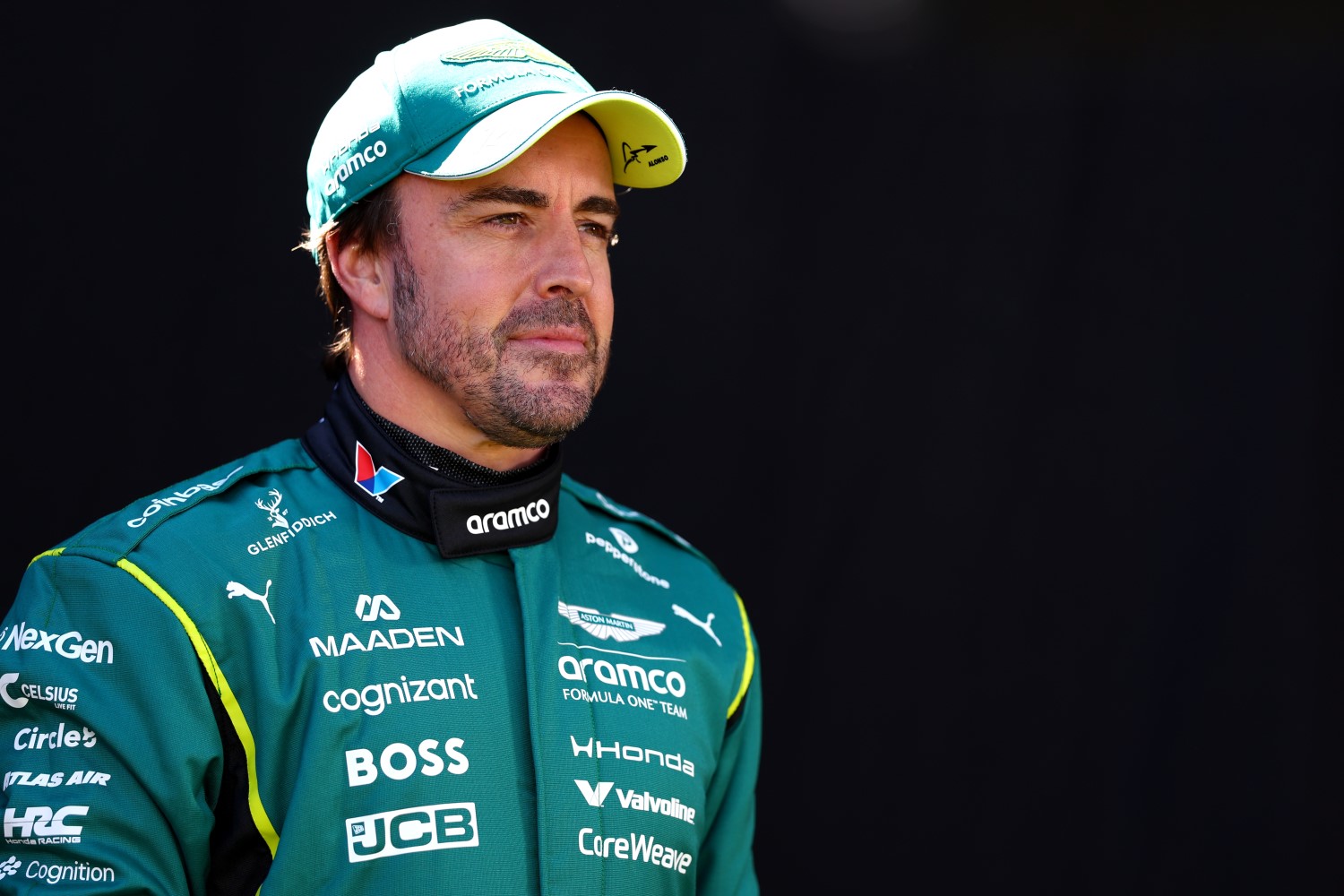
Lance Stroll, who failed to set a time, echoed calls for simpler engines with better sound and sustainable fuels, arguing the current setup is making F1 cars “worse.” Mercedes’ dominance in qualifying—a 1-2 with Russell on pole—did little to lift the mood, as the regulations compromise the overall spectacle, making onboards unfulfilling and limiting displays of skill.
Active aerodynamics, another 2026 feature, has compounded the issues. Drivers report understeer and downforce loss in “straight mode” zones, leading to near-misses during close battles. An intense drivers’ briefing before qualifying turned political, with the FIA proposing to scrap one straight mode zone—only to face opposition from teams worried about setup disruptions. Nearly all 20 drivers voiced complaints, with Norris noting, “If you have probably 18 of the drivers complaining, actually it’s 20… I don’t know what’s better for the sport or not.”
The hypocrisy is alarming!
This backlash comes amid F1’s broader environmental hypocrisy. While the series touts its 50% electric cars as a win for the planet, it continues to burn massive amounts of fossil fuels jetting teams, equipment, and personnel across the globe for 24 races. Critics argue the onboard slowdowns—visible in viral videos from Bahrain testing and Melbourne practice—expose the regulations as a “nonsensical joke,” prioritizing manufacturer appeals over thrilling racing.
Williams team principal James Vowles offered a silver lining, suggesting the need to slow on straights could create an “interesting dynamic” for overtaking, but drivers remain skeptical.
As teams plead for last-minute tweaks and safety concerns mount, the 2026 cars risk alienating fans and drivers alike. With onboard evidence piling up and voices like Lewis Hamilton and Charles Leclerc joining the fray in private discussions, F1 faces a reckoning: Can it balance sustainability with spectacle, or will these “worst cars ever” drive the sport into a corner it can’t escape?
The 2026 Formula 1 calendar is insane:
• 24 races
• 21 countries
• 5 continents
• 12 time zonesDrivers will spend at least 140 hours flying — not including trips back home or to the factory. pic.twitter.com/hZsuEazvck
— Joe Pompliano (@JoePompliano) March 4, 2026