
Automotive News: Is Reckless Driving a Criminal Offense? What Every Racing Driver Should Know
Speed draws people to the race track. You push harder, brake later, and chase faster lap times. That thrill is part of what makes performance driving exciting. Yet the line between controlled racing and illegal behavior can be thinner than many drivers expect.
If you spend time behind the wheel of high-performance cars, you should understand how the law views reckless driving. Racetrack driving usually happens in a controlled environment. However, your actions on public roads can quickly lead to criminal charges. Knowing where the law stands protects both your license and your freedom. Let’s look at what reckless driving really means and why racing drivers need to take it seriously.
What Reckless Driving Actually Means Under the Law
Reckless driving is more than exceeding the speed limit. In many states, it means operating a vehicle with “willful or wanton disregard for safety.” That phrase shows up often in traffic laws across the United States. It focuses on the driver’s behavior and intent rather than just the speed.
Law enforcement officers look at the entire situation. They consider road conditions, traffic levels, and the risk created. The key issue is danger: if your actions put people or property at serious risk, authorities may classify them as reckless.
Is Reckless Driving a Criminal Charge?
Yes, reckless driving is commonly treated as a criminal offense. In most states, it’s classified as a misdemeanor, which means the consequences go beyond a simple traffic violation. Unlike a routine speeding ticket, reckless driving may require court appearances and can result in fines, probation, or even jail time depending on the circumstances.
Reckless driving laws are designed to protect other motorists, passengers, and pedestrians, underscoring how dangerous behavior behind the wheel can have serious consequences for victims as well as drivers.
When reckless driving causes personal injury or property damage, penalties become more severe, and repeated violations can eventually lead to a driver being labeled a habitual traffic offender. This designation carries extended driver’s license suspension and long-term restrictions on driving privileges, reflecting how the law seeks to deter ongoing risks to public safety.
Why Racing Drivers Should Pay Special Attention
Confidence gained on the track can create a false sense of control on public roads. While racetracks are designed for high‑speed driving with safety crews and runoff areas, public roads lack those safeguards.
Racing drivers may feel their skills give them an edge, but even brief moments of track‑style driving can appear irresponsible in traffic and lead to a reckless driving case with lasting consequences.
Common Situations That Can Lead to Charges
Many drivers assume reckless driving only applies to extreme situations. In reality, ordinary road behavior can sometimes trigger the charge. Some of the most common examples include:
- High speeds in traffic: Driving fast during heavy or congested conditions can appear reckless, even if the road looks open at first glance.
- Sudden lane changes: Failing to signal or weaving between lanes may raise concerns about safety and control.
- Road rage incidents: Aggressive behaviors in response to other drivers, such as tailgating, unsafe passing, or rapid acceleration, create clear risks and are often treated as reckless driving.
- Pushing a car’s limits: Sharp maneuvers or excessive speed on public roads may feel routine to track drivers but can be considered reckless when they endanger others.
These examples show how everyday actions can cross the line into reckless driving. Even small lapses in judgment can put surrounding drivers and pedestrians at risk, making them more likely to be treated as reckless behavior under the law.
What Happens After a Reckless Driving Arrest
If police accuse you of reckless driving, they may issue a citation or make an arrest at the scene if the behavior is extreme or dangerous. You’ll then receive a court date to address the charge.
During the court process, a judge reviews the evidence. This may include officer testimony, dash camera footage, or witness statements. Prosecutors must show that your behavior created a clear safety risk.
Penalties vary widely. Some drivers receive fines and license points. Others face probation or license suspension. In more serious cases, short jail sentences may apply. A conviction also becomes part of your criminal record, which can affect employment or insurance costs.
Smart Habits That Protect Racing Drivers
Racing drivers already understand discipline and control. Those habits can help you stay within the law outside the circuit. The key is separating your track mindset from your street driving behavior.
First, treat public roads as completely different environments. Focus on safety rather than performance. Maintain steady speeds and avoid aggressive maneuvers.
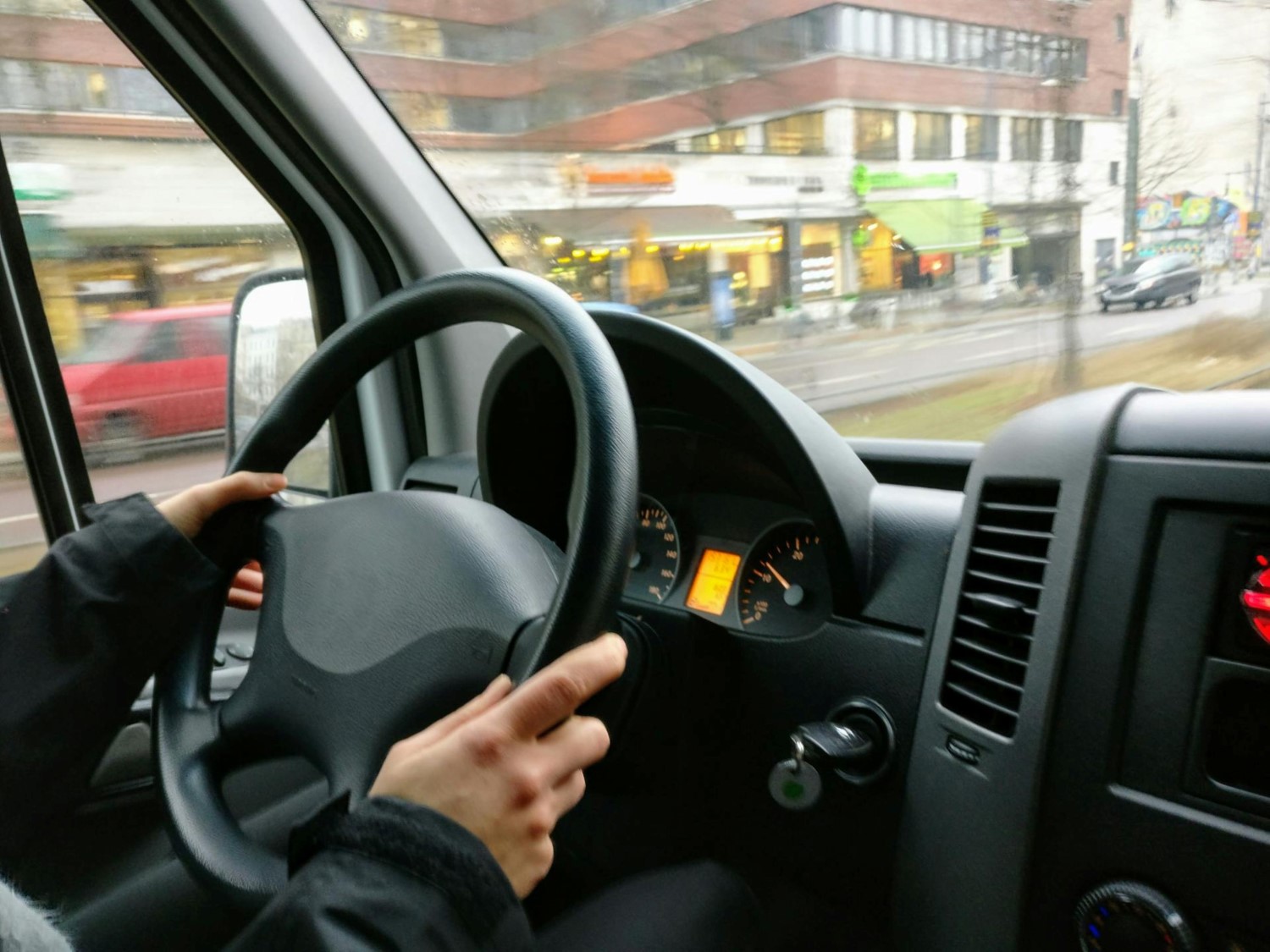
Second, use track events as your outlet for speed. High-performance driving events, autocross competitions, and track days exist for a reason. They provide a legal space to explore your vehicle’s limits.
Finally, stay aware of how reckless driving is defined where you live. Laws vary across states. Virginia automatically classifies speeds over 85 mph as reckless, while in Florida the charge can rise to a felony if it causes serious injury. Understanding these differences helps you avoid behavior that crosses the legal line.
Final Thoughts
Driving fast can be thrilling, especially if you love performance cars and motorsports. But the road is not the track. What feels normal behind a helmet and harness may become a criminal charge in everyday traffic.
When you respect that difference, you protect yourself and everyone around you. Save the racing for the circuit. Keep public driving calm and controlled. That balance lets you enjoy both worlds without risking serious legal trouble.