
High Speed Decisions – What Motorsport Teaches About Managing Risk
Motorsport looks like pure chaos. Cars rocket down straights, brake late, and dart through corners at speeds most people only dream about. Yet behind every dive into a hairpin sits a careful dance with danger. Drivers, engineers, and pit crews must judge hundreds of variables in the blink of an eye to manage the risks.
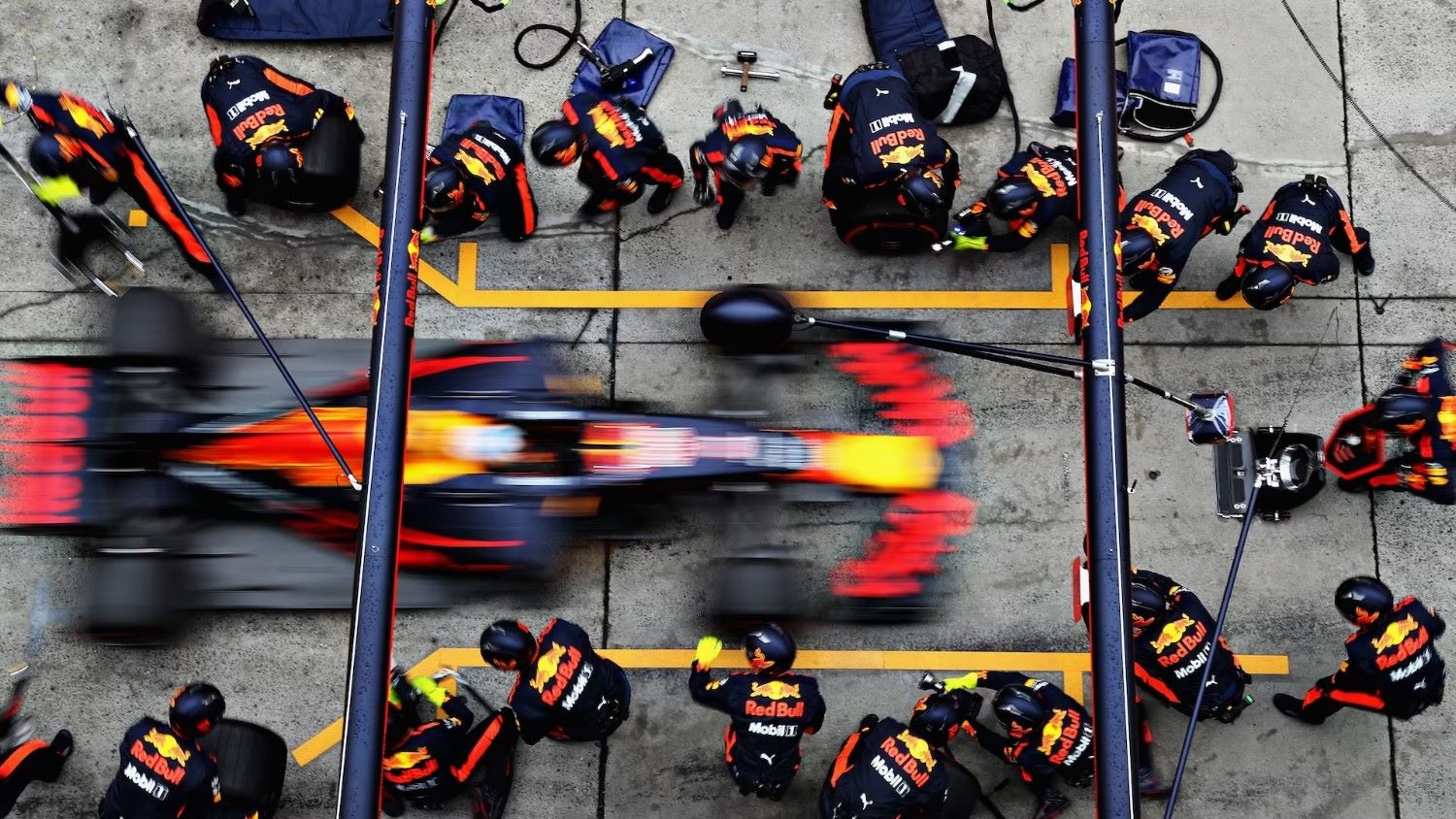
A small slip can bend metal and break hearts, so mistakes are not an option. For managers far from the racetrack, this world might feel remote, but its lessons on risk fit neatly into boardrooms, classrooms, and living rooms alike. By studying how a racing team balances courage with calculation, anyone can gain fresh ideas for making high-speed decisions in daily life.
This article explores five key insights from the paddock: acting under pressure, gathering data fast, building safety nets, learning from failure, and crafting a clear playbook. Buckle up as the lights go green on smarter, safer choices.
The Clock Is Always Ticking: Acting Under Pressure
When the start lights fade, a driver has less than a second to pick a line, spot rivals, and modulate the throttle. That micro-window shows how great teams handle pressure. They train reflexes until correct moves feel automatic, and they build routines that strip out wasted thought. In business, pressure often arrives as a tight deadline or a sudden market shift.
Copy the paddock by rehearsing responses before the clock starts. Crisis drills, role-playing, and clear checklists let groups move as one when tension climbs. Motorsport also proves that calm equals speed. Drivers slow their breathing on long straights to keep heart rates steady for the braking zone ahead.
Leaders can mirror this by pausing for a single deep breath before speaking or clicking send. Tiny pockets of calm sharpen focus and prevent rash errors. Remember, reacting fast does not mean rushing; it means knowing exactly what to do when time evaporates.
Reading the Track: Gathering Data Before Acting
Every lap, a Formula One car beams thousands of data points to the pit wall. Brake temperatures, fuel flow, and even the driver’s heartbeat paint a living picture of risk. Decisions only look impulsive; in truth, they sit on mountains of evidence. There are risks in everything we do, including online gambling – the risk is you lose your money. In racing, you risk losing to a better prepared competitor. Just as mobile casino players examine payout tables, data analysts suggest a quick glance at casino online mastercard statistics can reveal hidden trends, a practice that mirrors the way engineers read tire temps before making a call.
The lesson is simple: before committing, sample the landscape. At work, that might mean surveying customers for ten minutes or checking real-time dashboards before approving a shipment. Long reports can wait; the goal is to collect the smallest slice of reliable information that shrinks uncertainty. Racing teams update their plans every corner, never clinging to yesterday’s numbers. Adopt a similar habit of short, frequent checks and risk stops being a blindfolded leap.
Building Safety Nets: Layers of Defense
Speed alone never wins championships; finishing does. Engineers therefore stack safety on top of safety. Cars carry two throttle springs, fire-proof fuel bags, and halos that guard the cockpit. These layers mean that when one guard fails, another stands ready.
The same thinking strengthens everyday projects. Create backup files, cross-train teammates, and set spending limits before budgets overheat. Whether a lotto syndicate hedges its wagers or an engineer fits twin brake circuits, the goal is identical, and glancing at skrill casino testimonials shows how multiple payment options spread exposure, a mindset as useful on pit lane as it is when spinning the virtual slots.
Safety nets should not smother agility; they should fade into the background until needed. Quick-release wheel nuts, for instance, make tire changes faster but also safer by reducing crew fatigue. Smart planners pick tools that improve both protection and pace, turning the old trade-off between speed and security into a happy tie.
Bringing the Lessons Home: Everyday Risk Playbook
Motorsport wisdom reaches far beyond asphalt. To turn theory into habit, adopt a simple playbook that fits on one sheet of paper.
- Identify the blind corners. List top three unknowns before any project starts.
- Set a “pit window.” Decide when to pause and review progress rather than waiting for a blow-up.
- Gather micro-data. Use five-minute surveys, quick A/B tests, or a single sensor reading to guide the next step.
- Layer defenses. Back up files twice and share knowledge with at least one colleague.
- Debrief at the flag. After delivery, spend ten minutes noting what worked and what failed.
Wrap the sheet in clear, friendly language so any teammate can grab it when deadlines loom. Finally, keep improvement on a loop. Racing crews run debriefs after every session because fresh memories deliver the best lessons. By closing the feedback gap, they convert accidents into upgrades within hours. Families, students, and managers can do the same. Jot down small tweaks right after challenges, then test them at the next start. High-speed decisions will still raise heart rates, but with practice, risk bends from a monster into a manageable curve, and winning the race becomes likelier.