When a Car Crash Isn’t Just an Accident: How Fault Is Determined After High-Speed Collisions
Why High-Speed Collisions Demand More Than Simple Blame
In motorsport, every serious crash is reviewed with precision. Officials study footage from multiple angles, analyze telemetry, and examine driver decisions to the fraction of a second. Responsibility is rarely pinned on one isolated moment. A sequence of choices and conditions usually shapes it.
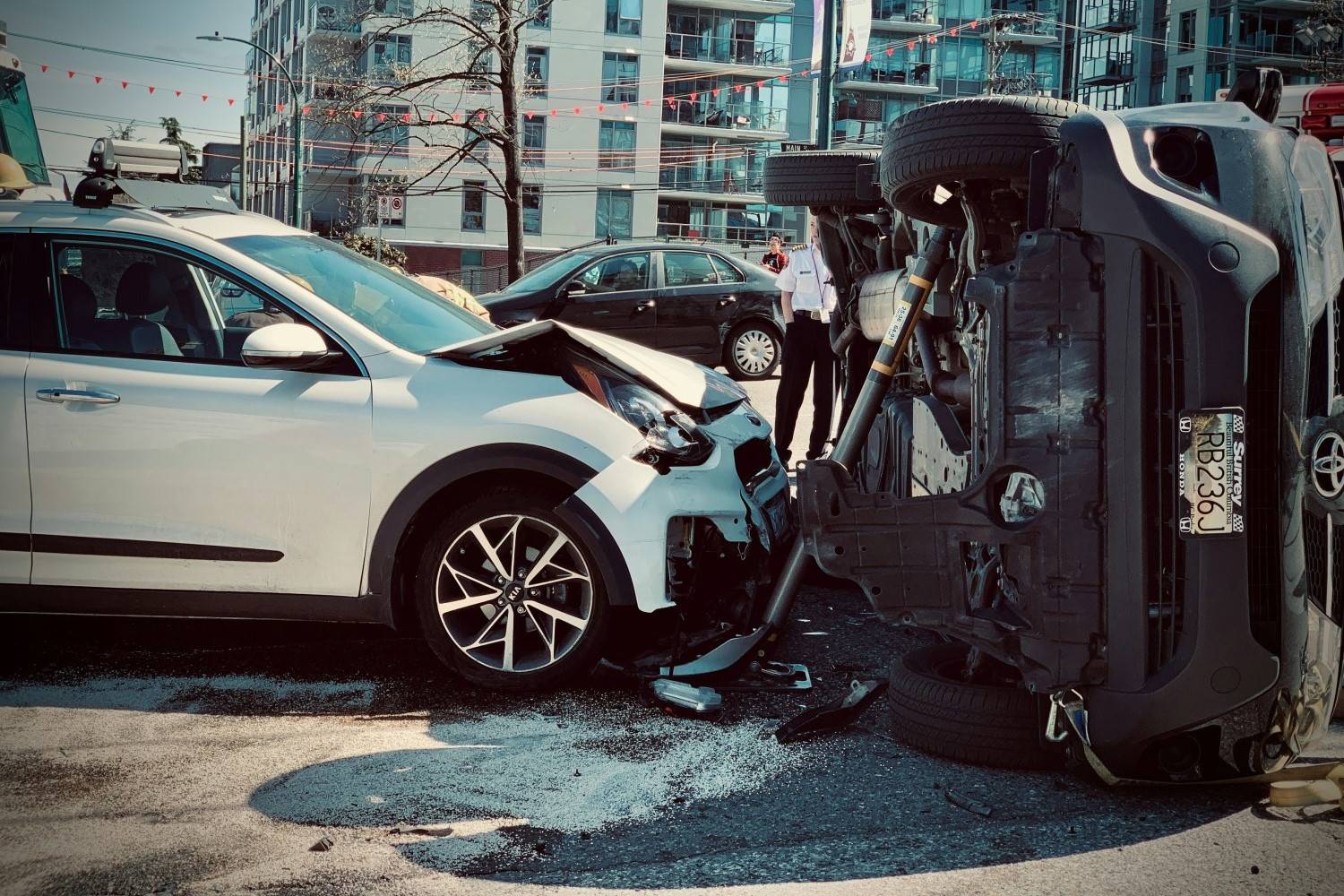
The same complexity applies to public roads, especially in high-speed collisions. What may look simple at first can involve driver behavior, road conditions, vehicle performance, visibility, and reaction time. Outside the track, those factors also carry legal and financial consequences.
In major cities such as Chicago, where dense traffic, intersections, and pedestrian activity increase the chances of complicated collisions, fault can be even harder to determine. A crash in a crowded downtown corridor raises different questions than one on an open rural highway. Those geographic differences affect how claims are evaluated from the very beginning.
Understanding how fault is determined matters because it influences insurance disputes, legal responsibility, and the ability to recover damages after a serious crash.
The First Steps After a Collision: Evidence Defines Everything
The period immediately after a high-speed collision often shapes the entire fault analysis. The crash itself may happen in seconds, but the evidence collected afterward can influence insurance claims, legal disputes, and financial recovery for months.
The police report is one of the first key pieces of the puzzle. Officers document road conditions, visible damage, driver statements, witness accounts, and any apparent traffic violations. That report does not always tell the whole story, but it often becomes the starting point for determining responsibility.
What drivers document at the scene can be just as important. Photos of vehicle positions, skid marks, traffic signals, debris, and surrounding conditions can preserve details that disappear as soon as the road is cleared. Witness statements also carry weight, particularly when the people involved tell different versions of the same event.
In a city like Chicago, where heavy traffic and constant interaction between vehicles can complicate even a routine crash, those early details become even more important. In these situations, working with a Chicago accident injury lawyer can help connect the evidence to a clear explanation of how the collision happened and who should be held responsible.
Small details often carry major weight. A missed traffic signal, the angle of impact, or the position of a vehicle after the crash can all influence the final decision on fault.
Breaking Down Fault: How Investigators Reconstruct What Happened
Determining fault in a high-speed collision depends on reconstruction, not guesswork. Investigators build a timeline using physical evidence, technical data, and driver behavior, much like racing officials reviewing a controversial on-track incident.
Vehicle positioning is one of the first things examined. The resting place of each car, the direction of impact, skid marks, and debris patterns can reveal how the crash developed. These details help investigators understand movement, timing, and possible attempts to avoid impact.
Speed is another major factor. Even without a direct reading, investigators can estimate it through braking distance, vehicle damage, and road conditions. Excessive speed does not always mean a driver is fully at fault, but it often affects the control the driver had before the collision.
Road conditions can shift faults as well. Wet pavement, poor visibility, construction zones, uneven surfaces, and signal timing all affect what a reasonable driver should have done under the circumstances. Failing to adjust to those conditions can increase liability.
Driver behavior often completes the picture. Distraction, aggressive lane changes, delayed braking, tailgating, or failure to yield can all influence the analysis. In many cases, fault arises from several risky decisions rather than a single dramatic mistake.
This process is about assembling a complete narrative. The more clearly investigators can connect the evidence, the more accurately they can determine responsibility.
Shared Fault and Chain Reactions in High-Speed Incidents
Not every high-speed collision points to a single driver. Many crashes involve shared responsibility, especially when several actions contribute to the outcome.
Comparative negligence allows fault to be divided among multiple parties. One driver may have triggered the situation, while another may have failed to react safely or made the damage worse. Liability is then assigned by percentage rather than as a simple yes-or-no conclusion.
Chain-reaction crashes are a common example. On busy highways and urban roads, one impact can quickly lead to several more. Investigators examine the following for each driver involved: distance, speed, attentiveness, braking, and lane position. A driver who did not cause the first collision may still be assigned partial fault for failing to avoid the next one.
These cases become even more difficult when merging traffic, poor visibility, or sudden stops are involved. A split-second sequence can create competing arguments about who had the best chance to prevent the crash.
For injured drivers, this means fault is often more layered than expected. A person may be harmed by another driver’s mistake while still being assigned part of the blame. That can directly affect compensation and legal strategy.
The Role of Technology in Determining Responsibility
Technology has changed the way high-speed collisions are investigated. Cases that once relied heavily on witness recollections and surface-level observations can now be examined through multiple forms of digital evidence.
Dash cams are among the most useful tools. They capture events in real time and can show lane position, traffic signals, sudden maneuvers, and the moments leading up to impact. This kind of footage often clarifies details that drivers may remember differently after a stressful crash.
Traffic cameras can also provide a broader view, especially at busy intersections and major roads. They may show how several vehicles interacted before the collision, helping investigators place each action in context.
Vehicle data recorders add another layer of detail. These systems can preserve information such as speed, braking force, throttle use, and seat belt status in the moments before a crash. Guidance on vehicle crash data systems helps explain how this information can be used during an investigation.
Technology does not solve every dispute. Video can be incomplete, camera angles can miss key movements, and data still has to be interpreted correctly. Even so, digital evidence has made fault analysis more precise and reduced the likelihood that a case will turn entirely on conflicting personal accounts.
Why Insurance Companies Don’t Always Get It Right
Many drivers assume insurance companies will sort out faults fairly once the evidence is in. In practice, that process is often more limited than people expect.
Adjusters may rely heavily on the initial police report and short recorded statements, even when the collision is too complex for a quick conclusion. In high-speed crashes involving multiple vehicles, this can lead to simplified decisions that do not fully reflect what happened.
Conflicting statements create another problem. When drivers describe the same crash in different ways, insurers must decide which account seems more believable. Without strong supporting evidence, such as video, photos, or vehicle data, those decisions can become subjective.
Cost control also plays a role. Insurance companies are businesses, and reducing payouts is part of their financial model. That can lead to partial fault assessments that weaken a claim even when the evidence suggests a different outcome.
This becomes even more significant in serious urban collisions, where the facts are rarely neat, and the sequence of events can be difficult to untangle. A surface-level review may miss the details that matter most.
Legal Complexity in Urban vs Open-Road Accidents
The location of a crash can shape the fault analysis almost as much as the impact itself. Urban and open-road collisions raise distinct legal and practical questions, even when speeds are similar.
In cities such as Chicago, drivers encounter intersections, traffic lights, delivery vehicles, pedestrians, cyclists, lane changes, and constant stop-and-go traffic. That creates more decision points in a shorter span of time, which often makes fault harder to sort out. More traffic also means more witnesses, more cameras, and more opportunities for conflicting accounts.
Open-road crashes bring a different kind of risk. Highways and rural roads may have fewer variables, but they often involve higher speeds, longer stopping distances, fatigue, exposure to weather, and delayed emergency response. In those cases, fault may depend more heavily on speed, control, and driver attention.
Legal expectations can shift with geography as well. What counts as reasonable driving in a lightly traveled rural area may be very different from what is expected in dense city traffic. That is one reason fault analysis must always be tied to the environment where the crash occurred.
For racing readers, the contrast is familiar. Different tracks demand different decisions, and different roads do the same. That broader context helps explain why driver responsibility after a crash cannot be judged the same way in different settings.
Responsibility Goes Beyond the Impact
High-speed collisions are rarely defined by a single moment. They result from road conditions, driver choices, timing, and reaction. The fault has to be determined through careful analysis of all those factors together.
For drivers, that reality underscores the importance of judgment, awareness, and control every time they get behind the wheel. The decisions made before a collision often matter just as much as the impact itself.
A clear understanding of how fault is determined can help drivers see why serious crashes are rarely as simple as they first appear. Responsibility begins long before contact and can shape the outcome of a case long after the wreckage is cleared.