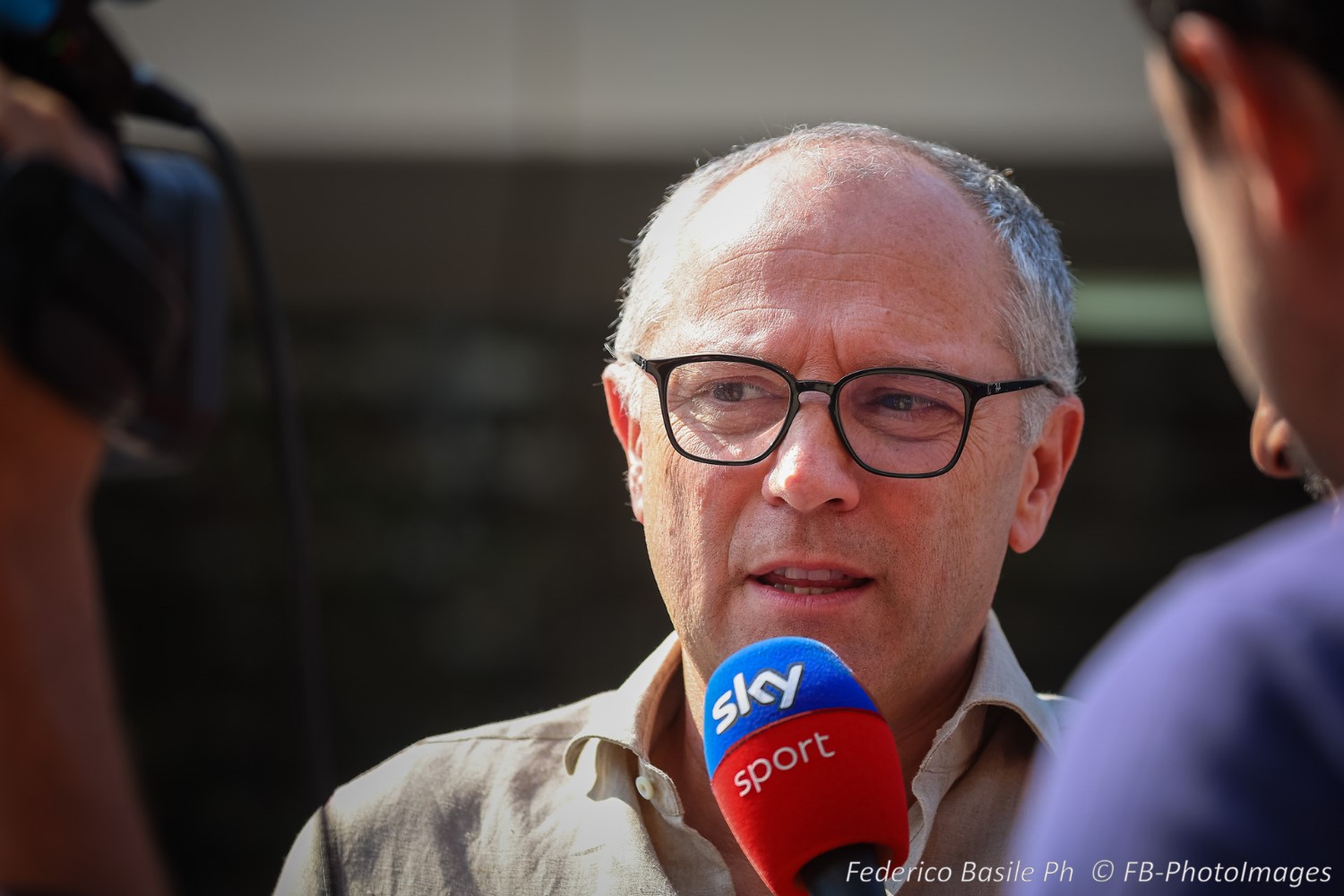
Formula 1 News: F1 boss Stefano Domenicali downplays the significance of artificial passing
Formula 1 CEO Stefano Domenicali has doubled down on defending the controversial 2026 regulations, insisting that the surge in overtakes seen in the opening three races is genuine racing — not the “artificial” spectacle drivers and purists have slammed. In a wide-ranging interview, he dismissed critics outright, claiming anyone calling the passing fake has a “short memory” and that the new era is delivering exactly what fans want.
I take exception with Mr. Domenicali’s characterization of the situation, as I explain further in the article.
–by Mark Cipolloni–
Speaking to Autosport ahead of the Miami Grand Prix, Domenicali brushed off the backlash over qualifying, energy management, and closing speeds. “What is artificial? Overtaking is overtaking,” he said, pointing back to the 1980s turbo era where drivers had to lift-and-coast to save fuel.
“People have a short memory… it’s part of the game.” He praised the “incredible result in terms of positivity from the bigger fan base” and boasted about sold-out races, rising viewership, and new commercial deals while admitting only that tweaks to qualifying and safety are coming before Miami.
It’s a tone-deaf take that ignores the near-universal criticism from the drivers who actually have to race these cars—and the growing chorus of experts who say the 2026 formula has stripped away the very thing that made F1 special: raw driver talent.
The core problem: overtaking that requires zero skill
The new rules were sold as the biggest shake-up in generations—smaller, lighter cars with near 50/50 ICE/electric power, active aerodynamics, and heavy reliance on battery energy harvesting. The result? A massive spike in passing (unofficial counts show more than double the overtakes at early races compared with 2025). But almost every one of those moves has been branded “artificial” for the same reason.
Drivers now deploy an “Overtake Mode” or power boost when within one second of the car ahead. The chasing car suddenly gains huge electrical power while the car in front might be conserving. Pass made. Then the roles reverse on the next straight when the battery depletes—classic yo-yo racing that inflates the stats without any actual wheel-to-wheel skill. Lando Norris called it “way too much” artificial overtaking after Australia, warning of “chaos” and “a big accident” from the wild closing speeds.
Related Article: Formula 1 News: Video explaining how Frankenstein Cars have ruined Formula 1
Max Verstappen has been even more scathing from day one, labeling the cars “anti-racing” and “Formula E on steroids.” He’s said traditional out-braking battles are gone, replaced by whoever manages their battery best. Other drivers — Sergio Perez, Pierre Gasly, Esteban Ocon — have echoed the same: passes feel random, dictated by software and power-unit strategy rather than driver daring.
Even former F1 driver Ralf Schumacher joined the pile-on, arguing the regulations are “too artificial” and take too much away from driver input. Australian motorsport legend Mark Skaife was blunter: “Anyone that says 2026 overtaking is better — that’s just delusional.”
Qualifying and cornering talent erased
The biggest hit to driver skill has come in qualifying and fast corners. Because the cars must harvest energy aggressively, drivers are forced to lift-and-coast repeatedly—even in the quickest sections of the lap — to keep the battery charged. The pure, flat-out push that defined F1 qualifying for decades is gone. Domenicali himself admitted this is the main area under review, but he still frames it as a minor “adjustment” rather than a fundamental flaw in the philosophy.
Alex Albon warned pre-season that the cars would reward “brains over talent.” Multiple outlets have called them “Frankenstein cars”—slower “in corners, dependent on energy deployment, and less rewarding for the world’s best drivers.” The human factor Domenicali claims is still central has been subordinated to battery management and pit-wall algorithms.
Related Article: The Frankenstein Cars of 2026: How F1’s New Regulations Have Stripped Away the Pure Art of Racing
Fans divided, but the purists aren’t wrong
Domenicali leans heavily on internal surveys showing new fans loving the action and overall viewership up. Fair enough — casual viewers see more passes and cheer. But the loudest backlash is coming from the core audience and the drivers themselves, the very “jewel of the sport” he claims to protect. The polarization he acknowledges is real, yet he dismisses the negative side as people who “love to criticize… zero effect.” That’s not leadership; that’s denial.
F1 has chased manufacturer buy-in (Audi, Ford, GM) with these sustainability-driven rules. Five years ago the auto industry was all-in on full electrification; now it’s backpedaling toward hybrids and sustainable fuels. The sport bent over backward for them, and the price is being paid on track.
Tweaks are coming before Miami, and Domenicali insists the ecosystem is “managing the right way, with no panic.” But when the four-time world champion is openly questioning his future, multiple top drivers are calling the racing fake, and experienced pundits are using words like “ridiculous” and “delusional,” panic might actually be the appropriate response.
The 2026 cars have delivered more overtakes. They just haven’t delivered better racing — or racing that rewards the talent that once defined Formula 1. If Stefano Domenicali truly believes this version of “overtaking is overtaking,” then the boss is the one with the short memory.