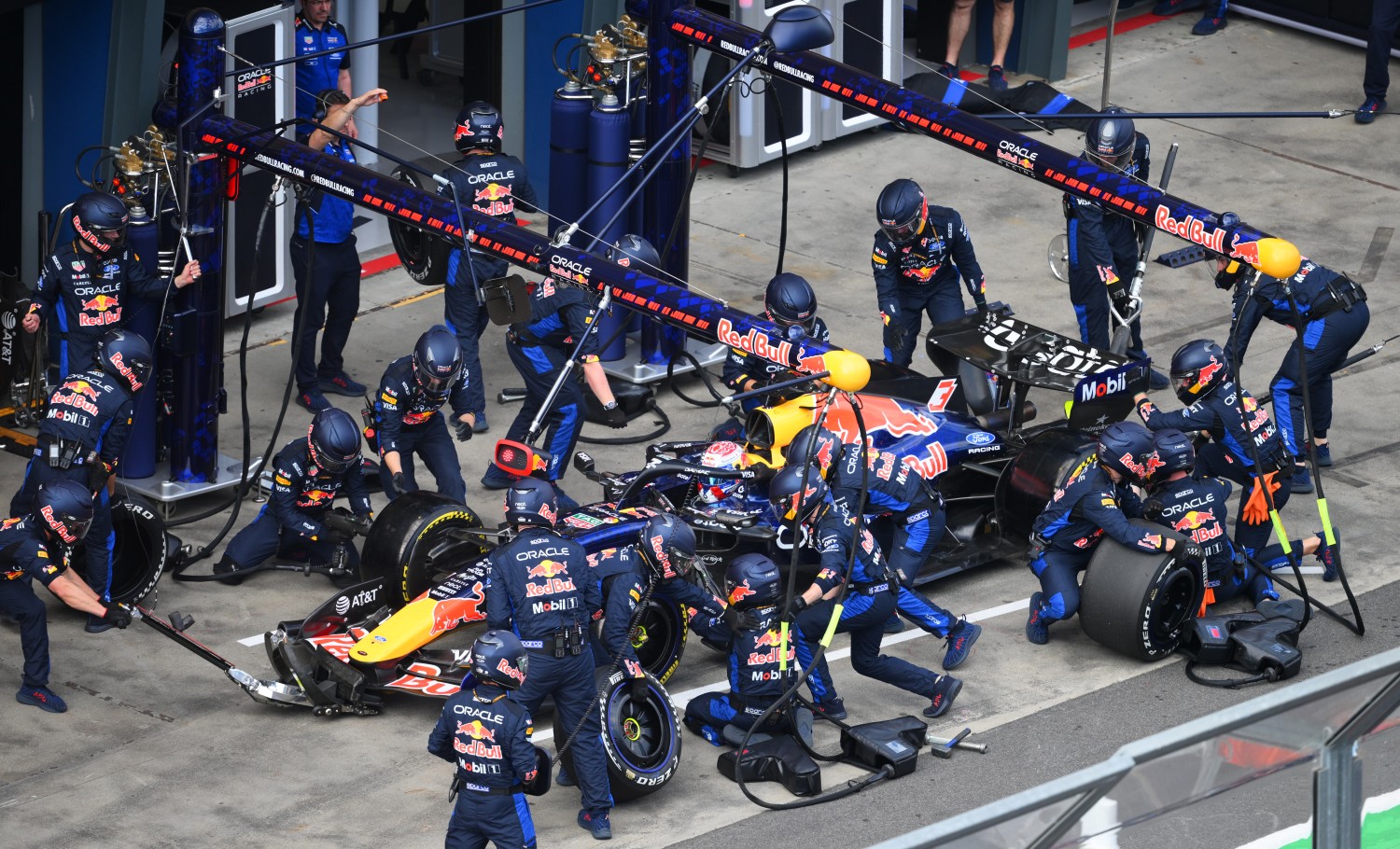
Formula 1 News: Pirelli expects more two-stop races as 2026 progresses
(GMM) Pirelli expects more varied race strategies in 2026 as Formula 1 teams continue to develop their cars.
After the opening races were dominated by one-stop strategies, the sole tire supplier’s motorsport director Mario Isola says that could soon change.
“At some point, we’ll see more diversity in strategies again,” he told Auto Motor und Sport.
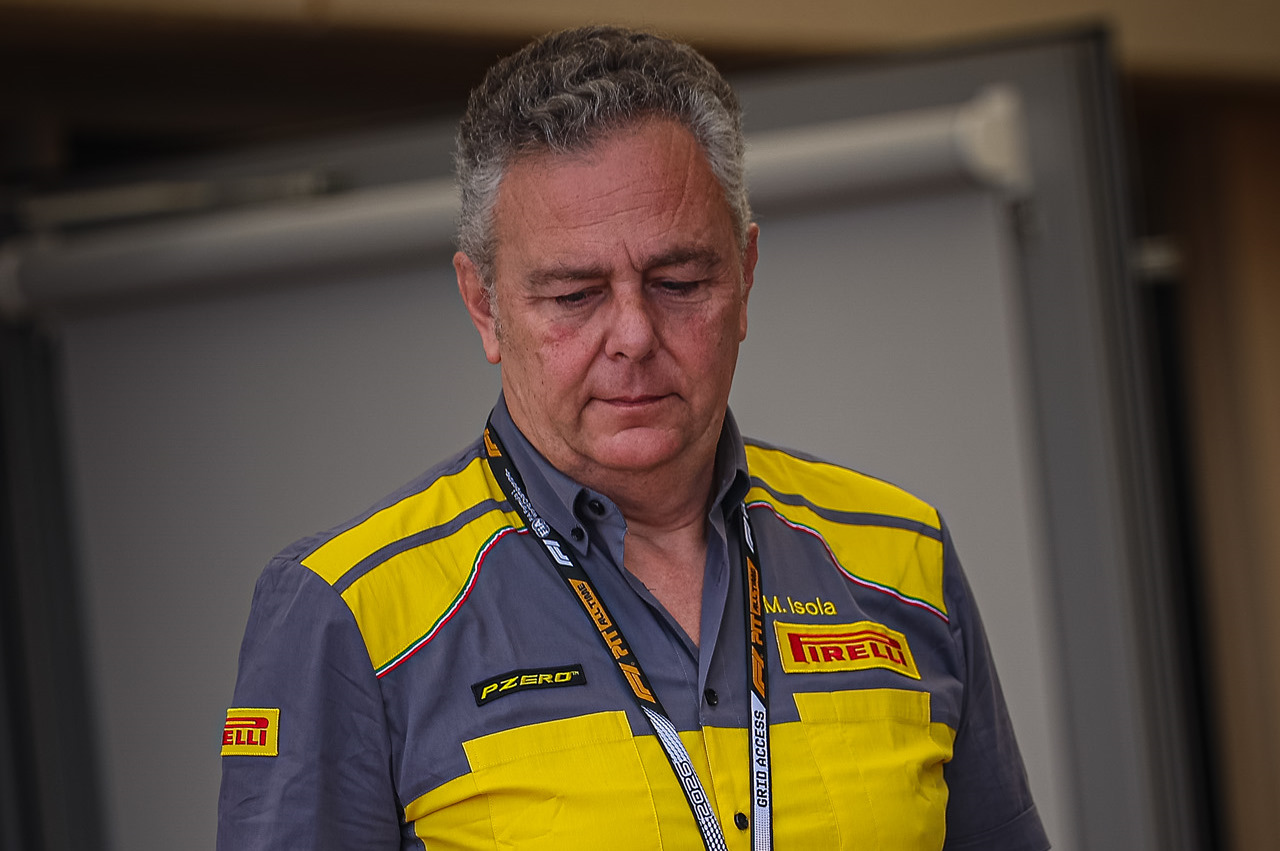
Pirelli had to design its current tires using projected data from teams, making development particularly complex under the new regulations.
“We asked all the teams for data. We wanted to understand where the upper limit of the new cars lies,” Isola explained.
However, early-season data suggests the supplier may have been too conservative, with most drivers comfortably completing races with a single stop.
“The development wasn’t easy. We only had the mule cars,” Isola said, referring to modified older cars used in testing.
“The real cars have active aerodynamics. Now it’s not the straights but other sections of the track that are the limiting factor.”
Current grip levels are also lower than expected, he added.
“Drivers have approximately ten percent less grip available,” Pirelli’s Isola revealed, citing reduced downforce and narrower tires.
But with performance set to rise sharply as teams rapidly develop their cars, tire stress is expected to increase.
“At some point, the engineers will find more efficient ways to charge the batteries. Then the drivers can push harder in the corners again,” Isola said.
This could bring strategy back into play.
“The goal is to minimize the difference between one-stop and two-stop strategies,” he added.