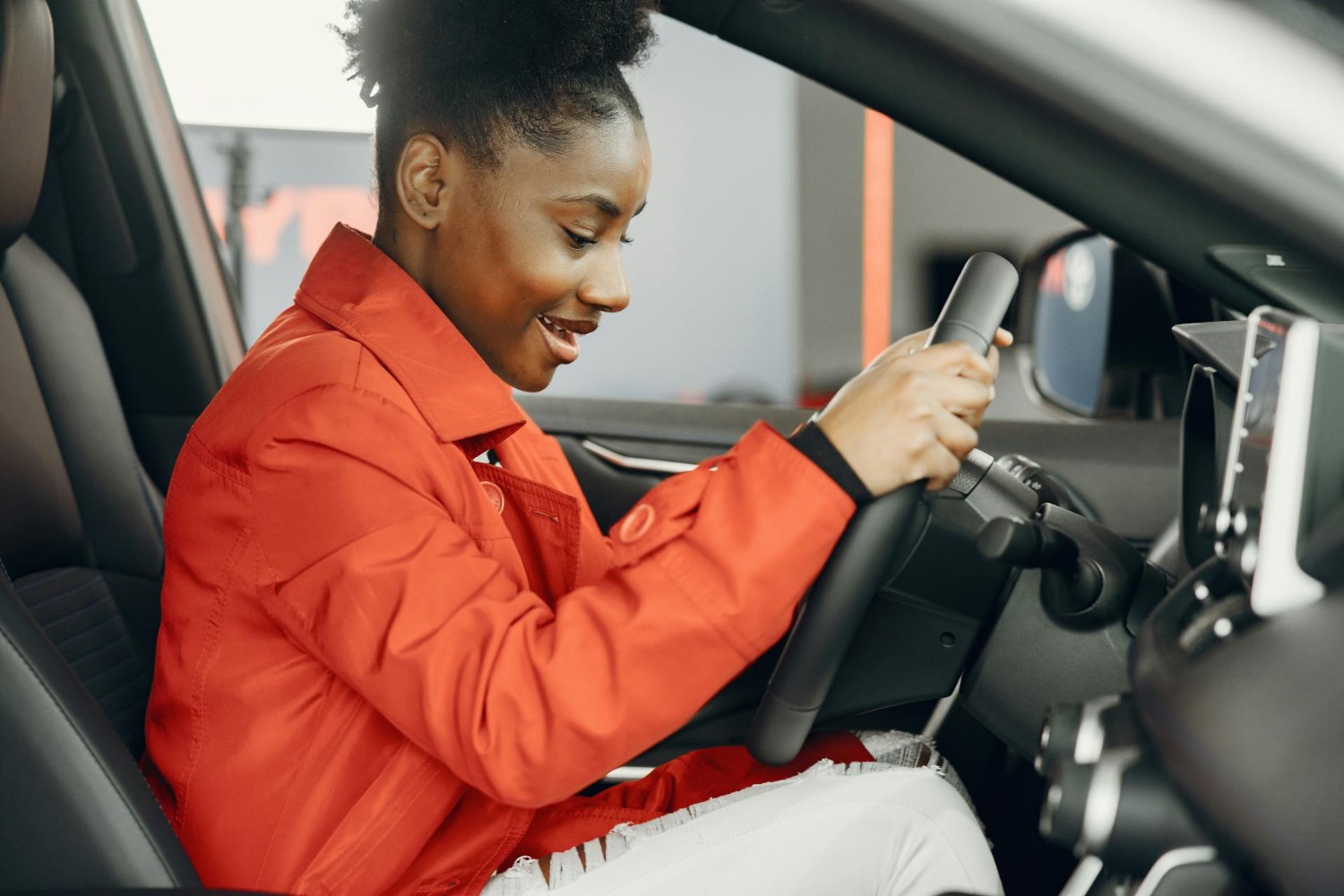
Automotive News: A Real Review of Online Driver Education for Teens Learning at Home
Learning to drive used to follow a pretty fixed path. Classroom sessions, scheduled lessons, and an instructor in the passenger seat. That still exists, but it’s not the only option anymore. In places like Texas, where distances are longer, and schedules don’t always line up neatly, families have started looking for alternatives that fit real life a bit better. Online driver education has grown out of that need.
Parents want flexibility, teens want something less rigid, and both sides want it to actually work, not just check a box. The idea of learning at home sounds convenient, but it also raises questions. Will teens stay focused? Does it prepare them enough for real driving? And how much responsibility falls on the parent?
These questions don’t have one answer. But the model itself, online lessons paired with real-world practice, has become more common for a reason. It’s practical. It adjusts to different schedules. And in many cases, it puts families more directly in control of the process.
How Parent-Led Online Driver Education Actually Works
At its core, online driver education is split into two parts. First, the theory, rules of the road, safety basics, signs, and decision-making. This part happens online, usually through structured lessons that teens can move through at their own pace. Second, the driving itself. That doesn’t happen on a screen. It happens outside, in real conditions, with a parent guiding the process.
In Texas, this setup is formalized in a way that blends flexibility with structure. For instance, in programs like Parent Taught Driver’s Ed Texas allows families to follow a state-approved curriculum at home, while parents supervise and log the required driving hours, making the process both compliant and manageable without relying on a traditional driving school schedule.
That combination is what makes the system work. Teens aren’t just watching videos; they’re learning, testing, and applying those lessons behind the wheel. Parents aren’t expected to invent the process either. The course lays out what to teach, when to teach it, and how to track progress.
It’s not hands-off, though. The parent becomes part instructor, part supervisor. That’s a shift. Some families like that control. Others find it demanding. But overall, the structure is clear enough that most can follow it without much confusion.
Flexibility and Convenience: The Biggest Advantage
This is where online driver education stands out the most. Time. Or more specifically, control over time.
Teens don’t have to attend a class at a fixed hour. They can complete lessons after school, late at night, on weekends, whenever it fits. That matters for families juggling work, school, and other responsibilities.
Driving practice works the same way. Instead of booking sessions weeks in advance, parents can choose when to go out. A quick drive in the evening. A longer session on the weekend. It adapts.
There’s also the benefit of pacing. Some teens move quickly through the material. Others need to slow down, repeat sections, and take more time. Online programs allow that without pressure. No one is being rushed through a lesson because the class has to move on.
That flexibility reduces stress. It removes a lot of the scheduling friction that comes with traditional programs.
Learning Experience: Is Online as Effective as In-Person?
This is where opinions start to split. Some people still prefer a classroom. They like the structure, the presence of an instructor, and the immediate feedback.
Online learning is different. It requires more self-direction. Teens have to pay attention without someone standing in front of them. That can be a challenge.
But there are benefits too. Lessons can be repeated. Quizzes can be retaken. Information can be reviewed as many times as needed. In a classroom, once something is said, it’s gone. Online, it stays available.
The format also tends to be more interactive than people expect. It’s not just reading slides. There are videos, scenarios, and short tests along the way. That keeps it from feeling too passive.
Still, the key factor isn’t the format. It’s engagement. If the teen takes it seriously, it works. If they don’t, it won’t matter whether it’s online or in person.
Parents play a role here, too. Checking progress, asking questions, and reinforcing lessons. That involvement makes a difference.
Cost Comparison: Online vs Traditional Driving Schools
Cost is often one of the reasons families look at online options in the first place. Traditional driving schools can be expensive. There are classroom fees, instructor time, and sometimes additional costs for extra lessons.
Online programs tend to be more affordable. There’s no physical classroom, no travel, and fewer overhead costs built into the price.
But it’s not just about the initial cost. It’s about value. Many online courses include everything needed to complete the requirements: lessons, tests, and certificates. That reduces the need for add-ons later.
There’s also the hidden savings. No commuting to classes. No time off work to match a schedule. It all adds up.
That said, cost shouldn’t be the only factor. A cheaper program isn’t better if it doesn’t hold attention or provide clear guidance. But for many families, the balance of price and flexibility works in favor of online learning.
Safety and Preparedness: Does It Translate to Real Driving?
The theory part is only one piece. Driving is physical. It’s about judgment, reaction, and awareness. That can’t be learned on a screen.
Online programs don’t try to replace that. They support it. The real learning happens during practice sessions, with a parent in the passenger seat.
This setup has some advantages. Teens learn in familiar environments, local roads, real traffic patterns, and conditions they’ll actually face. It’s gradual. They don’t jump straight into high-pressure situations.
Parents can adjust the difficulty. Start in quiet areas, then move to busier streets and highways later. That progression helps build confidence.
But consistency matters. If practice sessions are irregular or rushed, the learning suffers. The structure is there, but it has to be followed.
When done properly, the combination of online lessons and real-world driving can prepare teens just as well as traditional programs. Sometimes better, because it’s more personalized.
Online driver education has shifted from being an alternative to being a standard option for many families. It’s flexible, often more affordable, and gives parents a bigger role in the learning process.
It’s not easier. Just different.
The success of it depends less on the format and more on how it’s used. Teens need to stay engaged. Parents need to stay involved. When that balance is there, the results can be solid.
For families willing to take on that role, learning to drive at home can feel more natural, more controlled, and just as effective as traditional methods.