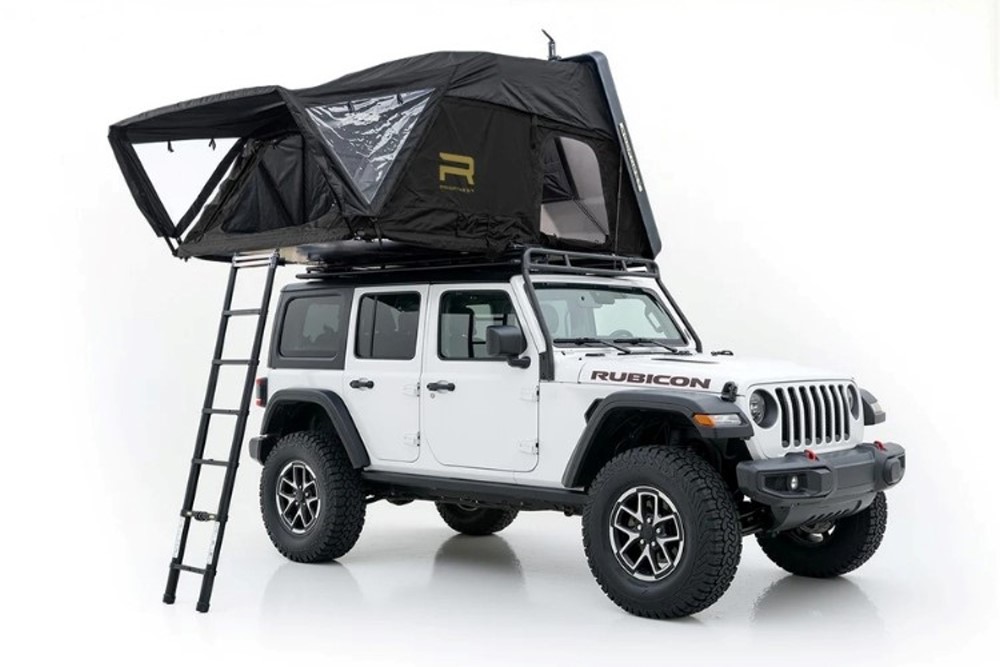
The Ultimate Race Weekend Setup: Why Rooftop Tents Beat Traditional Camping
Race weekends are as much about the experience as they are about the action on the track. From early morning practice sessions to late-night conversations in the paddock, dedicated fans often spend long hours at or near the circuit. That raises a practical question: where and how should you stay?
Traditional camping has long been part of motorsport culture, but it comes with trade-offs. Ground tents, crowded campsites, and unpredictable weather can quickly turn a great weekend into a logistical challenge.
In recent years, a growing number of racing fans have started rethinking their setups, opting for more flexible and efficient solutions. Among these, rooftop tents have emerged as a compelling alternative, offering a balance of mobility, comfort, and simplicity that aligns well with the demands of race travel.
The Realities of Traditional Trackside Camping
Camping at a race track sounds easy in theory, but the reality often looks different. Large crowds, limited space, and uneven terrain can complicate even the best-laid plans.
Common challenges include:
- Setup time: Pitching a ground tent after a long drive can feel like a chore, especially in poor lighting or bad weather
- Ground conditions: Mud, gravel, or sloped surfaces can make sleeping uncomfortable
- Space constraints: Popular events often pack campers tightly together
- Weather exposure: Rainwater runoff and wind can impact ground-level tents more severely
While experienced campers may adapt to these conditions, they can still detract from the overall race weekend experience. For fans who prioritize both convenience and comfort, alternatives are worth considering.
Why Mobility Matters During Race Weekends
Race events rarely follow a simple schedule. Practice sessions, qualifying rounds, and races can span multiple days, often across different parts of a venue. Beyond the track itself, many fans explore nearby towns, scenic routes, or additional motorsport events.
A flexible setup allows for:
- Quick relocation if campsites become overcrowded
- Easier access to different viewing areas
- The ability to leave and return without losing your sleeping setup
This is where rooftop tents begin to stand out. Mounted directly on a vehicle, they allow fans to maintain a consistent base without sacrificing mobility. Instead of packing and unpacking repeatedly, everything stays attached and ready to go.
Rooftop Tents: A Practical Upgrade for Trackside Living
Rooftop tents address many of the limitations associated with ground camping by elevating the sleeping area and simplifying setup. For race fans who value efficiency, this can make a noticeable difference over a multi-day event.
Key advantages include:
Faster Setup and Breakdown
Most rooftop tents can be deployed in minutes. After a long day at the track, this eliminates the need to wrestle with poles, stakes, and tarps. Packing up in the morning is equally straightforward, allowing for quick departures.
Improved Comfort
Sleeping off the ground provides a more even surface and reduces exposure to moisture and debris. Many rooftop tents include built-in mattresses, which removes the need to carry additional sleeping pads.
Better Use of Space
By utilizing the roof of the vehicle, campers free up ground space for cooking, seating, or storage. This is particularly useful in crowded race environments where every square meter counts.
Adaptability Across Locations
Whether parked at a designated campsite or a remote roadside spot, rooftop tents can function in a wide range of settings. This flexibility aligns well with the unpredictable nature of race travel.
Manufacturers such as Roofnest have contributed to the growing popularity of this approach by designing tents that prioritize durability and ease of use for outdoor enthusiasts.
Comparing Rooftop Tents to RVs and Ground Setups
When planning a race weekend, most fans consider three main accommodation options: ground tents, RVs, and rooftop tents. Each has its place, but the differences become clear when viewed through the lens of practicality.
Ground Tents
- Lower initial cost
- Lightweight and portable
- Require more setup time and favorable ground conditions
RVs
- High level of comfort and amenities
- Limited flexibility once parked
- Higher costs, both upfront and during travel
Rooftop Tents
- Balanced combination of mobility and comfort
- Minimal setup requirements
- Compatible with a wide range of vehicles
For many fans, rooftop tents occupy a middle ground. They provide more convenience than traditional camping without the expense and logistical complexity of an RV.
Roofnest setups allow travelers to convert a standard vehicle into a self-contained camping solution. This can simplify planning while maintaining the freedom to move between locations as needed.
Building the Ultimate Race Weekend Setup
A well-planned setup goes beyond just choosing where to sleep. It involves organizing gear, optimizing space, and preparing for different conditions. Consider the following components:
Essential Gear Checklist
- Folding chairs and compact tables
- Portable cooking equipment
- Lighting for nighttime visibility
- Weather-appropriate clothing
Vehicle Organization
- Store frequently used items within easy reach
- Use storage bins to keep gear organized
- Keep pathways clear for quick access to the tent
Comfort Enhancements
- Add extra blankets or sleeping layers for temperature changes
- Bring ear protection if camping near active track areas
- Pack simple cleaning supplies to maintain a tidy space
Rooftop tents integrate well into this kind of setup because they reduce the complexity of one major component: sleeping arrangements. With that simplified, it becomes easier to focus on the rest of the experience.
When Rooftop Tents Make the Most Sense
While rooftop tents offer clear benefits, they are not universally necessary. Their value becomes most apparent in certain scenarios:
- Multi-day race events where repeated setup and breakdown would otherwise be required
- Remote or overflow camping areas with uneven terrain
- Road trips involving multiple tracks or destinations
- Fans who prioritize flexibility over fixed accommodations
In these contexts, the ability to combine transportation and shelter into a single system can streamline the entire trip.
Conclusion
Race weekends demand a balance between preparation and adaptability. While traditional camping remains part of motorsport culture, it often comes with compromises that can affect comfort and convenience. Rooftop tents offer an alternative that aligns more closely with the needs of modern race fans, particularly those who value mobility and efficiency.
By reducing setup time, improving sleeping conditions, and allowing greater flexibility, rooftop tents can transform the way fans approach trackside living. For those planning their next race weekend, reevaluating the setup may be just as important as choosing which event to attend.